NSF
-
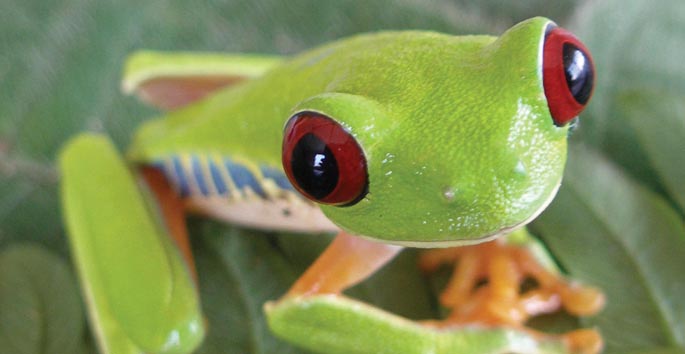
Frog fungus fights back
Louise Rollins-Smith and colleagues have discovered a new way that a deadly fungus evades frogs' immune systems. Read MoreMay 15, 2019
-

Signals from the “conveyor belt”
Carlos Lopez, Tina Iverson and Vsevolod Gurevich propose that a conveyer belt best describes the mechanism by which cellular signals are handed off from enzyme to enzyme in the brain. Read MoreJan 18, 2019
-

Trans-institutional team documents potential new treatment path for breast cancer
A team led by biomolecular engineer John Wilson and cancer biologist Rebecca Cook have found a way to trigger an immune response that targets breast cancer cells. Read MoreJan 16, 2019
-

Breast cancer-killing RIG
New research led by Rebecca Cook demonstrates that an antiviral receptor called RIG-I has potent immunogenic and therapeutic effects in breast cancer. Read MoreDec 19, 2018
-
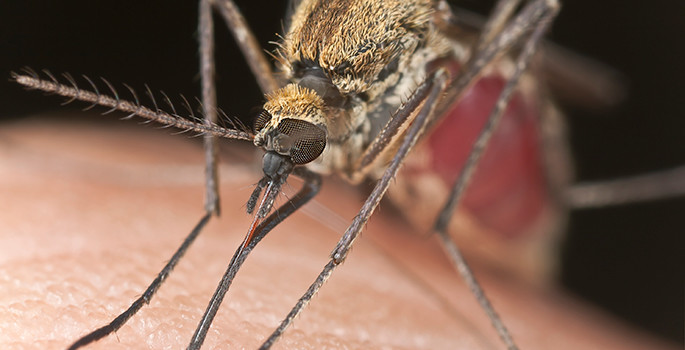
Unraveling genetic mystery next step in Zika and dengue fight
How a bacteria hijacked insect fertility remained a mystery for five decades, until Associate Professor of Biological Sciences Seth Bordenstein and his team helped solve it. Read MoreApr 23, 2018
-

Characterizing ‘keyhole’ is first step to fighting obesity at the cellular level
A Vanderbilt team and their international colleagues characterized for the first time a complex, little-understood cellular receptor type that, when activated, shuts off hunger. Read MoreApr 18, 2018
-

The unexpected way international business influences U.S. politics
Corporations in different industries tend to donate to the same political candidates when their board members serve on the boards of international companies, too. Read MoreDec 1, 2017
-

Cell signals that trigger wound healing are surprisingly complex
Vanderbilt scientists have taken an important step toward understanding the way in which injured cells trigger wound healing, an insight essential for improving treatments of all types of wounds. Read MoreOct 3, 2017
-
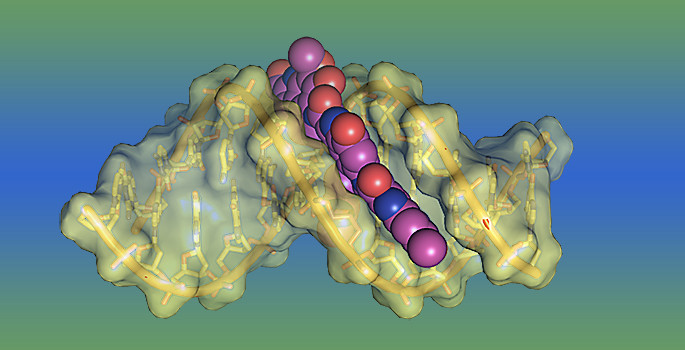
Deciphering potent DNA toxin’s secrets
Vanderbilt researchers uncover the secret of the remarkable potency of the DNA toxin yatakemycin, which could someday be harnessed to fight cancer. Read MoreAug 1, 2017
-

Wet and stormy weather lashed California coast…8,200 years ago
A study of stalagmite records from the White Moon Cave in the Santa Cruz Mountains finds the California coast was lashed by exceptionally wet and stormy weather for 150 years...8,200 years ago. Read MoreJun 20, 2017
-

Astronomers discover exoplanet hotter than most stars
Astronomers at Vanderbilt and Ohio State have discovered a planet like Jupiter zipping around its host star every day, boiling at temperatures hotter than most stars with a giant cometary tail. Read MoreJun 5, 2017
-
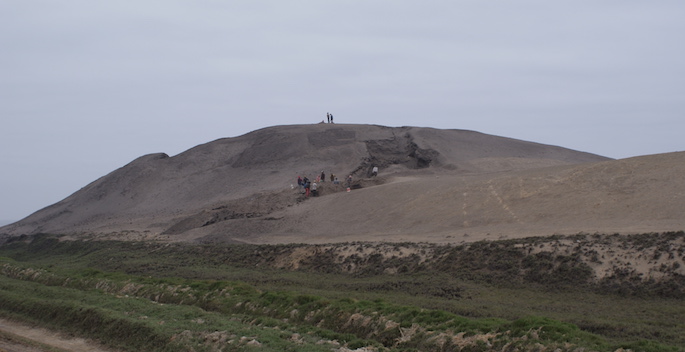
Northern coast of Peru was a hospitable rest stop for early Americans
Vanderbilt researchers found a place where early Americans paused on their migrations south and "settled in for a good long while," suggesting a slower pace of settlement than originally believed. Read MoreMay 24, 2017
-

The tale teeth tell about the legendary man-eating lions of Tsavo
Analysis of the microscopic wear on the teeth of three man-eating lions reveals that painful dental disease may have been what drove the cats to hunt humans instead of larger prey. Read MoreApr 19, 2017
-
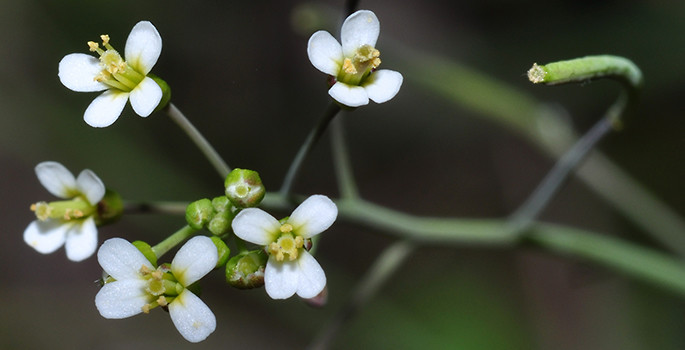
New method for tapping vast plant pharmacopeia to make more effective drugs
Geneticists have developed an effective new method for identifying the genes that produce the chemicals plants use to protect themselves from predators, which are an important natural drug source. Read MoreApr 14, 2017
-

A new mode of DNA repair
Structural details of a protein that removes DNA lesions shed light on fundamental mechanisms of DNA repair. Read MoreApr 14, 2017
-

Organ-on-a-chip mimics heart’s biomechanical properties
Scientists at Vanderbilt University have created a three-dimensional organ-on-a-chip that can mimic the heart’s amazing biomechanical properties in order to study cardiac disease, develop heart drugs. Read MoreFeb 22, 2017
-
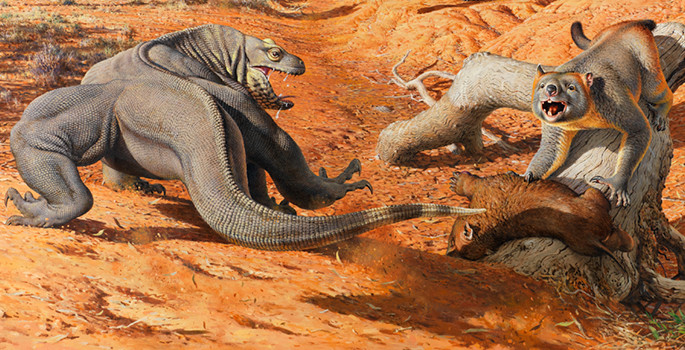
Climate change helped kill off super-sized Ice Age animals in Australia
A new study has compared the diet of a variety of Australian megafaunal herbivores from the period when they were widespread (350,000 to 570,000 years ago) to a period when they were in decline (30,000 to 40,000 years ago) by studying their fossil teeth. The analysis suggests that climate change had a significant impact on their diets and may well have been a primary factor in their extinction. Read MoreJan 26, 2017
-
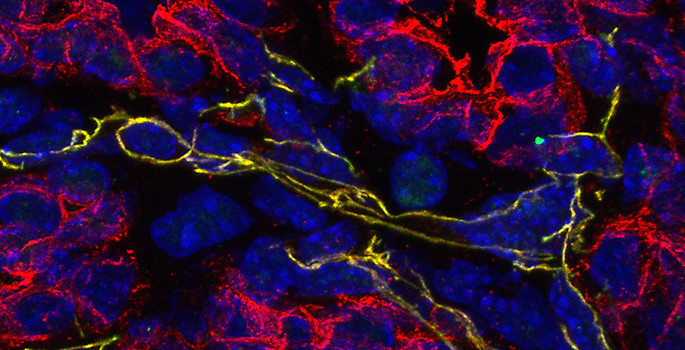
Softening tumor tissue could aid cancer treatments
Tumors cause the intracellular material surrounding them to stiffen. Softening this protective layer could make existing cancer treatments more effective, according to new research. Read MoreJan 16, 2017
-

Access to health care strengthens communities: Vanderbilt study
A new study shows that access to health insurance can help hold a community together socially, and lack of it can contribute to the fraying of neighborhood cohesion. The study, Beyond Health Effects? Examining the Social Consequences of Community Levels of Uninsurance Pre-ACA, published by the… Read MoreJan 16, 2017
-

Early math knowledge related to later achievement
Findings will inform educators and school administrators developing curricula for the early years. Read MoreDec 6, 2016