Featured Research
-

New research framework proposes equitable approach to preventing gun violence
A more comprehensive, equitable approach to researching gun violence can lead to better policy solutions. Read MoreApr 15, 2021
-

Research Snapshot: Exosuit concept developed at Vanderbilt peeks at the future of wearable tech
Research snapshot: Study shows promise to bring back strain-relieving wearable tech to last-mile delivery drivers, heavy-lifting jobs and other essential workers, including those strained during pandemic. Est. reading time: 1.5 minutes Read MoreMar 25, 2021
-
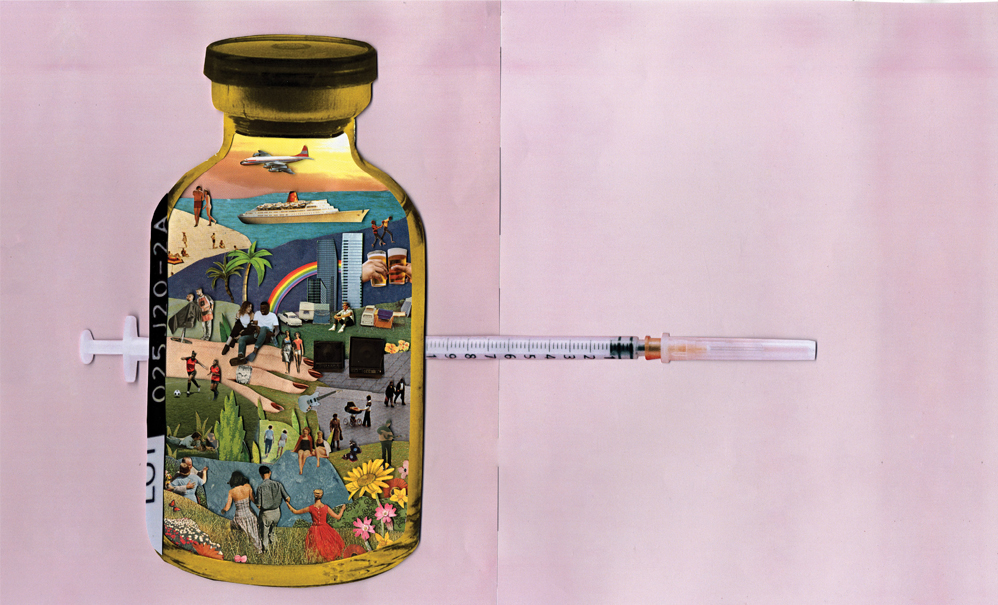
Shot in the Arm: Groundbreaking COVID-19 vaccine research by alumnus Dr. Barney Graham began at Vanderbilt decades ago
The remarkable success of the COVID-19 vaccines began in a Vanderbilt lab decades ago, with the groundbreaking research of alumnus Dr. Barney Graham. Read MoreMar 17, 2021
-

Vanderbilt joins Wellcome Leap global network dedicated to accelerating breakthroughs in human health
Vanderbilt University has joined the Leap Health Breakthrough Network, a global group of leading academic and research institutions committed to solving the world’s most serious health challenges. Read MoreJan 28, 2021
-

Vanderbilt civil engineer partners with TDOT to seek ways to mitigate opioid epidemic
Janey Camp leads an analysis of rural transportation constraints that prevent people from receiving regular substance abuse treatment. Read MoreJan 5, 2021
-
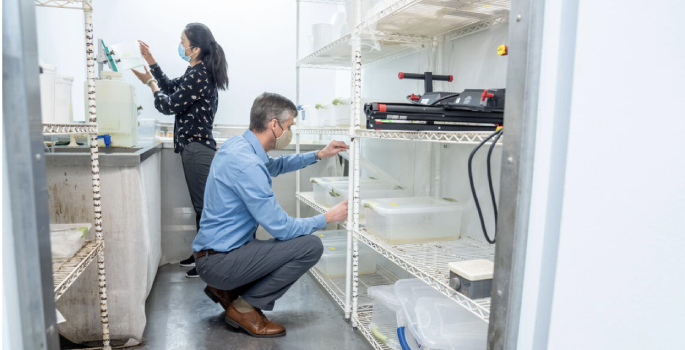
Immune and circulatory systems are functionally integrated in all insects, Vanderbilt biologists demonstrate
A new study shows that insect immune and circulatory systems cooperate to fight infection, similar to those in mammals. Read MoreDec 16, 2020
-
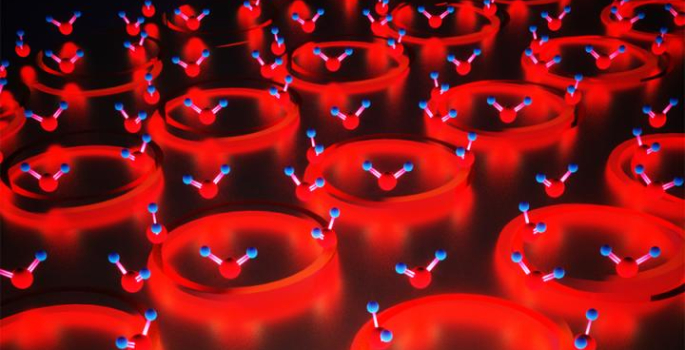
Researchers develop unique process for producing light-matter mixture
Discovery provides insight for developing next generation optoelectronic and infrared devices In groundbreaking new research, an international team that includes a Vanderbilt engineer has developed a unique process for producing a quantum state that is part light and part matter. Read MoreDec 7, 2020
-

VUMC begins study of second COVID-19 vaccine
Vanderbilt University Medical Center has begun recruiting up to 250 participants for a Phase 3 clinical trial testing an investigational COVID-19 vaccine candidate developed by the Janssen Pharmaceutical Companies of Johnson & Johnson. Read MoreNov 2, 2020
-

Vanderbilt trans-institutional team shows how next-gen wearable sensor algorithms powered by machine learning could be key to preventing injuries that sideline runners
An interdisciplinary team of researchers led by Karl Zelik explores how wearable sensor technology can monitor bone stress in runners, developing a new multi-sensor algorithm that could save runners from months of pain and recovery time. Read MoreOct 28, 2020
-
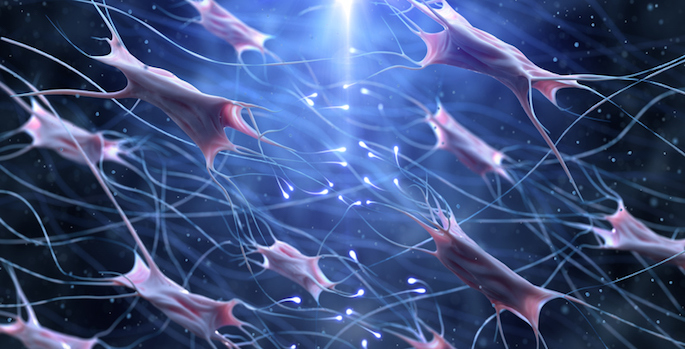
Vanderbilt researchers make counterintuitive discoveries about immune-like characteristics of cells, chemotherapy’s impact on tissue growth
Biologists reveal that tissue perturbations by chemotherapy agents promote stem cell expansion and that fibroblast cells exhibit unexpected, immune-like behavior. Read MoreOct 15, 2020
-
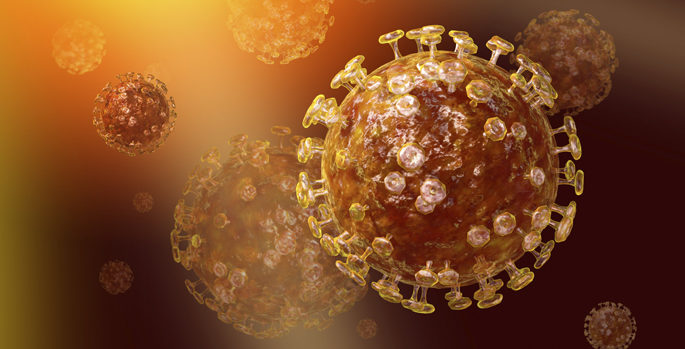
COVID-19 long-acting antibodies discovered by Vanderbilt University Medical Center move to phase 3 clinical trials
AstraZeneca is advancing into phase 3 clinical trials with an investigational COVID-19 therapy of two long-acting antibodies discovered by Vanderbilt University Medical Center and optimized by AstraZeneca. Read MoreOct 13, 2020
-

Vanderbilt researchers develop publicly available COVID-19 animal susceptibility prediction tool; suggests increased risk to horses
All-remote collaboration results in free animal susceptibility tool to help prioritize research and closer examination of at-risk species. Read MoreOct 6, 2020
-

Recent books by Peabody faculty
Books on specific strategies and practices for using digital tools to reduce inequities in educational opportunities and improve student outcomes and the core ingredients of leadership have been recently published by Vanderbilt faculty. Read MoreOct 2, 2020
-
NSF seed grant supports biomanufacturing of new drug delivery technologies
Vanderbilt researchers awarded one of NSF’s 24 new projects to drive future manufacturing One of the challenges of drug delivery systems is to optimize their targeting properties so therapeutic compounds used in smaller amounts reach only a specific area of the body and result in little or no side effects. The ability to engineer the... Read MoreOct 2, 2020
-

Study: Effective legislators do better at the primary polls
Primary voters prefer incumbents with a proven record of success, according to a new working paper from the Center for Effective Lawmaking, coauthored by Alan Wiseman. Read MoreApr 20, 2020
-

Where are the quokkas? New study explains what happened to the “happiest animal in the world”
The quokka, a small marsupial native to Australia, is an example of a species vulnerable to extinction in the country’s harsh surroundings. In a new study, researchers at Vanderbilt University demonstrate evidence for the dramatic decline of quokkas over the past century. Read MoreFeb 21, 2020
-
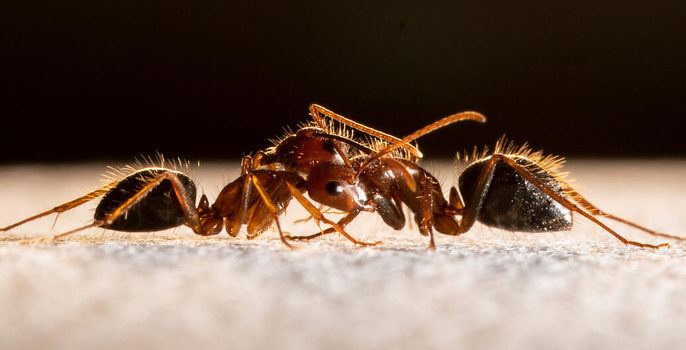
How ants get angry: Precise “lock and key” process regulates aggression, acceptance
In a new study, scientists at Vanderbilt report definitive evidence of a mechanism within ants that is responsible for unlocking aggression. The research—the first to pinpoint this mechanism and its precise role in ant biology—reports a social characteristic which could help account for their evolutionary success. Read MoreFeb 3, 2020
-
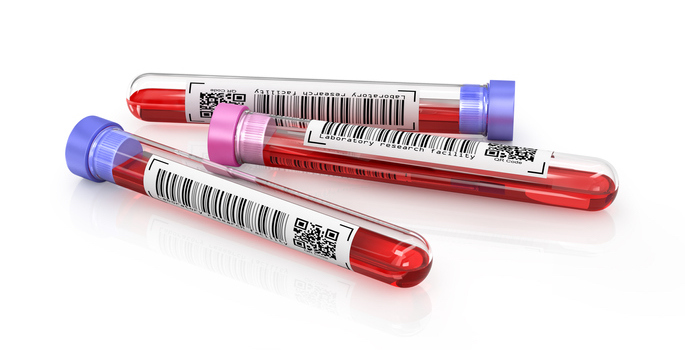
Engineers advance efforts to speed blood test results
Vanderbilt engineers are working on a process that ultimately may allow patients to get blood test results fast. Read MoreJan 13, 2020
-

Vanderbilt-led team discovers new genetic disease and defines underlying mechanism
An international research team has discovered a new genetic syndrome caused by mutation of a single gene and named it CATIFA, an acronym for its core symptoms. Read MoreJan 13, 2020
-

Post-9/11 wars may have killed twice as many Americans at home as in battle: Analysis
An analysis by Kip Viscusi finds that the post-9/11 wars may have resulted in more than twice as many indirect deaths back home as were lost in battle, due to the diversion of war costs from the U.S. economy and the subsequent impact on the nation’s health. Read MoreDec 17, 2019