Cancer
-
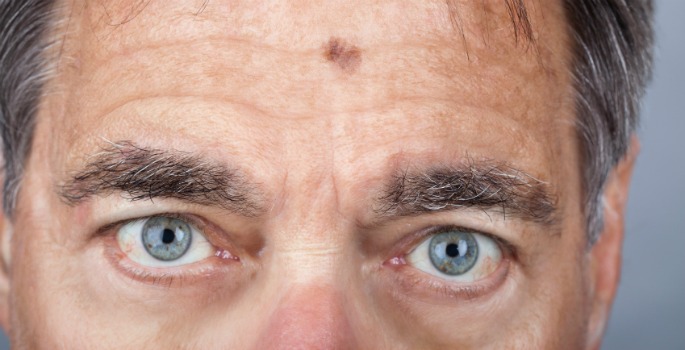
Investigators seek clues to resistance to melanoma drug
Investigators at Vanderbilt-Ingram Cancer Center and several other centers may be one step closer to finding out why some melanoma patients relapse after treatment with a promising new drug. Read MoreJan 26, 2012
-
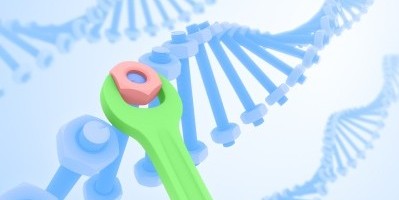
Protein repairs esophageal DNA damage
A protein involved in repairing DNA damage associated with gastric reflux may play a tumor suppressor role in the esophagus and could represent a target for therapies to combat esophageal cancer. Read MoreJan 25, 2012
-

Obesity genes linked to uterine cancer
In addition to body mass index, genetic markers of obesity may provide value in predicting endometrial cancer risk. Read MoreJan 20, 2012
-

Study eases childhood cancer survivors’ birth defect worries
A large, retrospective study of the children of childhood cancer survivors who were treated with radiation therapy and/or some forms of chemotherapy found that the offspring do not have an increased risk for birth defects compared with children of cancer survivors who did not receive these treatments. Read MoreJan 13, 2012
-
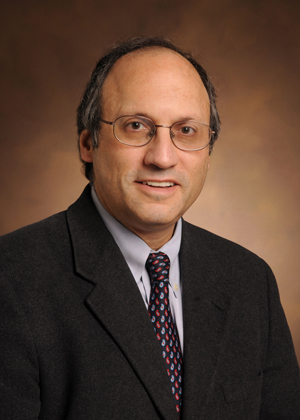
Sosman named to ‘Dream Team’ of cancer investigators
Jeffrey Sosman, M.D., professor of Medicine at Vanderbilt-Ingram Cancer Center (VICC), has been named to a melanoma research Dream Team of cancer investigators supported by Stand Up To Cancer (SU2C) and the Melanoma Research Alliance (MRA). Sosman is among the Dream Team’s principal investigators who will work closely with the… Read MoreJan 5, 2012
-
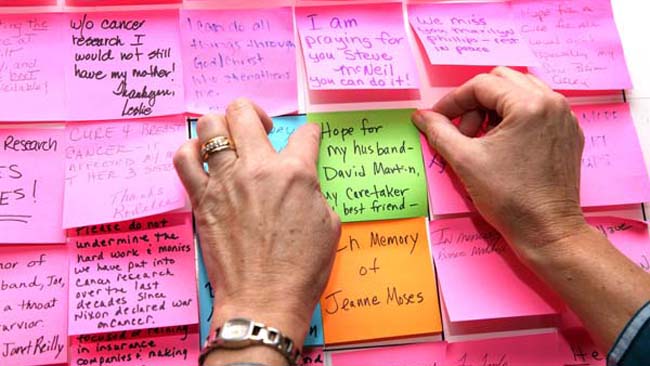
Hope notes
(photo by Susan Urmy) Vanderbilt-Ingram Cancer Center patients, families and staff members recently placed messages of hope and requests for cancer research funds on a “Wall of Hope” at the Cancer Center. The American Cancer Society Cancer Action Network sponsored the “Wall of Hope” initiative and will… Read MoreJan 5, 2012
-
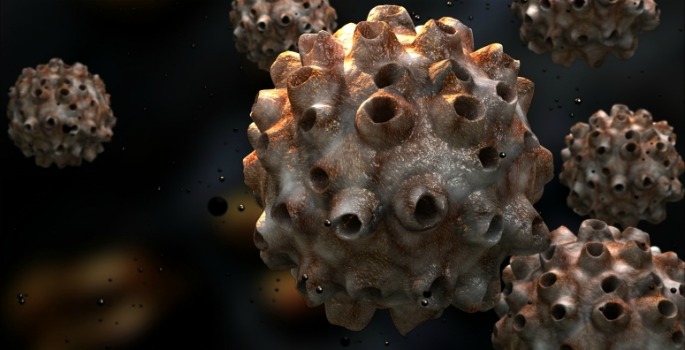
Virus-linked cancer gets help from host
Host cell protein may be a target for strategies to limit spread of virus-induced squamous cell cancers. Read MoreDec 15, 2011
-
Offspring of childhood cancer survivors have no increased risk for birth defects
Children of childhood cancer survivors who were treated with radiation or some forms of do not have an increased risk for birth defects compared to children of cancer survivors who did not receive such treatments. Read MoreDec 15, 2011
-
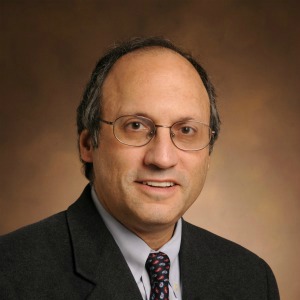
Jeffrey Sosman named to melanoma research ‘Dream Team’
Jeffrey Sosman (Vanderbilt) Jeffrey Sosman, professor of medicine at Vanderbilt-Ingram Cancer Center (VICC), has been named to a melanoma research Dream Team of cancer investigators supported by Stand Up To Cancer (SU2C) and the Melanoma Research Alliance. Sosman is among the Dream Team’s principal investigators who… Read MoreDec 15, 2011
-
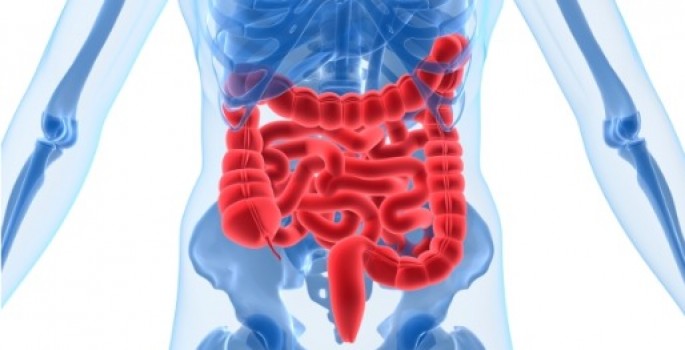
Pathway to colon cancer progression
Molecular players involved in colon cancer progression could provide new biomarkers to indicate invasiveness and prognosis. Read MoreDec 1, 2011
-
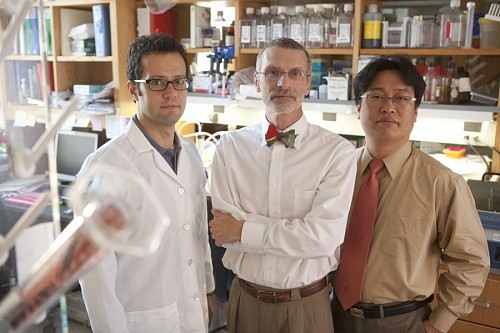
Protein family key to aging linked to suppressing tumors
The list of aging-associated proteins known to be involved in cancer is growing longer, according to research by investigators at Vanderbilt-Ingram Cancer Center and the National Institutes of Health. Read MoreOct 28, 2011
-
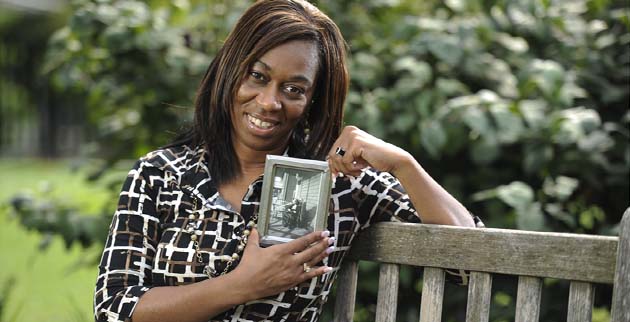
Kim Drake, What’s Your Story?
(John Russell/Vanderbilt University) Thumbing through a handful of her daughter’s recently taken senior photos, Kim Drake was a little tearful. “I’m having a mother moment,” she explained before tucking them away to offer some friendly guidance to a patient at the Vanderbilt-Ingram Cancer Center’s Patient and Family Resource… Read MoreSep 1, 2011
-

Cancer study seeks clues to halting metastasis’ march
Vanderbilt researchers have identified small molecules that can restore normal protein expression in human colorectal carcinoma cells and prevent invasive cancer growth. Read MoreAug 10, 2011
-
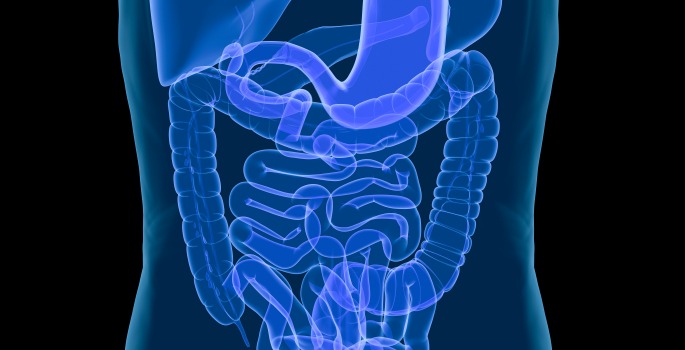
Protein loss sets up pro-tumor state
Loss of the protein p120 in the intestinal lining sets the stage for tumor formation. Read MoreJul 19, 2011
-

Stomach bugs impact nutrient levels
Helicobacter pylori, a bacterium that infects half of the world’s population and increases the risk for stomach cancer, appears to impair nutrient absorption. Read MoreJun 30, 2011
-

Different types of aggressive breast cancer identified
Vanderbilt-Ingram Cancer Center researchers have identified six subtypes of an aggressive and difficult-to-treat form of breast cancer. Read MoreJun 28, 2011
-
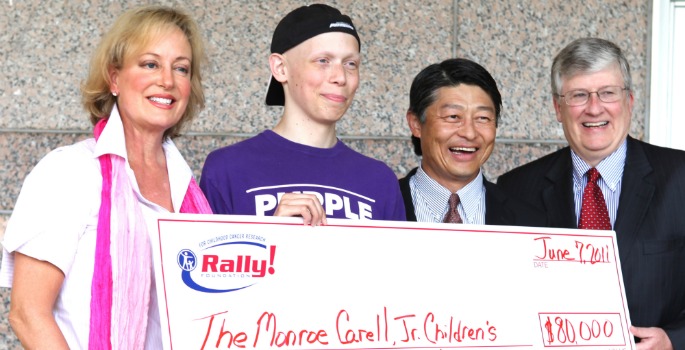
Grant to support neuroblastoma research
The Rally Foundation awarded an $80,000 grant to the Monroe Carell Jr. Children’s Hospital at Vanderbilt to fund a research study on the treatment of neuroblastoma. Read MoreJun 24, 2011
-
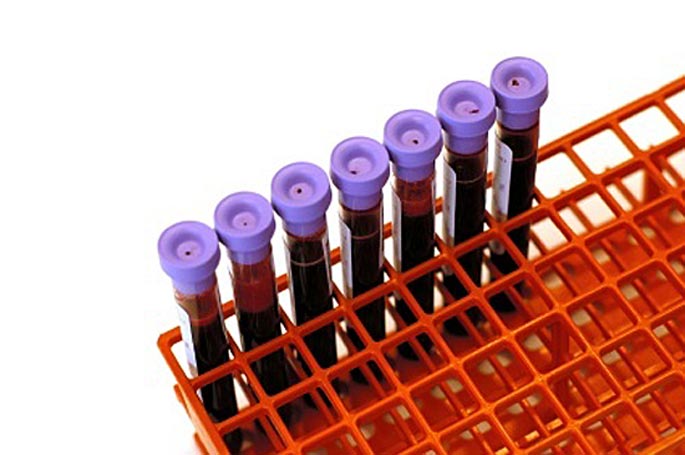
Magnesium affects prostate cancer risk
Low blood levels of magnesium are associated with more aggressive prostate cancer, a recent study suggests. Read MoreJun 3, 2011
-

Vanderbilt-Ingram Cancer Center launches online genetic research tool
A new online tool enables cancer patients and researchers to track the latest developments in personalized cancer medicine and connect with clinical research trials. Read MoreMar 3, 2011
-

Protein ‘scissors’ cut path for cancer
The protein matriptase "cuts" a key component of the prostate tissue barrier and may be involved in prostrate cancer progression, new research finds. Read MoreFeb 22, 2011