Antonis Rokas
-
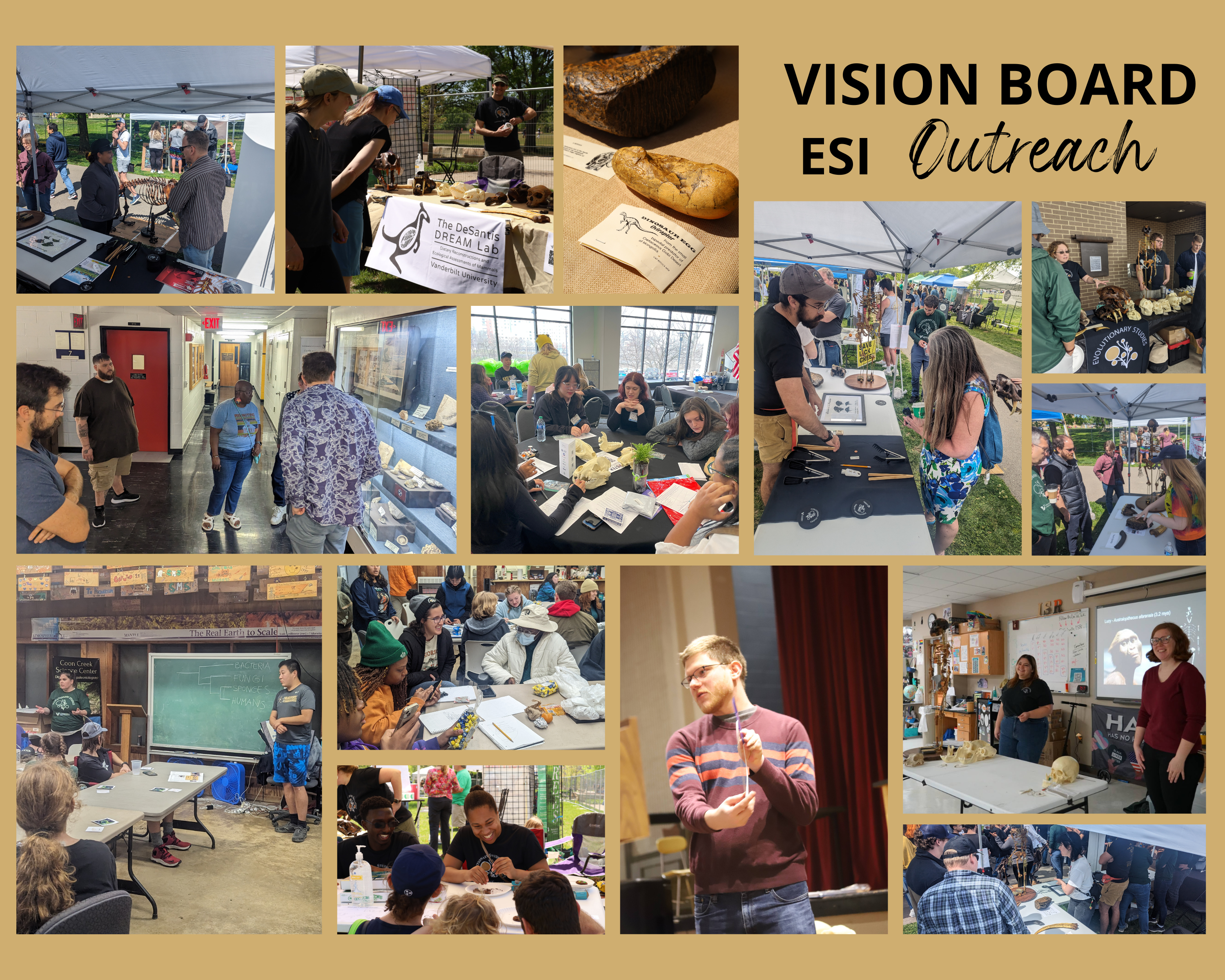
Vanderbilt’s Evolutionary Studies Initiative honored with 2025 Friend of Darwin Award
The National Center for Science Education has named Vanderbilt University’s Evolutionary Studies Initiative as one of its 2025 recipients of the prestigious Friend of Darwin award. This national honor recognizes ESI’s outstanding contributions to advancing public understanding of evolution through interdisciplinary research, education and outreach. Read MoreJun 10, 2025
-
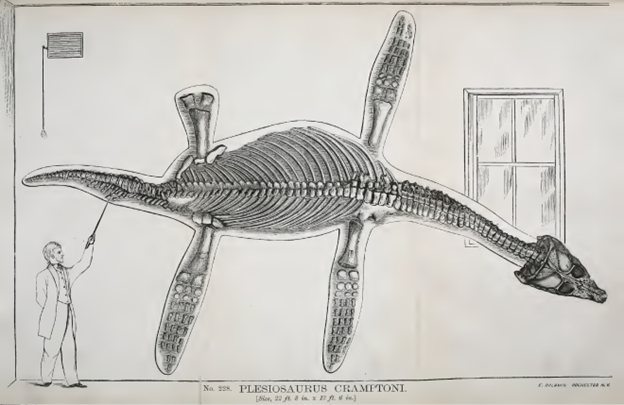
Restoring Vanderbilt’s Natural History Museum: Rediscovering the lost plesiosaur (cast)
Embarking on a new research project often brings unexpected discoveries—some intriguing, some novel, but rarely a find of a lifetime. Such a remarkable discovery occurred when university archivist and associate director Kathy Smith stumbled upon a pile of plaster, hidden away for 60 years in a dim, cluttered closet of the Branscomb Quad basement. This plaster turned out to be the long-lost Crampton’s Plesiosaur Cast from the 1870s, missing for nearly six decades. Read MoreSep 3, 2024
-
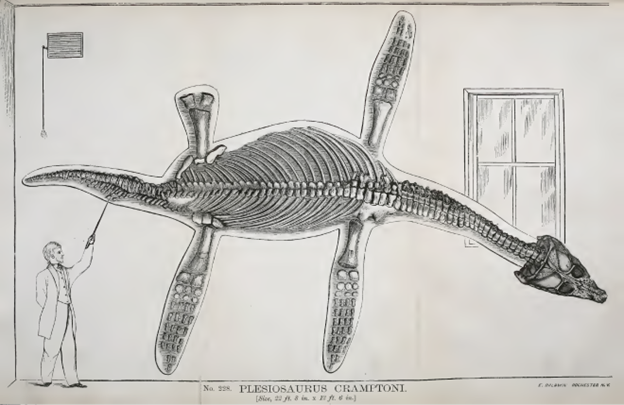
Rediscovering the Lost Plesiosaur (Cast): Restoring Vanderbilt’s Natural History Museum
Research projects investigating the history of evolution at Vanderbilt University led to the rediscovery of a long-lost Crampton’s Plesiosaur Cast from the 1870s. Read MoreAug 29, 2024
-
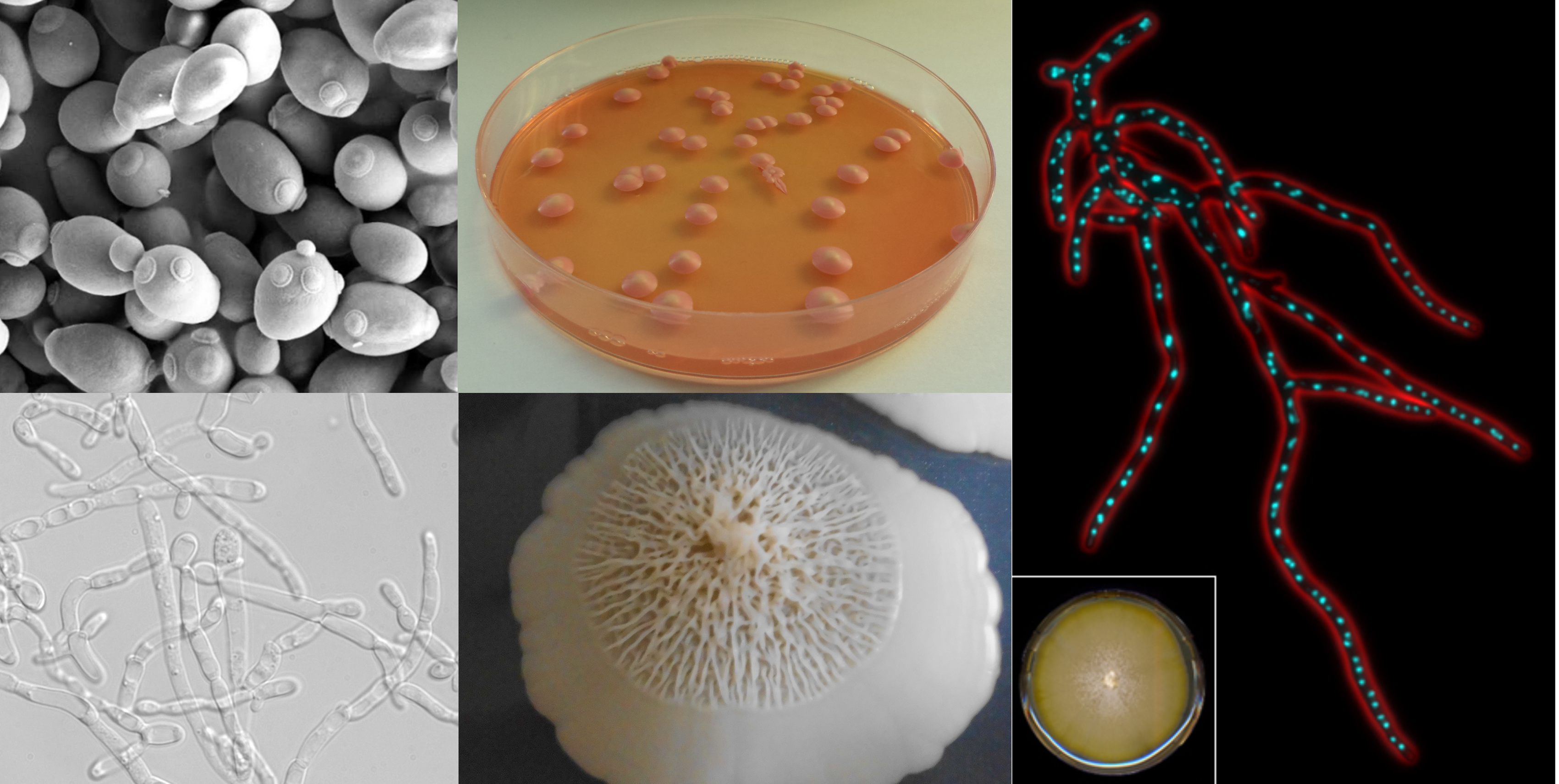
Vanderbilt researchers flip the script on yeast ecological diversity
A mere decade ago, decoding the genome of every organism in a major branch of the tree of life and deciphering their diets was a pipe dream. In a groundbreaking study, a team of researchers from Vanderbilt University, the University of Wisconsin-Madison and other institutions worldwide have done just that for the first time ever. Led by Abigail LaBella, a postdoctoral researcher in the Rokas Lab, an international research team used the genomes and diets of nearly all known species from an ancient lineage of yeasts to understand the evolution of generalists and specialists. Read MoreMay 8, 2024
-
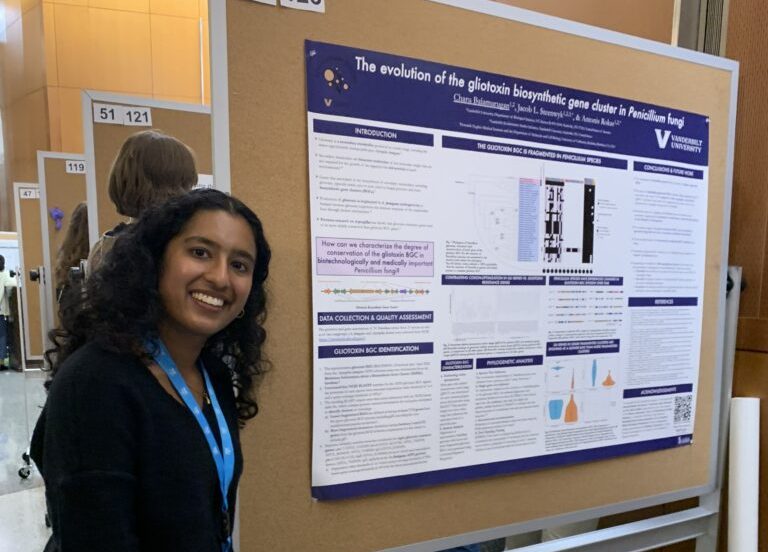
Beckman Scholar Charu Balamurugan unveils evolutionary insights into Penicillium secondary metabolites
Beckman Scholar Charu Balamurugan, an undergraduate researcher in the Rokas lab at Vanderbilt University, has shed light on the intricate evolutionary patterns governing secondary metabolite biosynthesis in fungi. Balamurugan delved deep into the genomes of Penicillium species, uncovering fascinating insights into the conservation and evolution of biosynthetic gene clusters and associated resistance genes. Read MoreApr 4, 2024
-
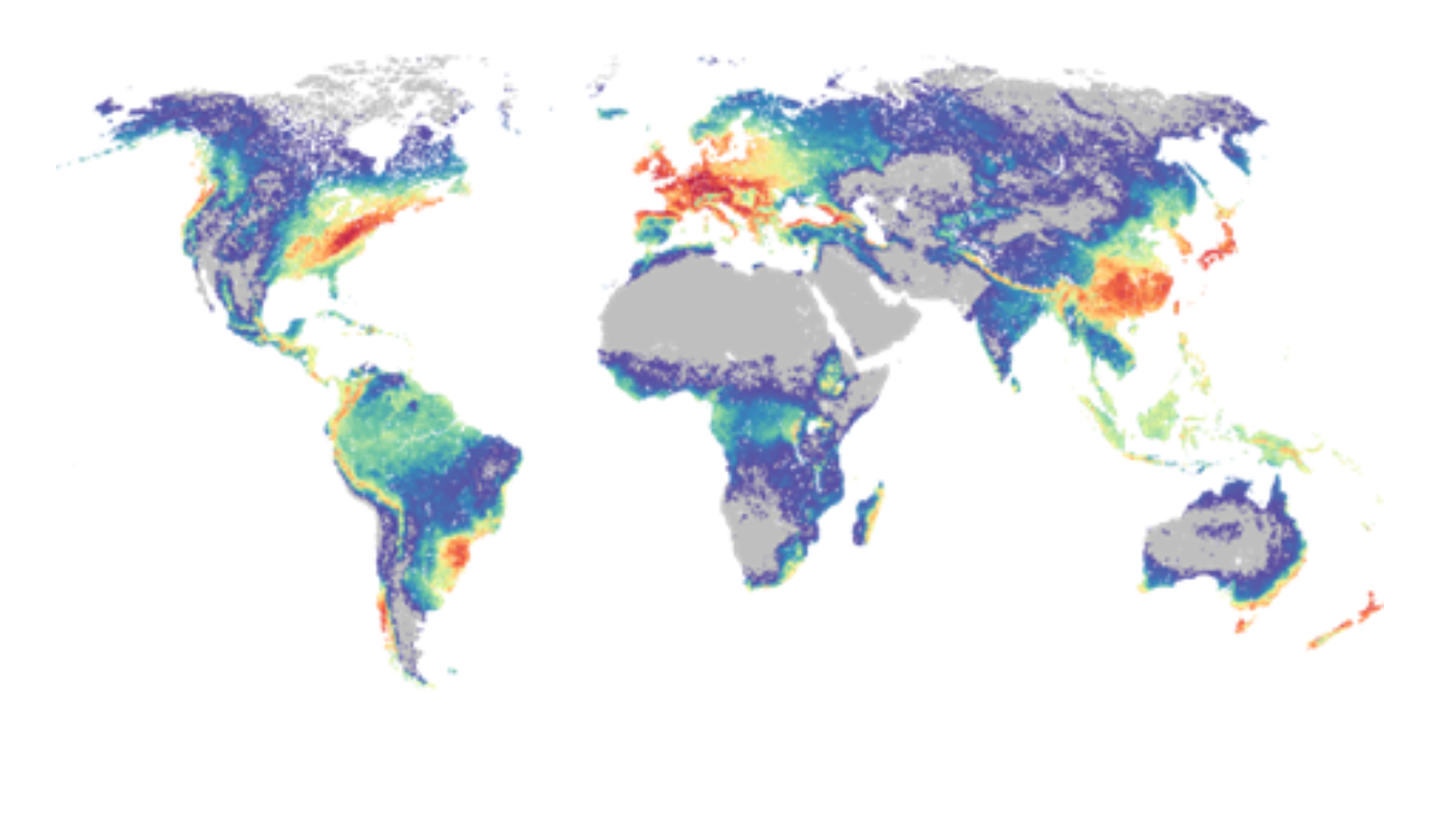
Breaking the Mold: Kyle David’s research challenges ecological norms in yeast communities
Kyle David, an NSF postdoctoral fellow in the Rokas lab, and co-authors published a new paper, “Saccharomycotina yeasts defy longstanding macroecological patterns” in the high-impact journal PNAS. This paper, which looks at the ecology of 186 species of yeast, provides evidence that not all life-forms follow the rules. Read MoreMar 7, 2024
-
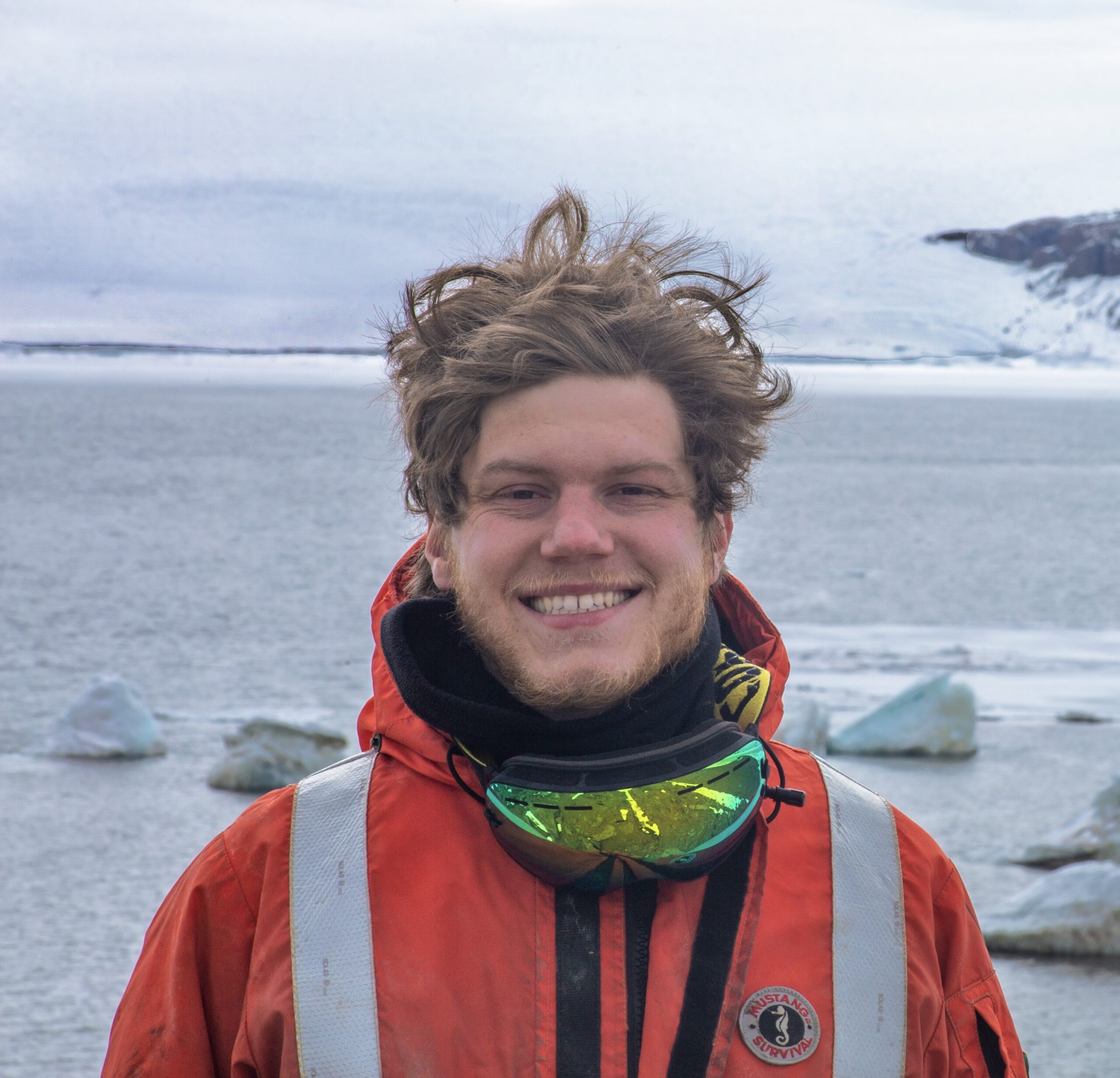
Breaking the mold: postdoctoral fellow’s research challenges ecological norms in yeast communities
Kyle David, an NSF postdoctoral fellow in the Rokas lab, and co-authors published a new paper, 'Saccharomycotina yeasts defy longstanding macroecological patterns' in the high-impact journal PNAS. This paper, which looks at the ecology of 186 species of yeast, provides evidence that not all life-forms follow the rules. Read MoreMar 5, 2024
-
Harrison named Brighter Ventures Student Award recipient
Marie-Claire Harrison, a graduate student in the Department of Biological Sciences, has been named the 2023 recipient of the Brighter Ventures Student Award. The Brighter Ventures Student Award supports Ph.D. students interested in the application of artificial intelligence in the biomedical research field. Read MoreMay 31, 2023
-

Life in evolution’s fast lane
A group of budding yeasts in the genus Hanseniaspora, which is closely related to the baker’s yeast Saccharomyces cerevisiae, has lost large numbers of genes related to cell cycle and DNA repair processes. Read MoreMay 21, 2019
-
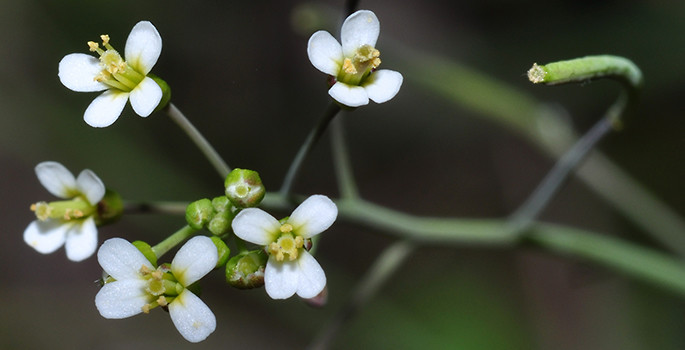
New method for tapping vast plant pharmacopeia to make more effective drugs
Geneticists have developed an effective new method for identifying the genes that produce the chemicals plants use to protect themselves from predators, which are an important natural drug source. Read MoreApr 14, 2017
-
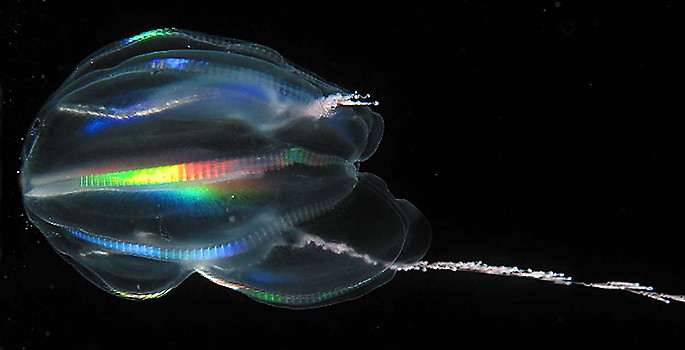
Forget sponges: the earliest animals were marine jellies
A powerful new method has been devised to settle contentious phylogenetic tree-of-life issues. such as "What is the oldest branch of the animal family tree?" Read MoreApr 10, 2017
-

New online tool created to tackle complications of pregnancy and childbirth
An interdisciplinary team of biologists and medical researchers have created a new platform, which they call GEneSTATION specifically designed to leverage the growing knowledge of human genomics and evolution to advance scientific understanding of human pregnancy and translate it into new treatments for the problems that occur when this complex process goes awry. Read MoreNov 11, 2015
-
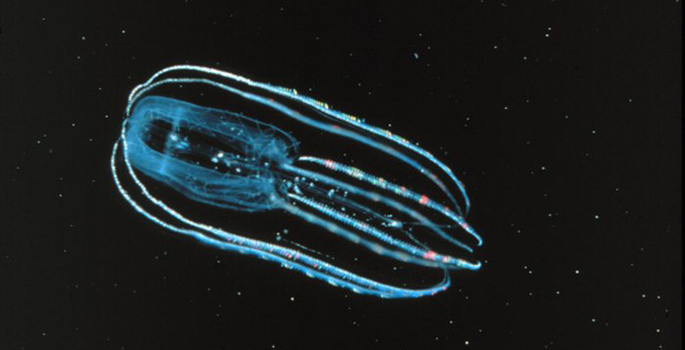
Could comb jellies, close cousins of jellyfish, be the earliest ancestors of animals?
With their intricate, translucent shapes and elaborate bioluminescent displays, comb jellies add beauty and mystery to the ocean depths. They also have an important story to tell about the origin of animals. Read MoreDec 13, 2013
-

Untangling the tree of life
Vanderbilt phylogeneticists examined the reasons why large-scale tree-of-life studies are producing contradictory results and have proposed a suite of novel techniques to resolve the contradictions. Read MoreMay 15, 2013
-

‘Snooze button’ on biological clocks improves cell adaptability
(iStock) The circadian clocks that control and influence dozens of basic biological processes have an unexpected “snooze button” that helps cells adapt to changes in their environment. A study by Vanderbilt University researchers published online Feb. 17 by the journal Nature provides compelling new evidence that at least some species… Read MoreFeb 17, 2013
-
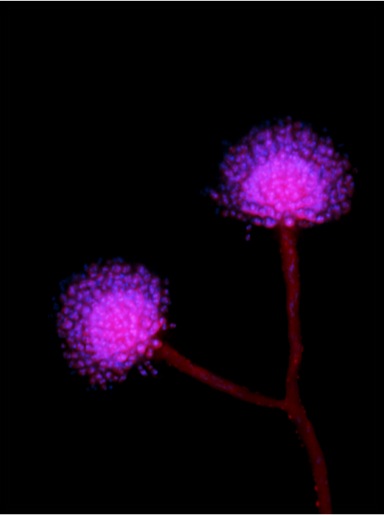
What beer, dogs, cats and soy sauce have in common: The movie
A new video report of research by Antonis Rokas and John Gibbons describes how humans domesticated microbes like yeast just as we domesticated cats and dogs. Read MoreFeb 5, 2013
-

Jumping genes make the funny pages
Every so often a piece of research makes it into the popular culture. That is the case with the discovery of Vanderbilt biologists Antonis Rokas and Jason Slot that entire gene clusters have jumped between unrelated species of mold millions of years… Read MoreJun 24, 2011
-
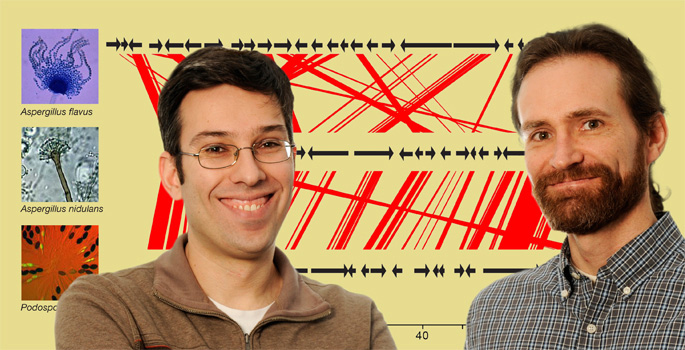
Discovery of jumping gene cluster tangles tree of life
Since the days of Darwin, the “tree of life” has been the preeminent metaphor for the process of evolution, reflecting the gradual branching and changing of individual species. The discovery that a large cluster of genes appears to have jumped directly from one species of fungus to another, however,… Read MoreFeb 4, 2011