Research
-

Gamazon receives NIH Genomic Innovator Award
VUMC's Eric Gamazon has received a Genomic Innovator Award from the National Human Genome Research Institute, part of the NIH. Read MoreSep 19, 2019
-
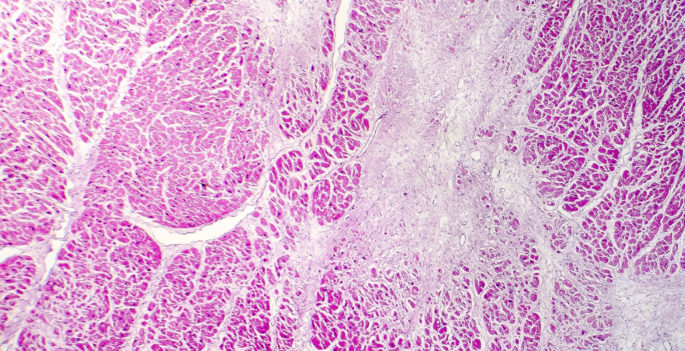
Antibody “road block” enables fine-tuning for cardiac recovery, decreases risk of heart failure
A new study published by Vanderbilt mechanobiology researchers details a possible solution for fine-tuning inflammation and cellular activity in cardiac recovery – thanks to an antibody initially developed for rheumatoid arthritis. Read MoreSep 19, 2019
-

Potential prostate cancer biomarkers
An analysis of more than 140,000 people of European ancestry has identified blood protein biomarkers associated with prostate cancer risk. Read MoreSep 19, 2019
-

All-in-one pill helps reduce blood pressure, cholesterol
A single pill containing low doses of three medications to treat high blood pressure and one to lower cholesterol reduced the estimated risk of cardiovascular disease by 25%, according to a VUMC study. Read MoreSep 19, 2019
-

Department of Energy webinar on federal funding set for Sept. 26
A special webinar on federal funding from the Department of Energy is scheduled for Thursday, Sept. 26, from 2 to 3 p.m. in the Baker Building, Room 800C. Remote viewing will be available with advanced registration. Register here to attend the webinar in person or remotely. “DOE and Biological Sciences” will cover a broad range of... Read MoreSep 17, 2019
-
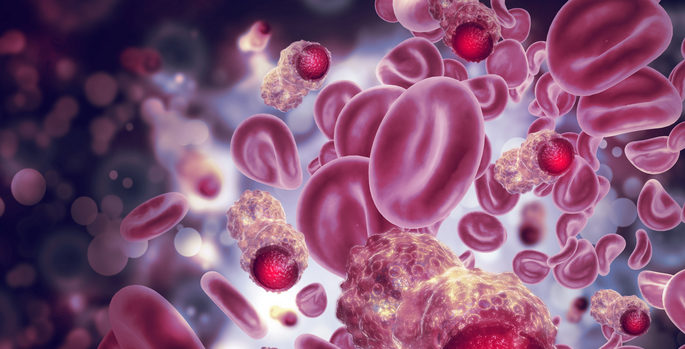
On-the-move cancer cells prefer a “comfort cruise,” follow predictable paths of least resistance
New research from a group of Vanderbilt biomedical engineers reveals that while cancer cells metastasize quickly, they generally choose pathways that use the least amount of energy. Read MoreSep 13, 2019
-

Relational memory in early psychosis
Studies of relational memory function may reveal novel mechanisms for therapeutic intervention for patients in the early stages of psychosis. Read MoreSep 10, 2019
-

Astrocytes and epilepsy
A protein with important functions in astrocytes — star-shaped brain support cells — may alter neuronal excitability and contribute to seizure activity, Vanderbilt researchers report. Read MoreSep 9, 2019
-

Nanoscale origami: Smallest-ever, atomically precise structures set stage for quantum breakthroughs
New technique for manipulating graphene opens the door to new breakthroughs in quantum technology. Read MoreSep 6, 2019
-

How salt increases blood pressure
Vanderbilt researchers have discovered that a protein called SGK1 in immune cells is activated by sodium, leading to the development of salt-sensitive hypertension. Read MoreSep 5, 2019
-

The plus and minus of microtubules
Understanding the dynamic regulation of cytoskeletal microtubules may suggest new ways to treat disorders ranging from Alzheimer's disease to cancer. Read MoreSep 5, 2019
-

Zebrafish aid effort to regenerate damaged retinas
According to a new study, the tiny zebrafish may hold the secret to regenerating damaged retinas in humans. Read MoreSep 5, 2019
-

High standards of female songbirds could be driving their mates to evolve
Picky females force male songbirds to become better singers. Read MoreSep 4, 2019
-
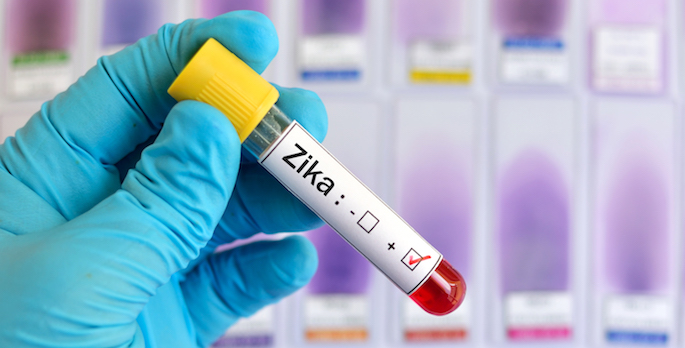
Partnership to help bring Zika virus therapy to clinic
Researchers at Vanderbilt University Medical Center are partnering with the Dutch biopharmaceutical firm Batavia Biosciences and Nashville-based IDBiologics to bring to the clinic a highly potent Zika virus neutralizing antibody they isolated three years ago. Read MoreSep 4, 2019
-

Public options can strengthen society: Vanderbilt law professor
Robust public options for retirement, banking, child care and other broadly beneficial services – beyond health care – would position more Americans to participate equally in society, argues Vanderbilt law professor Ganesh Sitaraman in a new book. Read MoreSep 3, 2019
-

How peer pressure does—and doesn’t—influence our choices
New research by marketing professor Kelly Haws helps explain why we match our friends' orders at a restaurant—but not exactly. Read MoreAug 27, 2019
-

A “rheostat” for cancer signals
Jason MacGurn and colleagues have characterized a “rheostat” that sets WNT pathway signaling in breast cancer cells. Read MoreAug 27, 2019
-
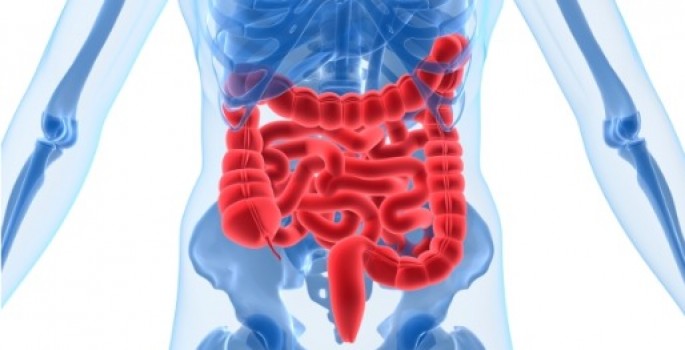
Colorectal cancer researchers receive SPORE funding
Colorectal cancer researchers from Vanderbilt-Ingram Cancer Center (VICC) have been awarded a Specialized Program of Research Excellence grant from the National Cancer Institute (NCI). Read MoreAug 26, 2019
-

ORAU award supports BME professor’s work on whole brain statistical modeling
Mika Rubinov, whose research involves building statistical models of whole brain data sets, has received a competitive research grant from Oak Ridge Associated Universities. Read MoreAug 26, 2019
-
Cancer susceptibility genes
Gene variants associated with cancer risk appear to contribute to carcinogenesis by regulating target genes that in turn promote the generation of mutations. Read MoreAug 26, 2019