Research
-

Learning by doing: How large firms transfer knowledge
Amid COVID-19, businesses will have to implement new procedures and training methods; Vanderbilt researcher Megan Lawrence examines what practices work best, and why. Read MoreJan 7, 2021
-
Functional seizures associated with stroke, psychiatric disorders in electronic health records study
In a large-scale study of electronic health records, Vanderbilt University Medical Center investigators have determined the prevalence of functional seizures and characterized comorbidities associated with them. Read MoreJan 7, 2021
-

Genome editing technique “rescues” mice from accelerated aging disorder: study
Researchers from the Broad Institute of Harvard and MIT, the National Institutes of Health (NIH) and Vanderbilt University Medical Center for the first time have used a novel genome-editing technique to “rescue” mice from progeria, a rare genetic disease that causes accelerated aging. Read MoreJan 6, 2021
-

Vanderbilt civil engineer partners with TDOT to seek ways to mitigate opioid epidemic
One of the largest obstacles for patients seeking effective substance abuse treatment is a lack of transportation to the treatment facilities. Vanderbilt University researcher Janey Camp, associate professor of civil and environmental engineering, is working on a project to help clear those roadblocks. Janey Camp (Vanderbilt University) Camp is leading an 18-month, in-depth analysis of... Read MoreJan 6, 2021
-
VUMC, Case Western apply artificial intelligence to “customize” oral cancer treatment
Researchers at Vanderbilt University Medical Center and Case Western Reserve University in Cleveland have been awarded a five-year, $3.3 million grant by the National Cancer Institute to apply artificial intelligence (AI) to help customize treatment for oral cancer patients. Read MoreJan 5, 2021
-

Vanderbilt civil engineer partners with TDOT to seek ways to mitigate opioid epidemic
Janey Camp leads an analysis of rural transportation constraints that prevent people from receiving regular substance abuse treatment. Read MoreJan 5, 2021
-
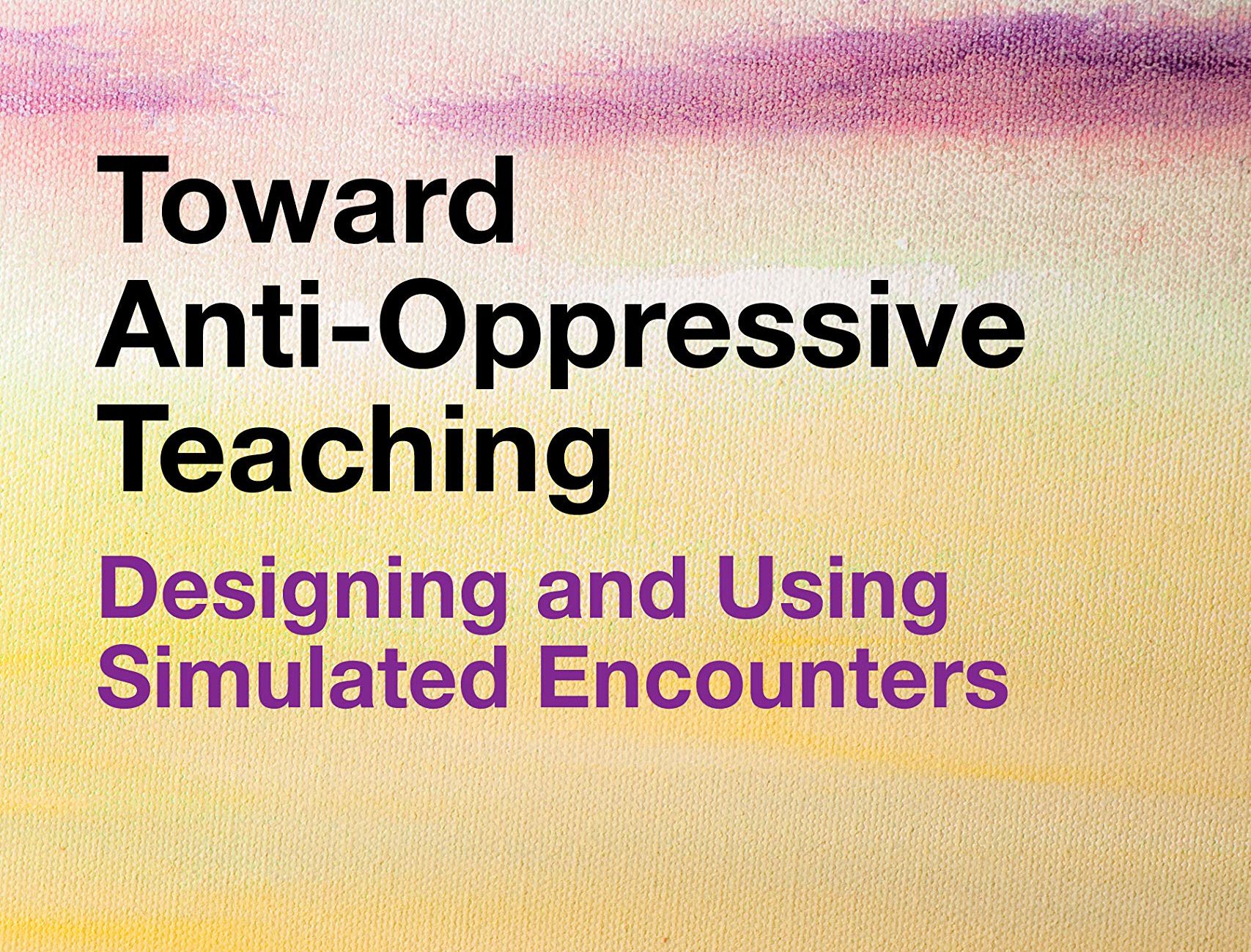
New book introduces innovative approaches for teacher training using simulations
'Toward Anti-Oppressive Teaching,' a new book co-written by Elizabeth A. Self, assistant professor of the practice of teaching and learning, and Barbara S. Stengel, professor of the practice of education, emerita, details how carefully crafted encounters can build on traditional approaches to educating future teachers about culture, power and systems of oppression. Read MoreDec 18, 2020
-
Study reveals distinct genomic landscape for young adults with appendiceal cancer
The first study to compare molecular landscapes of early-onset and late-onset appendiceal cancer has revealed distinct non-silent mutations in the tumors of younger patients, setting the stage for the development of potential therapeutic advances. Read MoreDec 17, 2020
-
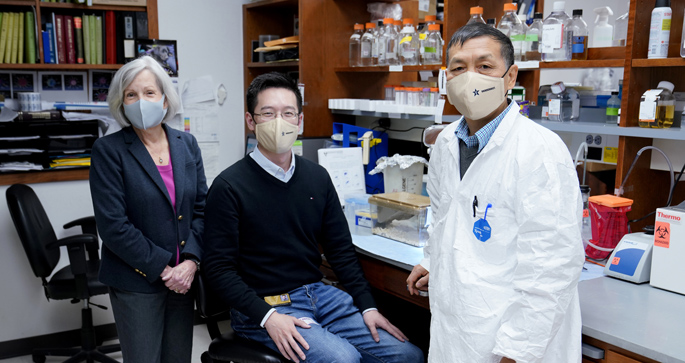
Study reveals new strategy for reducing tumor growth, metastasis
A team of Vanderbilt investigators has discovered that blocking a certain signaling pathway boosts antitumor immunity and reduces tumor growth and metastasis in models of breast cancer and melanoma. Read MoreDec 17, 2020
-
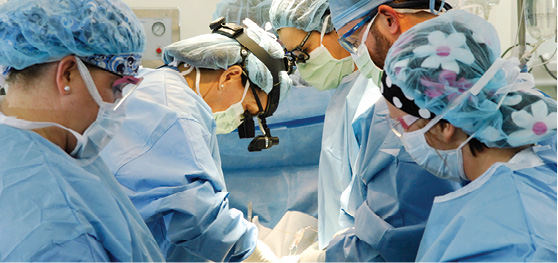
COVID-associated delays for elective services studied
This spring in the U.S., there were widespread delays in elective health care procedures and screenings. Read MoreDec 17, 2020
-
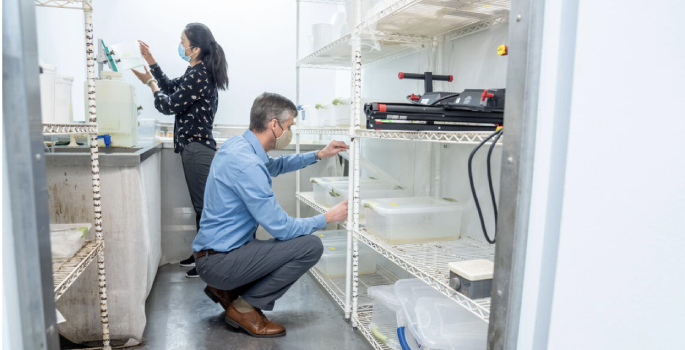
Immune and circulatory systems are functionally integrated in all insects, Vanderbilt biologists demonstrate
A new study shows that insect immune and circulatory systems cooperate to fight infection, similar to those in mammals. Read MoreDec 16, 2020
-
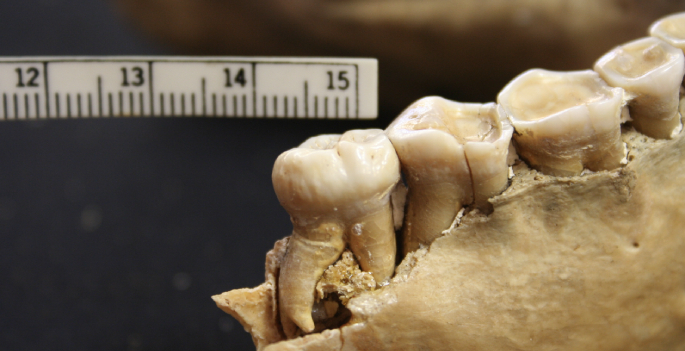
Analysis of ancient teeth reveal clues about how sociopolitical systems grow
Isotope analysis of ancient Peruvian teeth gives anthropologists a clearer image of how cooperating societies function. Read MoreDec 15, 2020
-

Computer science team wins global contest with AI model that translates English to code
IBM will use a Vanderbilt model as the end-user scripting assistant in its open-source Command Line AI Project. Read MoreDec 14, 2020
-
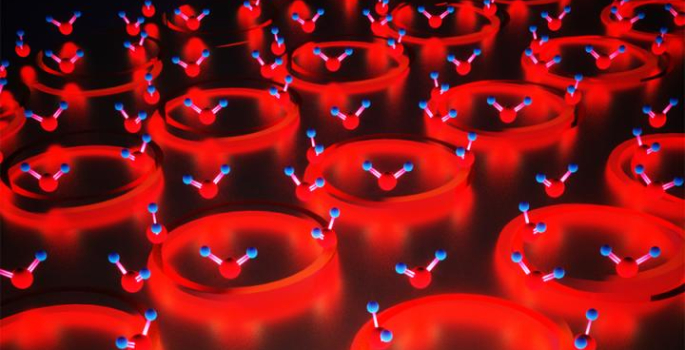
Researchers develop unique process for producing light-matter mixture
Discovery provides insight for developing next generation optoelectronic and infrared devices In groundbreaking new research, an international team that includes a Vanderbilt engineer has developed a unique process for producing a quantum state that is part light and part matter. Read MoreDec 7, 2020
-

Engineering professor Ndukaife wins award in Rising Stars of Light global competition
Justus Ndukaife, assistant professor of electrical engineering, spent 20 minutes describing his optical nanotweezers to a panel of five distinguished professors from the United States, Australia, and China during a live online competition—Rising Stars of Light—that has drawn 260,000 viewers worldwide. Read MoreNov 30, 2020
-

Hot spots identified for colorectal cancer mortality rates among young women
Women diagnosed with early-onset colorectal cancer have a greater risk of dying from the disease depending upon their county of residence, according to a study published in Clinical and Translational Gastroenterology. Read MoreNov 23, 2020
-
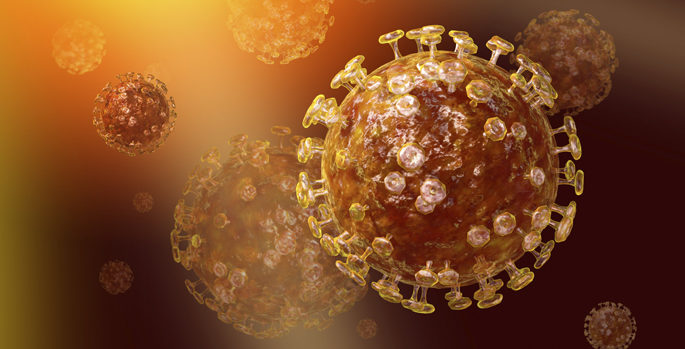
Why does COVID-19 seem to spare children? Vanderbilt University Medical Center study offers an answer
Researchers at Vanderbilt University Medical Center (VUMC) and their colleagues have determined a key factor as to why COVID-19 appears to infect and sicken adults and older people preferentially while seeming to spare younger children. Read MoreNov 18, 2020
-
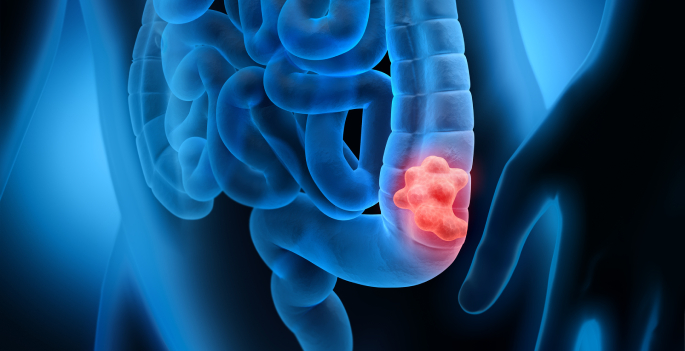
New drug for metastatic colorectal cancer enters phase 3 trial
A new therapy for metastatic colorectal cancer that has been granted fast track designation by the U.S. Food and Drug Administration is being tested in a phase 3 clinical trial at Vanderbilt-Ingram Cancer Center. Read MoreNov 18, 2020
-

Younger parents less likely to vaccinate their children and themselves against COVID-19
Younger parents were much less likely than older parents to say they planned to vaccinate their children and themselves against COVID-19. Read MoreNov 16, 2020
-
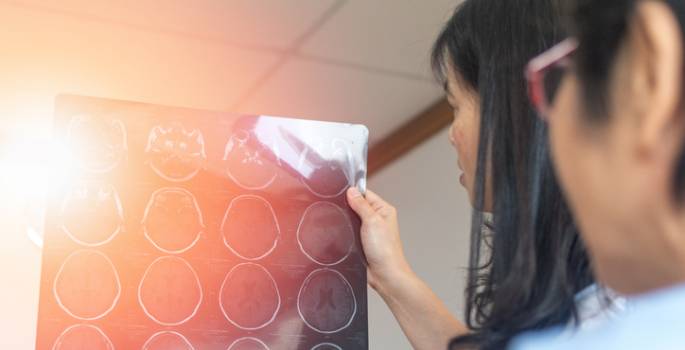
Imaging “biomarker” for Alzheimer’s disease progression
Changes in connectivity in the brain’s white matter may be a novel neuroimaging biomarker for assessing Alzheimer’s disease progression. Read MoreNov 16, 2020