Research
-

LAPOP Insights: Predicting Support for Women’s Autonomy in the Americas
Women’s autonomy is a multi-dimensional concept that includes the ability to participate in economic and familial decisions, be involved in a community, and be free from actual or threatened violence. Under this definition, protests against femicide functionally demand greater women’s autonomy. This Insights report seeks to understand key predictors of support for women’s autonomy to better understand the context in which protests for greater autonomy occur. Read MoreJul 12, 2022
-

Cynthia Reinhart-King is Senior Associate Dean for Research in School of Engineering
Cynthia Reinhart-King, Cornelius Vanderbilt Professor of Engineering and professor of biomedical engineering, has accepted the position of Senior Associate Dean for Research. Her appointment comes as Associate Dean for Research and John R. Hall Professor of Chemical Engineering Peter Cummings steps down and has announced his retirement. Reinhart-King is a cellular bioengineer who is a leader... Read MoreJul 1, 2022
-
Three engineering faculty win Vanderbilt grants to support early-stage pioneering research
Three engineering faculty members have received grants to support the early stages of pioneering research projects identified as likely candidates for further funding from federal, foundation and industry sponsors. Spring 2022 Seeding Success Grants were awarded to 14 faculty and are the second cycle of the internal early investment funding initiative. The grants, awarded to faculty spanning the... Read MoreJun 29, 2022
-
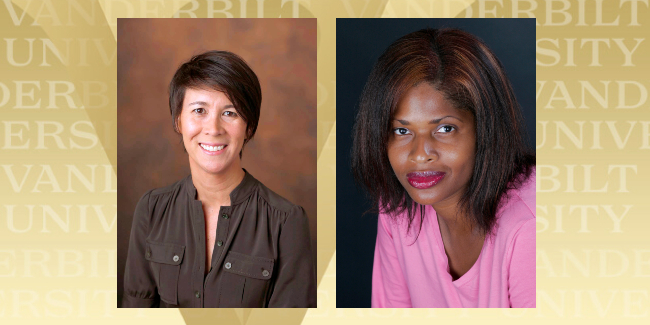
Tung, Sharpley-Whiting appointed to vice provost roles in undergraduate education, arts and libraries
Two highly respected faculty members known for their academic leadership and impactful research are taking on new roles to advance undergraduate education, scholarship and creative expression at the university. Tiffiny Tung will become vice provost for undergraduate education, and Tracy Denean Sharpley-Whiting will serve as vice provost for arts and libraries. Read MoreJun 27, 2022
-
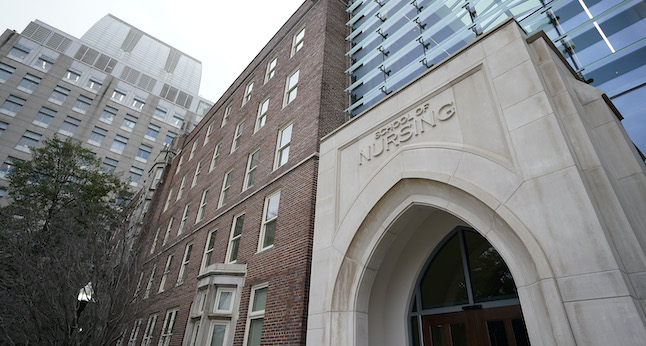
Simmons chosen to direct Psychiatric-Mental Health Nurse Practitioner program
Assistant Professor Megan Simmons has been named academic director for the Psychiatric-Mental Health Nurse Practitioner Specialty at the Vanderbilt University School of Nursing, effective August 1. Read MoreJun 15, 2022
-
Vanderbilt rocket team earns 2022 NASA Student Launch Project Award
The Vanderbilt rocket team won the coveted NASA Student Launch Project Review Award for the best documentation of the project progress through 2021-2022. The national Student Launch rocketry competition was held in April and results were announced June 3. This is Vanderbilt’s 15th year to participate in the annual NASA event and teams have won the... Read MoreJun 14, 2022
-

Study measures Alzheimer’s risk reductions associated with healthy lifestyles
Reported June 13 in Neurology, an Alzheimer’s disease risk study from Vanderbilt University Medical Center measures significantly reduced risk associated with healthy lifestyles, including non-smoking, leisure-time exercise, low-to-moderate alcohol consumption, adequate sleep and healthy diet. Read MoreJun 13, 2022
-

Filling multiple opioid prescriptions after childbirth associated with maternal death risk
In a new study led by Vanderbilt University Medical Center researchers, women who filled two or more prescriptions for opioids after childbirth faced a 46% greater risk of death than women who did not. Read MoreJun 9, 2022
-
Kidambi wins Department of Energy Early Career funding for isotope separation research
Piran Kidambi, assistant professor of chemical and biomolecular engineering, has been selected to receive funding for research as part of the U.S. Department of Energy’s Early Career Research Program. The program is designed to bolster the nation’s scientific workforce by providing support to exceptional researchers during the crucial early career period, when many scientists conduct... Read MoreJun 8, 2022
-
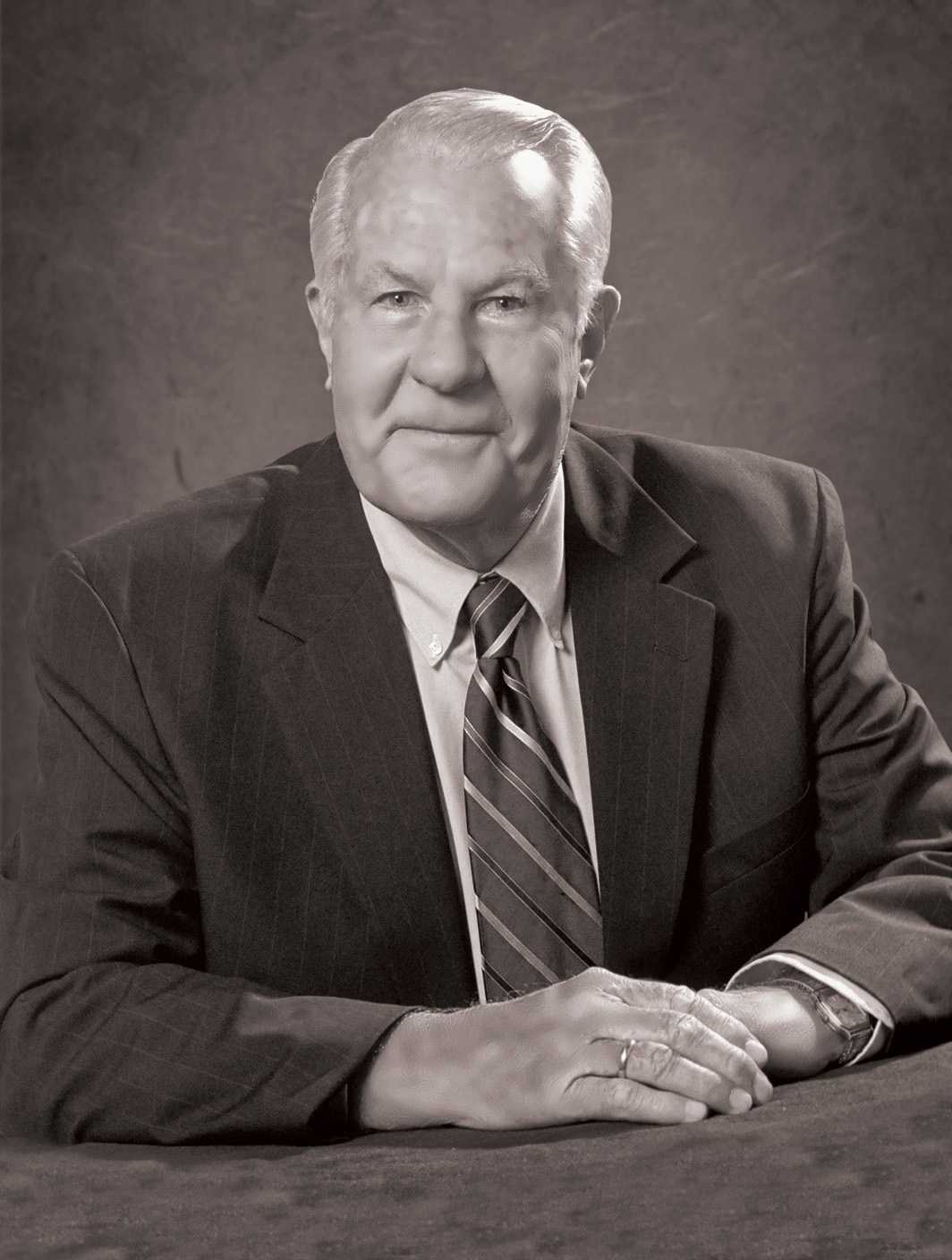
Richard Batey, BD’58, PhD’61: Sepphoris Scholar
The research of New Testament scholar Richard Batey, BD'58, PhD'61, into the ancient city of Sepphoris in Galilee broadens ideas about Jesus and gives a new perspective for understanding the Gospels. Read MoreJun 8, 2022
-
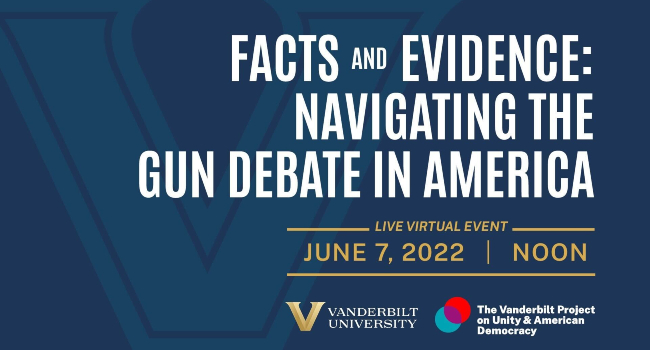
WATCH: Experts say gun violence will continue in absence of political compromise
Vanderbilt University and the Vanderbilt Project on Unity and American Democracy hosted a live virtual discussion June 7 to discuss the nation's mass shootings and the continued divisiveness about gun violence and legislation. Read MoreJun 8, 2022
-
Engineering doctoral student is Vanderbilt’s first recipient of Rabi Young Investigator Award
Vanderbilt engineering graduate student Sai Abitha Srinivas received the I.I. Rabi Young Investigator Award at the 2022 meeting of the International Society for Magnetic Resonance in Medicine, held May 7-12 in London. This award is recognition for her work to improve image quality in portable MRI systems with minimal passive shielding that could reduce the... Read MoreJun 3, 2022
-

Q&A: Vanderbilt expert discusses new research on how the brain affects the way we perceive film
The integration of cinema and science is at the foundation of Vanderbilt University professor Daniel Levin’s research. Levin teaches Film and Psychology in addition to other classes that examine how cognitive science and the arts collide. Read MoreMay 27, 2022
-
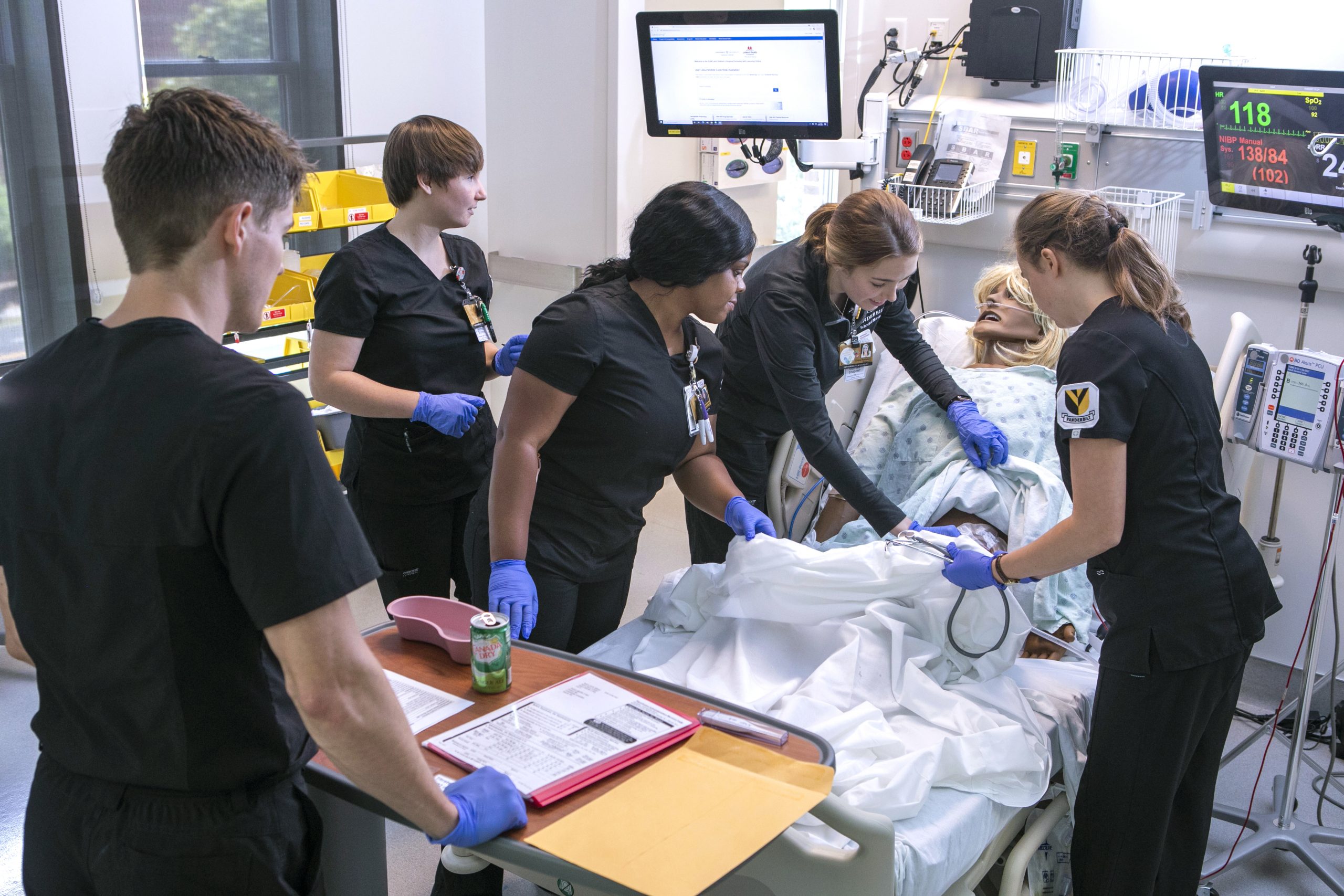
Vanderbilt University School of Nursing launches Tennessee’s first master of nursing degree
In response to nationwide deficits of registered nurses, Vanderbilt University School of Nursing is launching a four-semester Masters in Nursing program. The program is open to people with a bachelor’s degree in other fields and will begin in spring 2023. Read MoreMay 20, 2022
-
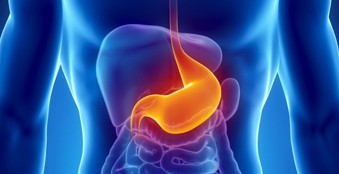
Molecular ‘switch’ may illuminate stomach disorders
An international team that included researchers from Vanderbilt University Medical Center has discovered a molecular switch that induces rapid proliferation of zymogen granule-secreting chief cells in the stomach to regenerate damaged tissue. Read MoreMay 19, 2022
-

Esteemed astrophysics professor Keivan Stassun co-authors study for NASA on increasing diversity and inclusion in space mission leadership
Keivan Stassun, Stevenson Professor of Physics and Astronomy and director of the Frist Center for Autism and Innovation, is a co-author of the study “Increasing Diversity and Inclusion in the Leadership of Competed Space Missions.” The report will be published by the National Academies of Sciences, Engineering and Medicine on May 18. Read MoreMay 18, 2022
-
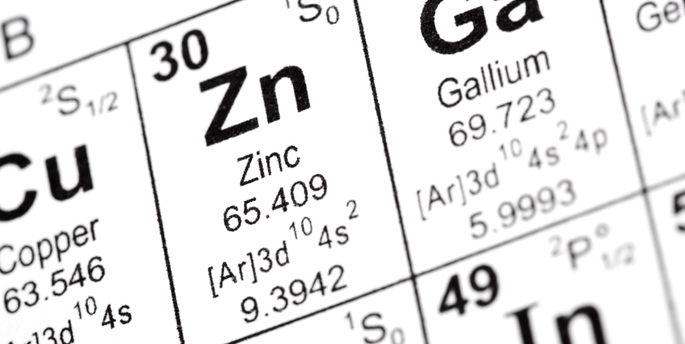
Study identifies first cellular “chaperone” for zinc, sheds light on worldwide public health problem of zinc deficiency
A team led by Vanderbilt researchers has described and characterized the first zinc metallochaperone: a protein that puts zinc into other “client” proteins. Read MoreMay 17, 2022
-
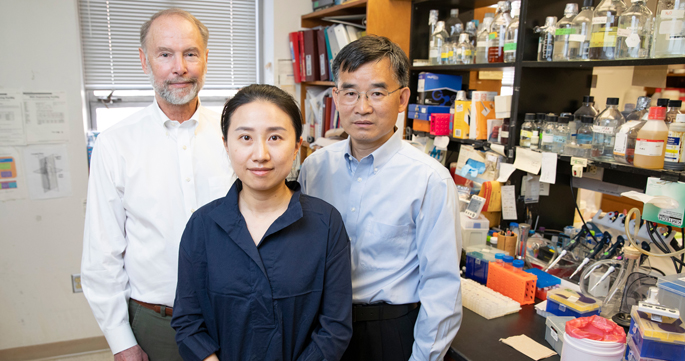
Study sheds light on the dark side of obesity
Vanderbilt research that promotes the anti-inflammatory pathway in macrophages could also reduce some of the bad side effects of obesity. Read MoreMay 12, 2022
-
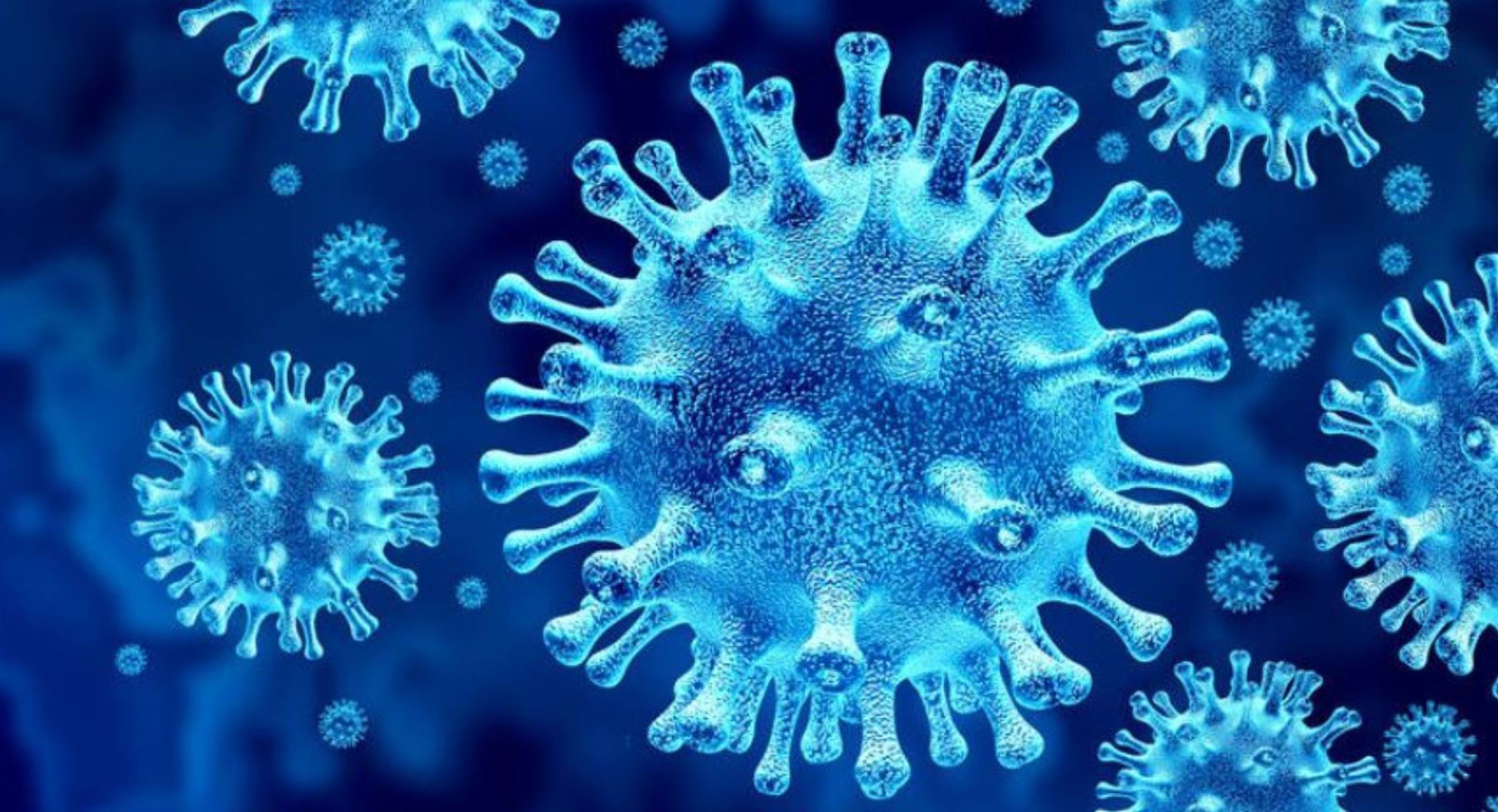
Resistance to COVID-19 drug detected in lab study
Vanderbilt research shows that the virus that causes COVID-19 can develop partial resistance to the antiviral drug remdesivir during infection of cultured cells in the laboratory by more than one mechanism. Read MoreMay 10, 2022
-
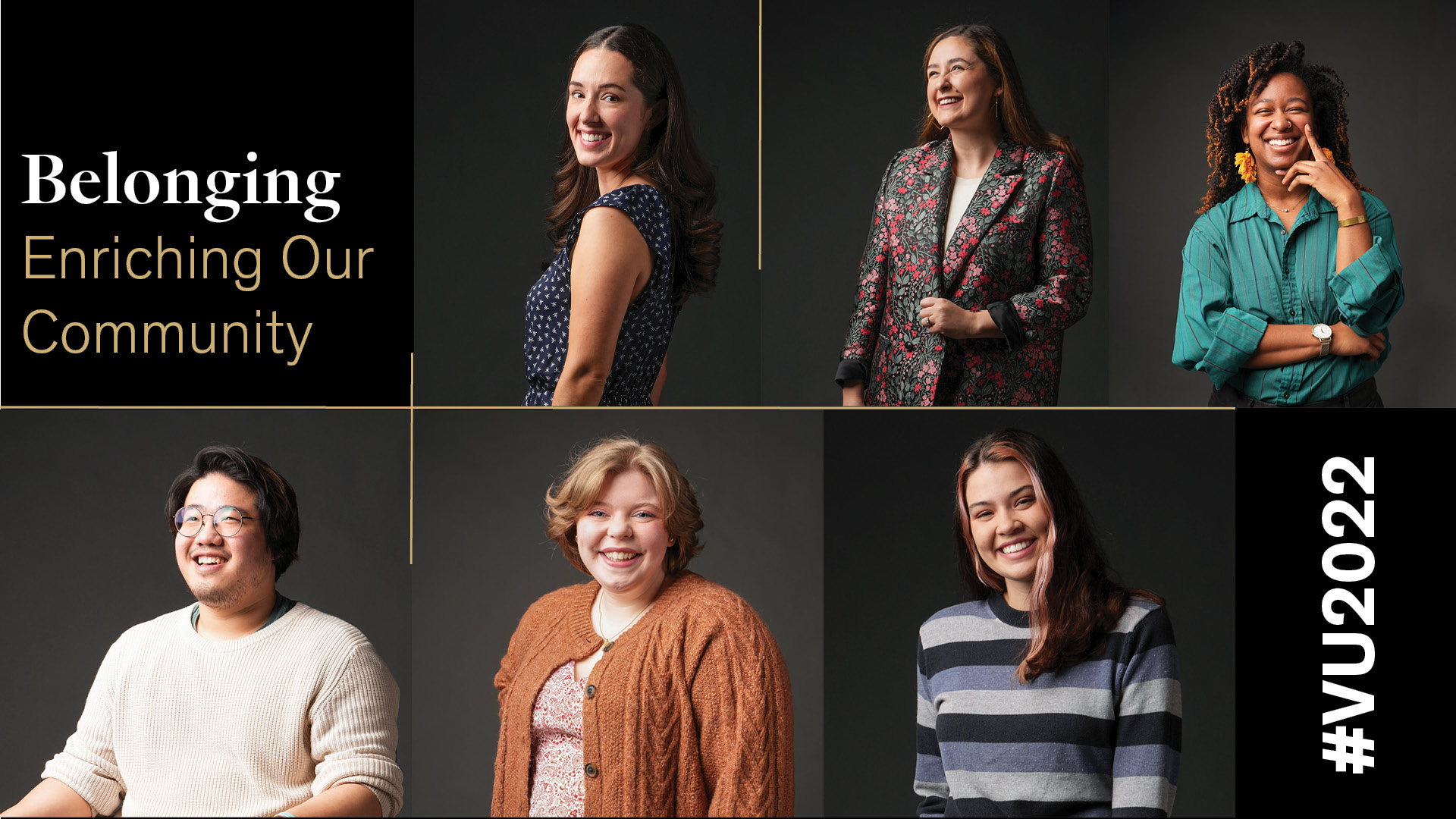
WATCH Class of 2022: Students find belonging and enrich community
Students who attend Vanderbilt belong to a special community, brought together for the purpose of making each other—and society as a whole—better. Meet members of the Class of 2022 who have cultivated belonging to strengthen, support and enrich their community. Read MoreMay 8, 2022