Research
-

VU study shows no gender gap in sports concussions
A new study conducted to review symptoms and neurocognitive findings in male and female high school soccer players revealed no gender-related differences. Read MoreOct 2, 2012
-

VUCast: Gators Give Researchers Clues
This Week on VUCast, Vanderbilt’s online newscast: What these “sensitive” alligators have in common with humans. Brainy bugs! Why ants are smarter than the average bug. And a worldwide “girl power” movement comes to Vanderbilt. Read MoreSep 28, 2012
-

Study ties early menopause to heart attack, stroke
Women who experience early menopause are more likely to have a heart attack or stroke than women whose menopause occurs at a later age, according to a new study by Melissa Wellons, M.D., assistant professor of Medicine in the Vanderbilt Division of Diabetes, Endocrinology and Metabolism. Read MoreSep 27, 2012
-

Grants help propel glaucoma, macular degeneration research
Three Vanderbilt University Medical Center faculty members have been awarded grants from the American Health Assistance Foundation to support their research on glaucoma and macular degeneration — the two leading causes of irreversible blindness in the world. Read MoreSep 27, 2012
-

Little Leaguer is a diabetes pro
Middle Tennessee’s latest celebrities are the 11-and-12-year-old Little League U.S. World Series Champions from Goodlettesville. But one young player already had quite a fan base built up at a Vanderbilt pediatric diabetes clinic, where he has been a patient most of his life. Luke Brown and his family are also… Read MoreSep 27, 2012
-

Target acquired for aggressive tumor
New therapeutic target for angiosarcoma – an aggressive, highly fatal tumor of the blood vessels – identified. Read MoreSep 27, 2012
-

Dwindling undecided voters have lost much of their power
There now is only a small and ever dwindling chance that the remaining undecided voters might influence the outcome of the presidential election, said a Vanderbilt University political scientist. Read MoreSep 26, 2012
-

Former teachers’ return to classroom feeds workforce, gender differences prevalent
New research examines what factors lead to teachers re-entering the teaching profession after exiting. Read MoreSep 26, 2012
-

Cell entry ports for cold virus
The respiratory virus HMPV uses its fusion (F) protein – which interacts with cellular receptors called integrins – to bind to and enter target cells. Read MoreSep 25, 2012
-

Sustaining, ‘scaling up’ effective practices of urban high schools focus of research
Researchers are examining what characteristics make some large, urban high schools particularly effective with low-income and minority students. Read MoreSep 24, 2012
-

Little evidence supports medical treatment options for adolescents with autism
Despite studies that show that many adolescents and young adults with autism spectrum disorders are being prescribed medications, there is almost no evidence to show whether these medications are helpful in this population. Read MoreSep 24, 2012
-

VU, Bristol-Myers to collaborate on Parkinson’s therapies
Vanderbilt University and Bristol-Myers Squibb have signed a collaboration agreement for the discovery, development and commercialization of novel therapies acting on the mGluR4 glutamate receptor, known as positive allosteric modulators, or PAMs, for the treatment of Parkinson’s disease. Read MoreSep 21, 2012
-

HER2 may impact lung cancer therapy
A protein associated with aggressive breast cancers may also influence resistance of lung cancer to targeted therapies. Read MoreSep 21, 2012
-
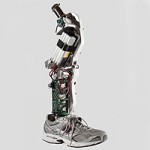
Mechanical engineering team wins Wyss-IEEE award for robotic leg prosthesis
Two mechanical engineering graduate students and their professor have received the Wyss Institute-IEEE Engineering in Medicine and Biology Society Award for Translational Research for their work on a robotic leg prosthesis, selected from submissions by biomedical engineers and scientists from academic institutions worldwide. Read MoreSep 20, 2012
-

Romney not hurt much in aftermath of ’47 percent’ clip: Vanderbilt survey
The video of Mitt Romney dismissing 47 percent of Americans as unreachable by Republicans had little effect on swing voters who will probably decide the Nov. 4 election. Read MoreSep 20, 2012
-
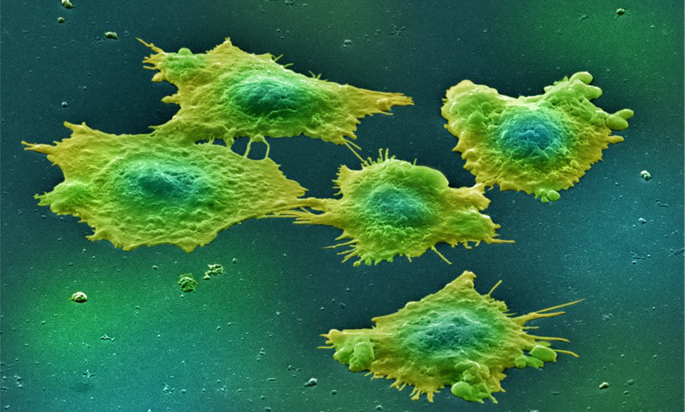
Grant renewal boosts GI cancer research program
Vanderbilt-Ingram Cancer Center’s gastrointestinal Specialized Program of Research Excellence (SPORE) has been awarded its third round of funding by the National Cancer Institute (NCI). Read MoreSep 20, 2012
-

Steps toward ending gridlock in Congress
Hope is being offered by Vanderbilt professor Marc Hetherington and a colleague that generational turnover and a few adjustments now could cause the end of gridlock in Congress in the long run. Read MoreSep 19, 2012
-

How ‘Jedi’ disposes of dead neurons
The protein Syk is essential for clearing away neuron “corpses” in the developing peripheral nervous system. Read MoreSep 19, 2012
-

New Obama attack ad fails to make impact
A new attack ad that chides Mitt Romney for refusing to release more of his tax return information is failing to spark much of a reaction. Read MoreSep 18, 2012
-

The importance of algebra, quality pre-K and addressing reading problems
Camilla Benbow, Patricia and Rodes Hart Dean of Education and Human Development, continues to share her expertise with in the midstate and highlight Peabody research in her bimonthly Tennessean column. See what she has to say about why algebra matters, how quality pre-K benefits… Read MoreSep 18, 2012