Research
-
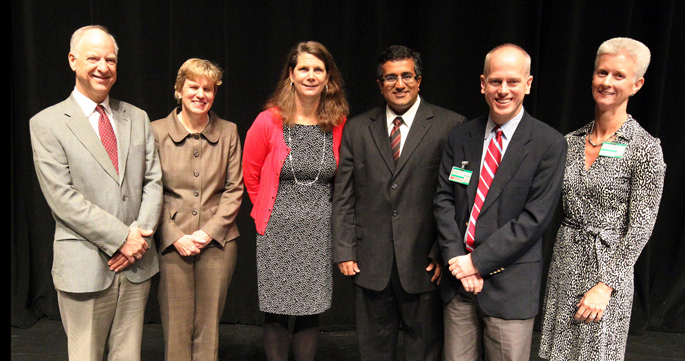
Clinical and translational research highlighted at retreat
Kathleen Neuzil, M.D., MPH, known internationally for her efforts to expand vaccine access and delivery around the world, credited her Vanderbilt University mentors last week for guiding her to a career path that allowed her to “make a difference.” Read MoreOct 10, 2013
-
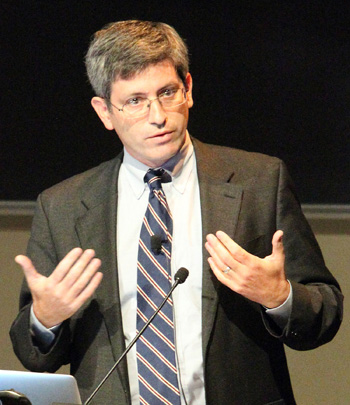
Discovery Lecturer makes case for stronger science
The occasional failings of science tend to draw big headlines — findings that can’t be replicated or increasing numbers of papers that are retracted because studies were improperly or even fraudulently conducted. Read MoreOct 10, 2013
-
Student’s neurosurgical fellowship spurs research
Travis Ladner, a third-year student at the Vanderbilt University School of Medicine, has been selected for a 2013 Congress of Neurological Surgeons (CNS) student fellowship award. The award is presented to a medical student every year from a national pool of applicants. Read MoreOct 10, 2013
-

Grant bolsters study of nursing workforce’s future
Vanderbilt University’s Center for Interdisciplinary Health Workforce Studies has been awarded $2.2 million from the Gordon and Betty Moore Foundation to address nursing workforce issues that may impede future health care. Read MoreOct 10, 2013
-
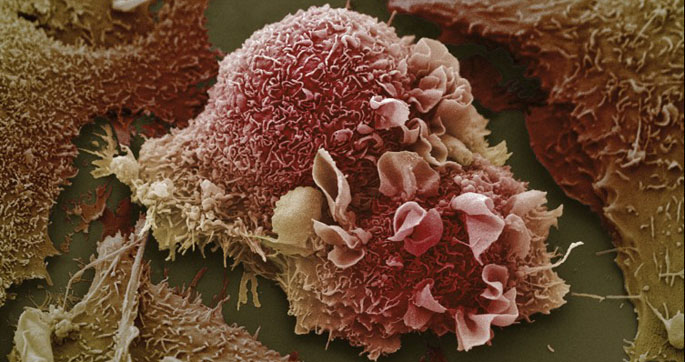
Probing mutant EGF receptor regulation
Understanding the regulation of mutant EGF receptors commonly found in lung cancers could lead to new targeted therapies. Read MoreOct 10, 2013
-

Colonoscopy improvement leads to venture with NSF support
Byron Smith was eager to increase the number of people who get screened for colorectal cancer each year. His dedication has led to a new venture – EndoInSight – and a National Science Foundation Innovation Corps Program grant to commercialize a tool for an almost painless colonoscopy. Read MoreOct 9, 2013
-

Vanderbilt wins top prize in second hurdle of Spectrum Challenge
After two days of live competition, a team of engineers from Vanderbilt’s Institute for Software Integrated Systems emerged as a top winner for their prototype software-defined radio that can communicate in adverse spectrum environments, and earned a $25,000 prize. Read MoreOct 9, 2013
-

Live Science: Conservatives and liberals equally smug, study finds
New research by postdoctoral fellow Kaitlin Toner suggests liberals and conservatives are about equally convinced of the correctness of their views, but extremists are more likely than moderates to feel their views are superior. Read MoreOct 9, 2013
-

2013 ‘First to the Top’ survey findings on teacher evaluations released by Tennessee Consortium
Teachers and their observers viewed Tennessee’s teacher evaluation process more positively in 2013 than in 2012, according to a broad-based independent survey by the Tennessee Consortium on Research, Evaluation and Development at Vanderbilt’s Peabody College of education and human development. Read MoreOct 9, 2013
-
Long-term brain impairment too common after critical illness
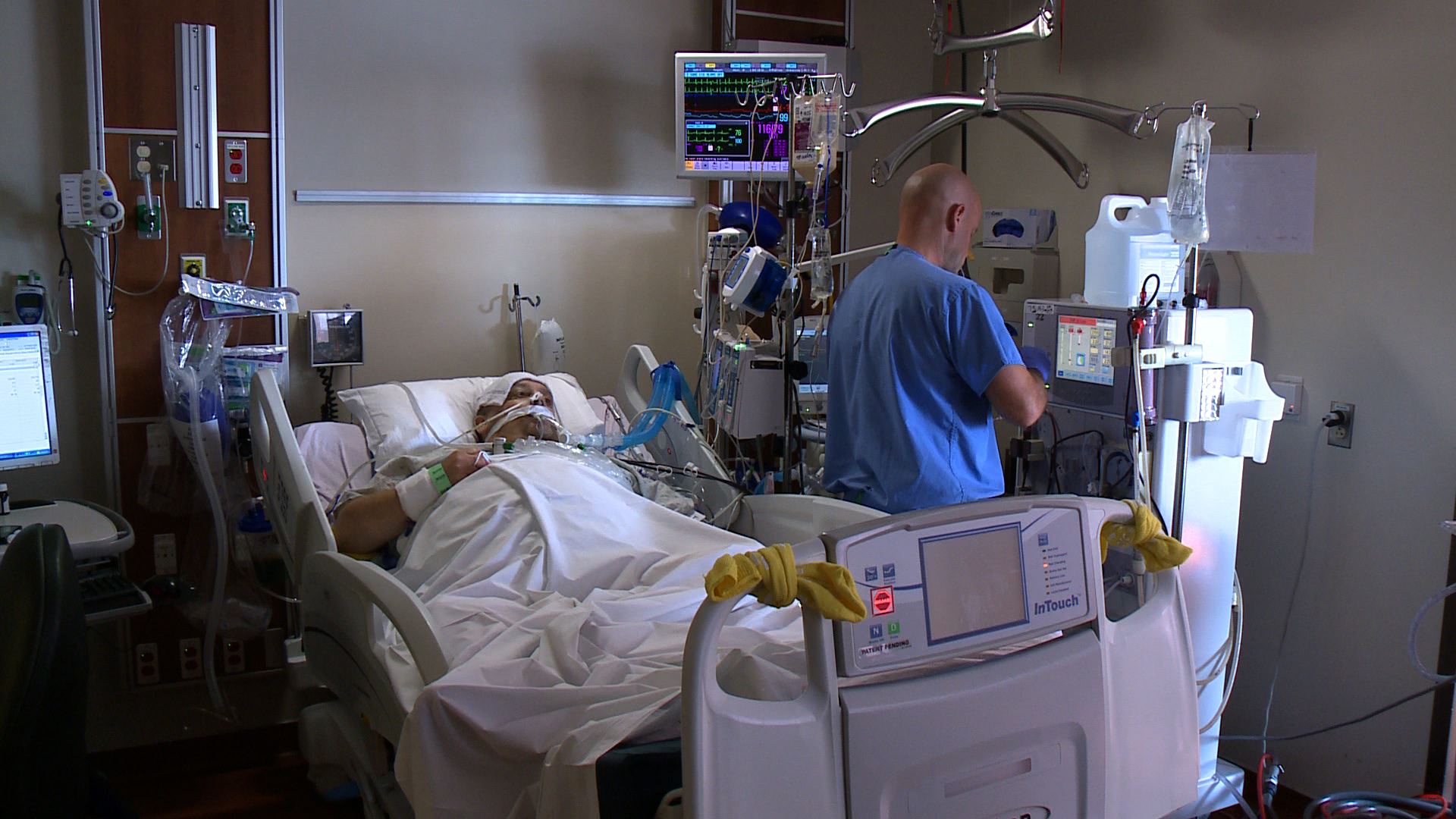
A recent Vanderbilt study shows a significant number of patients are entering I.C.U.’s throughout the world with no evidence of cognitive — brain related issues, but are leaving with symptoms associated with mild Alzheimer’s or Traumatic Brain Injury. Barb Cramer has more. Read MoreOct 8, 2013
-

Student ownership and responsibility keys to academic success
(iStock) Why are some high schools better than others at boosting achievement among traditionally underserved students? A new report from the National Center on Scaling Up Effective Schoolsfinds that student ownership and responsibility for academic success were key factors. Marisa Cannata (Vanderbilt) “The idea is to… Read MoreOct 7, 2013
-
Pioneers of Discovery: Computer science drives Capra’s biomedical research
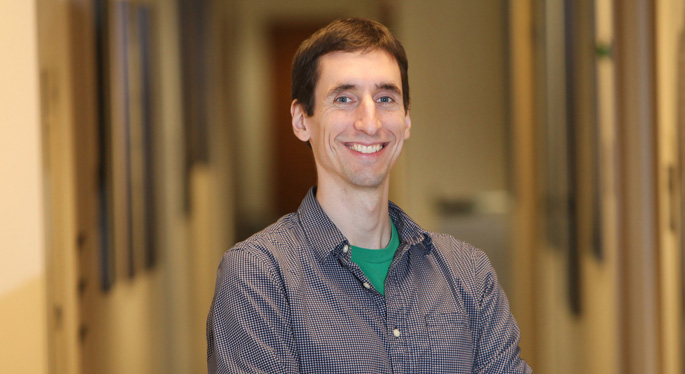
Tony Capra, Ph.D., is a new assistant professor of Biomedical Informatics and investigator in the Center for Human Genetics Research at Vanderbilt. His goal is to use the tools of computer science to address problems in genetics, evolution and biomedicine. Read MoreOct 3, 2013
-
Study finds cognitive deficits common after critical illness
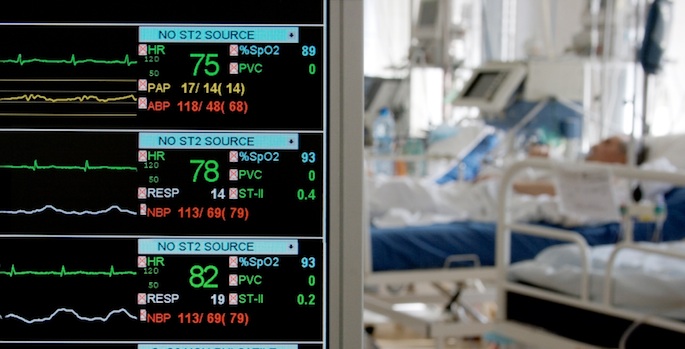
Patients treated in intensive care units across the globe enter their medical care with no evidence of cognitive impairment but often leave with deficits similar to those seen in patients with traumatic brain injury (TBI) or mild Alzheimer’s disease (AD) that persist for at least a year, according to a Vanderbilt University Medical Center study published today in the New England Journal of Medicine. Read MoreOct 3, 2013
-
Framingham Heart Study’s landmark impact examined
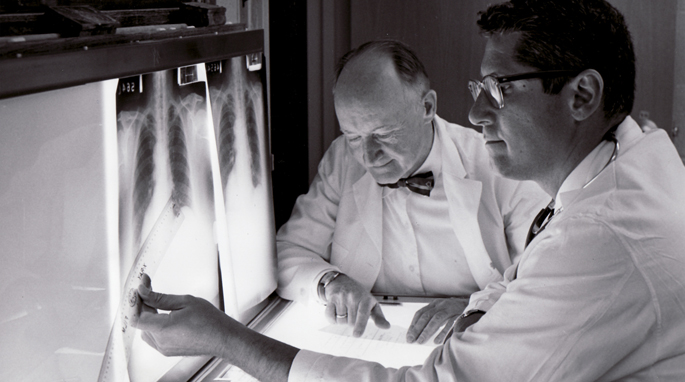
While the Framingham Heart Study is often referenced throughout the halls of academia, few know its origin or can fully appreciate the contribution it has made to the understanding and prevention of cardiovascular disease. Read MoreOct 3, 2013
-
Students receive national award to help commercialize wound-healing foam
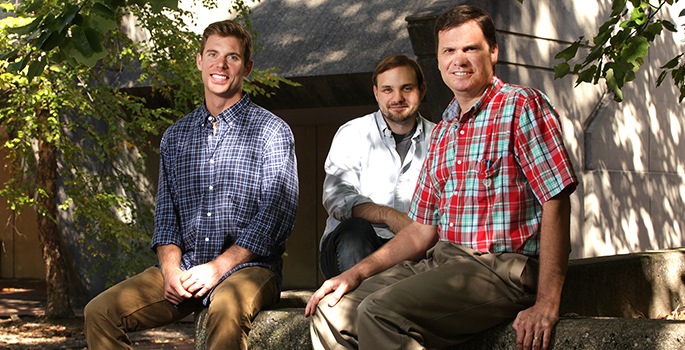
A pair of Vanderbilt graduate students has received a national award of $15,000 to pursue the development of an unique synthetic foam as a new treatment for deep skin wounds such as chronic foot ulcers caused by diabetes. Read MoreOct 2, 2013
-

CEE senior continues award-winning research in graduate school
Two months before graduating with a degree in civil engineering Mason Hickman earned two awards at the 2013 Southeastern Section Conference of the American Society for Engineering Education for his research on portable structures capable of withstanding blasts from explosives. Read MoreOct 2, 2013
-

NSF grant helps develop next generation of STEM instructors
A national experiment to develop a new generation of college science and engineering faculty, one equipped to excel in the classroom as well as the lab, is about to shift into high gear. The Center for the Integration of Research, Teaching and Learning, of which Vanderbilt University is a member, has received a three-year, $5 million grant from the National Science Foundation. CIRTL is partnering with Vanderbilt’s Center for Teaching to offer The Blended and Online Learning Design Fellows program. Read MoreOct 2, 2013
-

Expert: Why Washington won’t work
Policymakers in Washington, D.C., increasingly are earning the distrust of the American people, and the current impasse that led to a government shutdown is no exception, according to Marc Hetherington, a political science professor and author of two books on trust and polarization in American government. Read MoreOct 2, 2013
-
Early cell death in MS
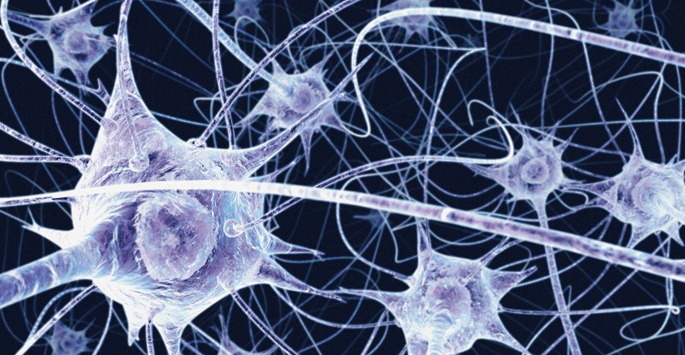
Death of oligodendrocytes, the cells that make myelin, appears to be an early event in the development of multiple sclerosis. Read MoreOct 2, 2013
-

Attracting effective teachers may require new strategic initiatives
Large urban school districts may need to adopt new strategies to draw prospective teachers to the most disadvantaged and geographically isolated schools, according to research from Vanderbilt University to be published in an upcoming issue of the American Education Research Journal. Read MoreOct 1, 2013