Research
-

Measuring drought impact in more than dollars and cents
A pair of Vanderbilt doctoral students has assembled a multi-disciplinary team of graduate students from around the country to conduct a multi-faceted study of how people are affected by and responding to drought conditions in the United States. Read MoreApr 13, 2016
-

Report highlights global need for surgical services
An estimated 5 billion people — two-thirds of the world’s population — do not have access to surgery because of a lack of facilities, money and trained surgeons and anesthesiologists. Read MoreApr 8, 2016
-

Vanderbilt education faculty featured at AERA annual meeting
The latest research will be presented by faculty from Vanderbilt’s Peabody College at the American Educational Research Association’s annual meeting. Read MoreApr 7, 2016
-

Potent HIV antibodies suggest new vaccine development approach
It’s been known for some time that the immune system can produce antibodies capable of “neutralizing” HIV, and stopping the AIDS-causing virus dead in its tracks. Read MoreApr 7, 2016
-

Diabetes management and low income
Adherence to medication was the only self-care activity independently associated with glycemic control in a low-income population. Read MoreApr 6, 2016
-

Instructional preference may boost children’s learning
When it comes to teaching toddlers, there’s no such thing as one size fits all. Read MoreApr 6, 2016
-

Immune defenses in asthma
Vanderbilt researchers show that a certain factor negatively impacts the first-line responder cells in the lungs, providing one explanation for why patients with asthma are at greater risk for invasive bacterial disease. Read MoreApr 5, 2016
-

Senior Design team uses lasers to cut waste in credit card production
Vanderbilt seniors have designed a new method that improves the accuracy of magnetic strip placement during the manufacture of payment cards. Read MoreApr 4, 2016
-
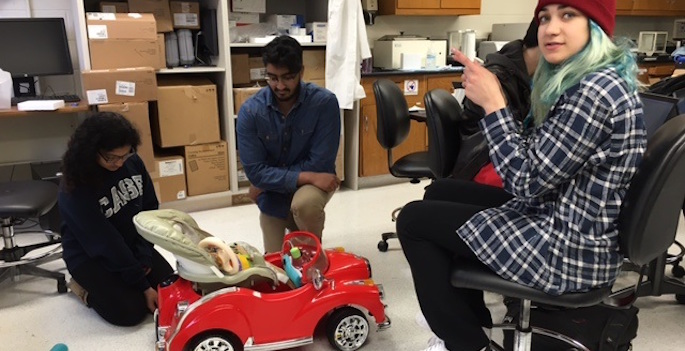
Biomedical engineering undergrads retrofit toy car for toddler’s special needs
Undergraduates taking Amanda Lowery’s Material Manipulations course have redesigned a toy car so a two-year-old with cerebral palsy can drive it. Read MoreApr 4, 2016
-

VUMC and Celgene Corporation enter into research agreement to accelerate development of next-generation therapeutics
Vanderbilt University Medical Center has entered into a strategic research agreement with Celgene Corporation, a biopharmaceutical company based in Summit, New Jersey. Read MoreApr 4, 2016
-

Brazilian government losing respect of citizens quickly: LAPOP
Public opinion date gathered by Vanderbilt University's Latin American Public Opinion Project shows that the people of Brazil have lost confidence in their political institutions. Read MoreApr 1, 2016
-
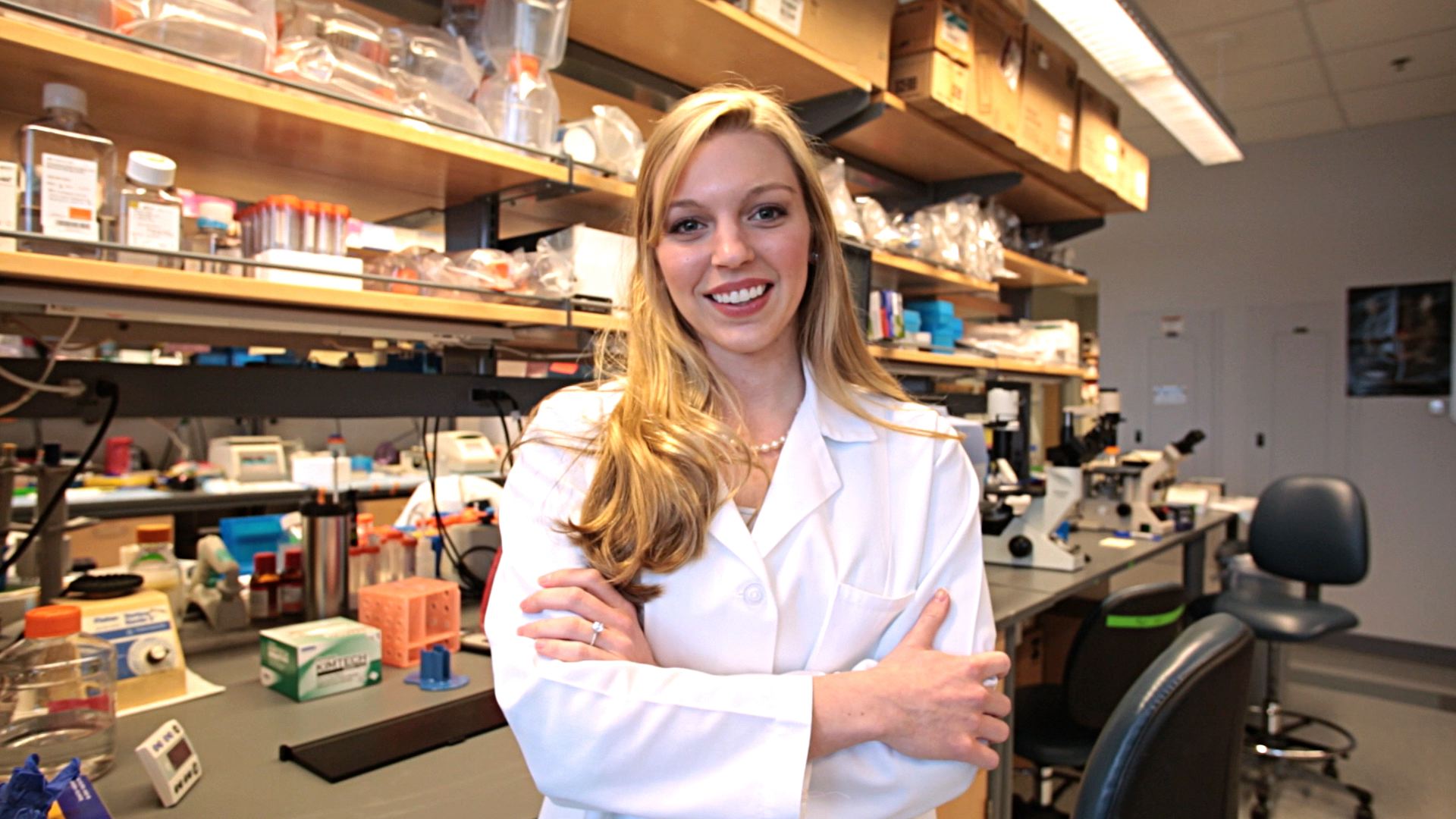
Ariel Helms: Searching for a diabetes discovery
For Vanderbilt senior Ariel Helms from Oklahoma, twists and turns in her past, including a long-kept family secret, led to her passion for discovery in a Vanderbilt lab. Read MoreApr 1, 2016
-
New role identified for p73 gene
The p73 gene is required for the generation of cilia – hair-like projections on cells – findings that could have implications for the study of lung diseases and sterility. Read MoreApr 1, 2016
-

Study looks at doctors’ response to genetic testing
A new clinical implementation study from Vanderbilt University Medical Center measures how physicians have responded to the introduction of routine genetic testing to predict patient response to the commonly prescribed antiplatelet drug clopidogrel. Read MoreMar 31, 2016
-

Cancer prevention and poverty
A new epidemiological study supports smoking cessation and avoidance of sedentary lifestyle as cancer prevention measures. Read MoreMar 31, 2016
-

Argentine public still wary of United States: LAPOP
A survey released while President Obama visited Argentina showed that the public there still mistrusts the U.S. government. Read MoreMar 23, 2016
-

Readmission prediction face-off
Using patients’ health records to assess preparedness for hospital discharge is more effective at predicting readmission or death than commonly used questionnaires. Read MoreMar 23, 2016
-

New treatment for Crohn’s disease
A new biological therapy, ustekinumab, improves markers of disease activity in patients with severe Crohn’s disease. Read MoreMar 22, 2016
-

Putting schizophrenia to bed
A new compound developed at Vanderbilt treats multiple symptoms of schizophrenia in an animal model, without causing sedation. Read MoreMar 21, 2016
-

ROCKs and cancer invasion
The rigidity of the microenvironment around cancer cells drives invasive behavior through distinct ROCK signaling pathways, which could guide the development of specific anti-invasive therapies. Read MoreMar 17, 2016