Research
-
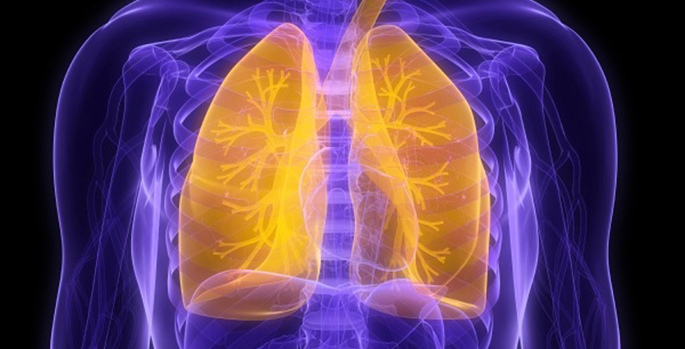
Study tracks therapy to slow idiopathic pulmonary fibrosis
Investigators in the Division of Allergy, Pulmonary and Critical Care have launched a pilot study to see if patients with idiopathic pulmonary fibrosis (IPF) can tolerate the addition of a commonly used antiviral drug to standard IPF treatments. The research team believes the drug may ultimately help slow progression of the chronic and progressive disease or reverse its course. Read MoreFeb 1, 2018
-

Cell skeleton and the brush border
Vanderbilt researchers have discovered a role for microtubules — part of the cellular “skeleton” — in organizing the unique sidedness of the epithelial cells that line organs like the intestines. Read MoreJan 31, 2018
-

Imaging features predict tumor grade
Vanderbilt researchers have discovered imaging features associated with increased risk for aggressive meningiomas (tumors of the brain membranes) that could help guide surgical planning and patient counseling. Read MoreJan 29, 2018
-
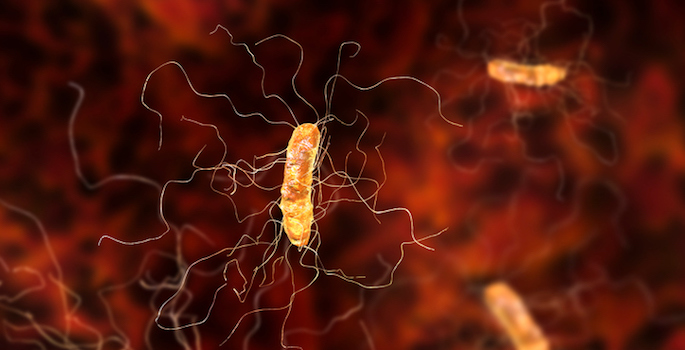
Versatile C. difficile blocker
New research reveals a unique mechanism of C. difficile toxin neutralization by a monoclonal antibody, suggesting new therapeutic approaches. Read MoreJan 26, 2018
-

A cataract-heart connection
Studies of alpha-B crystallin in zebrafish could ultimately lead to improved treatment for cataracts and heart disease. Read MoreJan 25, 2018
-

Climate change concerns much higher in Latin America, Caribbean than U.S., Canada
Twice as many adults in Latin America and the Caribbean--more than 80 percent--believe unchecked climate change poses a serious risk to their countries. Only 40 percent of Americans feel the same way. Read MoreJan 25, 2018
-
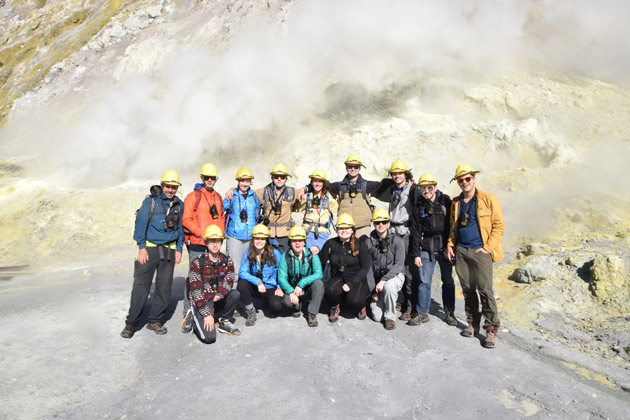
VU Inside: Students dig into super-massive volcanic eruptions
A dozen Vanderbilt students went on a monthlong science adventure of a lifetime, studying super-eruptions, glaciers and earthquakes in New Zealand. Read MoreJan 25, 2018
-

Study tracks sodium-potassium pathway
A six-member group of biomedical scientists from Europe and the United States, including Eric Delpire, PhD, MS, professor of Anesthesiology, has been awarded a $6 million grant to study the role of dietary potassium in hypertension. Read MoreJan 25, 2018
-
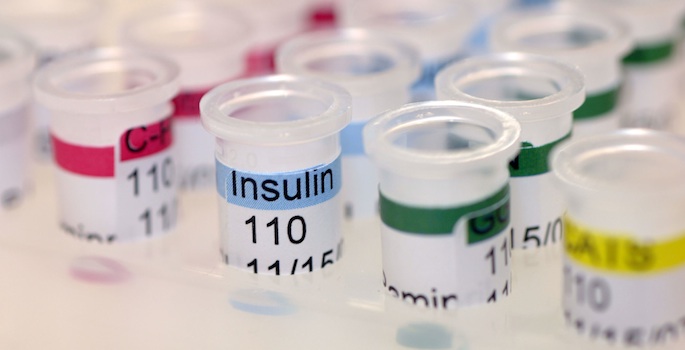
Study may point to new ways to reverse insulin resistance
Researchers at Vanderbilt University have discovered how insulin crosses the capillary endothelium to exit blood vessels and stimulate skeletal muscle cells — a major finding that may lead to new ways to reverse insulin resistance, a hallmark of type 2 diabetes. Read MoreJan 25, 2018
-

Rising obesity rates in South leading to rapid increase in diabetes
Rising obesity rates in several Southern states are leading to a rapid increase in new cases of diabetes among both black and white adults. A new study helmed by investigators at the University of Texas Health Science Center and Vanderbilt University Medical Center (VUMC) found the risk of diabetes is double for black patients. Read MoreJan 18, 2018
-

Study finds higher death rates in poor neighborhoods
Living in an economically disadvantaged neighborhood is likely to lead to death at an earlier age, especially among African-Americans, new research shows. The death rate is even more pronounced among disadvantaged individuals with unhealthy lifestyle habits. Read MoreJan 18, 2018
-

Investigators eye new target for treating movement disorders
Blocking a nerve-cell receptor in part of the brain that coordinates movement could improve the treatment of Parkinson’s disease, dyskinesia and other movement disorders, researchers at Vanderbilt University have reported. Read MoreJan 18, 2018
-
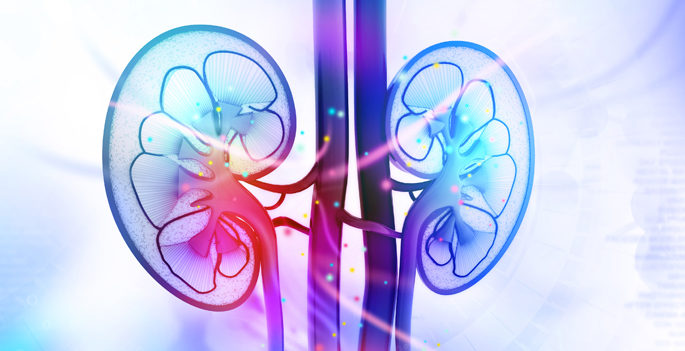
HDL and kidney injury after surgery
Higher concentrations of high-density lipoproteins — HDL, the “good” cholesterol — may be protective against acute kidney injury after cardiac surgery, Vanderbilt researchers have discovered. Read MoreJan 17, 2018
-
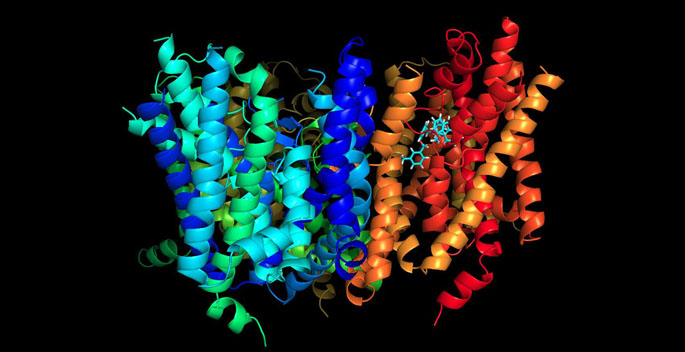
VUMC researchers find a way to ‘starve’ cancer
Researchers at Vanderbilt University Medical Center (VUMC) have demonstrated for the first time that it is possible to starve a tumor and stop its growth with a newly discovered small compound that blocks uptake of the vital nutrient glutamine. Read MoreJan 16, 2018
-

A spicy finding
Vanderbilt researchers have discovered that curcumin — the active ingredient in the spice turmeric — needs to be metabolically activated to exert anti-inflammatory effects. Read MoreJan 16, 2018
-

Vanderbilt leads study investigating impact of theatre on youth with autism
Autism researchers at Vanderbilt University Medical Center and two other universities have received a $2.99 million grant from the National Institute of Mental Health (NIMH) to conduct a four-year multisite project investigating the impact of theatre and peer mediation on the social competence of youth with autism spectrum… Read MoreJan 15, 2018
-
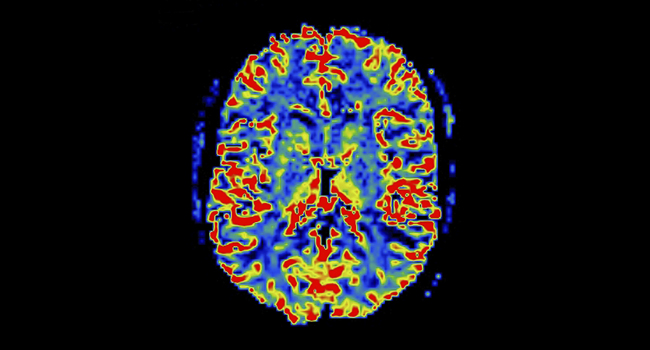
BOLD view of white matter
Vanderbilt investigators have discovered that functional MRI detects neural activity in both gray and white matter in the brain, suggesting new ways to investigate diseases such as Alzheimer’s and multiple sclerosis. Read MoreJan 12, 2018
-

Lighting up iron levels
A new probe enables iron imaging in living animals, providing a unique tool for studying iron’s contributions to health and disease. Read MoreJan 11, 2018
-
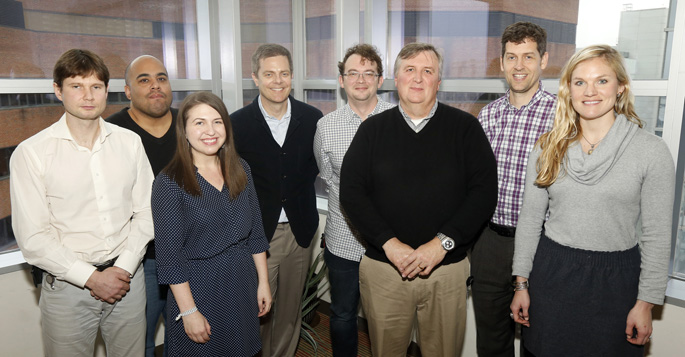
VUMC joins national effort to block global pandemics of potentially lethal viruses
The U.S. Defense Advanced Research Projects Agency (DARPA) has signed a five-year cooperative agreement worth up to $28 million with Vanderbilt University Medical Center (VUMC) to develop methods for preventing the global spread of viruses like chikungunya and Zika. Read MoreJan 11, 2018
-

Ruling on occupational licensing boards could open floodgates to lawsuits
Rebecca Haw Allensworth, professor of law at Vanderbilt, has authored a comprehensive study of occupational licensing boards, which hold jurisdiction over about a third of the nation's jobs. Read MoreJan 9, 2018