Life, Earth And Space
-

CSI: Milky Way
Two astronomers from Vanderbilt and Georgia Tech, sharing a car after a snowstorm canceled their flights home from a conference, put together everything they had learned at the conference during that snowy drive and worked out that a collision between two black holes could explain most of what is known of a violent episode in the Milky Way's past. Read MoreMar 6, 2013
-

Your Universe Today podcast: Supermassive Black Holes (Part 3)
Kelly Holley-Bockelmann, assistant professor of astronomy and physics, wraps up this three-part podcast series with an interview about her specialty, supermassive black holes. Read MoreFeb 27, 2013
-

Circadian clock linked to obesity, diabetes and heart attacks
Disruption in the body’s circadian rhythm can lead not only to obesity, but can also increase the risk of diabetes and heart disease. That is the conclusion of the first study to show definitively that insulin activity is controlled by the body’s circadian biological clock. Read MoreFeb 21, 2013
-
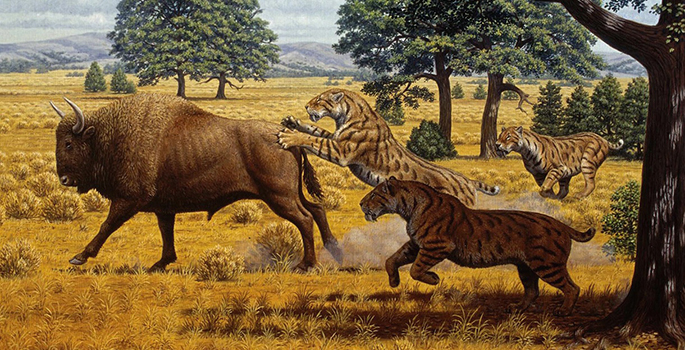
Academic Minute: Larisa DeSantis on “Megafauna diets and extinction”
In today’s Academic Minute, Dr. Larisa DeSantis of Vanderbilt University reveals what North America’s largest predators were eating just before they died out. Read MoreFeb 18, 2013
-

‘Snooze button’ on biological clocks improves cell adaptability
(iStock) The circadian clocks that control and influence dozens of basic biological processes have an unexpected “snooze button” that helps cells adapt to changes in their environment. A study by Vanderbilt University researchers published online Feb. 17 by the journal Nature provides compelling new evidence that at least some species… Read MoreFeb 17, 2013
-
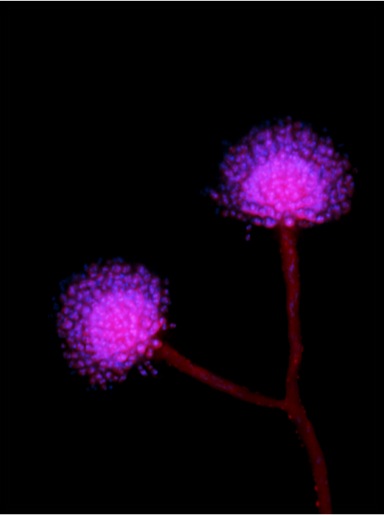
What beer, dogs, cats and soy sauce have in common: The movie
A new video report of research by Antonis Rokas and John Gibbons describes how humans domesticated microbes like yeast just as we domesticated cats and dogs. Read MoreFeb 5, 2013
-
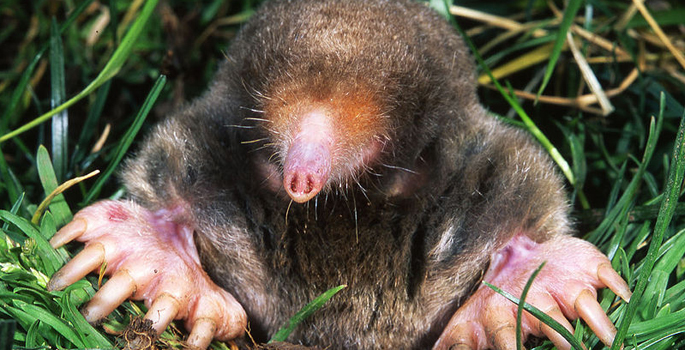
Evidence moles can smell in stereo
Neuroscientist Kenneth Catania has resolved a long-standing scientific debate by showing that the common mole can smell in stereo. Read MoreFeb 5, 2013
-
Your Universe Today podcast: How stars die and black holes form (Part 2)
Kelly Holley-Bockelmann, assistant professor of astronomy, continues her discussion of black holes in the second part of this interview for Red Orbit. Read MoreJan 28, 2013
-
Your Universe Today podcast: How stars die and black holes form (Part 1)
Kelly Holley-Bockelmann, assistant professor of astronomy, talks about what sets black holes apart from other objects in the universe and explains how the laws of space, time and gravity bend and even break down to create the most destructive force in the cosmos. Read MoreJan 24, 2013
-
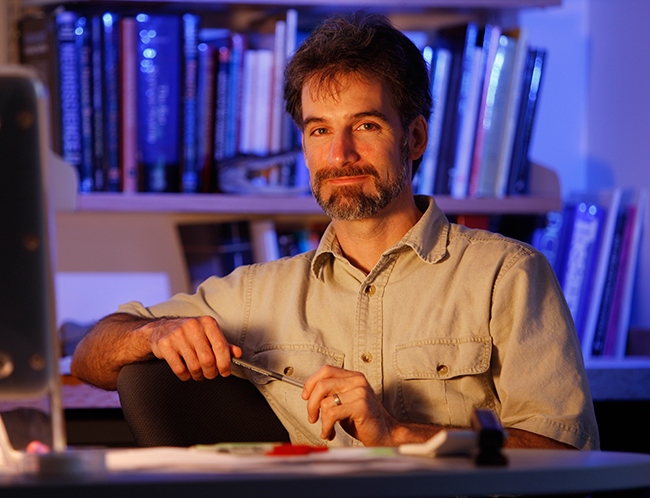
Vanderbilt neuroscientist honored by National Academy of Sciences
Kenneth Catania, Stevenson Professor of Biological Sciences at Vanderbilt University, is one of 18 scientists who have been honored by the National Academy of Sciences for their outstanding scientific achievements in a wide range of fields spanning the physical, biological and social sciences. Read MoreJan 17, 2013
-
Evidence shows starvation did not cause saber-tooth cat extinction
The latest study of the microscopic wear patterns on the teeth of the American lions and saber-toothed cats that roamed North America in the late Pleistocene found that they were living well off the fat of the land in the period just before they went extinct. Read MoreDec 26, 2012
-
The Leipzig Connection
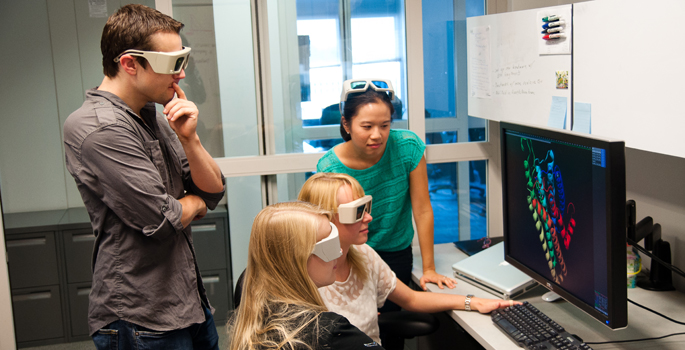
In the last five years a grassroots faculty collaboration with the University of Leipzig has flowered, making the historic German university one of Vanderbilt's half dozen strategic international partners. Read MoreDec 14, 2012
-

Chancellor Zeppos: Irresponsible cuts to research will curtail innovation
"Our scientists and engineers are making discoveries today that will lead to unimaginable technological breakthroughs tomorrow in medicine, energy and technology. Without long-term sustained federal investments in science and engineering research, these discoveries simply will not be made," write Chancellor Zeppos and University of Tennessee president Joseph Di Pietro in The Tennessean. Read MoreDec 6, 2012
-
Mosquitoes as involuntary bioterrorists
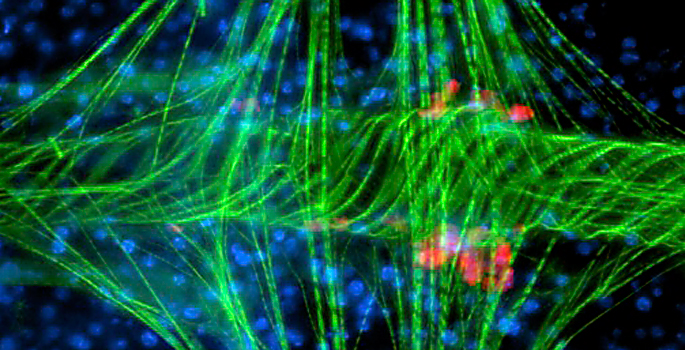
Vanderbilt biologists have discovered that mosquitoes possess a previously unknown mechanism for destroying pathogens which takes advantage of the peculiarities of the insect’s circulatory system to increase its effectiveness. Read MoreNov 29, 2012
-
Despite their thick skins, alligators and crocodiles are surprisingly touchy
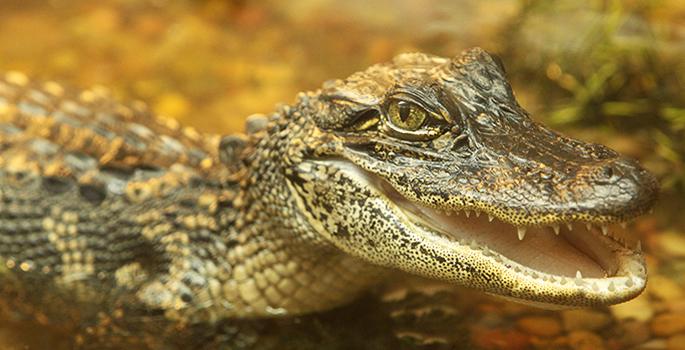
Researchers have discovered that alligators and crocodiles possess one of the most acute senses of touch in the animal kingdom. Read MoreNov 8, 2012
-
VUCast: Gators Give Researchers Clues
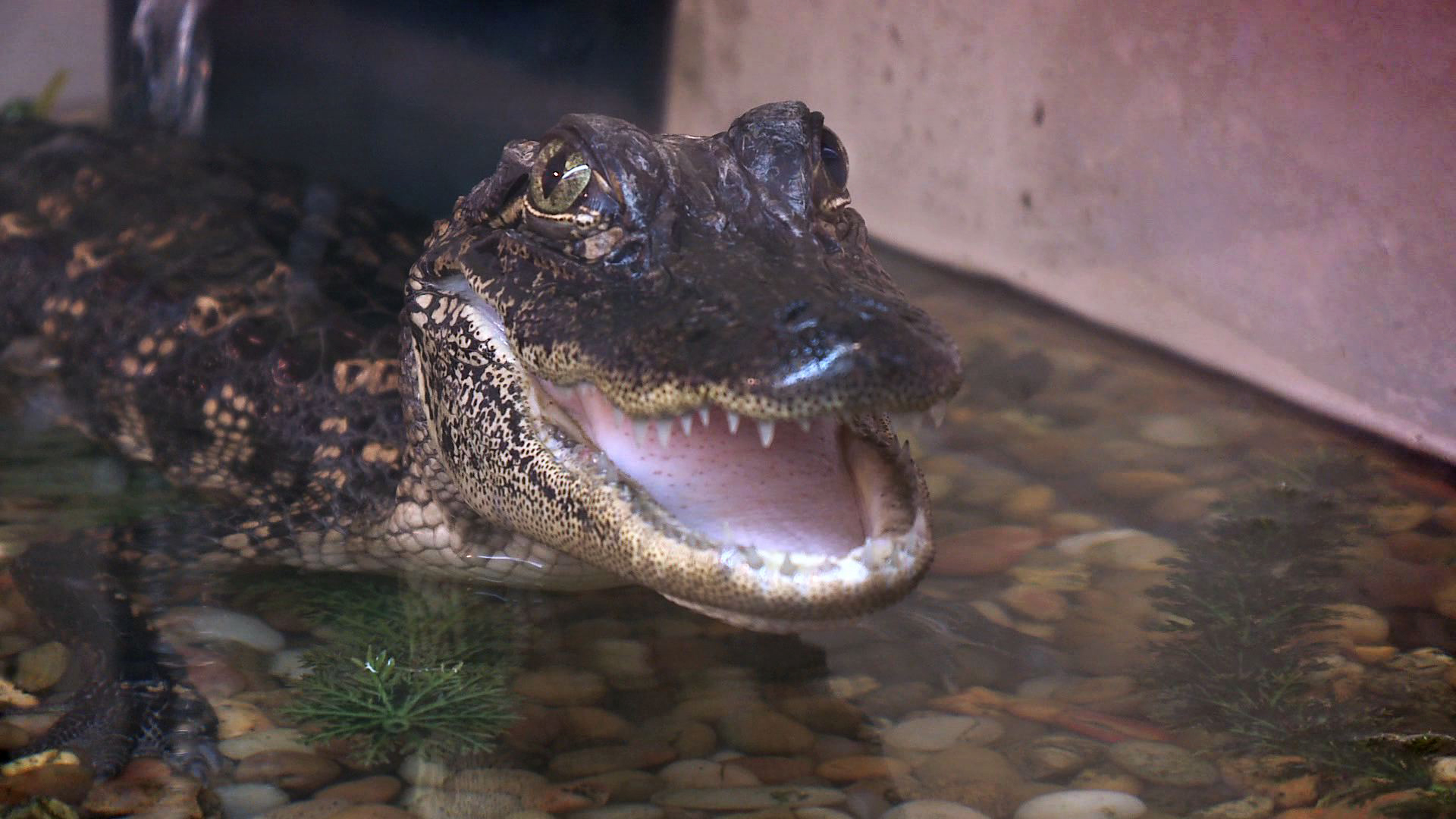
This Week on VUCast, Vanderbilt’s online newscast: What these “sensitive” alligators have in common with humans. Brainy bugs! Why ants are smarter than the average bug. And a worldwide “girl power” movement comes to Vanderbilt. Read MoreSep 28, 2012
-
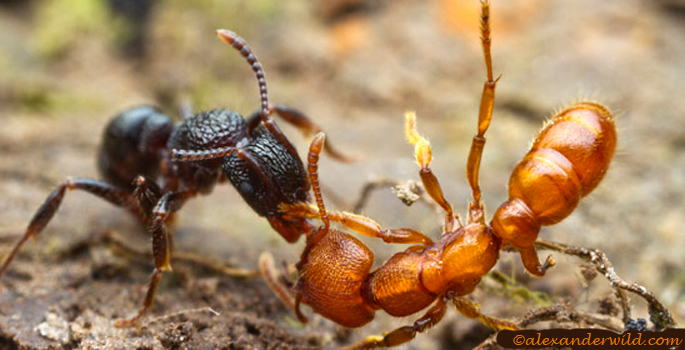
Ants have an exceptionally high-def sense of smell
Ants have four to five times more odor receptors than most other insects, a team of researchers have discovered. Read MoreSep 10, 2012
-
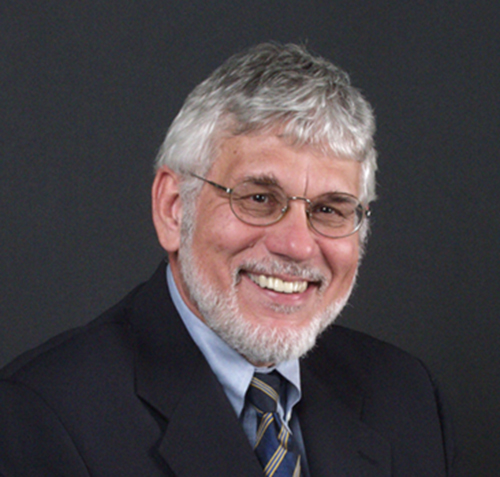
Ned Porter receives physical organic chemistry award
Stevenson Professor of Chemistry Ned Porter is the recipient of the James Flack Norris Award for Physical Organic Chemistry for 2013, the American Chemical Society has announced. Read MoreAug 23, 2012
-
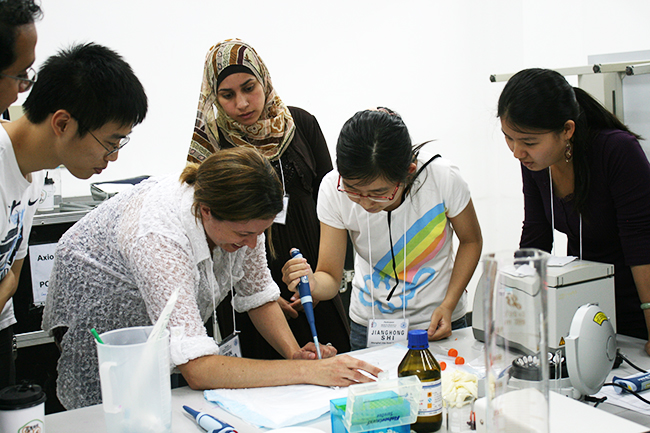
Vanderbilt physicist promotes hands-on science research in the developing world
Biophysicist Erin Rericha spent 12 days in Shanghai this summer demonstrating inexpensive methods for studying cell migration to graduate students and young faculty members from developing countries as part of an annual meeting organized by The Hands-on Research in Complex Systems School. Read MoreAug 23, 2012
-

Engineer, astronomer and geologist receive NSF Faculty Early Career Development awards
An electrical engineer who is attempting to make wireless communications more reliable, an astronomer who studies the evolution of the cosmos by creating large numbers of virtual universes and a geologist who is studying the origins of super-eruptions have received the National Science Foundation’s Faculty Early Career Development awards. Read MoreAug 9, 2012