David Salisbury
-
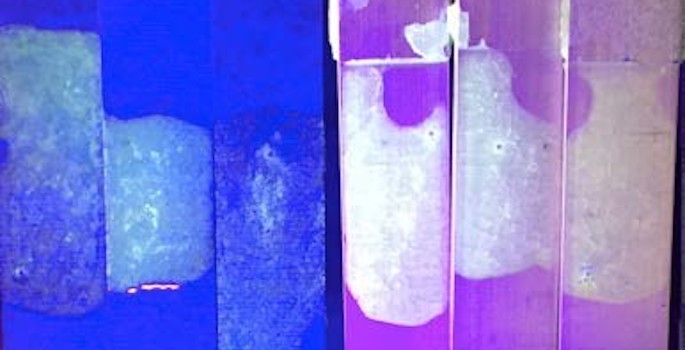
Mood ring materials – a new way to detect damage in failing infrastructure
"Mood ring materials" constitute a new type of smart sensing technology that could play an important role in minimizing and mitigating damage to the nation's failing infrastructure. Read MoreNov 21, 2016
-

Finally, a type of face that men recognize better than women
A study finds men are better at recognizing Transformer faces while women are better at recognizing Barbie faces, supporting the theory that we're more likely to recognize what we're used to seeing. Read MoreNov 16, 2016
-
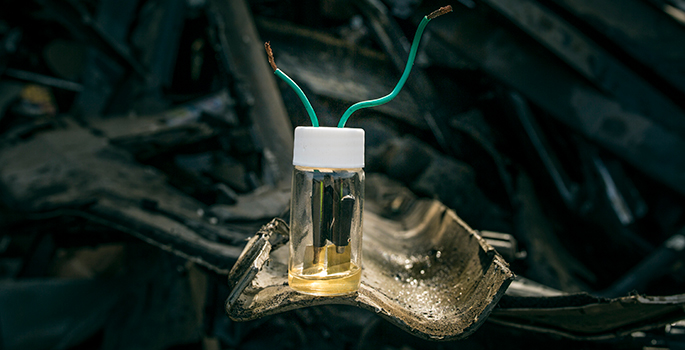
Making high-performance batteries from junkyard scraps
Vanderbilt researchers have discovered how to make high-performance batteries using scraps of metal from the junkyard and household chemicals. Read MoreNov 2, 2016
-
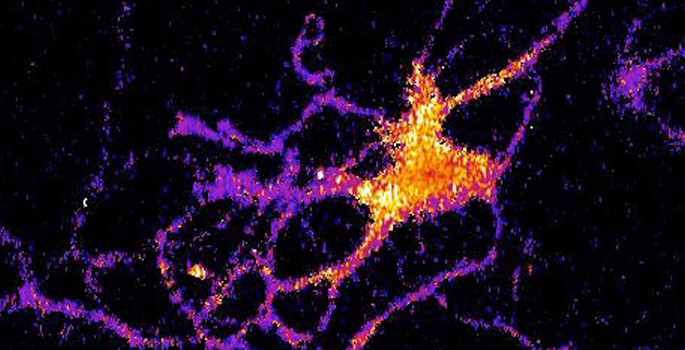
Bioluminescent sensor causes brain cells to glow in the dark
A team of Vanderbilt scientists have genetically modified luciferase, the enzyme that produces bioluminescence, so that it acts as an optical sensor that records activity in brain cells. Read MoreOct 27, 2016
-

Today’s self-taught typists almost as fast as touch typists – as long as they can see the keyboard
Sometimes you can't improve on a classic method: Touch typing is still the fastest. Read MoreOct 18, 2016
-
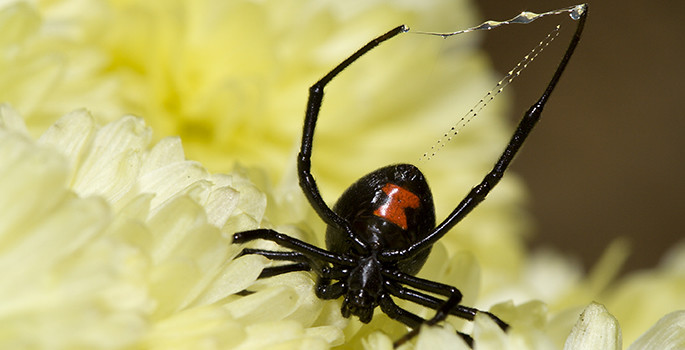
Virus carrying DNA of black widow spider toxin discovered
DNA related to black widow spider toxin been discovered in a phage that infects the bacterial parasite Wolbachia. It is the first time animal-like DNA has been found in a bacterial virus. Read MoreOct 11, 2016
-

Cave study designed to solve puzzle of prehistoric megadroughts in the western U.S.
Paleoclimatic cave study in California is designed to identify the factors that made megadroughts commonplace in the western U.S. from 5,000 to 8,000 years ago. Read MoreAug 26, 2016
-

Total number of neurons—not enlarged prefrontal region—hallmark of human brain
Research by Associate Professor of Psychology Suzana Herculano-Houzel finds that human intelligence comes from the number of neurons in our brains—and it was the invention of cooking that made neuron development possible. Read MoreAug 9, 2016
-
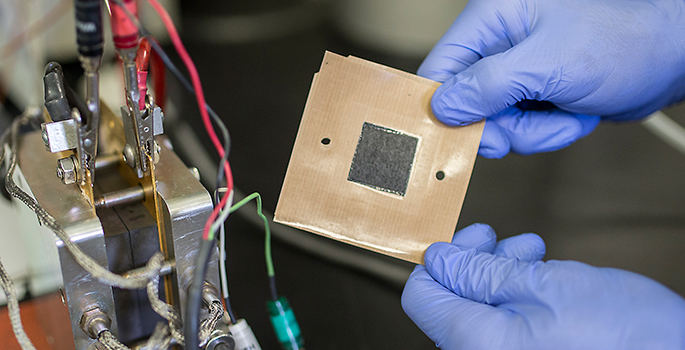
Using nanotechnology to give fuel cells more oomph
Researchers from Vanderbilt University have developed porous polymer-fiber electrodes that may make fuel cells more powerful. Read MoreAug 8, 2016
-

Discovery of male-harming DNA mutation reinforces ‘mother’s curse’ hypothesis
There is new evidence that the "mother’s curse" – the possibility that moms may transmit genes to their children that harm their sons but not their daughters – holds true in animals. Read MoreAug 2, 2016
-
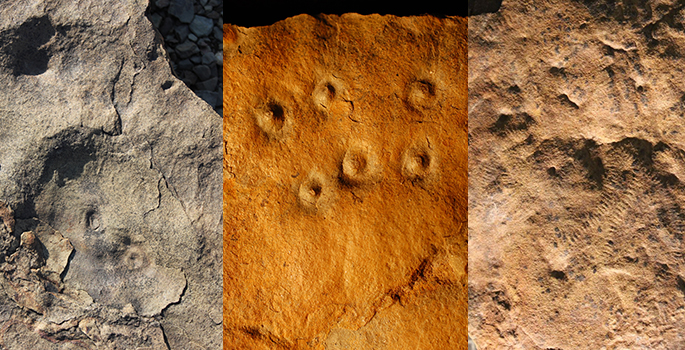
Newly discovered fossils strengthen proposition that world’s first mass extinction engineered by early animals
New fossil evidence strengthens the proposition that the world’s first mass extinction was caused by ‘ecosystem engineers’ – newly evolved organisms that radically altered the environment. Read MoreJul 29, 2016
-

Using virtual reality to help teenagers with autism learn how to drive
A team of engineers and psychologists have developed a virtual reality driving simulator designed to help teenagers with autism spectrum disorder learn to drive, a key skill in allowing them to live independent and productive lives. Read MoreJul 21, 2016
-

Super-eruptions may give only a year’s warning before they blow
A microscopic analysis of quartz crystals from an ancient California super-eruption indicates that the process of decompression preceding the eruption took place less than a year before. Read MoreJul 20, 2016
-

These days, fecal transplantation is no joke
Fecal transplants are increasingly being used to treat certain human illnesses and more scientists have begun to research the transplants' effects in animals. Read MoreJul 12, 2016
-
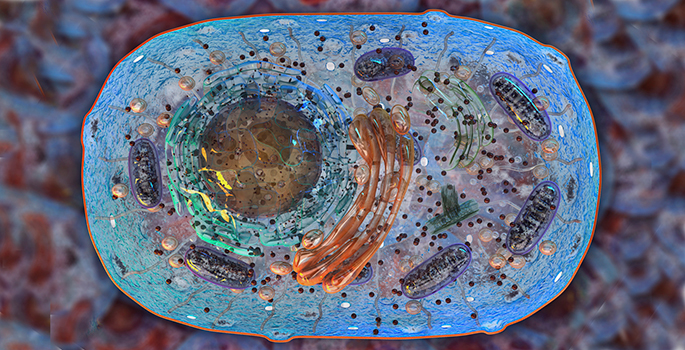
When mitochondrial genes act up
A team of Vanderbilt scientists have identified some of the methods that mutant mitochondrial DNA use to circumvent the molecular mechanisms that cells use to regulate mitochondrial activity. Read MoreJul 12, 2016
-
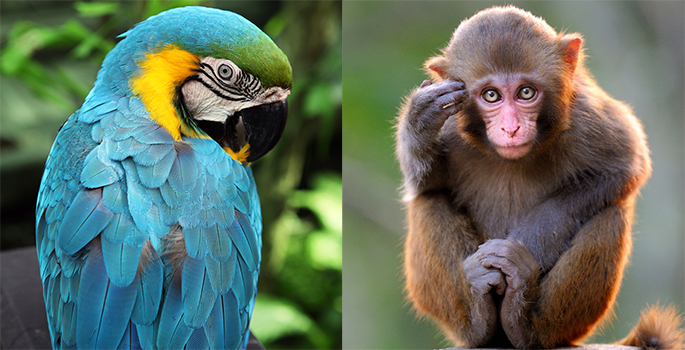
Study gives new meaning to the term ‘bird brain’
The first study to systematically measure the number of neurons in the brains of birds has found that they have significantly more neurons packed into their small brains than are stuffed into mammalian and even primate brains of the same mass. Read MoreJun 13, 2016
-
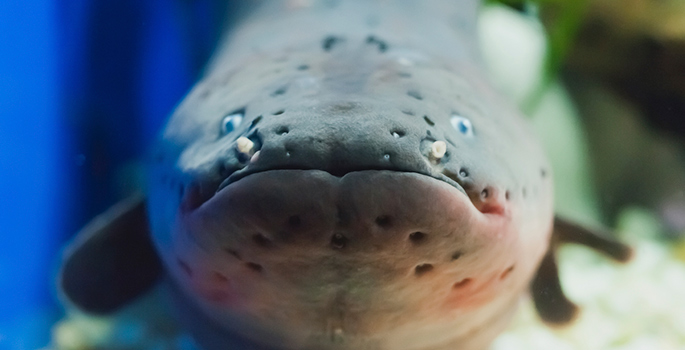
Electric eels make leaping attacks
Vanderbilt biologist Kenneth Catania has accidentally discovered that electric eels can make leaping attacks that dramatically increase the strength of the electric shocks they deliver. In doing so, Catania has confirmed a 200-year-old observation by famous 19th-century explorer and naturalist Alexander von Humboldt. Read MoreJun 6, 2016
-

New study supports natural causes, not alien activity, explain mystery star’s behavior
The results of a new study make it far less likely that KIC 8462852, popularly known as Tabby’s star, is the home of industrious aliens who are gradually enclosing it in a vast shell called a Dyson sphere, a theory that went viral over the past year. Read MoreMay 9, 2016
-
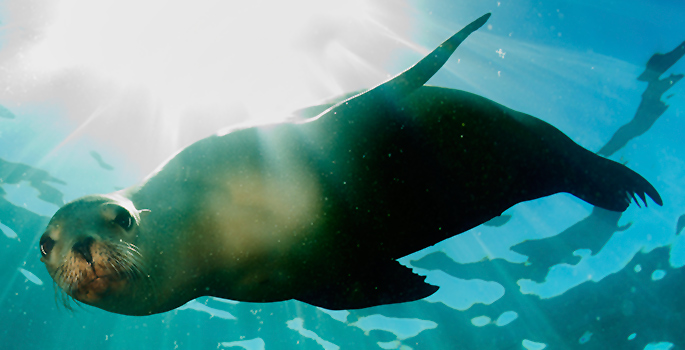
Scientists establish first map of the sea lion brain
A team of neuroscientists at Vanderbilt University has taken an important step toward uncovering the mystery behind the California sea lion's prodigious intelligence by conducting the first comprehensive study of their central nervous systems. Read MoreApr 27, 2016
-
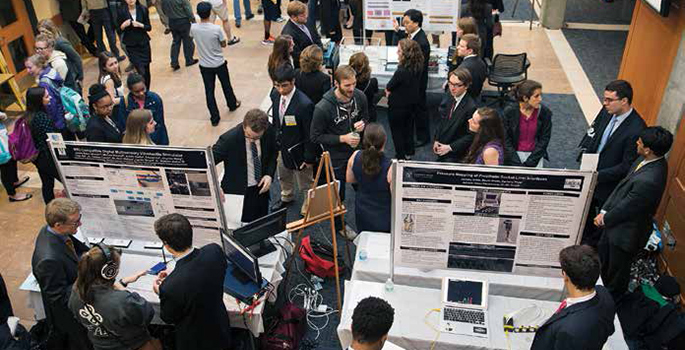
MEDIA ADVISORY: Zero-energy home and zero-emission microbrewery designs part of Vanderbilt engineering school’s Design Day
A number of exciting projects are among the 74 design projects featured at the School of Engineering’s annual Design Day, including zero-energy home designs and a solar-powered desalination system. Read MoreApr 21, 2016