Research
-
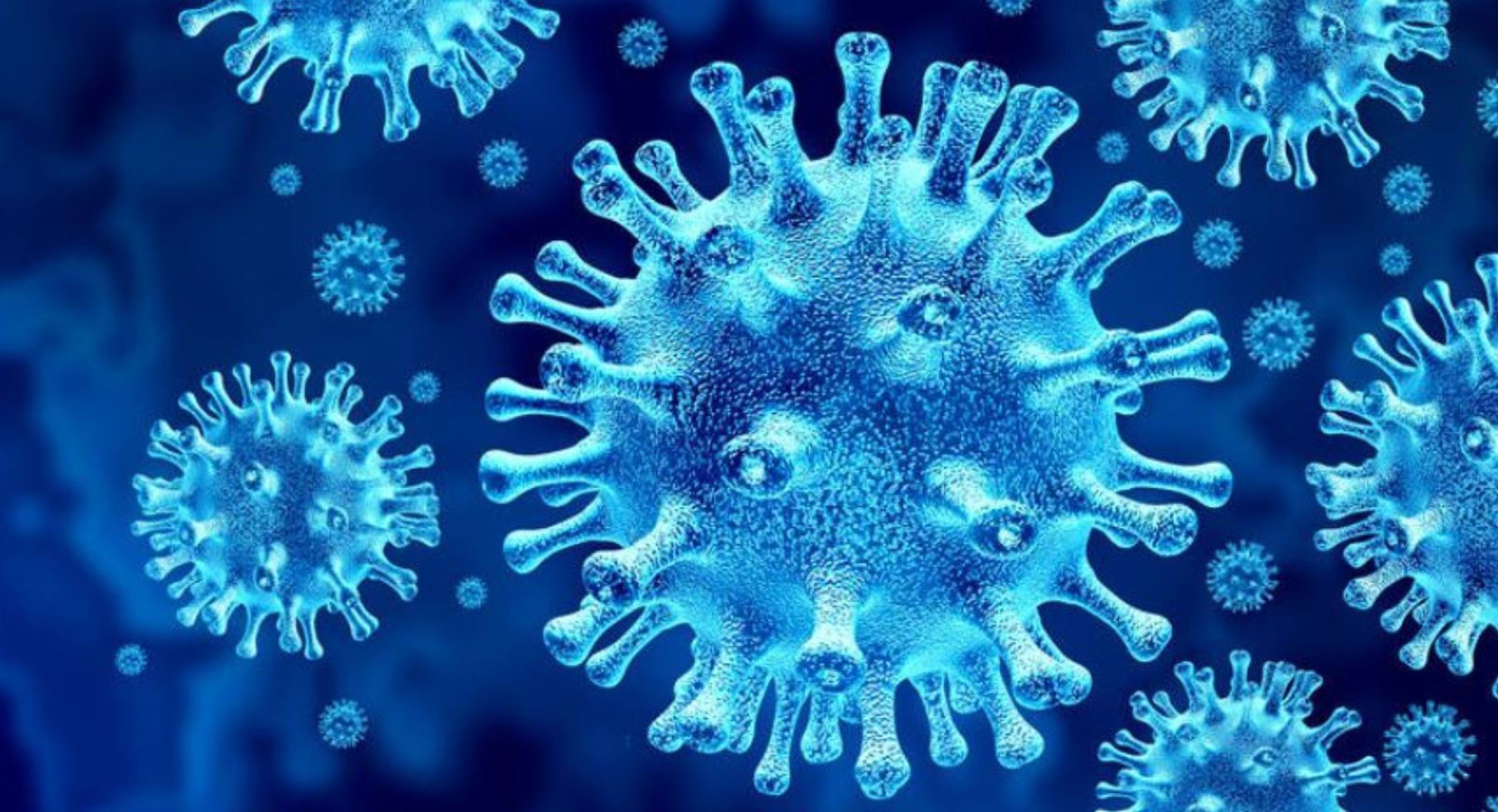
Resistance to COVID-19 drug detected in lab study
Vanderbilt research shows that the virus that causes COVID-19 can develop partial resistance to the antiviral drug remdesivir during infection of cultured cells in the laboratory by more than one mechanism. Read MoreMay 10, 2022
-

Vanderbilt to invest $1M in advanced computing to improve faculty research infrastructure
To ensure that researchers who need advanced computing have the required support in place, Vanderbilt will invest nearly $1 million in a new high-performance storage system, Vice Provost for Research Padma Raghavan announced today. Read MoreMay 6, 2022
-
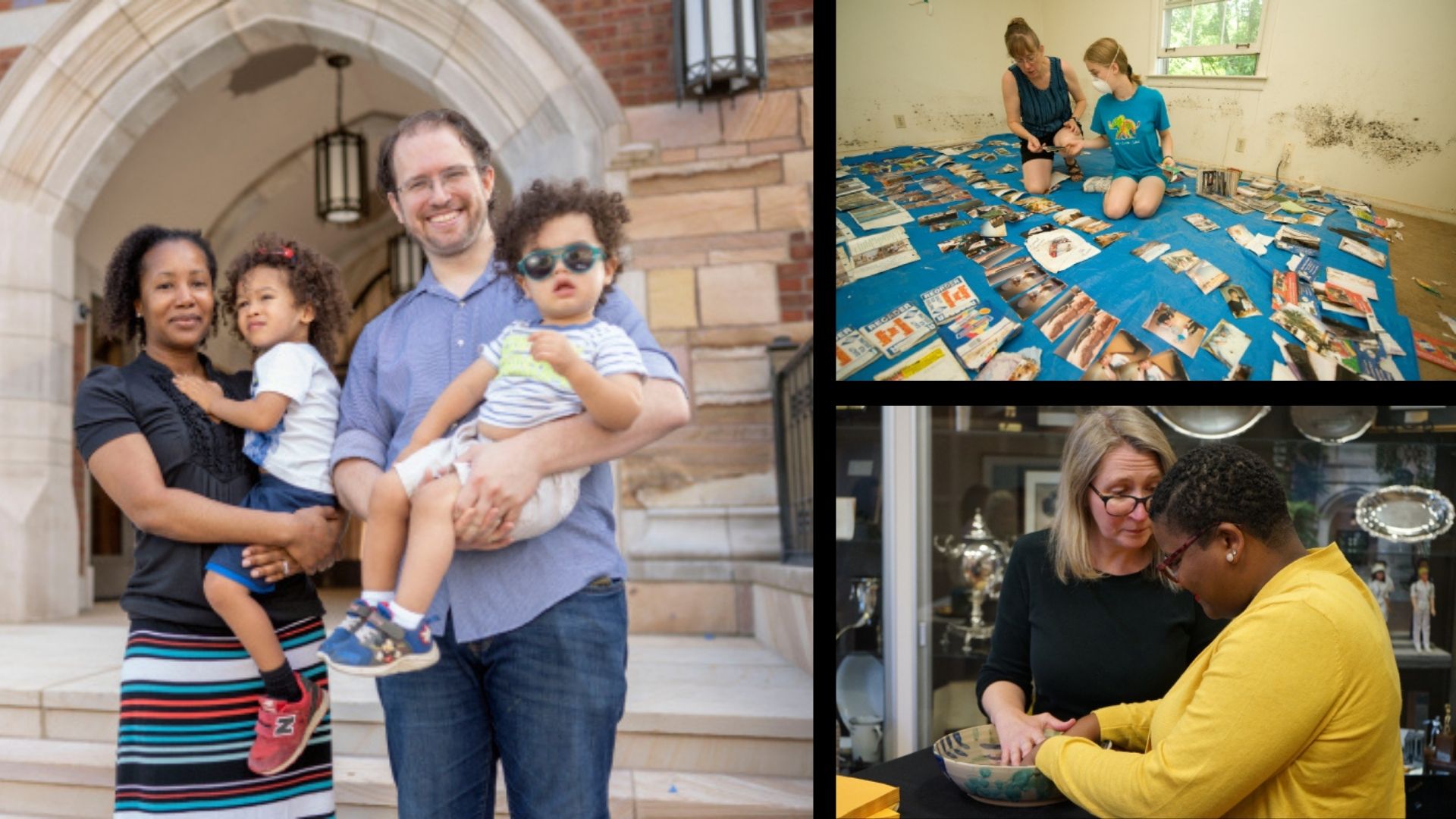
Moms who research moms: Spotlighting VU research on motherhood
They say motherhood is the toughest job you’ll ever love. That’s true for this group of Vanderbilt researchers, who’ve built successful careers around researching various aspects of parenthood while raising their own children. Read MoreMay 5, 2022
-
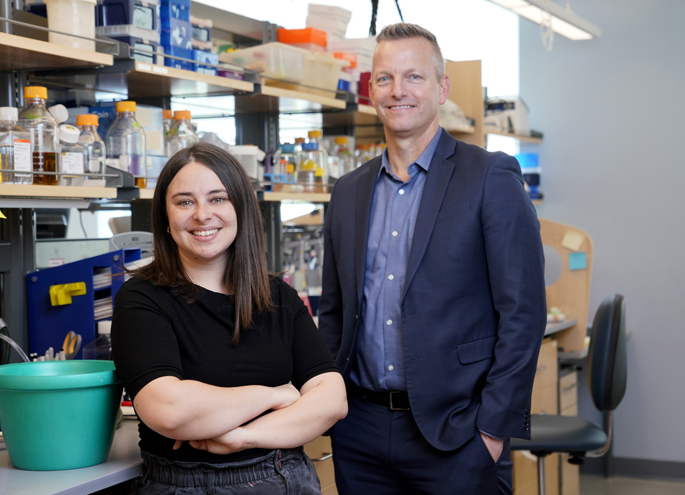
VUMC team discovers how bacterial pathogen survives without water
Vanderbilt researchers are studying a bacterial pathogen that can survive on hospital surfaces — without water — for months, an ability that has helped it become a leading cause of hospital-acquired infections. Read MoreMay 5, 2022
-

Army Futures Command awards Pathfinder seed funding to Tonia Rex and Doug Adams
by Jenna Somers Two Vanderbilt professors were awarded Pathfinder seed funding for a project that could benefit soldiers by optimizing their neurological performance through suggested behavior protocol and by improving aircraft design and equipment to reduce the effects of in-flight vibration and percussion. The U.S. Army Combat Capabilities Development Command Army Research Laboratory and the Civil-Military Innovation Institute... Read MoreMay 2, 2022
-
Nineteen engineering students awarded prestigious NSF Graduate Research Fellowships
Biomedical engineering nets more than any BME department in the country with 10 Sixteen engineering graduate students have been awarded a highly competitive government-funded National Science Foundation Graduate Research Fellowship. Three engineering undergraduate students also received NSF fellowships. NSF Fellows receive a three-year annual stipend of $34,000 along with a $12,000 allowance for tuition and fees... Read MoreApr 29, 2022
-

Studies combine genetic testing, electronic health records to find undiagnosed diseases
Combining genetic testing with information from electronic health records revealed undiagnosed heart rhythm disorders and new conditions associated with inherited cancer gene mutations. Read MoreApr 28, 2022
-

Vanderbilt Poll: Nashville headed in the wrong direction
For the first time since the Vanderbilt Poll–Nashville was established in 2015, more than half of respondents say they believe the city is headed in the wrong direction. Davidson County voters are concerned about affordable housing and crime, but give positive marks to Mayor John Cooper and other local leaders. Read MoreApr 28, 2022
-
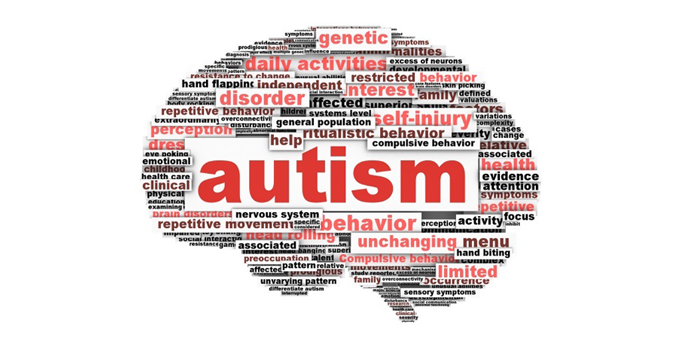
Vanderbilt Kennedy Center data shows increase in autism spectrum disorder prevalence, provides new data on 4-year-olds
Vanderbilt Kennedy Center researchers, as part of the CDC Autism and Developmental Disabilities Monitoring network, report an increase in the number of children in Tennessee with autism spectrum disorder. Read MoreApr 26, 2022
-

Prothena and Warren Center for Neuroscience Drug Discovery collaborate on new Alzheimer’s disease therapeutics
Prothena and the Warren Center for Neuroscience Drug Discovery have entered into a collaborative research agreement to develop new small molecule therapeutics for the treatment of Alzheimer’s disease in individuals with Down syndrome. Read MoreApr 22, 2022
-

Research Snapshot: Collaborative research lays groundwork for potential treatment of a rare and deadly type of cancer
A collaborative project between William Tansey and Stephen Fesik has laid the foundation for pre-clinical and clinical trials for rare childhood tumors that are diagnosed in 25 children per year in the United States. Read MoreApr 22, 2022
-
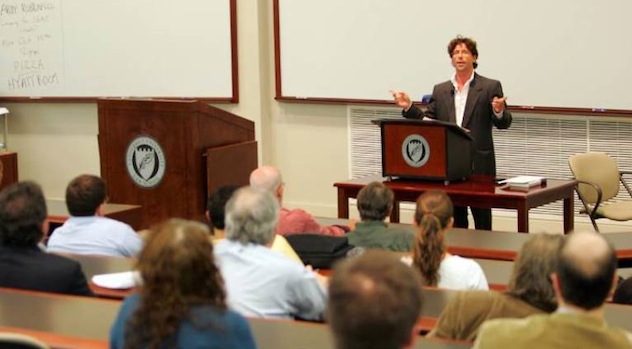
Vanderbilt professor named 2022 Guggenheim Fellow
Robert Barsky will be recognized at a reception honoring the 2022 Guggenheim Fellows on June 7 in New York. Read MoreApr 20, 2022
-
Ndukaife receives NSF Early CAREER Award to investigate cell-to-cell communication
Justus C. Ndukaife, assistant professor of electrical engineering, has received a prestigious NSF CAREER Award for foundational research in cell-to-cell communication. His CAREER project, “Resonant Dielectric Optical Metasurfaces for Single-Cell Extracellular Vesicles Analysis,” will enable Ndukaife to associate the properties of extracellular vesicles directly to their cell sources—up to the resolution of single cells—a capability that... Read MoreApr 18, 2022
-

New Study: Black women face higher maternal mortality rates than previously determined
Evelyn J. Patterson The effects of racism and sexism lead to higher maternal mortality rates among Black women in the U.S. than previously realized, according to new research from Associate Professor of Sociology and Law Evelyn J. Patterson at Vanderbilt University. Even after controlling… Read MoreApr 18, 2022
-
Tata receives NSF Early CAREER Award to identify network vulnerabilities and failures
Ahmad F. Tata, associate professor of civil and environmental engineering, has received a prestigious NSF CAREER Award for fundamental research in new approaches to network sensors and controllers scheduling. His CAREER project, “Scheduling Driving Sensing and Control Nodes in Nonlinear Networks with Applications to Fuel-Free Energy Systems,” offers a novel framework for the exploration of... Read MoreApr 15, 2022
-
Braun receives NSF Early CAREER Award to create next-gen robots to assist humans
David Braun, assistant professor of mechanical engineering, has received a prestigious NSF CAREER Award for foundational research in mechanically adaptive robotics. His CAREER project, “Mechanically Adaptive, Energetically Passive Robotics,” will enable the creation of new-generation industrial robots, transportation systems, and devices that can assist and augment humans. The five-year, $600,000 grant will support work on robot... Read MoreApr 13, 2022
-
International collaboration reveals how the human brain evolved to harness abstract thought
By Marissa Shapiro THE IDEA The human brain is organized in functional networks—connected brain regions that communicate with each other through dedicated pathways. That is how we perceive our senses, how the body moves, how we are able to remember the past and plan for the future. The “default mode” network is the part of... Read MoreApr 12, 2022
-
International collaboration reveals how the human brain evolved to harness abstract thought
By Marissa Shapiro THE IDEA The human brain is organized in functional networks—connected brain regions that communicate with each other through dedicated pathways. That is how we perceive our senses, how the body moves, how we are able to remember the past and plan for the future. The “default mode” network is the part of... Read MoreApr 12, 2022
-
Karl Zelick is inaugural awardee of a Scaling Success Grant
Karl Zelik, associate professor of mechanical engineering, is one of three inaugural awardees for the February 2022 cycle of the Scaling Success Grant, which is the first cycle of this internal funding opportunity. Yuankai Huo, assistant professor of computer science and computer engineering, is co-PI on a SSG grant. Read MoreApr 11, 2022
-
Study finds 10-second videos predict blood cancer relapse
Biomedical engineering prof says study raises the prospect of a new application of diagnostic optical biopsy by Paul Govern In a new study from Vanderbilt University Medical Center, 10-second videos of white blood cell motion in the skin’s microvasculature greatly improved the prediction of which stem cell and bone marrow transplant patients would have a relapse... Read MoreApr 4, 2022