NIGMS
-

A new way to target cancer-driver Ras
Vanderbilt researchers have discovered small molecules that turn off cancerous Ras signals in a new way. Read MoreMar 13, 2014
-

Dismantling staph’s drug resistance
Targeting the enzyme FosB could make antibiotic-resistant staph bacteria sensitive to the antibiotic fosfomycin. Read MoreMar 3, 2014
-

Imaging guides Alzheimer gene search
Using imaging data, Vanderbilt researchers discovered an association between a gene pair and brain changes in Alzheimer’s disease. Read MoreFeb 28, 2014
-

Human and Helicobacter co-evolution
by Denise Anthony (iStock) A Vanderbilt University-led research team has solved a long-standing riddle: Why do people of mostly Amerindian ancestry in the Andes have a gastric cancer rate that is 25 times higher than that of fellow Colombians of mostly African descent only 124 miles away on the coast?… Read MoreJan 23, 2014
-

A pain in the … genes
Vanderbilt researchers have discovered that variation in the gene encoding the potassium channel GIRK1 plays a role in modulating human pain perception. Read MoreJan 10, 2014
-
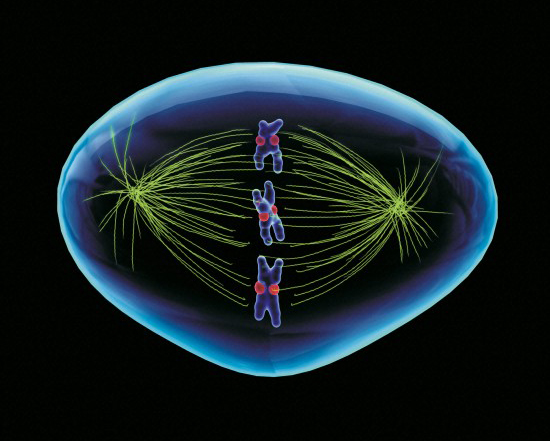
Manager of mitotic stress
The protein CK1 delays cell division to avoid the generation of defects that drive tumorigenesis. Read MoreDec 13, 2013
-

Mitochondrial mutations not random
A study of mitochondrial DNA mutations suggests they result from a process that selects for particular mutations in certain tissues. Read MoreNov 25, 2013
-
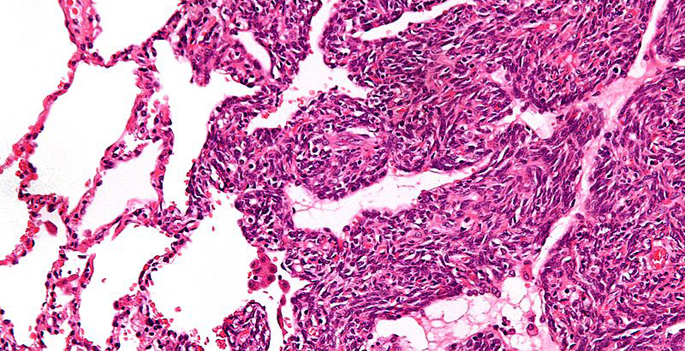
Therapeutic target for synovial sarcoma
Inhibitors of a signaling pathway that is critical to synovial sarcoma tumorigenesis may be useful treatments for this aggressive cancer. Read MoreNov 21, 2013
-

Targets of SIN drive cell division
Vanderbilt researchers have identified a key regulator of cell division. Read MoreOct 25, 2013
-

Shining a light on night blindness
Vanderbilt researchers are studying how mutations in the receptor for light, rhodopsin, cause light blindness. Read MoreOct 24, 2013
-

Fishing for new anti-cancer drugs
Vanderbilt investigators used an in vivo screen in zebrafish to identify a potential new anti-cancer drug. Read MoreSep 18, 2013
-

Mapping brain membrane proteins
New mass spectrometry imaging methods will enable studies of the distribution and identification of membrane proteins directly within tissues. Read MoreSep 16, 2013
-

Tumor factor spurs blood vessel growth
A newly identified factor regulates blood vessel growth in colorectal tumors and could be a promising target for cancer therapies. Read MoreAug 26, 2013
-

Oxidative stress in autism
A biomarker for oxidative stress is elevated in patients with both autism spectrum disorder and gastrointestinal dysfunction, suggesting opportunities for individualized approaches to clinical care. Read MoreAug 14, 2013
-
Motor protein revs up cell division
A motor protein that helps drive cell division may be a promising new target for cancer therapeutics. Read MoreJul 29, 2013
-

Visualizing data on network ‘maps’
The new web application NetGestalt will allow investigators to simultaneously visualize different types of data for the same gene – such as mutation, expression and modification. Read MoreJul 25, 2013
-

Disease linked to cell traffic jams
Diseases associated with mutations and changes in expression of the protein caveolin may result from faulty trafficking of the protein to the cell surface. Read MoreJun 20, 2013
-

Taking the ‘noise’ out of protein data
Vanderbilt researchers have developed a novel algorithm to improve results from proteomic studies. Read MoreMay 1, 2013
-

Factor reduces virus-related asthma attacks
An immune system factor associated with severe asthma may actually reduce asthma attacks induced by viral infections. Read MoreApr 26, 2013
-

Acetaminophen: protective in sepsis?
In critically ill patients with sepsis, plasma hemoglobin may be a new indicator of disease severity – and a potential target for treatment with acetaminophen. Read MoreMar 28, 2013