Imported-post
-

Possible COVID-19 “decoy”
It might be possible to use vesicles carrying the receptor for SARS-CoV-2, the virus that causes COVID-19, to bind the virus and prevent infection. Read MoreOct 15, 2020
-
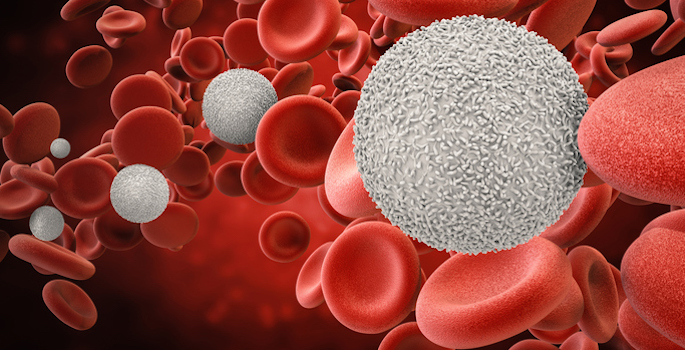
Factor involved in stomach injury response identified
Researchers at Vanderbilt University Medical Center have identified a key factor that coordinates the body’s repair response to severe injury in the stomach caused, most commonly, by infection by the bacterium Helicobacter pylori. Read MoreOct 15, 2020
-
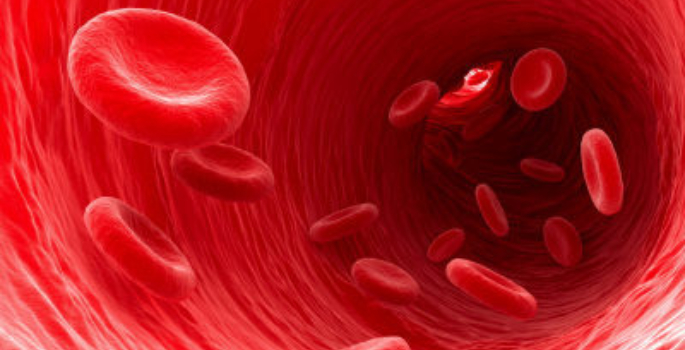
Brain blood vessel response to hypoxia
The brain’s response to low oxygen — growth and remodeling of blood vessels — involves certain cell types and molecular pathways, Vanderbilt researchers have discovered. Read MoreOct 15, 2020
-
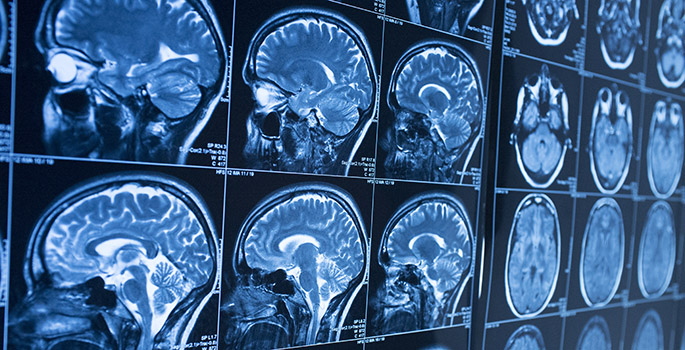
AI-based tech to improve stroke outcomes
Two prototype devices could refine thrombectomy through sensory augmentation. Read MoreOct 14, 2020
-
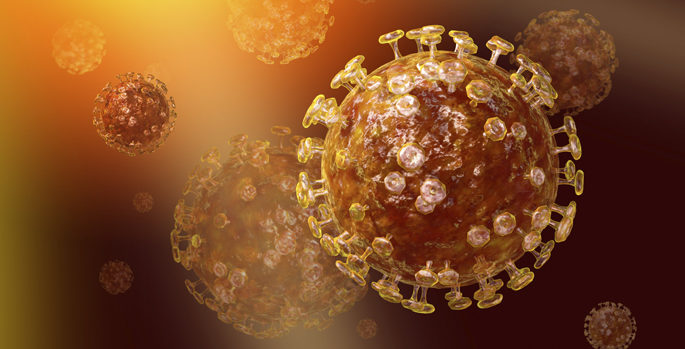
COVID-19 long-acting antibodies discovered by Vanderbilt University Medical Center move to phase 3 clinical trials
AstraZeneca is advancing into phase 3 clinical trials with an investigational COVID-19 therapy of two long-acting antibodies discovered by Vanderbilt University Medical Center and optimized by AstraZeneca. Read MoreOct 13, 2020
-

Computer-based study reveals impact of race on health
A computer-based method developed at Vanderbilt University Medical Center that scans electronic medical records (EMRs) for genetic contributors to disease has been used for the first time to reveal the impact of race on health. Read MoreOct 8, 2020
-
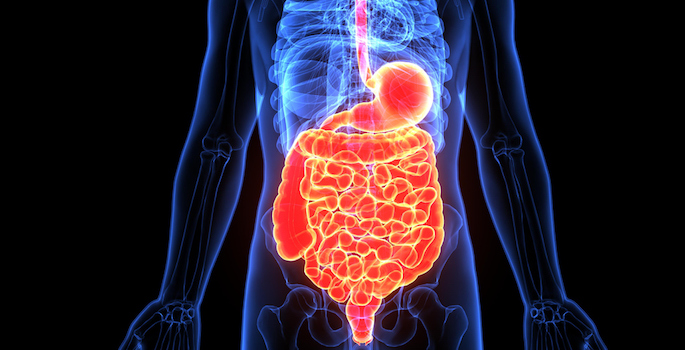
Researchers create molecular ‘atlas’ of GI tract neurons
Researchers at Vanderbilt University Medical Center have generated the first comprehensive molecular “atlas” of genes expressed by the neuronal cells within the intestine that coordinate the functions of the gastrointestinal (GI) tract. Read MoreOct 8, 2020
-
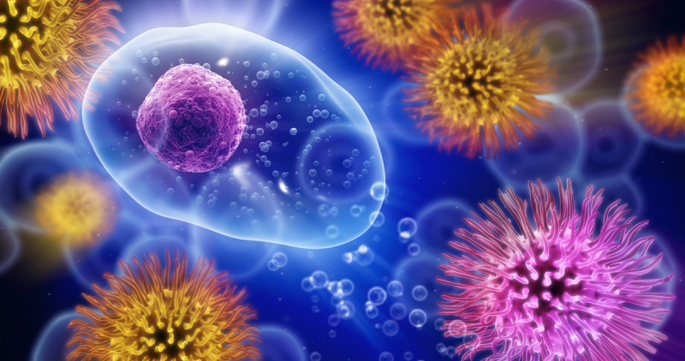
Early steps in reovirus replication
Conformational change in a reovirus surface protein modulate the virus’s attachment to host cells, Vanderbilt researchers have found. Read MoreOct 6, 2020
-

Nominations sought for 2021 Vanderbilt Prize in Biomedical Science
Nominations for the 2021 Vanderbilt Prize in Biomedical Science are now being accepted. The nomination deadline is Dec. 11. Read MoreOct 5, 2020
-
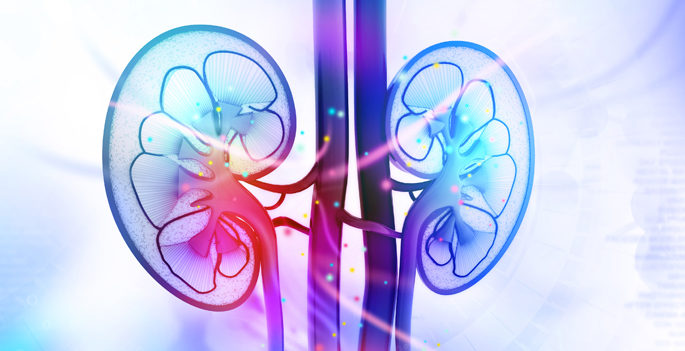
Clue to diabetic kidney disease
Vanderbilt researchers have identified a signaling pathway that promotes kidney fibrosis in patients with diabetes — and that could be targeted with an existing approved medication. Read MoreOct 5, 2020
-
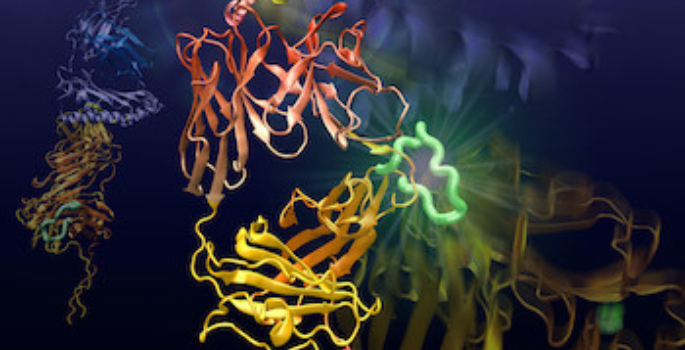
Team’s sustained work in T-cell immune response awarded P01 grant totaling $11 million
For more than a decade Matt Lang and collaborators across the U.S. have worked to recreate key components of T-cells and how they know when to start fighting disease. Conventional wisdom suggested that T-cells formed regular, force-free bonds with infected cells, and in doing so caused the chain reaction of immune response. The team slowly... Read MoreOct 4, 2020
-

$8.7 million DARPA grant advances AI-assisted CPS design work
A new, $8.7 million project—Design. R–AI-assisted CPS Design—involves pathbreaking work for the Defense Advanced Research Projects Agency as future cyber-physical systems will rely less on human control and more machine learning algorithms and artificial intelligence processors. Read MoreOct 4, 2020
-
NSF seed grant supports biomanufacturing of new drug delivery technologies
Vanderbilt researchers awarded one of NSF’s 24 new projects to drive future manufacturing One of the challenges of drug delivery systems is to optimize their targeting properties so therapeutic compounds used in smaller amounts reach only a specific area of the body and result in little or no side effects. The ability to engineer the... Read MoreOct 2, 2020
-
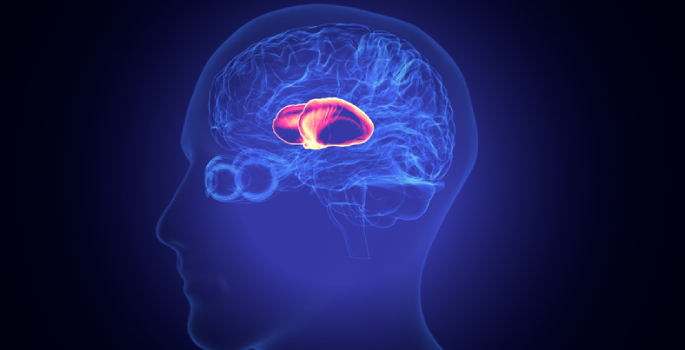
Pinpointing brain changes in psychosis
Specific regions of the thalamus — a central brain region — are smaller in adults with psychotic disorders and youth at risk for psychotic disorders and are associated with cognitive impairment. Read MoreOct 1, 2020
-
Genes spell penicillin allergy risk
Studies using large DNA biobanks revealed genetic variants associated with penicillin allergy, the most common type of drug-induced allergic reaction. Read MoreOct 1, 2020
-
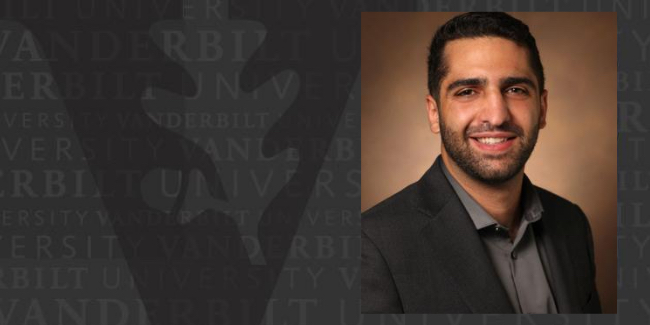
Cohen Fund bolsters Siciliano’s memory research
Cody Siciliano, PhD, assistant professor of Pharmacology in the Vanderbilt University School of Medicine, has been selected to receive a one-year, $100,000 research award from the Stanley Cohen Innovation Fund to support his studies of the neural substrates of memory. Read MoreSep 24, 2020
-
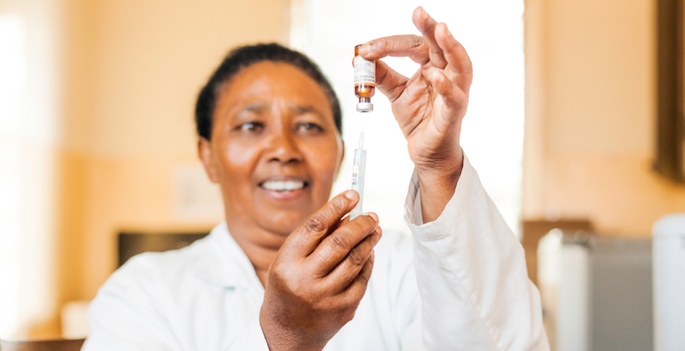
Rational vaccine design
Understanding immunity generated by smallpox vaccine may hold lessons for COVID-19 vaccine development. Read MoreSep 22, 2020
-

Throwing weight around on the internet
What users mention in online weight loss forum tracks with how much weight they lose. Read MoreSep 21, 2020
-

Study identifies antibodies that block alphaviruses
Researchers at Vanderbilt University Medical Center have identified antibodies that, in animals, block infection by alphaviruses, which can cause chronic and debilitating joint pain and arthritis and are an increasing global health concern. Read MoreSep 20, 2020
-
VUMC awarded $34 million to lead nationwide convalescent plasma study
Vanderbilt University Medical Center has been awarded a one-year, $34-million grant by the National Center for Advancing Translational Sciences, part of the National Institutes of Health, to conduct a nationwide study of “convalescent plasma” as a treatment for COVID-19. Read MoreSep 20, 2020