Imported-post
-

Engineering lab returns during Vanderbilt’s Research Ramp-up to advance research in neurodegeneration
The lab of Ethan Lippmann, assistant professor of chemical and biomolecular engineering and biomedical engineering, seeks to model, understand, and ultimately treat neurodegeneration, focusing primarily on the blood-brain barrier, a border of protective blood vessels found in the brain. Before the COVID-19 pandemic, Lippmann’s team in the Neurovascular Engineering and Therapeutic Design Laboratory was firing... Read MoreNov 16, 2020
-

Younger parents less likely to vaccinate their children and themselves against COVID-19
Younger parents were much less likely than older parents to say they planned to vaccinate their children and themselves against COVID-19. Read MoreNov 16, 2020
-

Imaging “biomarker” for Alzheimer’s disease progression
Changes in connectivity in the brain’s white matter may be a novel neuroimaging biomarker for assessing Alzheimer’s disease progression. Read MoreNov 16, 2020
-
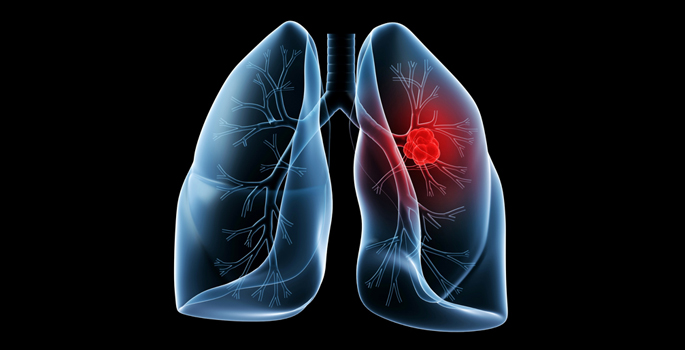
New therapeutic target for lung cancer
Vanderbilt researchers have identified a new molecular partner — and potential therapeutic target — in a signaling axis that drives lung cancer. Read MoreNov 12, 2020
-

Breast cancer treatment in older women
A new study from Vanderbilt epidemiologists suggests that it’s time to reconsider clinical practice guidelines for the treatment of early-stage breast cancer in older women. Read MoreNov 12, 2020
-
Researchers create technique that corrects distortions in MRI images
Perfecting MRI images with deep learning, Vanderbilt and VUMC researchers have created a technique that corrects image distortions, which provides more accurate information for researchers, radiologists and neuroscientists to better interpret brain scans. The work by Bennett Landman, professor of electrical engineering and computer science and radiology and radiological sciences, and Kurt Schilling, research assistant... Read MoreNov 11, 2020
-
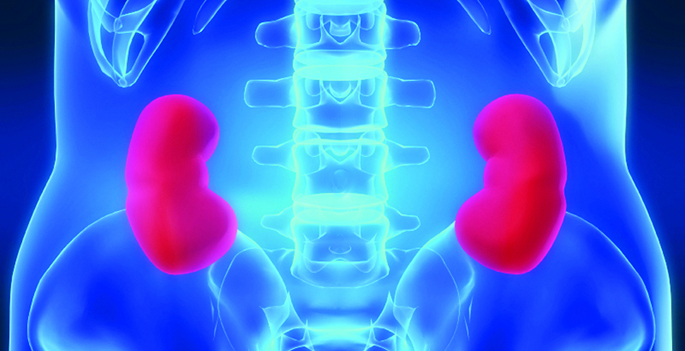
Study underscores importance of personalized medicine in kidney cancer
A new study sheds light on how molecular subsets within the tumors of kidney cancer patients determine treatment outcomes and underscores the importance of personalized medicine in making therapy decisions. Read MoreNov 10, 2020
-
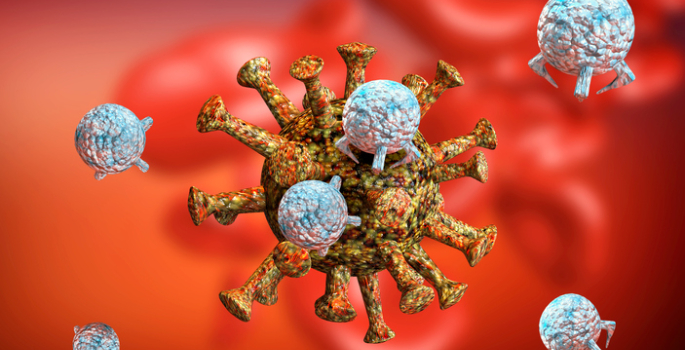
Hydroxychloroquine does not help patients hospitalized with COVID-19: Study
Findings from a national study published Nov. 9 in the Journal of the American Medical Association (JAMA) “do not support” the use of hydroxychloroquine for the treatment of adult patients hospitalized with COVID-19, the report concludes. Read MoreNov 9, 2020
-

New treatment for a rare obesity
Diabetes drugs known as GLP-1 receptor agonists, such as exenatide (Byetta), are a promising and safe treatment for a rare form of obesity. Read MoreNov 3, 2020
-

VUMC begins study of second COVID-19 vaccine
Vanderbilt University Medical Center has begun recruiting up to 250 participants for a Phase 3 clinical trial testing an investigational COVID-19 vaccine candidate developed by the Janssen Pharmaceutical Companies of Johnson & Johnson. Read MoreNov 2, 2020
-

Frog peptides as anti-HIV microbicides
Peptides derived from the antimicrobial peptides secreted by frogs could function as microbicides to limit HIV transmission, while sparing protective vaginal bacteria. Read MoreNov 2, 2020
-

Former Vanderbilt Prize winner Amon mourned
Angelika Amon, PhD, a pioneering cell and molecular biologist and winner of the 2018 Vanderbilt Prize in Biomedical Science, died Oct. 29 from cancer. She was 53. Read MoreOct 30, 2020
-

Grant helps expand VI4’s Artist-in-Residence program
An innovative Vanderbilt program that brings together scientists and artists with the shared goal of scientific communication is set to expand with support from a three-year grant from the Burroughs Wellcome Fund. Read MoreOct 29, 2020
-

Histamine circuits in brain reward center
Histamine — commonly associated with allergies — also has a signaling role in the brain’s reward center and may offer a novel target for treating addiction. Read MoreOct 29, 2020
-
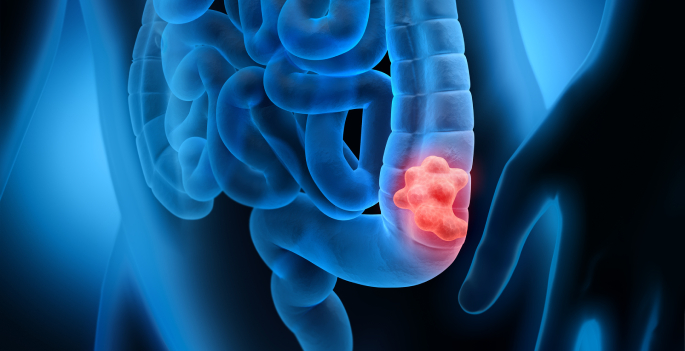
New markers of colorectal cancer risk
Vanderbilt epidemiologists identified new markers for colorectal cancer risk and characterized a previously unidentified tumor suppressor that regulates overall tumor volume in vivo. Read MoreOct 29, 2020
-
Wearable sensor algorithms powered by machine learning could be key to preventing runners’ injuries
A trans-institutional team of Vanderbilt engineering, data science and clinical researchers has developed a novel approach for monitoring bone stress in recreational and professional athletes, with the goal of anticipating and preventing injury. Using machine learning and biomechanical modeling techniques, the researchers built multisensory algorithms that combine data from lightweight, low-profile wearable sensors in shoes... Read MoreOct 28, 2020
-

New tool to probe genetic mechanisms of disease
Vanderbilt Genetics Institute investigators have added a new method to the computational genetics toolbox. Their approach, described in the journal Nature Genetics, integrates vast genomics datasets to predict gene expression and facilitate discovery of genetic mechanisms underlying human diseases. Read MoreOct 22, 2020
-

Team examines operating limits in solid-state batteries to improve driving range of electric vehicles
There is huge momentum toward adoption of battery electric vehicles primarily because performances are meeting or exceeding the properties of traditional automobiles. Consumers want electric vehicles that have similar driving range (energy density) and charging styles and times (power density) to gasoline powered vehicles. “One pathway to improving the energy density of the battery, or... Read MoreOct 22, 2020
-
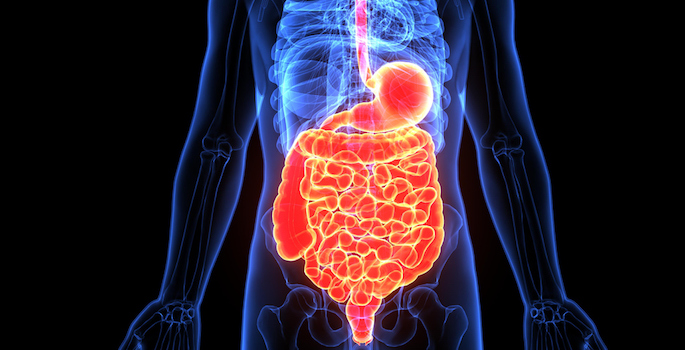
Preserving gut mucus architecture
A new method that keeps microbes and gut cells together will be useful for studies of complex host-microbe interactions and for analysis of clinical specimens. Read MoreOct 20, 2020
-
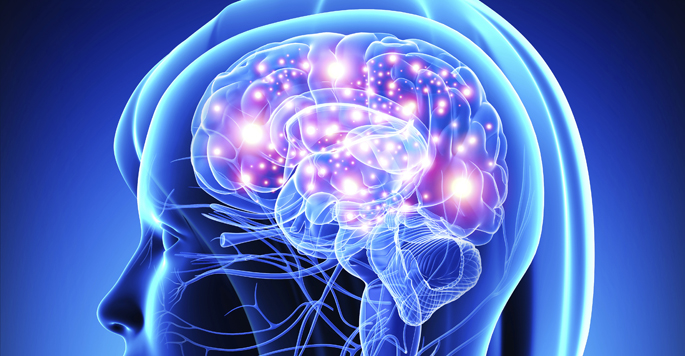
Depression and the brain-age gap
Older depressed adults show accelerated brain aging, according to a new study from Vanderbilt researchers, who suggest that the effects of depression may speed the decline in cognitive functions in older individuals. Read MoreOct 19, 2020