Featured Research
-
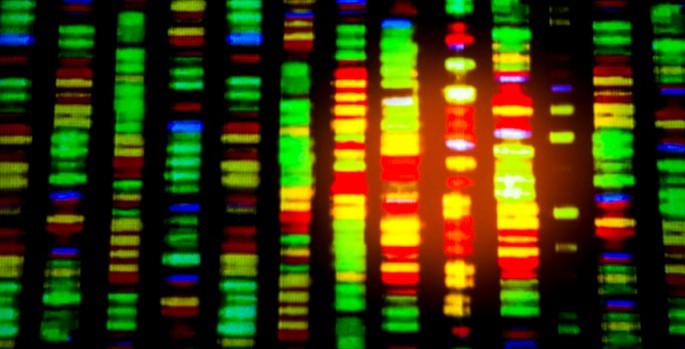
Study helps clarify components of DNA ‘copy machine’
Vanderbilt investigators have generated a “parts list” for the molecular machinery that duplicates DNA each time a cell divides. The research has implications for cancer therapies that target components of this machinery. Read MoreNov 12, 2015
-

Quantum dots made from fool’s gold boost battery performance
Vanderbilt engineers have discovered that adding quantum dots made from fool's gold to the electrodes of standard lithium batteries can substantially boost their performance. Read MoreNov 11, 2015
-

New online tool created to tackle complications of pregnancy and childbirth
An interdisciplinary team of biologists and medical researchers have created a new platform, which they call GEneSTATION specifically designed to leverage the growing knowledge of human genomics and evolution to advance scientific understanding of human pregnancy and translate it into new treatments for the problems that occur when this complex process goes awry. Read MoreNov 11, 2015
-
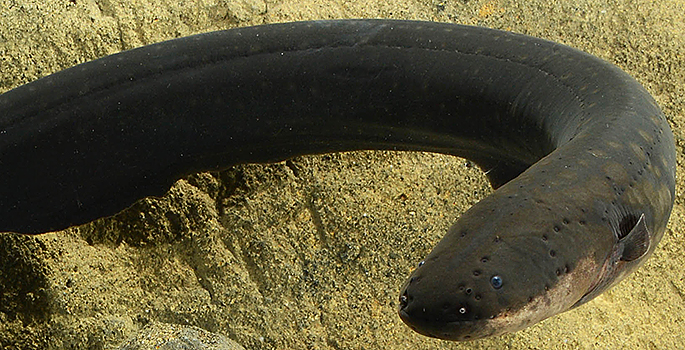
Electric eel: most remarkable predator in animal kingdom
Recent research by Vanderbilt University biologist Ken Catania of the electric eel has revealed that it is not primitive creature that it has been portrayed as. Instead, it has a sophisticated control of the electrical fields it generates that makes it one of the most remarkable predators in the animal kingdom. Read MoreOct 28, 2015
-

Gays face continued discrimination in Jamaica: LAPOP
Jamaicans overwhelmingly disapprove of gay citizens running for political office, even more than they disapprove of regime critics doing so. Read MoreOct 21, 2015
-

New ‘geospeedometer’ confirms super-eruptions have a short fuse
A new "geospeedometer" that can measure the amount of time between the formation of an explosive magma melt and an eruption confirms that the process took less than 500 years in several ancient super-eruptions. Read MoreOct 20, 2015
-

Guatemala leads Americas in condoning violence against unfaithful wives
A majority of Guatemalans believe it is understandable, and sometimes even acceptable, for women who cheat on their husbands to be subjected to violence in return, the results of a new survey indicate. Read MoreOct 7, 2015
-

New rules coming for researchers using human subjects
The U.S. federal government is preparing to launch a set of sweeping new regulations that will have a major impact on how biomedical researchers and social scientists work. It will require researchers to change how they get ethics approval, how they collect informed consent from participants, and more. Read MoreOct 2, 2015
-

Expert: History is repeating itself with current immigration issues
Paul Kramer explains why history is repeating itself in the battle over immigration. Kramer has written about immigration and border issues for the New Yorker and Slate, and been featured on National Public Radio. He has spent the last decade studying U.S. immigration history, and he’s working on a book about the forces that push people into leaving their home countries and immigrating, including the United States’ influence. Read MoreSep 30, 2015
-

Theatre program benefits children with autism: study
Children with autism who participated in a 10-week, 40-hour, theatre-based program showed significant differences in social ability compared to a group of children with autism who did not participate, according to a Vanderbilt study published in the Journal of Autism and Developmental Disorders. Read MoreSep 30, 2015
-

Scientific literature overstates psychotherapy’s effectiveness in treating depression
New analysis shows that the scientific literature paints an overly rosy picture of the efficacy of psychotherapy for depression comparable to the bias previously found in reports of treatments with antidepressant drugs. Read MoreSep 30, 2015
-

First circularly polarized light detector on a silicon chip
Invention of the first integrated circularly polarized light detector on a silicon chip opens the door for development of small, portable sensors that could expand the use of polarized light for drug screening, surveillance, etc. Read MoreSep 22, 2015
-

Does knowing high-status people help or hurt?
How depressed you are may have something to do with who you know—and where you come from. Read MoreSep 21, 2015
-

How your brain decides blame and punishment—and how it can be changed
New work by researchers at Vanderbilt University and Harvard University confirms that a specific area of the brain, the dorsolateral prefrontal cortex, is crucial to punishment decisions. Read MoreSep 16, 2015
-

Open borders – not giant wall – is best solution for immigration issue
Calling the notion of an immense wall between Mexico and the United States “nonsense,” a Vanderbilt professor in his new book makes the case for open borders between the two countries. Read MoreSep 16, 2015
-

Study: Consumers will covet control after terrorism strikes
If terror strikes increase in the United States, some consumers will keep buying as they always have, but others will withdraw from certain markets to minimize their risk. “The key issue we’ve identified is, ‘Do you feel like you can control the odds of becoming a victim, should a terrorist attack occur?’” said Steven S. Posavac. Read MoreSep 10, 2015
-

Those who dwell on their past might be doomed to repeat their mistakes
New research shows that focusing on past behaviors is not always the best strategy to avoid repeating mistakes. Read MoreSep 10, 2015
-
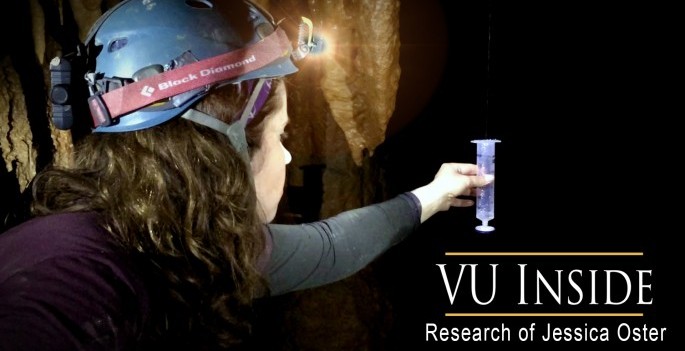
A VU Inside: Professor explores caves for clues to climate change
Jessica Oster is a member of a small group of earth scientists pioneering the use of mineral cave deposits in stalagmites, collectively known as speleothems, as proxies for the prehistoric climate. Read MoreSep 3, 2015
-

New program set to explore effects of music on the mind
Vanderbilt University is seizing the opportunity to become a hub for music research in the heart of Music City. Read MoreSep 3, 2015
-
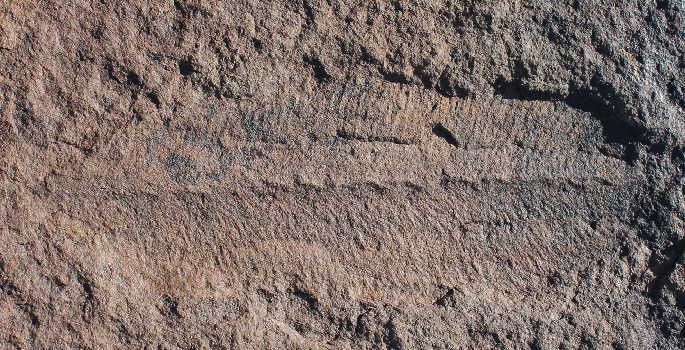
Evidence that Earth’s first mass extinction was caused by critters, not catastrophe
The Earth's first mass extinction event 540 million years ago was caused not by a meteorite impact or volcanic super-eruption, but by the rise of early animals that dramatically changed to prehistoric environment. Read MoreSep 2, 2015