Featured Research
-
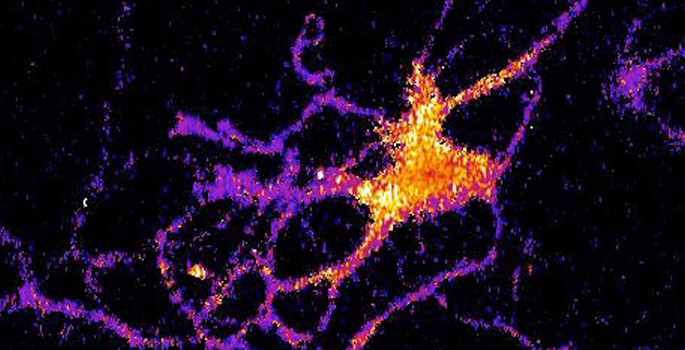
Bioluminescent sensor causes brain cells to glow in the dark
A team of Vanderbilt scientists have genetically modified luciferase, the enzyme that produces bioluminescence, so that it acts as an optical sensor that records activity in brain cells. Read MoreOct 27, 2016
-

Vanderbilt and TN Department of Education partner to support school improvement
The Tennessee Education Research Alliance will carry out research with clear, practical implications for the state’s key education strategies. Read MoreOct 20, 2016
-

Today’s self-taught typists almost as fast as touch typists – as long as they can see the keyboard
Sometimes you can't improve on a classic method: Touch typing is still the fastest. Read MoreOct 18, 2016
-
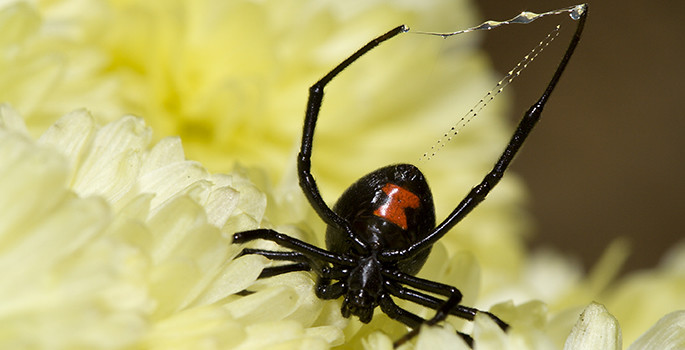
Virus carrying DNA of black widow spider toxin discovered
DNA related to black widow spider toxin been discovered in a phage that infects the bacterial parasite Wolbachia. It is the first time animal-like DNA has been found in a bacterial virus. Read MoreOct 11, 2016
-

Cave study designed to solve puzzle of prehistoric megadroughts in the western U.S.
Paleoclimatic cave study in California is designed to identify the factors that made megadroughts commonplace in the western U.S. from 5,000 to 8,000 years ago. Read MoreAug 26, 2016
-

Total number of neurons—not enlarged prefrontal region—hallmark of human brain
Research by Associate Professor of Psychology Suzana Herculano-Houzel finds that human intelligence comes from the number of neurons in our brains—and it was the invention of cooking that made neuron development possible. Read MoreAug 9, 2016
-
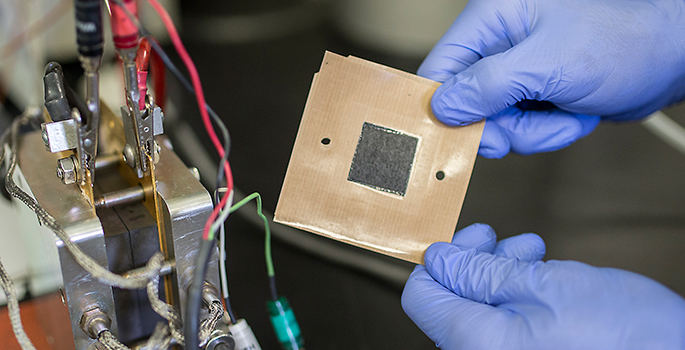
Using nanotechnology to give fuel cells more oomph
Researchers from Vanderbilt University have developed porous polymer-fiber electrodes that may make fuel cells more powerful. Read MoreAug 8, 2016
-

Discovery of male-harming DNA mutation reinforces ‘mother’s curse’ hypothesis
There is new evidence that the "mother’s curse" – the possibility that moms may transmit genes to their children that harm their sons but not their daughters – holds true in animals. Read MoreAug 2, 2016
-

Vanderbilt study debunks “phantom liquidity” problem caused by high-frequency traders
Despite calls to curtail high-frequency trades, researchers find indications that the practice helps lower costs for traders. Read MoreJul 27, 2016
-

Using virtual reality to help teenagers with autism learn how to drive
A team of engineers and psychologists have developed a virtual reality driving simulator designed to help teenagers with autism spectrum disorder learn to drive, a key skill in allowing them to live independent and productive lives. Read MoreJul 21, 2016
-

Super-eruptions may give only a year’s warning before they blow
A microscopic analysis of quartz crystals from an ancient California super-eruption indicates that the process of decompression preceding the eruption took place less than a year before. Read MoreJul 20, 2016
-

‘Dark pools’ threaten market governance of financial markets
The major stock exchanges need new methods of regulation because of "dark pools," trading platforms that allow trades to remain private for a short while, says Vanderbilt finance expert Yesha Yadav. Read MoreJul 14, 2016
-

These days, fecal transplantation is no joke
Fecal transplants are increasingly being used to treat certain human illnesses and more scientists have begun to research the transplants' effects in animals. Read MoreJul 12, 2016
-
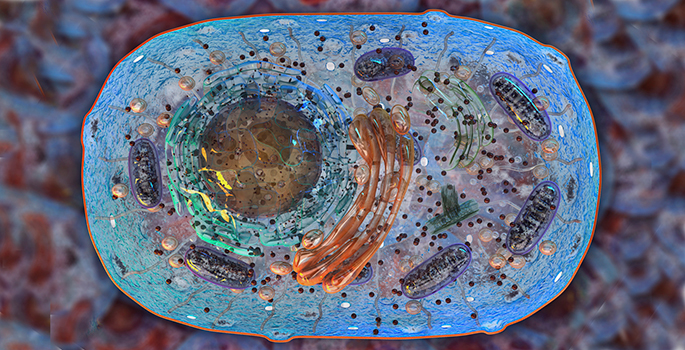
When mitochondrial genes act up
A team of Vanderbilt scientists have identified some of the methods that mutant mitochondrial DNA use to circumvent the molecular mechanisms that cells use to regulate mitochondrial activity. Read MoreJul 12, 2016
-

Vanderbilt study shows people with Alzheimer’s have lower ability to perceive pain
People with Alzheimer’s disease don’t perceive pain as readily as healthy older adults, and this may lead to delays and underreporting of pain. This alteration in pain detection may be one reason that people with Alzheimer’s disease and pain tend to be undermedicated and suffer unnecessarily, a trans-institutional group of Vanderbilt researchers reported recently in BMC Medicine. Read MoreJul 12, 2016
-

Antidepressants: A treatment for bad marriages?
Psychiatrists usually treat marriage troubles by prescribing drugs meant for depression, a new study from Vanderbilt University shows. Read MoreJul 7, 2016
-

A little spark for sharper sight
Stimulating the brain with a mild electrical current can temporarily sharpen vision without glasses or contacts, Vanderbilt University researchers have found. (But please don't try this at home.) Read MoreJun 30, 2016
-

How to get the most from Millennial and Generation Z employees
Millennials have emerged as the largest age cohort in today’s U.S. workforce, bringing digital savvy and an "always-on" mentality to most jobs. Yet, millennials and the upcoming Generation Z are also challenging traditional employers with their professional restlessness and increased need for feedback and mentoring. Read MoreJun 21, 2016
-

Study gives new meaning to the term ‘bird brain’
The first study to systematically measure the number of neurons in the brains of birds has found that they have significantly more neurons packed into their small brains than are stuffed into mammalian and even primate brains of the same mass. Read MoreJun 13, 2016
-
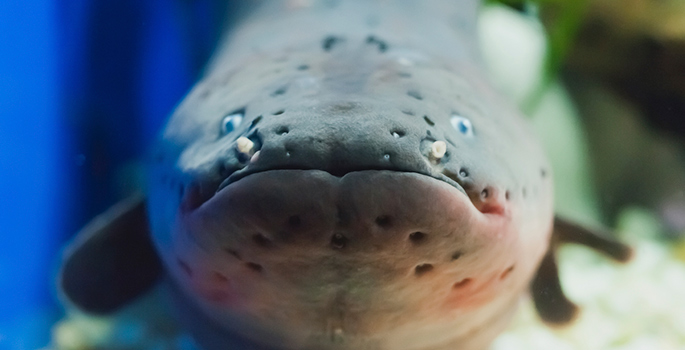
Electric eels make leaping attacks
Vanderbilt biologist Kenneth Catania has accidentally discovered that electric eels can make leaping attacks that dramatically increase the strength of the electric shocks they deliver. In doing so, Catania has confirmed a 200-year-old observation by famous 19th-century explorer and naturalist Alexander von Humboldt. Read MoreJun 6, 2016