Astrophysics
-

Listening to the cosmos: Dual federal wins propel Vanderbilt’s lunar science and workforce vision
When humans return to the lunar surface in the coming decade, the tools they carry to listen to the earliest echoes of deep space will bear the distinct imprint of Vanderbilt University research and design. Karan Jani, assistant professor of physics and astronomy and of electrical and computer engineering, and founding director of the Vanderbilt Lunar Labs Initiative, is the principal investigator on two new federal awards that will fuel development of the Laser Interferometer Lunar Antenna, a gravitational-wave observatory program for the moon. Read MoreSep 28, 2026
-
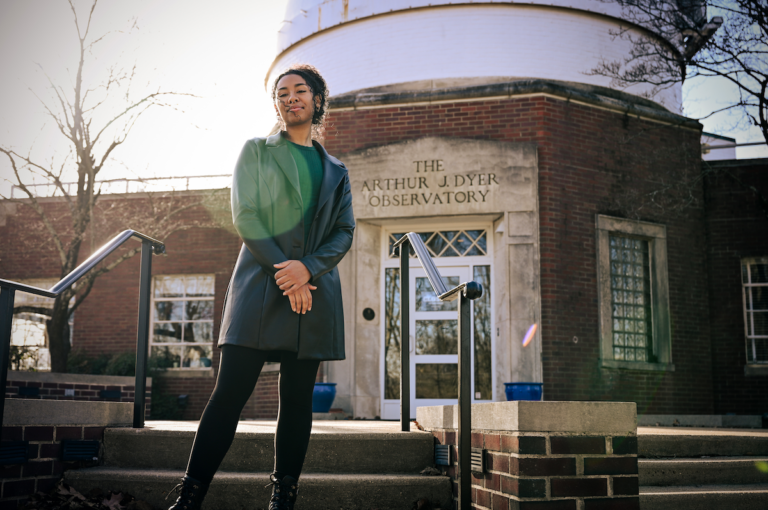
Bridging the gap: Combining music and astrophysics to improve representation in science
Vanderbilt graduate student Shaniya Jarrett created a community outreach project that introduces Black girls to astronomy by incorporating music. AstroBeats: Sounds of the Cosmos brings together local middle-school Black girls to translate NASA data into unique musical compositions, teaching the importance of thinking creatively about how to interpret scientific data. Read MoreFeb 29, 2024
-

From Scaling Success to NSF: Vanderbilt, Fisk create winning formula in multi-messenger astronomy
The Fisk-Vanderbilt Master’s-to-Ph.D. Bridge Program, emphasizing multi-messenger astronomy, utilized strategic funding from a Scaling Success Internal Award to secure a $1.7 million NSF grant. This collaborative journey, focusing on inclusive STEM education and innovative training approaches, highlights the power of adaptability and vision in research endeavors. Read MoreOct 12, 2023
-
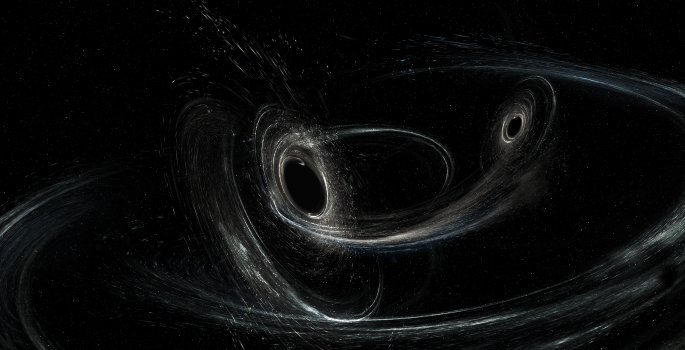
How many stars eventually collide as black holes? The universe has a budget for that.
A promising new study developed by one Vanderbilt astrophysicist may give us a method for finding the number of available stars in the history of the universe that collide as binary black holes. Read MoreJan 31, 2020
-
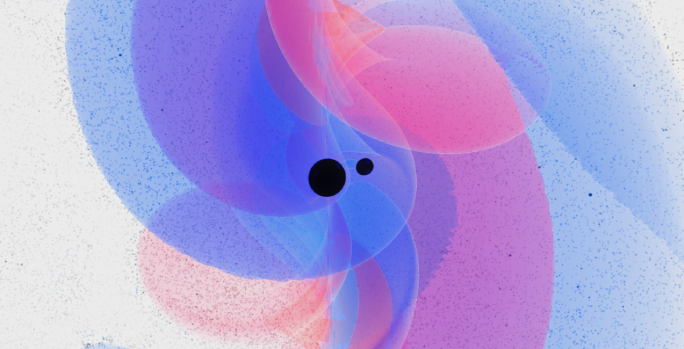
Here’s how a Vanderbilt astrophysicist plans to observe a black hole ‘symphony’ using gravitational wave astronomy
New research led by Vanderbilt astrophysicist Karan Jani presents a compelling roadmap for capturing intermediate-mass black hole activity. Read MoreNov 18, 2019
-
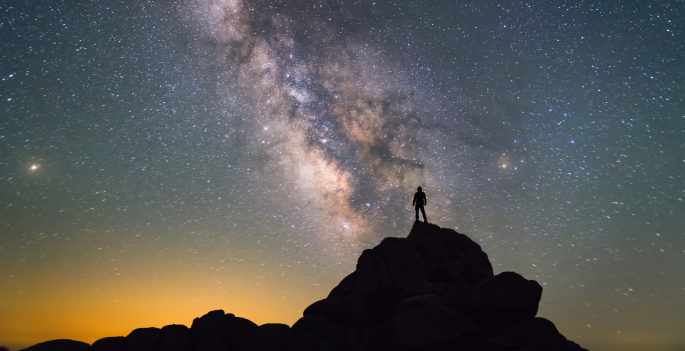
National Academies committee including Vanderbilt astrophysicist publishes review of latest NASA Science Plan
An astrophysicist at Vanderbilt is part of the committee behind a review of NASA’s updated Science Plan, a five-year strategic roadmap for NASA’s Science Mission Directorate. Read MoreOct 18, 2019
-

Consider the Martians: Scientists need to confirm whether life exists on Mars before sending humans
Before we go further and send humans to Mars, we need to know if doing so could trigger the extinction of existing life on the planet, writes Professor of Astronomy David Weintraub. Read MoreSep 6, 2018
-
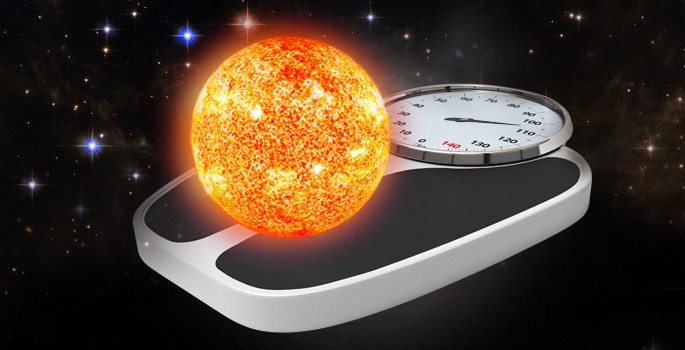
Better way to weigh millions of solitary stars
Astronomers have come up with a new and improved method for measuring the masses of millions of solitary stars, especially those with planetary systems. Read MoreDec 14, 2017
-
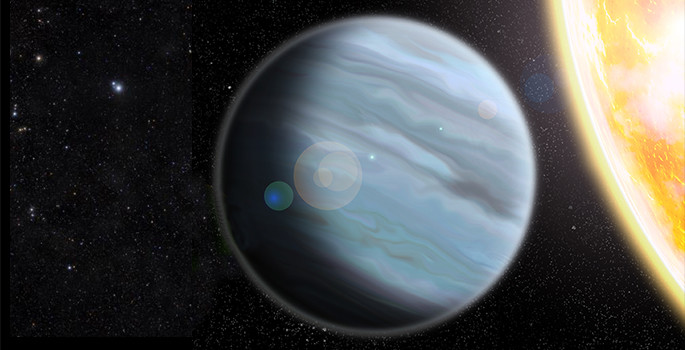
Puffy planet provides opportunity for testing alien worlds for signs of life
Astronomers from Vanderbilt, Lehigh and Ohio State universities have discovered a “puffy planet" with the density of Styrofoam that is an excellent test-bed for probing exoplanets for signs of life. Read MoreMay 18, 2017
-

Astrophysicist explains meaning of the discovery of gravitational waves
Vanderbilt Associate Professor of Physics and Astronomy Kelly Holley-Bockelmann explains the meaning of the first discovery of gravitational waves at TEDx Nashville. Read MoreJun 17, 2016
-
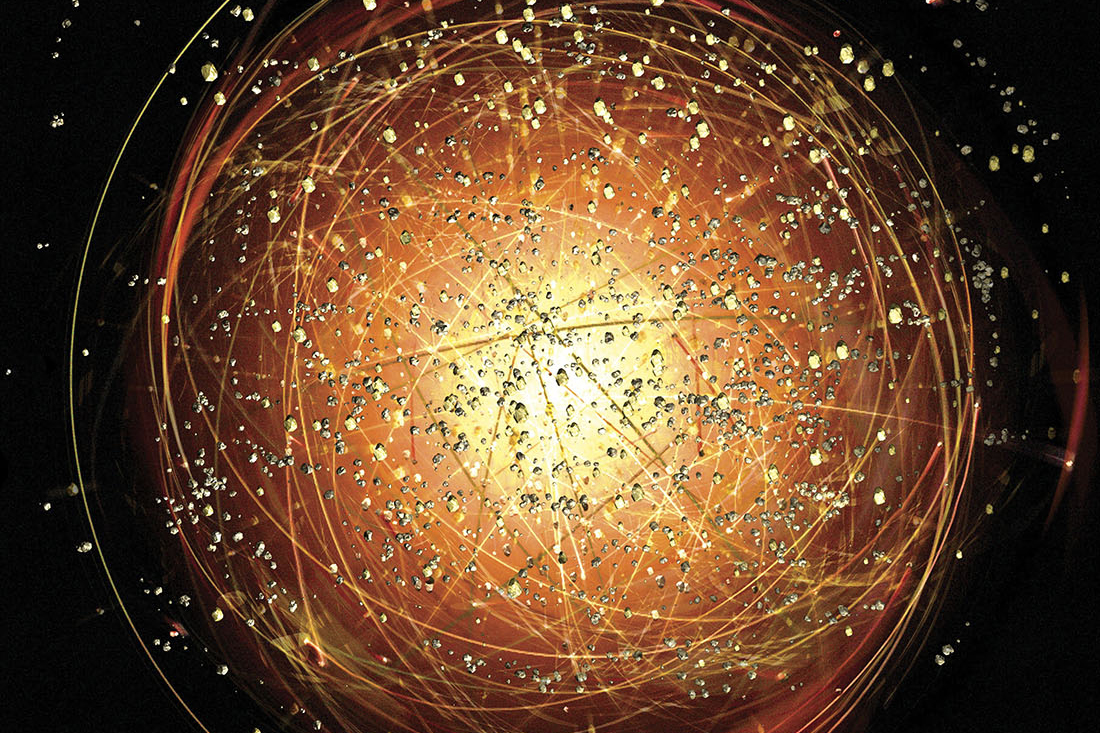
The Search for Earth-Like Planets
Researchers have developed a model that estimates the effect that a star's diet has on its chemical composition. This model will add substantially to astronomers’ understanding of the process of planet formation as well as assist in the ongoing search for Earth-like exoplanets. Read MoreSep 26, 2014
-
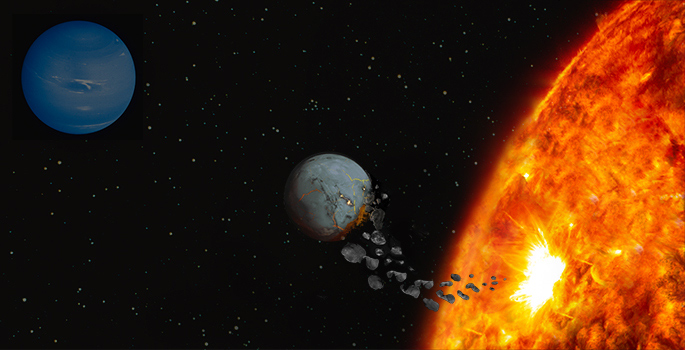
Astronomers identify signature of Earth-eating stars
Vanderbilt astronomers have developed a model that predicts the effect that ingesting earth-like planets has on the chemical composition of stars like the Sun -- a capability that can aid in efforts to find Earth-like exoplanets. Read MoreMay 16, 2014
-
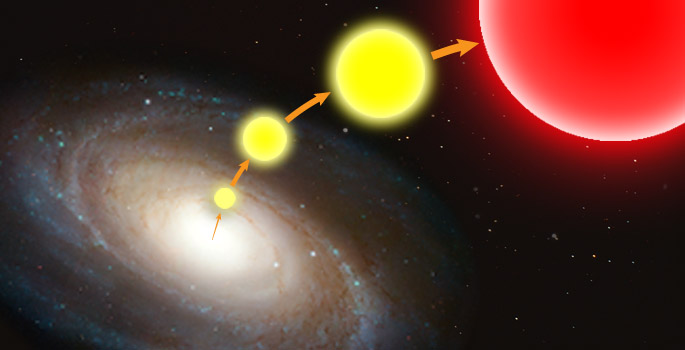
Rogue stars ejected from the galaxy found in intergalactic space
Astronomers have identified nearly 700 rogue stars that appear to have been ejected from the Milky Way galaxy. Read MoreApr 30, 2012