Arts And Science Research
-
Jon Kaas receives Society for Neuroscience’s highest honor for pathbreaking cerebral cortex research
Distinguished psychology professor Jon Kaas has received the Ralph W. Gerard Prize in Neuroscience, the highest recognition from the Society for Neuroscience, for his pathbreaking work in illuminating the structure and function of the cerebral cortex and plasticity in the developing and adult brain. Read MoreNov 23, 2021
-
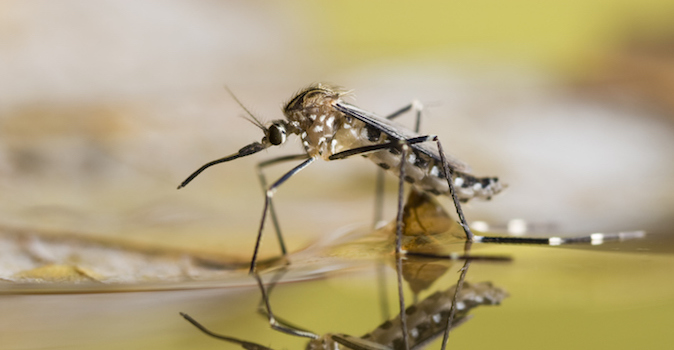
Research Snapshot: Mosquitoes have a mutual symbiotic relationship with malaria-causing pathogen
By reproducing conditions under which malaria occurs in nature, the Zwiebel Lab finds that the deadly pathogens responsible for human malaria provide a specific adaptive advantage to disease-transmitting mosquitoes, explaining the persistence of this ancient disease. Est. reading time: 2 mins. Read MoreNov 19, 2021
-
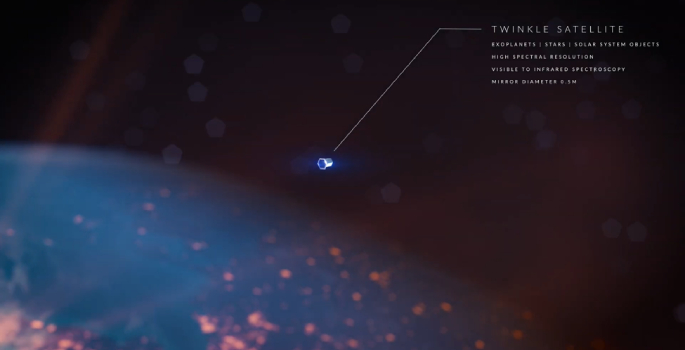
Vanderbilt astronomer co-authors seminal roadmap for the next decade of U.S. research in outer space
Keivan Stassun joins leading astronomers to write "Astro2020," a once-in-a-decade guide for astronomy research, prioritizing gargantuan telescopes on the ground and in orbit as well as increased diversity and inclusion. Read MoreNov 15, 2021
-
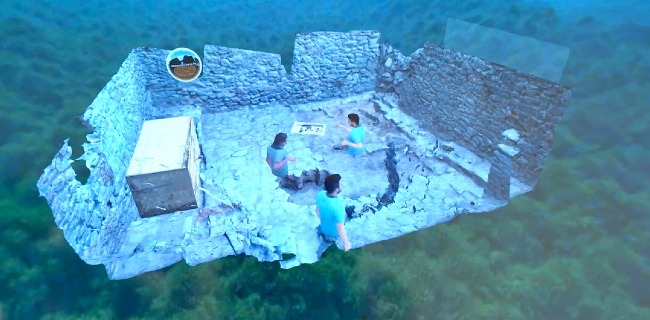
NSF grants support Vanderbilt in high-tech archaeology information revolution
Vanderbilt archaeologist and historical anthropologist Steve Wernke and postdoctoral fellow Giles Morrow are exploring the remains of a 16th-century church high in the Andes Mountains of Peru, all while giving Vanderbilt students a front-row seat to the research using virtual reality, artificial intelligence and geospatial technologies. Read MoreNov 12, 2021
-
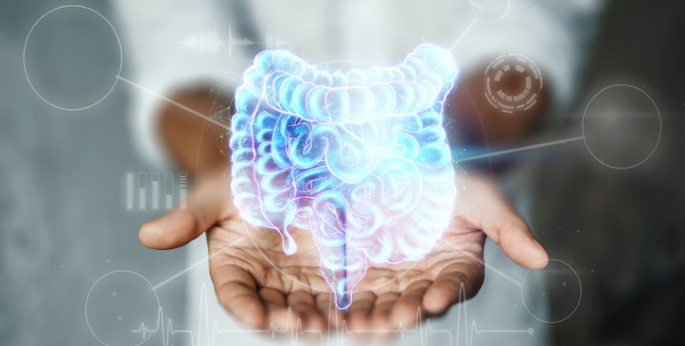
Research Snapshot: Darwin’s magnificent mystery and the microbiome
Vanderbilt researchers are reimagining Charles Darwin’s work by communicating how the origin of species might depend largely on the microbiome—the totality of bacteria, viruses, fungi and other organisms—living in or on a host body. Read MoreNov 1, 2021
-
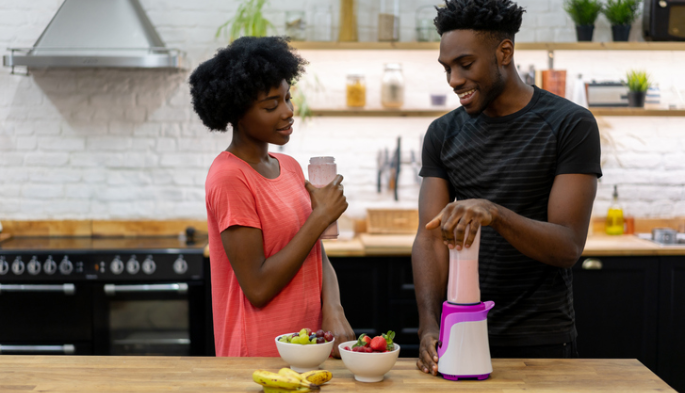
Research Snapshot: Eat breakfast and stop late-night snacking
Eating a larger, protein-filled breakfast is one of the best ways to maintain a healthy weight. A smaller but still significant change would be to avoid late-night snacking. Est. reading time: 3.5 mins. Read MoreOct 28, 2021
-
Vanderbilt Microbiome Innovation Center launched as hub for resources, education, and research
The Vanderbilt Microbiome Initiative has been renamed the Vanderbilt Microbiome Innovation Center. It will offer a hub of resources for education, outreach and research around the microbiome—the community of microorganisms such as bacteria, fungi and viruses that are crucial to sustaining life ecosystems. Read MoreOct 27, 2021
-
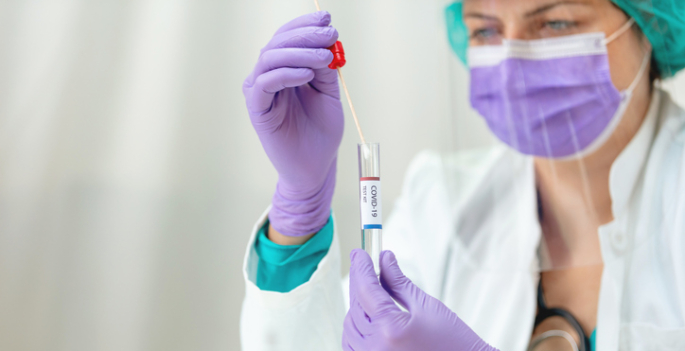
Research Snapshot: COVID-19 virus test sensitivity varies with body’s circadian rhythm
Carl Johnson, Cornelius Vanderbilt Professor of Biological Sciences and expert in biological clocks, identifies temporal component to COVID-19 viral shedding. Est. reading time: 2.5 mins. Read MoreOct 26, 2021
-
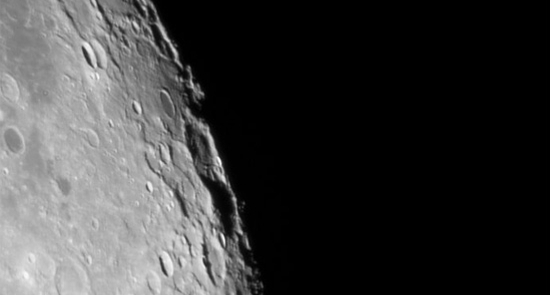
Vanderbilt astrophysicist leads international workshop to turn plans for a crewed lunar observatory into reality
Karan Jani, research assistant professor of physics and astronomy, convened experts from around the world at the European Gravitational Observatory in Italy to further explore the possibility of detecting gravitational waves on the moon. Read MoreOct 25, 2021
-
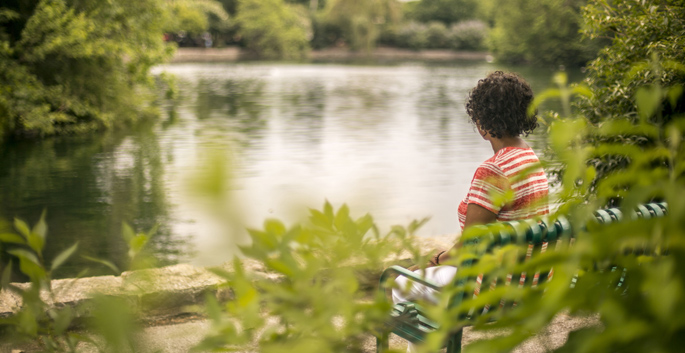
Research Snapshot: Mindfulness may provide brain benefits beyond mental health
Eight-week mindfulness programs improve brain health in people over 60. Read MoreOct 5, 2021
-
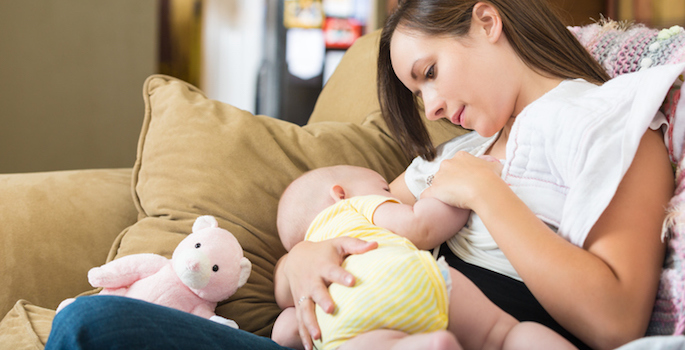
Research Snapshot: Sugar compounds in breast milk relieve uncomfortable side effects caused by chemotherapy
Steven Townsend, associate professor of chemistry, and Fang Yan, research professor of pediatrics and cell and development biology, have discovered how a sugar in human breast milk mitigates damage to the small intestines caused by chemotherapy-induced mucositis. Read MoreOct 4, 2021
-
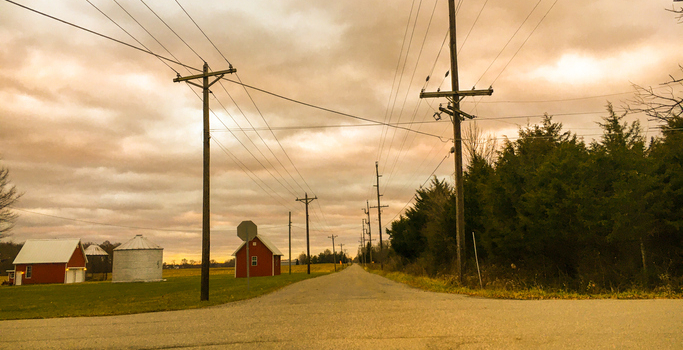
Vanderbilt and University of Tennessee-Knoxville win Sustainable Regional Systems Research Network grant from National Science Foundation
Vanderbilt faculty Jonathan Gilligan and Janey Camp will work with researchers from the University of Tennessee-Knoxville and involved entities to propose a large-scale research network with the goal of improving interrelated electric, transportation and communications services in areas with infrastructure served by the Tennessee Valley Authority. Read MoreSep 30, 2021
-
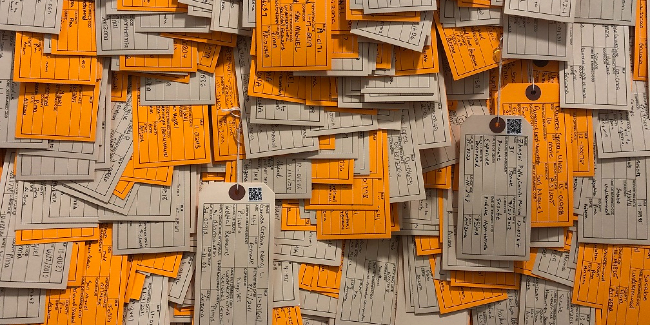
‘Hostile Terrain 94’ participatory art installation invites public to engage with humanitarian issues at U.S.-Mexico border
Vanderbilt University’s Center for Latin American, Caribbean and Latinx Studies will host a participatory art installation that aims to raise community awareness about the human side of undocumented migration at the U.S.-Mexico border. Read MoreSep 8, 2021
-
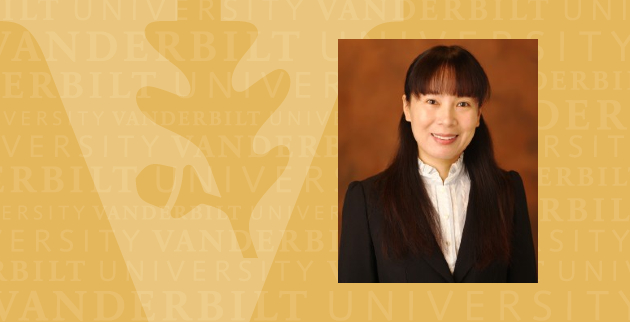
Innovative research on double-edged role of social networks across societies wins 2021 Best Publication Award
Associate Professor of Sociology Lijun Song explored whether social network connections harmed or hurt one’s well-being in published research that won the American Sociological Association’s 2021 Best Publication Award in the Sociology of Mental Health Section. Read MoreSep 7, 2021
-
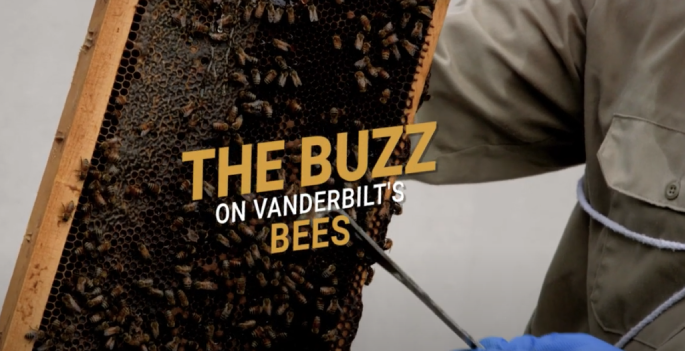
The buzz on Vanderbilt’s bees
Hundreds of acres of trees, green spaces and gardens across Vanderbilt’s campus support thousands of bees that live on the roof of the Jean and Alexander Heard Central Library. Read MoreAug 23, 2021
-
Research Snapshot: How will the global community react if vulnerable nations pioneer solar radiation geoengineering
Simulating controversial responses to climate change, researchers illustrate how a small group of nations may influence climate change in the decades to come. Est. reading time: 2 mins. Read MoreAug 23, 2021
-
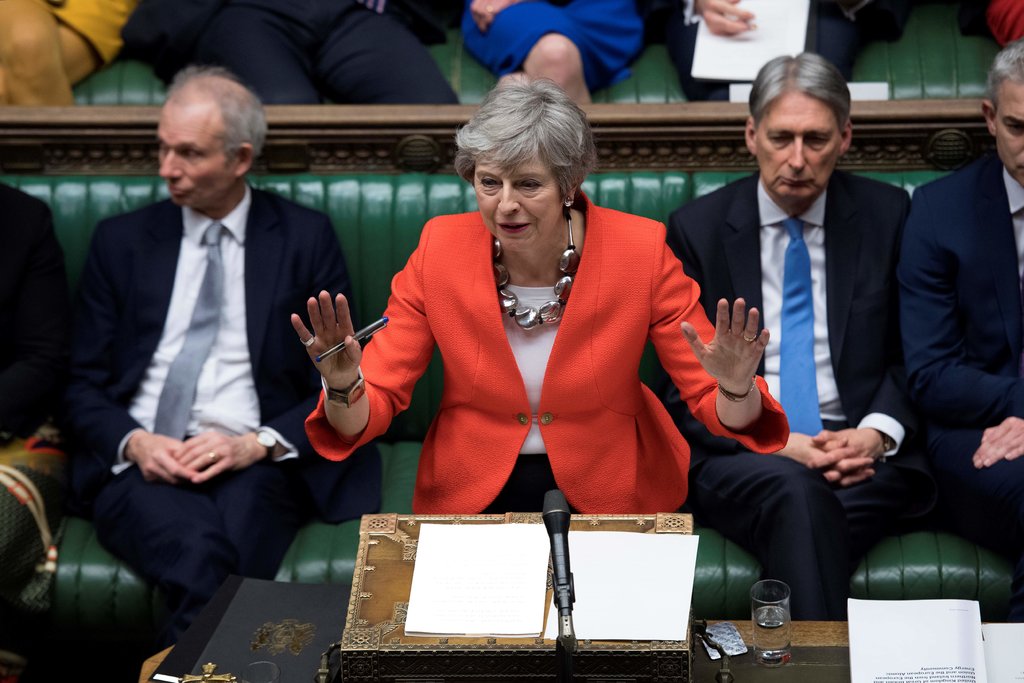
Slump, not bump: Women leaders less likely than men to receive support following major terrorist attacks
Vanderbilt University research from Professor of Political Science Elizabeth Zechmeister shows that gendered beliefs about leadership mean that women heads of state are less likely than men to receive a bump in support after an international terrorist incident. Read MoreAug 23, 2021
-
New leader’s vision for Center for Latin American Studies will build on institution’s historical success while combining with Latinx studies
Professor Celso Castilho will lead the Center for Latin American Studies with a vision to expand its research agenda to include Latinx studies, increase engagement with the local Latinx community and establish Vanderbilt University as a thought leader in the study of Latinos in the South. Read MoreAug 18, 2021
-
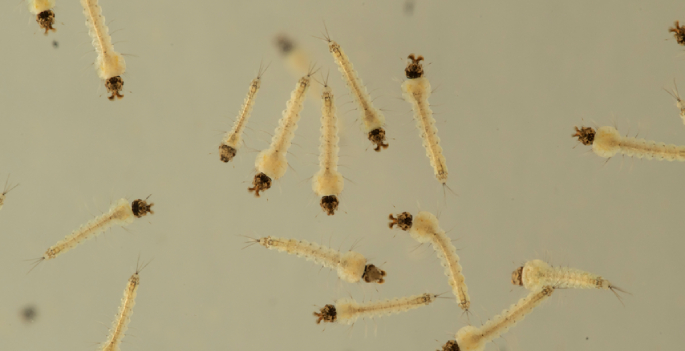
Research Snapshot: Mosquito larvae are surprisingly complex
L.J. Zwiebel and his lab show that mosquito larvae, the age group targeted for most control programs, are far more sophisticated than previously thought. Est. reading time: 2 mins. Read MoreAug 17, 2021
-

NSF unveils $20 million AI institute with Vanderbilt and partner institutions
Vanderbilt University engineering and education faculty are part of a new $20 million research institute funded by the National Science Foundation that aims to create artificial intelligence tools to advance human learning and education. Read MoreJul 29, 2021