Life, Earth And Space
-

Primordial cosmic soup easier to create than previously thought
In subatomic collisions, physicists have found the signature of primordial cosmic soup, from which all the stuff in the universe formed, at lower energies and in smaller volume than ever before. Read MoreOct 3, 2017
-

Vanderbilt graduate research assistant receives national defense fellowship
Matthew Feldman, a graduate research assistant in physics and astronomy, is one of only 195 students nationwide who have been awarded a National Defense Science and Engineering Graduate (NDSEG) Fellow Read MoreSep 22, 2017
-
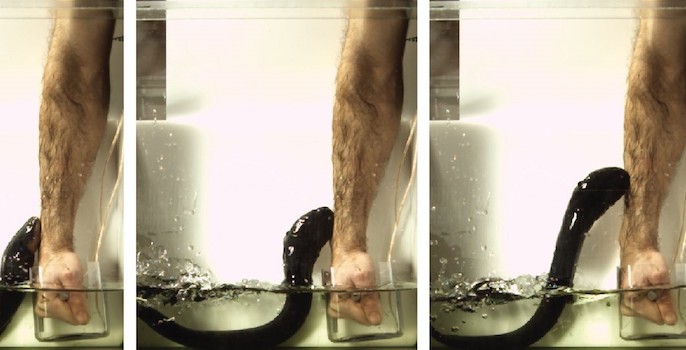
Biologist reaches into electric eel tank, comes out with equation to measure shocks
Ken Catania stuck his arm into a tank with an electric eel 10 times -- the only way to get accurate measurements of the circuit created by animal, arm and water. Read MoreSep 14, 2017
-

New research on Fragile X syndrome reinforces importance of early detection
New insights into the long-lasting effects of Fragile X syndrome on connections in the brain during early development highlight the importance of early detection and treatment. Read MoreAug 25, 2017
-

Sugars in human mother’s milk are non-toxic antibacterial agents
A new study has found that sugars in mother's' milk do not just provide nutrition for babies but also help protect them from bacterial infections. Read MoreAug 20, 2017
-
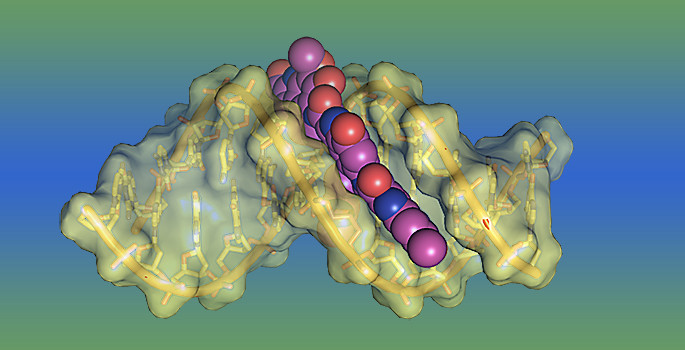
Deciphering potent DNA toxin’s secrets
Vanderbilt researchers uncover the secret of the remarkable potency of the DNA toxin yatakemycin, which could someday be harnessed to fight cancer. Read MoreAug 1, 2017
-

Multitasking monolayers
Scientists have discovered a natural process that makes patterned monolayers suitable for creating a wide variety of novel materials with dual optical, magnetic, catalytic or sensing capabilities. Read MoreJul 21, 2017
-
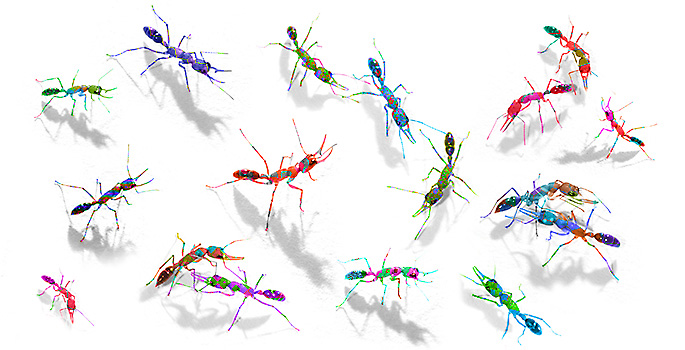
Decoding ants’ coat of many odors
A team of biologists report a major advance in deciphering the molecular genetics underlying the ant's high-definition sense of smell, an ability that underpins their highly complex society. Read MoreJul 10, 2017
-

Wet and stormy weather lashed California coast…8,200 years ago
A study of stalagmite records from the White Moon Cave in the Santa Cruz Mountains finds the California coast was lashed by exceptionally wet and stormy weather for 150 years...8,200 years ago. Read MoreJun 20, 2017
-

Astronomers discover exoplanet hotter than most stars
Astronomers at Vanderbilt and Ohio State have discovered a planet like Jupiter zipping around its host star every day, boiling at temperatures hotter than most stars with a giant cometary tail. Read MoreJun 5, 2017
-
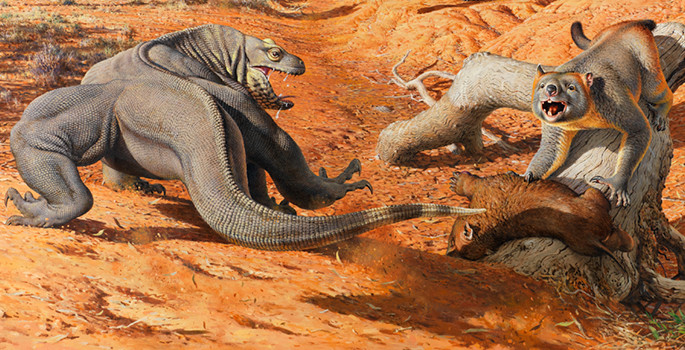
Climate change took away ancient animals’ food supply; holds implications for today’s wildlife
Analysis suggests that climate change had a significant impact on megafauna diets and was a primary factor in their extinction. Read MoreJun 2, 2017
-

Vanderbilt researchers studying Bangladesh for harbinger of climate change impact
An island off the nation's coast demonstrates land use mismanagement can be far more damaging than rising sea levels. Read MoreJun 2, 2017
-
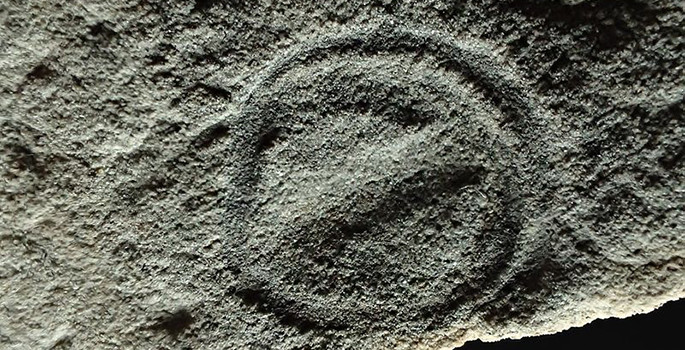
Life in the Precambrian may have been much livelier than previously thought
An interdisciplinary study suggests the strange creatures that lived in the Garden of the Ediacaran more than 540 million years ago may have been much more dynamic than experts have thought. Read MoreMay 18, 2017
-

Puffy planet provides opportunity for testing alien worlds for signs of life
Astronomers from Vanderbilt, Lehigh and Ohio State universities have discovered a “puffy planet" with the density of Styrofoam that is an excellent test-bed for probing exoplanets for signs of life. Read MoreMay 18, 2017
-
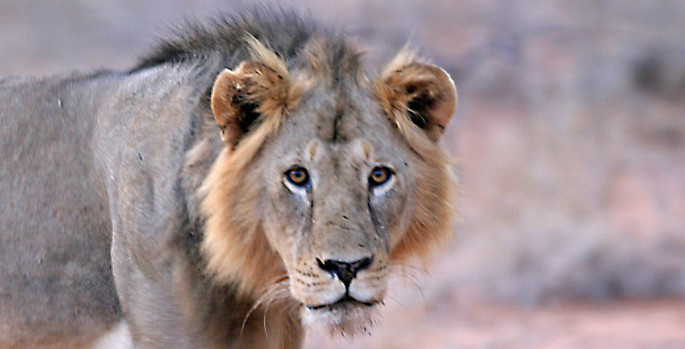
The tale teeth tell about the legendary man-eating lions of Tsavo
Analysis of the microscopic wear on the teeth of three man-eating lions reveals that painful dental disease may have been what drove the cats to hunt humans instead of larger prey. Read MoreApr 19, 2017
-
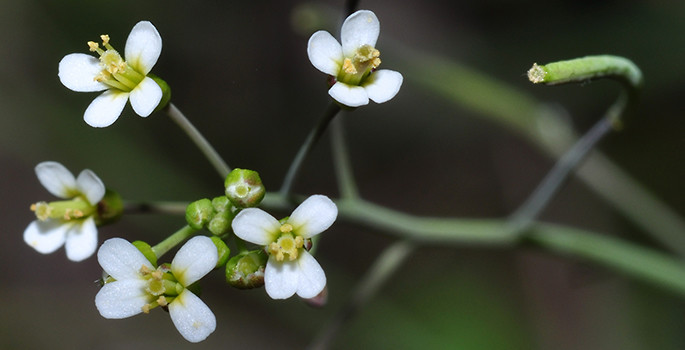
New method for tapping vast plant pharmacopeia to make more effective drugs
Geneticists have developed an effective new method for identifying the genes that produce the chemicals plants use to protect themselves from predators, which are an important natural drug source. Read MoreApr 14, 2017
-
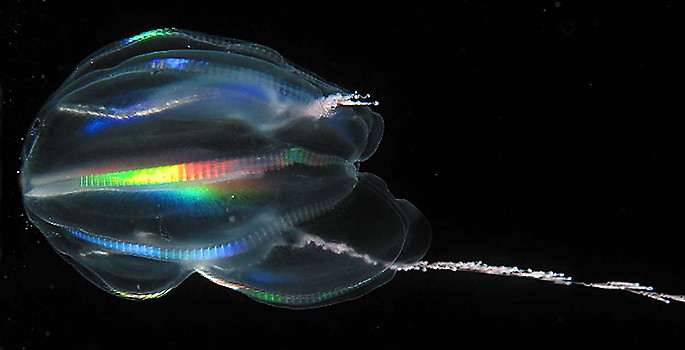
Forget sponges: the earliest animals were marine jellies
A powerful new method has been devised to settle contentious phylogenetic tree-of-life issues. such as "What is the oldest branch of the animal family tree?" Read MoreApr 10, 2017
-

‘Flying saucer’ quantum dots hold secret to better, brighter lasers
Vanderbilt University chemists collaborated in research that ‘squashes’ the shape of nanoparticles to create inexpensive lasers that continuously emit light in a customizable rainbow of colors. Read MoreMar 20, 2017
-
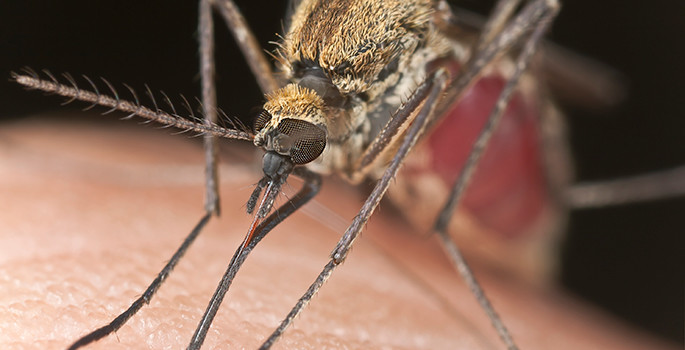
For female mosquitoes, two sets of odor sensors are better than one
A team of Vanderbilt biologists has found that the malaria mosquito has a second complete set of odor receptors that are specially tuned to human scents. Read MoreMar 15, 2017
-
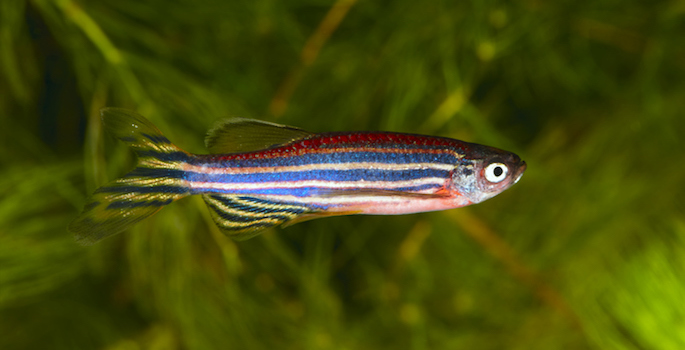
Fish eyes may hold key to regenerating human retinas
Research into retinal regeneration in zebrafish has identified a signal that appears to trigger the self-repair process, raising the possibility of inducing retinal repair in human eyes. Read MoreMar 9, 2017