Research
-
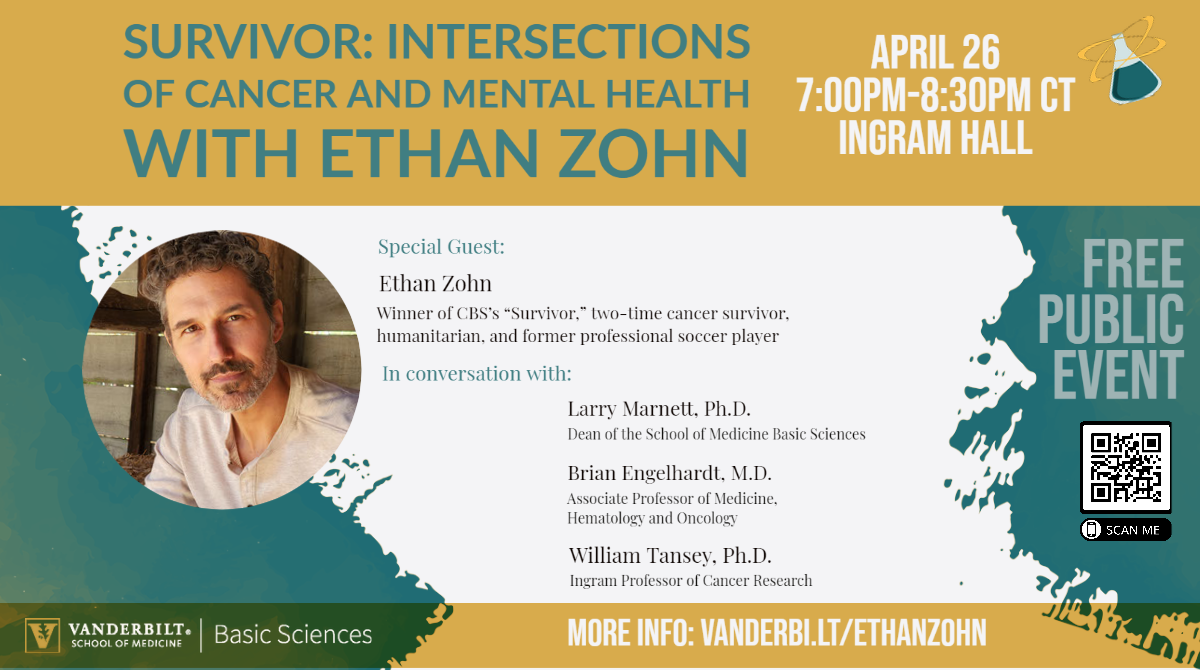
Attend ‘Survivor: Intersections of Cancer and Mental Health with Ethan Zohn’ on April 26
Ethan Zohn, winner of the CBS reality show Survivor, two-time cancer survivor, humanitarian and former professional soccer player, will discuss his journey with reality television, cancer, mental health and humanitarian work as part of the School of Medicine Basic Sciences’ monthly Lab-to-Table Conversations on Tuesday, April 26. Read MoreApr 8, 2022
-
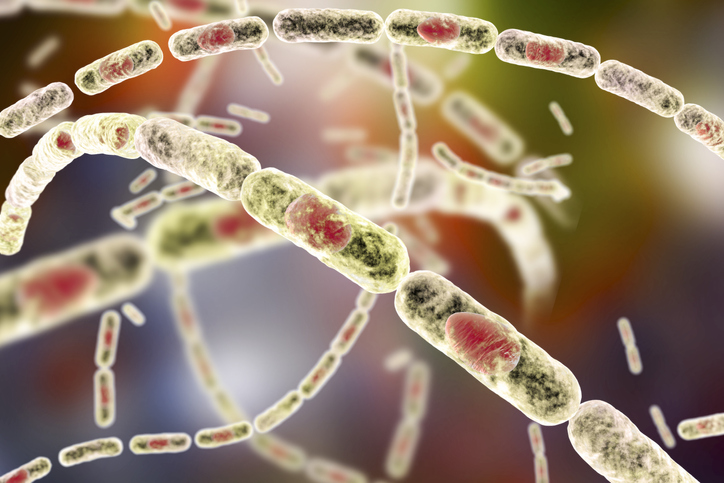
Study advances understanding of bacterial bioterrorism agent
Vanderbilt researchers have identified a critical regulatory factor in the bacterium that causes the disease anthrax and has been used as a biological weapon. Read MoreApr 7, 2022
-
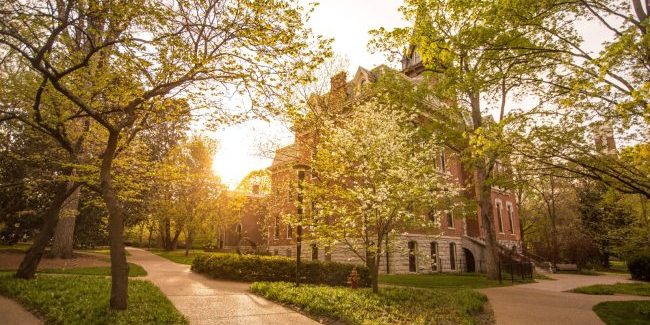
Vanderbilt University, Medical Center reach $1B milestone together in research funding
Faculty at Vanderbilt University and Vanderbilt University Medical Center achieved a significant milestone in 2021: more than $1 billion in research funding awarded from external organizations. Read MoreApr 5, 2022
-

Study finds 10-second videos predict blood cancer relapse
Biomedical engineering prof says study raises the prospect of a new application of diagnostic optical biopsy by Paul Govern In a new study from Vanderbilt University Medical Center, 10-second videos of white blood cell motion in the skin’s microvasculature greatly improved the prediction of which stem cell and bone marrow transplant patients would have a relapse... Read MoreApr 4, 2022
-
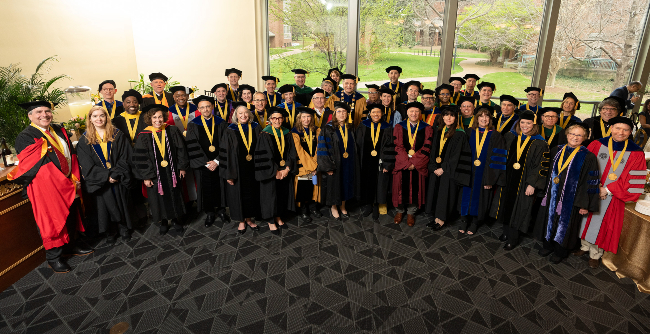
36 scholars honored at endowed chair investiture ceremony
Vanderbilt Chancellor Daniel Diermeier and Provost and Vice Chancellor for Academic Affairs C. Cybele Raver honored 36 scholars from across the university at an endowed chair investiture ceremony on campus March 30. Read MoreMar 31, 2022
-
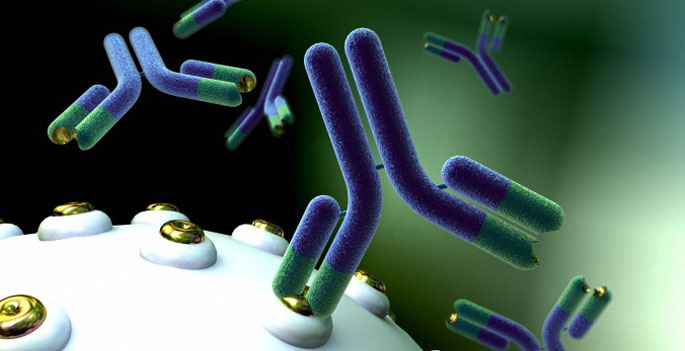
Crowe receives national award for COVID antibody research
Vanderbilt's James Crowe Jr., MD, and Michel Nussenzweig, MD, PhD, of The Rockefeller University, have been jointly awarded the 2022 Harrington Prize for Innovation in Medicine for “groundbreaking work” that enabled the use of human antibodies to treat COVID-19. Read MoreMar 31, 2022
-
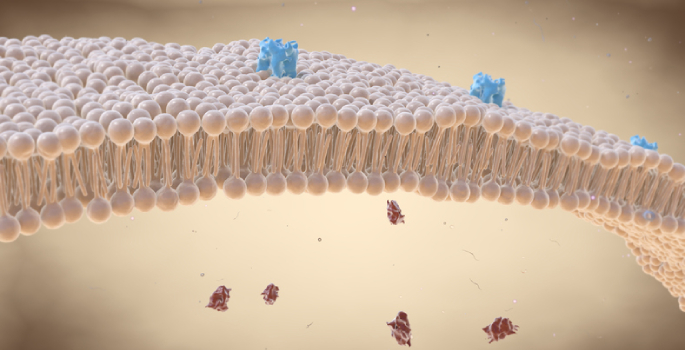
Research Snapshot: Biochemical technique for finding small molecules discovered by Vanderbilt and University of Virginia researchers
A team including the Sanders lab developed a new methodology for finding small molecules associated with lipid rafts, an essential part of cell structure and regulation. Read MoreMar 28, 2022
-

Well-being implications of LGBTQ+ rights issues in Texas, the U.S. South and beyond
Experts from the Vanderbilt LGBT Policy Lab a discussion about the state of research regarding LGBTQ+ rights and policy and the effects of pro- and anti- queer policies on health, education, economic outcomes and overall well-being Read MoreMar 28, 2022
-
Vanderbilt engineering researchers use artificial intelligence to help basketball players improve their shots
To shoot a basketball with precision requires countless hours of practice. Usually, this happens under the watchful eye of a coach, who can provide guidance on the right mechanics of each shot. Now, though, thanks to new research from Vanderbilt University, players may soon be able to use artificial intelligence technology to work on those... Read MoreMar 24, 2022
-
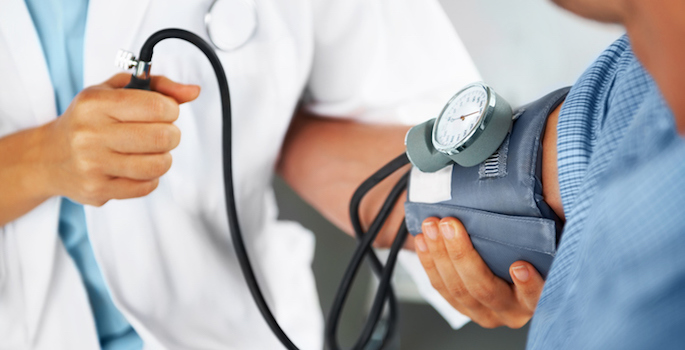
High blood pressure genes improve heart surgery survival in children
Vanderbilt researchers have found that children with a genetic makeup that predicts high blood pressure as adults are more likely to survive congenital heart defect repair surgery. Read MoreMar 24, 2022
-

Coaching Through Technology: Vanderbilt researchers use artificial intelligence to help basketball players improve their shots
To shoot a basketball with precision requires countless hours of practice, usually under the watchful eye of a coach providing guidance on the right mechanics of each shot. Now, thanks to new research from Vanderbilt University, players may soon be able to use artificial intelligence technology to work on those same principles on their own. Read MoreMar 24, 2022
-
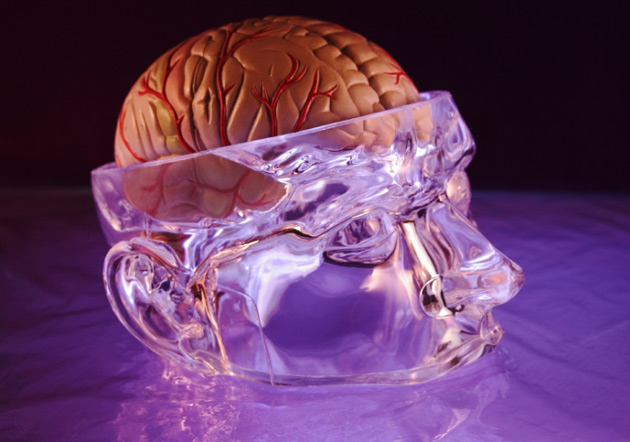
Research Snapshot: Hunger signals, including those from cannabinoids, mapped in the brain
Body-made cannabinoids that fine tune hunger signals in the brain have been mapped, with implications for helping those with deadly feeding-related illnesses Read MoreMar 23, 2022
-

VUSN’s new Leadership Lecture Series kicks off with renowned researcher Peter Buerhaus
Peter Buerhaus, PhD, FAAN, FAANP(h), a renowned researcher who studies the health care workforce and economy will share his expertise on the future of nursing, health equity and the relationship balance between nurses, leadership and educators. He will be the inaugural speaker in a new Leadership Lecture Series presented by the Vanderbilt University School of... Read MoreMar 21, 2022
-

School of Nursing to hold innovative informatics conference for nurse educators
Nursing educators challenged with incorporating nursing informatics into their curriculum in accordance with the new AACN Core Competencies for Professional Nursing Education can get a jump start at a three-day conference offered by Vanderbilt University School of Nursing this summer. The Vanderbilt Informatics Summer Teaching Academy (VISTA) will be July 20-22, 2022, at Vanderbilt’s park-like... Read MoreMar 21, 2022
-
Rubinov awarded $1.1M to study molecular underpinnings of human brain networks on a large scale
Mikail Rubinov, assistant professor of biomedical engineering, computer science, psychiatry and psychology, has been awarded a four-year, $1.1 million grant from the National Institute of Mental Health to better understand the development and organization of brain networks, as well as their change in development and aging. Rubinov and his collaborators will link aspects of gene expression and... Read MoreMar 17, 2022
-
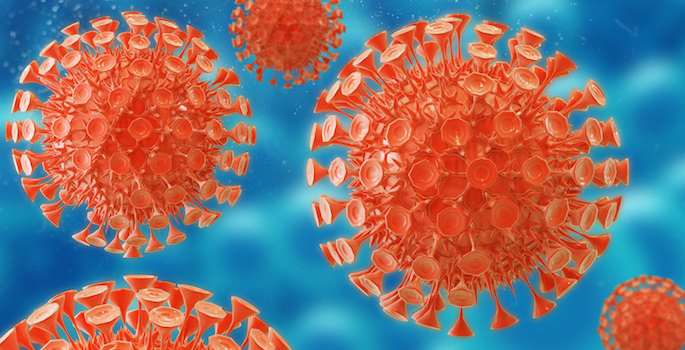
Blood test figures in cancer risk for people with HIV
A Vanderbilt study found that, among adult patients with HIV, those who have lower counts of certain types of blood cells have a markedly higher risk of developing cancer. Read MoreMar 17, 2022
-

Vanderbilt-Metro partnership created to advance collaboration on connected, data-driven services
Vanderbilt University and the Metropolitan Government of Nashville and Davidson County have expanded their working relationship by creating a framework to increase collaboration on projects focused on intelligent and connected urban infrastructure and services. Read MoreMar 14, 2022
-

How to ease your child’s anxiety about the war in Russia-Ukraine
Concerns about strife in a country far from home are adding worries to a generation already on edge from navigating changes in everyday life due to the COVID-19 pandemic. Here are some ideas for how to help. Read MoreMar 11, 2022
-
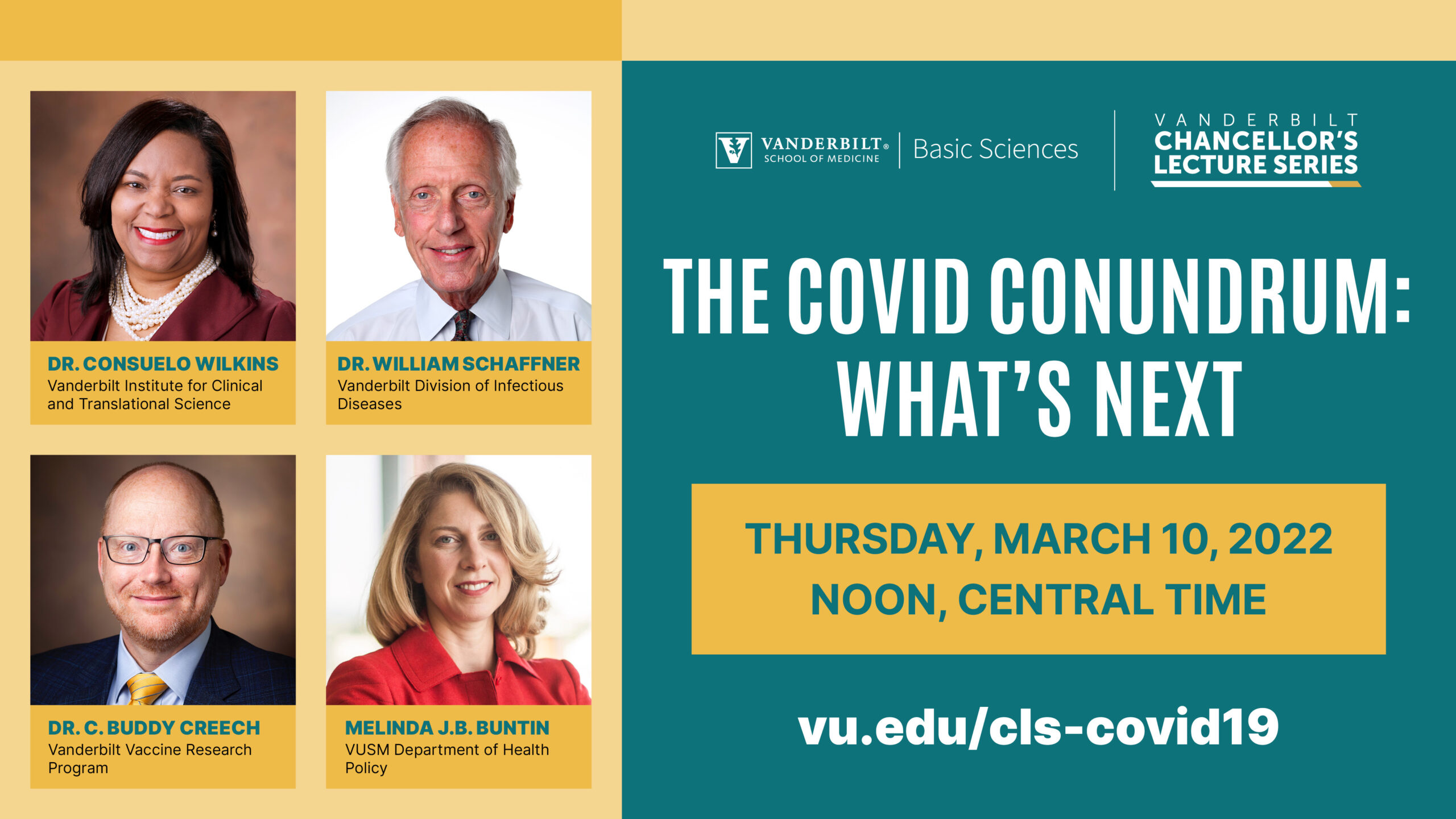
WATCH: Experts discuss what’s next in the COVID-19 pandemic
Some of Vanderbilt University’s leading experts on vaccines, infectious disease and public health came together for a special panel discussion on March 10 to talk about the future of the COVID-19 pandemic. The virtual event, “The COVID Conundrum: What’s Next,” was hosted by the Chancellor’s Lecture Series in partnership with the Vanderbilt School of Medicine Basic Sciences. Read MoreMar 11, 2022
-

Chancellor Diermeier shares new research with multidisciplinary faculty group
Chancellor Daniel Diermeier recently shared the manuscript for his forthcoming book on corporate reputation with a small group of faculty whose diverse areas of expertise reflect the cross-disciplinary approach of his academic research. Read MoreMar 10, 2022