Research
-

VU study reveals shared pathways in psychiatric disorders
Schizophrenia and bipolar disorder share common genetic underpinnings. Vanderbilt researchers combined high-resolution gene expression studies with gene association data to reveal signaling pathways linked to schizophrenia and bipolar disorder. Read MoreSep 18, 2014
-

Research ethics expert Lo set for Discovery Lecture
Bernard Lo, M.D., president of the Greenwall Foundation and director emeritus of the Program in Medical Ethics at the University of California, San Francisco, will deliver the next Flexner Discovery Lecture on Thursday, Sept. 25. Read MoreSep 18, 2014
-
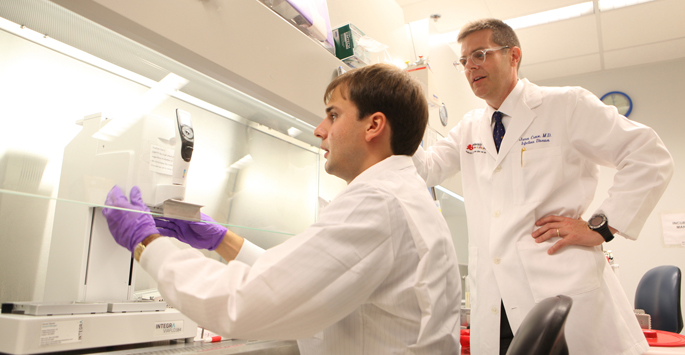
Initiative seeks to develop therapies to combat Ebola
Vanderbilt University researchers have partnered with Mapp Biopharmaceutical Inc. to develop new human antibody therapies for people exposed to the deadly Ebola and Marburg viruses. Read MoreSep 18, 2014
-
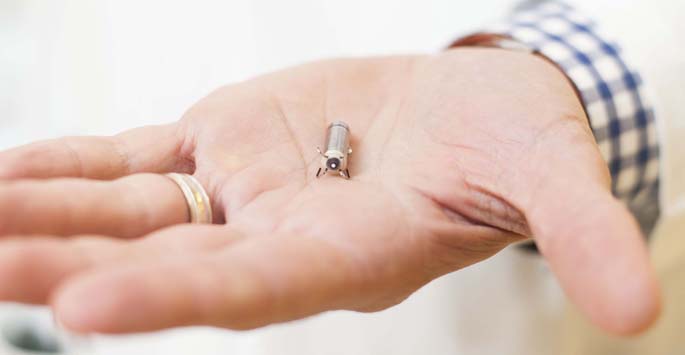
Heart Institute testing world’s tiniest pacemaker
Vanderbilt Heart and Vascular Institute is participating in a global clinical trial to test the safety and efficacy of the world’s smallest pacemaker. Read MoreSep 18, 2014
-

Dioxin, fathers and preterm birth
Exposure of male mice to the pollutant dioxin causes preterm birth across multiple generations, suggesting that efforts to prevent preterm birth should include pre-conception interventions for dads. Read MoreSep 18, 2014
-
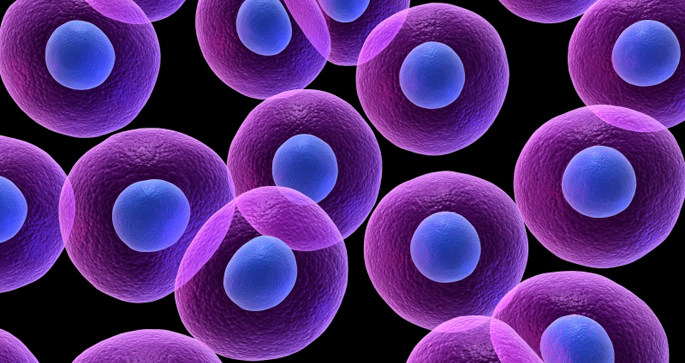
Patient-derived stem cells shed light on pulmonary hypertension
Stem cells derived from patients with pulmonary arterial hypertension provide a unique resource for studying the molecular defects that cause the disease and testing potential therapies. Read MoreSep 16, 2014
-

Early Earth less hellish than previously thought
Conditions on Earth in its first 500 million years may have been cool enough to form oceans of water instead of being hellishly hot. Read MoreSep 15, 2014
-

Schizophrenia ‘switches’ discovered
Drugs developed at Vanderbilt could provide a new way to treat schizophrenia in a personalized way. Read MoreSep 12, 2014
-

Bone healing therapy for NF1 fractures
A combination treatment delivered to the site of fractures may improve bone healing in patients with the genetic disease neurofibromatosis type-1. Read MoreSep 11, 2014
-

Scientific risk assessments may result in more equitable sentences
Vanderbilt law professor Chris Slobogin says recent criticism of using scientific risk assessments during sentencing is misguided. Read MoreSep 11, 2014
-
Engelhardt lands stem cell transplant research grant
Up to 60 percent of patients who receive a stem cell transplant using cells from another donor will develop post-transplant diabetes mellitus, which can increase the rate of complications and death after the procedure. Read MoreSep 11, 2014
-
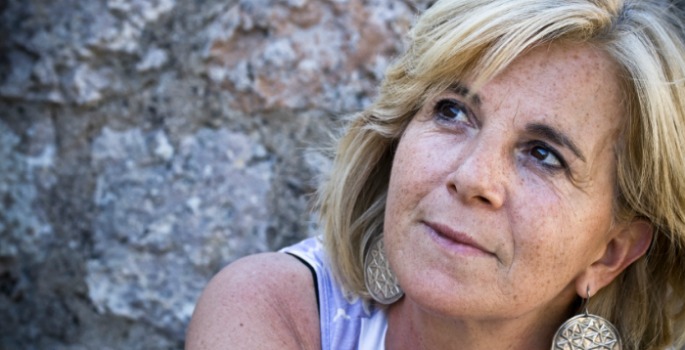
Study tracks new way to fight HIV infection in women
Vanderbilt University’s Richard Caprioli, Ph.D., is participating in a national, federally funded collaboration to develop an intravaginal ring capable of delivering antiretroviral drugs to women at risk for HIV infection. Read MoreSep 11, 2014
-

Skin cancer risks higher for soldiers serving abroad
Soldiers deployed to tropical and sunny climates are coming home with increased risk factors for a threat far from the battlefield: skin cancer. Read MoreSep 11, 2014
-
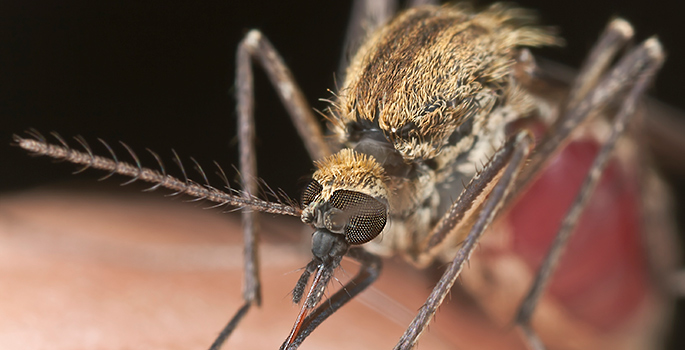
Mosquito facts and fictions
Mosquito researcher Jason Pitts collects interesting facts and stories about his research subjects, nature’s ultimate bioterrorists. Read MoreSep 9, 2014
-

Landmark book ‘Law and Neuroscience’ released
The new book 'Law and Neuroscience' is the definitive reference book on the use of neuroscientific evidence in courtrooms. Read MoreSep 5, 2014
-

When offering someone a job hurts more than it helps
Unsolicited job leads are welcome to the unemployed, but surprisingly stressful for those with jobs. Read MoreSep 5, 2014
-
VU study creates new road map for cellular activity
Human cells are constructed in large part from proteins whose activity can be altered by the incorporation of oxygen in what are known as redox modifications. Read MoreSep 4, 2014
-

Foundation grants bolster autism, dystonia research
Vanderbilt University researchers have received multi-year grants from two private foundations to investigate key signaling proteins that could lead to novel treatments for autism spectrum disorder (ASD) and dystonia, a movement disorder. Read MoreSep 4, 2014
-
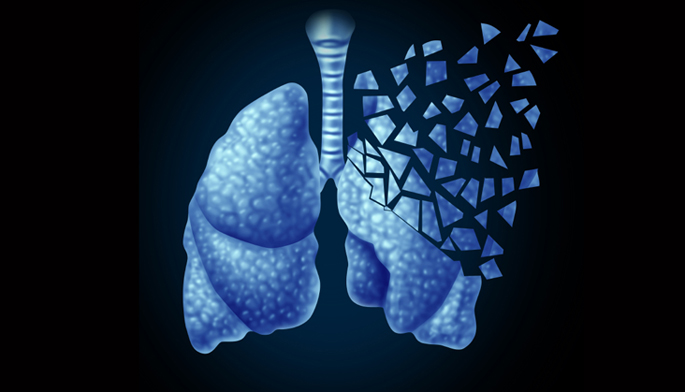
Lung cancer study reveals new drug combination targets
A Vanderbilt lung cancer patient’s exceptional response to different types of therapies spurred research that suggests lung cancer patients with specific gene alterations may benefit from combination therapy that targets two different cancer pathways. Read MoreSep 4, 2014
-
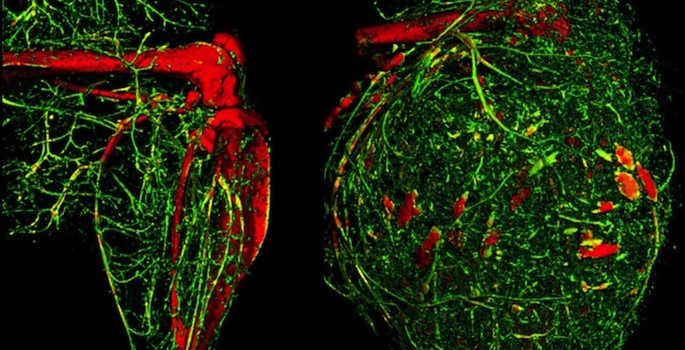
Aggressive bone cancers build more blood vessels
A subpopulation of bone cancer cells may be responsible for driving clinically aggressive behavior, suggesting new treatment options. Read MoreSep 3, 2014