Research
-
Section 504 plans and IEPs for your child: Q&A with special education expert Meghan Burke
By Jennifer Kiilerich and Krystal Schmidt As kids return to school, families considering special education services for their children may wonder where to start. Even after support is in place, Section 504 plans and IEPs can feel overwhelming. Vanderbilt Peabody College researcher Meghan Burke, professor of special… Read MoreAug 25, 2025
-
Engineering professor receives $3.1M NIH grant to develop augmented reality surgery system for precision cochlear implant procedures
Jack Noble, assistant professor of electrical and computer engineering, is working with clinical colleagues to develop and validate an augmented reality vision guidance system to help surgeons place cochlear implants more precisely. The guidance system leverages emerging artificial intelligence technology and uses inexpensive, commonly available equipment, making it practical for many operating rooms. Read MoreAug 22, 2025
-
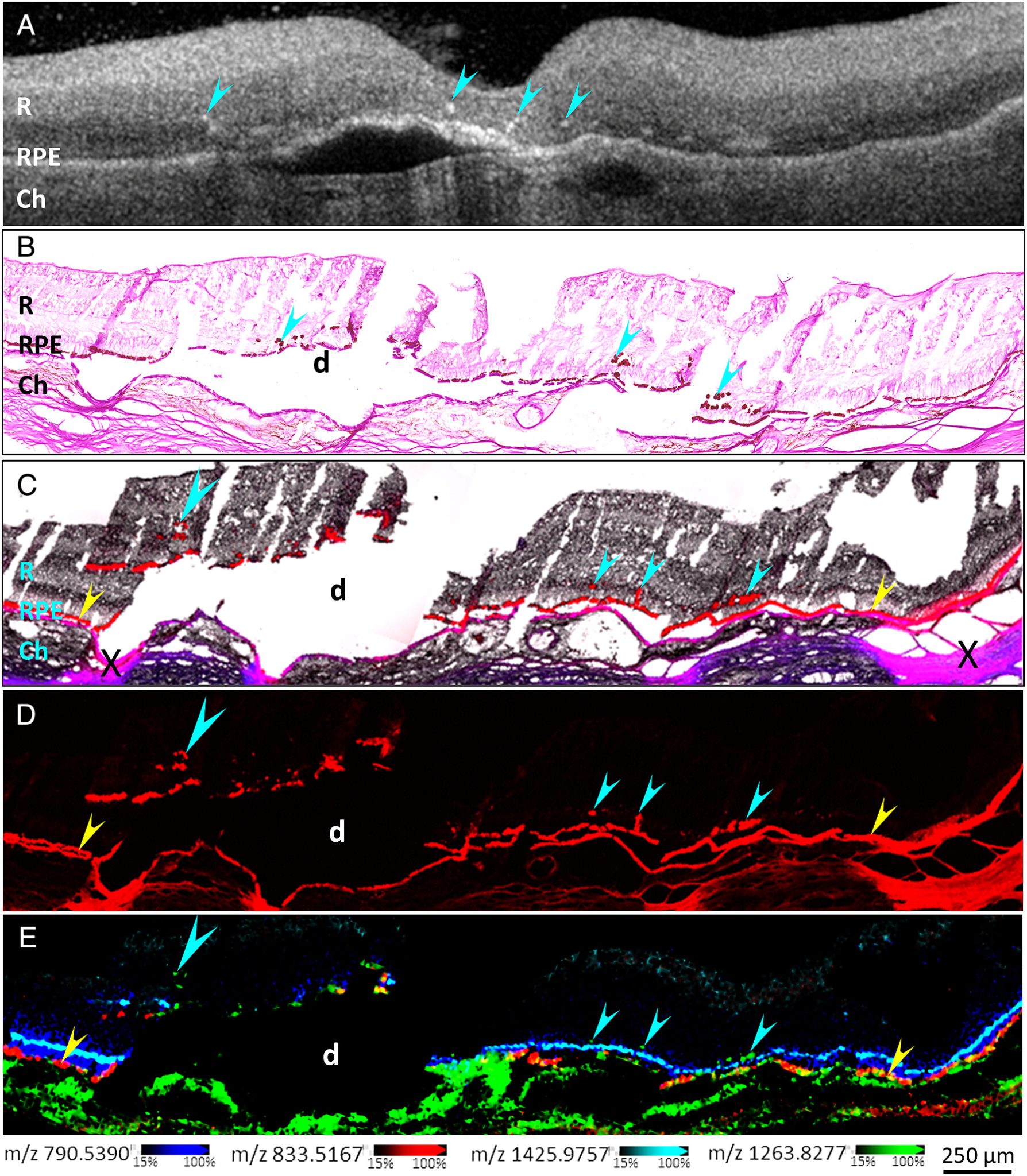
New research points to lipids as possible culprit in age-related vision loss
When we think of the age-old adage about getting old, “What new ache or pain will each new day bring?” we often imagine ailments such as joint or bone pain, a hyperactive bladder, or even memory loss, but Kevin Schey, Stevenson Professor of Biochemistry at the School of Medicine Basic Sciences, thinks a lot about the loss of eyesight. Read MoreAug 22, 2025
-
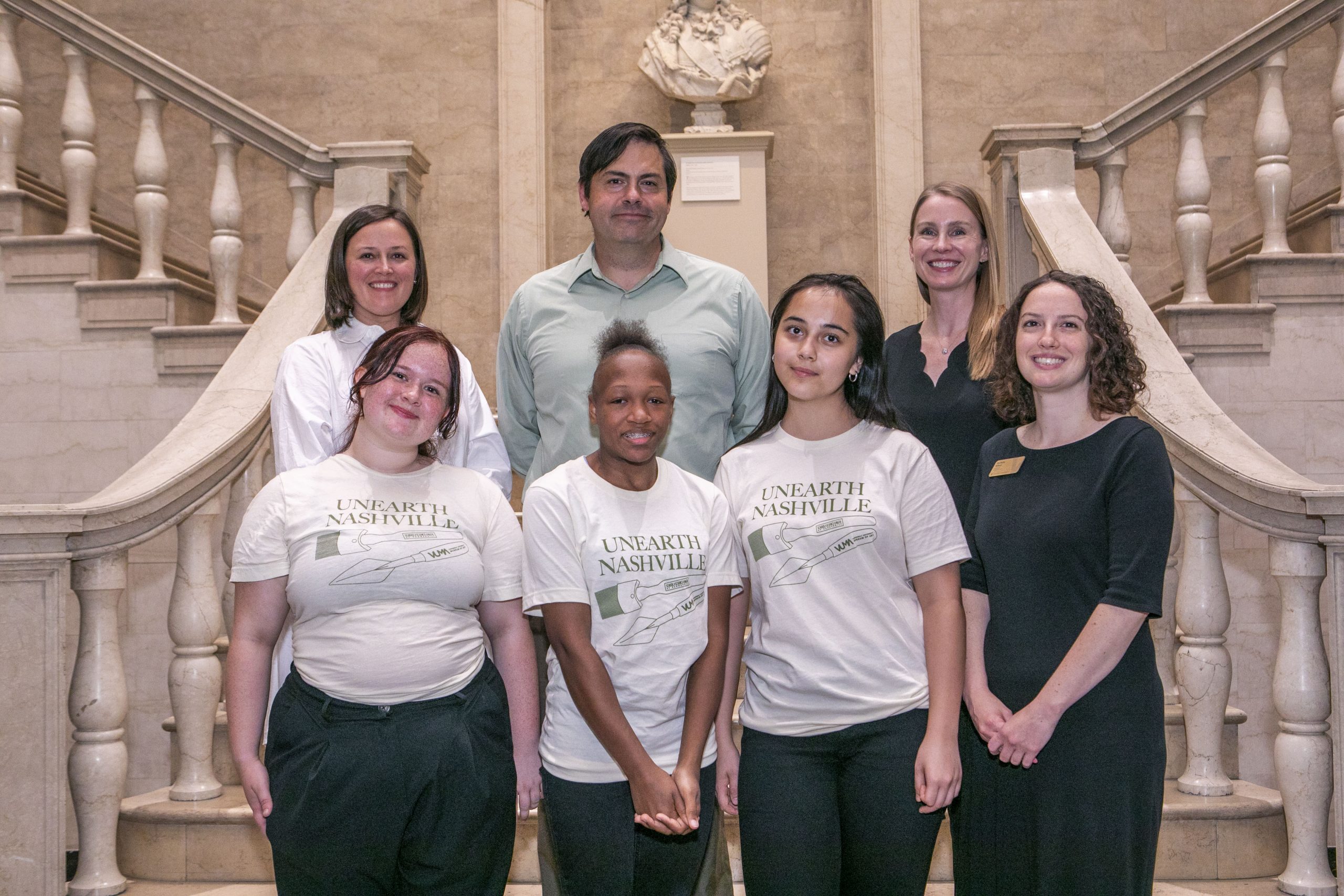
Among Nashville’s artifacts, School for Science and Math at Vanderbilt students unearth community, history
By Jennifer Kiilerich Teenagers in the School for Science and Math at Vanderbilt (SSMV), staff with the Vanderbilt University Museum of Art (VUMA) and Nashville Metro Historical Commission archaeologists recently joined forces in a unique collaboration. Beginning in January 2025 with support from Vanderbilt’s Community Engagement Collaboration Fund, three… Read MoreAug 21, 2025
-
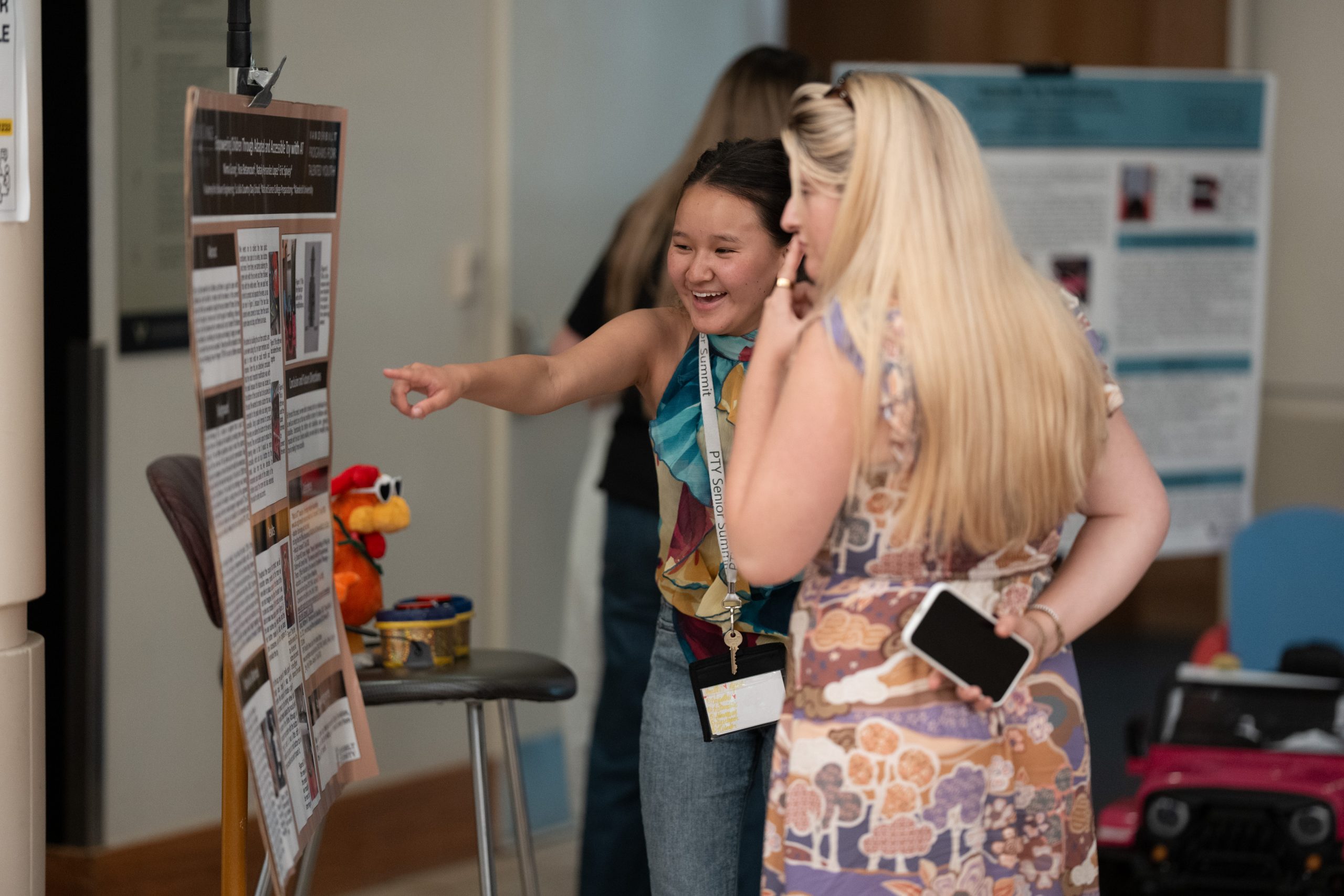
Vanderbilt Programs for Talented Youth delivers unforgettable learning experience to Jack Kent Cooke Foundation scholars
By Jennifer Kiilerich This July 6 – 23, rising high school seniors in the Cooke Young Scholars Program immersed themselves in life and learning at Vanderbilt University. During the initiative’s annual Senior Summit, 57 students stayed on campus, studied in advanced courses and participated in engaging residential experiences. … Read MoreAug 18, 2025
-

Reunion of Hubert H. Humphrey Fellows celebrates the past 15 cohorts at Vanderbilt
by Jenna Somers Karen Legrand Karen Legrand returned to Guatemala with “new eyes” after her experience in the Hubert H. Humphrey Fellowship Program at Vanderbilt Peabody College of education and human development in 2020-2021. In the highlands of Guatemala, she created a violence prevention program, followed by a… Read MoreAug 14, 2025
-
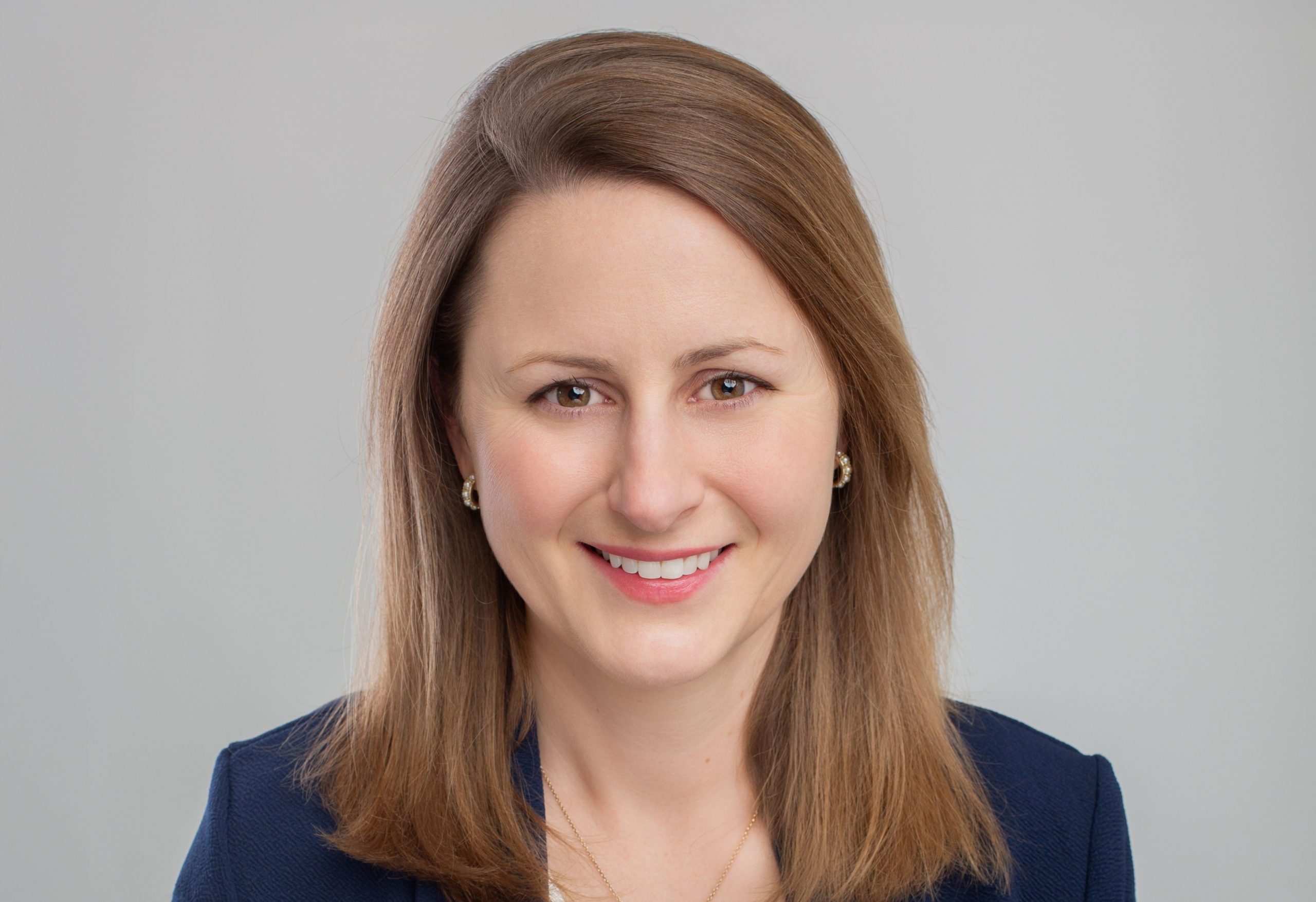
TERA welcomes new executive director
Amy Owen The Tennessee Education Research Alliance, a research-practice partnership between the Tennessee Department of Education and Vanderbilt University’s Peabody College of Education and Human Development, is pleased to announce Dr. Amy Owen as its new executive director. Owen succeeds Dr. Laura Booker, who will transition into… Read MoreAug 13, 2025
-
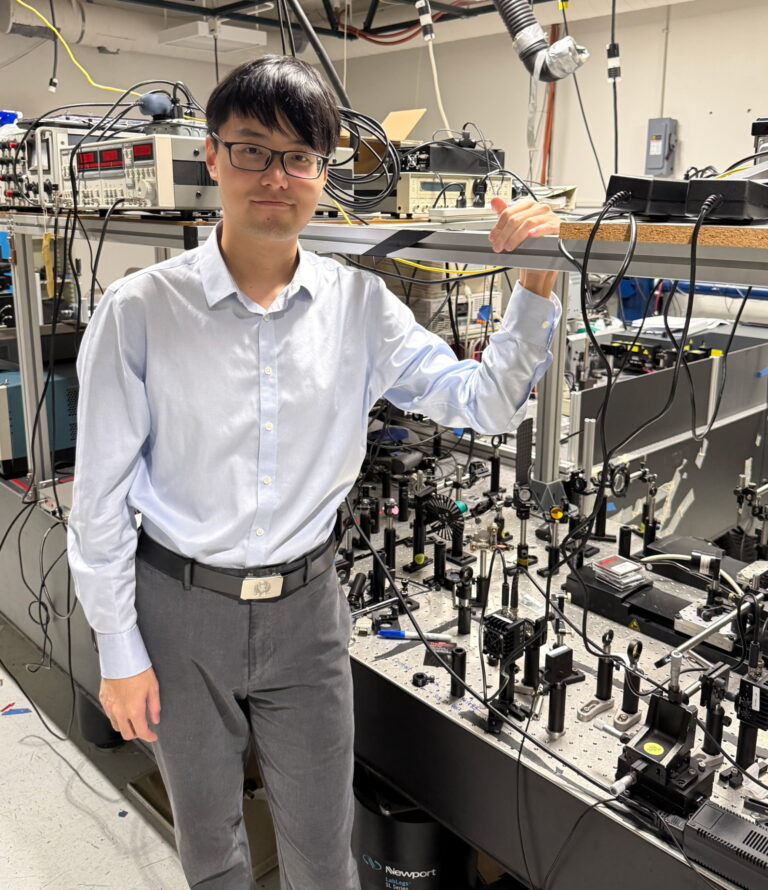
Metal and semiconductor particles could transform health and safety technologies
Ultra-thin layers of gold and copper sulfide developed by Vanderbilt doctoral student Yueming Yan with Associate Professor of Chemistry Janet Macdonald and Stevenson Professor of Physics Richard Haglund could revolutionize medical imaging and environmental sensing. The energy exchange between the metal and semiconductor particles—resonant energy transfer—can convert infrared light into visible and ultraviolet colors. The nanoscale films "could replace bulky optical sensors with flexible, wearable or even implantable devices, thus transforming health and safety technologies." Read MoreAug 7, 2025
-
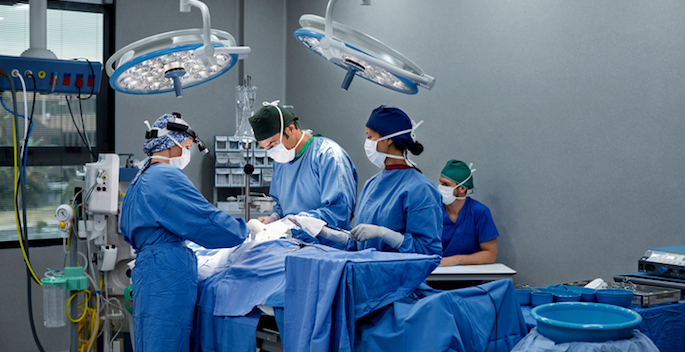
Multicenter trial confirms near-infrared autofluorescence increases detection of parathyroid glands
The Vanderbilt Biophotonics Center, led by Professor Anita Mahadevan-Jansen, developed a device called the PTeye that can help surgeons see patients' parathyroid glands—which have unpredictable locations—better during neck surgery by making the tissue glow! A large, multicenter clinical trial has provided evidence of its effectiveness, which the team hopes will improve the accuracy of endocrine neck surgery and improve patient outcomes. Clinical implementation of the device was pioneered by Dr. Carmen Solórzano, director of Vanderbilt Endocrine Surgery at VUMC. Read MoreAug 7, 2025
-
New research points to cell subtypes that increase risk of diabetes
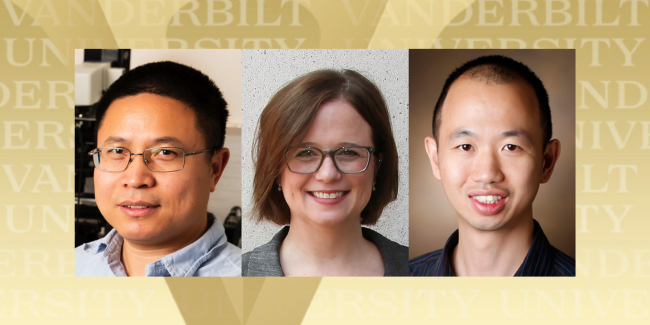
Three Vanderbilt faculty members are diving into a "chicken-and-egg" problem of type 2 diabetes: Does the disease change beta-cell subtypes? Or do changes in the cells cause diabetes? Guoqiang Gu, Emily Hodges and Ken Lau have come up with a new method of studying the subtypes that can track them through different stages instead of just once when they're fully developed. "Thanks to this and other research, it may be possible to one day create a diet supplement for pregnancy that could reduce the risk of diabetes for babies," Gu said. Read MoreAug 7, 2025
-
Hussam Mahmoud named director of the Vanderbilt Center for Sustainability, Energy and Climate
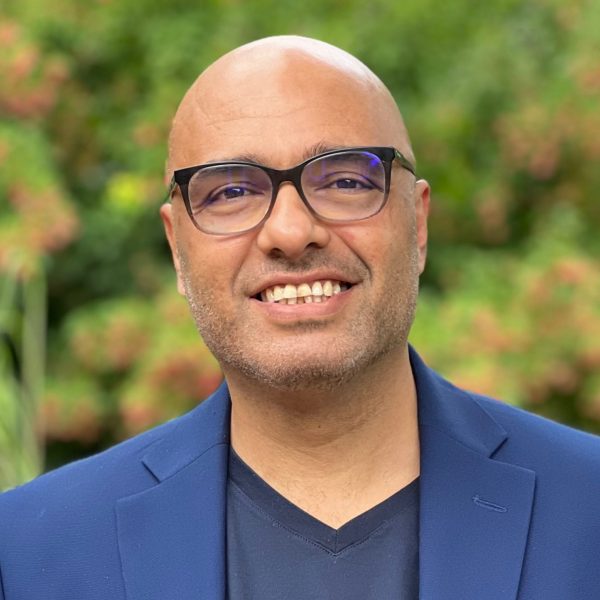
The Vanderbilt Center for Sustainability, Energy and Climate has a new director—Hussam Mahmoud. Mahmoud, professor of civil and environmental engineering, joins Vanderbilt from Colorado State. VSEC's mission is to investigate energy, infrastructure, climate and systems to address the grand social and scientific challenges to ensuring a sustainable planet. The center was established in 2024 as a part of Discovery Vanderbilt; Associate Professor Hiba Baroud was the inaugural and interim director. Read MoreAug 7, 2025
-
Eric Skaar: Exploring the connection between nutrient access and infection
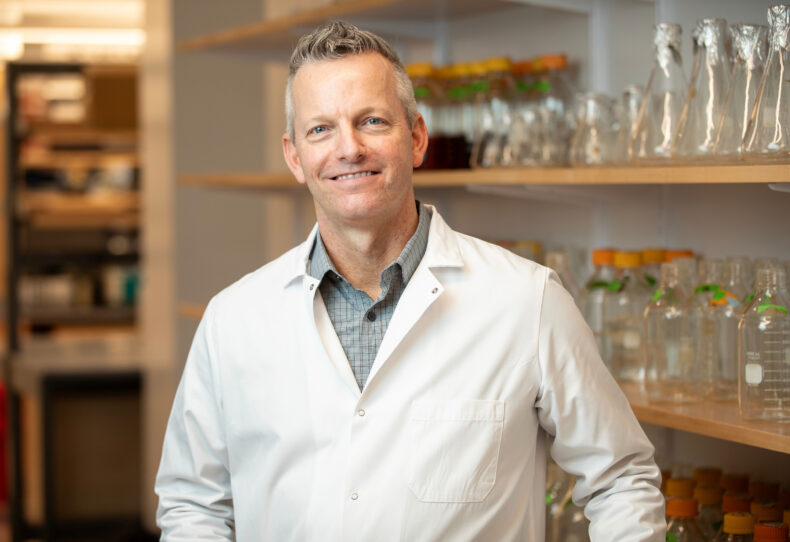
When bacterial pathogens enter our bodies, they’ve got one goal—hunt for food to multiply. And during the process, they make us sick. Eric Skaar, Ernest W. Goodpasture Professor of Pathology and director of the Vanderbilt Institute for Infection, Immunology and Inflammation, is uncovering how pathogens compete with healthy microbes for essential nutrients. Read MoreAug 6, 2025
-
Limited Submission Opportunity: 2026 Sloan Research Fellowships
Vanderbilt University may nominate up to three tenure-track faculty per department for the Alfred P. Sloan Foundation's 2026 Sloan Research Fellowships. Read MoreAug 5, 2025
-
Limited Submission Opportunity: 2025 Arts in Community Grants
Vanderbilt University may submit only one application to the South Arts 2025 Arts in Community Grants. Read MoreAug 5, 2025
-
Limited Submission Opportunity: 2026 Warren Alpert Distinguished Scholar Fellowship – Gene Therapy/Gene Editing
Vanderbilt University may nominate one candidate for the 2026 Warren Alpert Distinguished Scholars Fellowship Award. Read MoreAug 5, 2025
-

-

Tracy Sharpley-Whiting: Illuminating the interior lives of trailblazing historical figures
Tracy Sharpley-Whiting's research explores the interior lives of historical figures whose artistic influence shaped their worlds. Her impressive accomplishments led to her recent election to the American Academy of Arts and Sciences, one of the nation’s oldest and most prestigious honorary societies. Read MoreJul 30, 2025
-
Micro-robotics specialist receives NSF CAREER Award for research advancing magnetic miniature soft robots in precision medicine
Xiaoguang Dong, assistant professor of mechanical engineering, has been awarded a National Science Foundation CAREER Award that will support research on magnetic miniature soft robots for precision medicine that could facilitate early disease detection and treatment. Read MoreJul 21, 2025
-
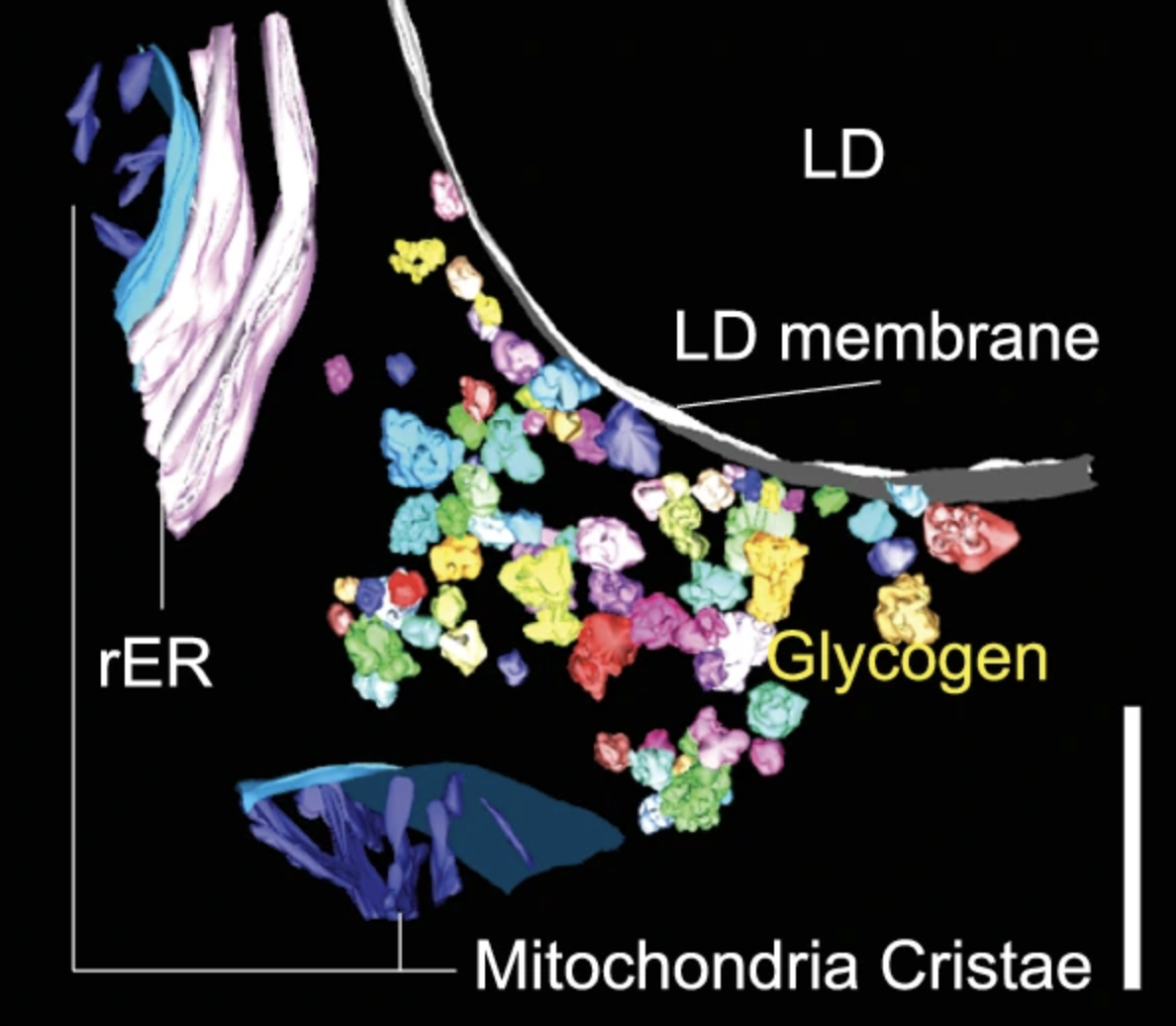
Pioneering new method reveals glucose channeling, charting the fine structure of energy metabolism inside active cells
In a scientific first, researchers from Vanderbilt University and the University of California, San Diego, have generated a high-resolution metabolic “map” of how cells orchestrate glucose processing, revealing a hidden world where organelles and molecular complexes collaborate when responding to a rush of nutrients. This new study, published in Nature Communications, has redefined how glucose metabolism is visualized at the single-cell level. Read MoreJul 21, 2025
-

Vanderbilt Memory and Alzheimer’s Center receives federal funding to support world-class research as a Center of Excellence
The announcement of the recognition of VMAC as an NIH Center of Excellence comes nearly five years after the creation of an exploratory NIA-funded Alzheimer’s Disease Research Center. Read MoreJul 21, 2025