Research
-

International collaboration reveals how the human brain evolved to harness abstract thought
By Marissa Shapiro THE IDEA The human brain is organized in functional networks—connected brain regions that communicate with each other through dedicated pathways. That is how we perceive our senses, how the body moves, how we are able to remember the past and plan for the future. The “default mode” network is the part of... Read MoreApr 12, 2022
-
International collaboration reveals how the human brain evolved to harness abstract thought
By Marissa Shapiro THE IDEA The human brain is organized in functional networks—connected brain regions that communicate with each other through dedicated pathways. That is how we perceive our senses, how the body moves, how we are able to remember the past and plan for the future. The “default mode” network is the part of... Read MoreApr 12, 2022
-
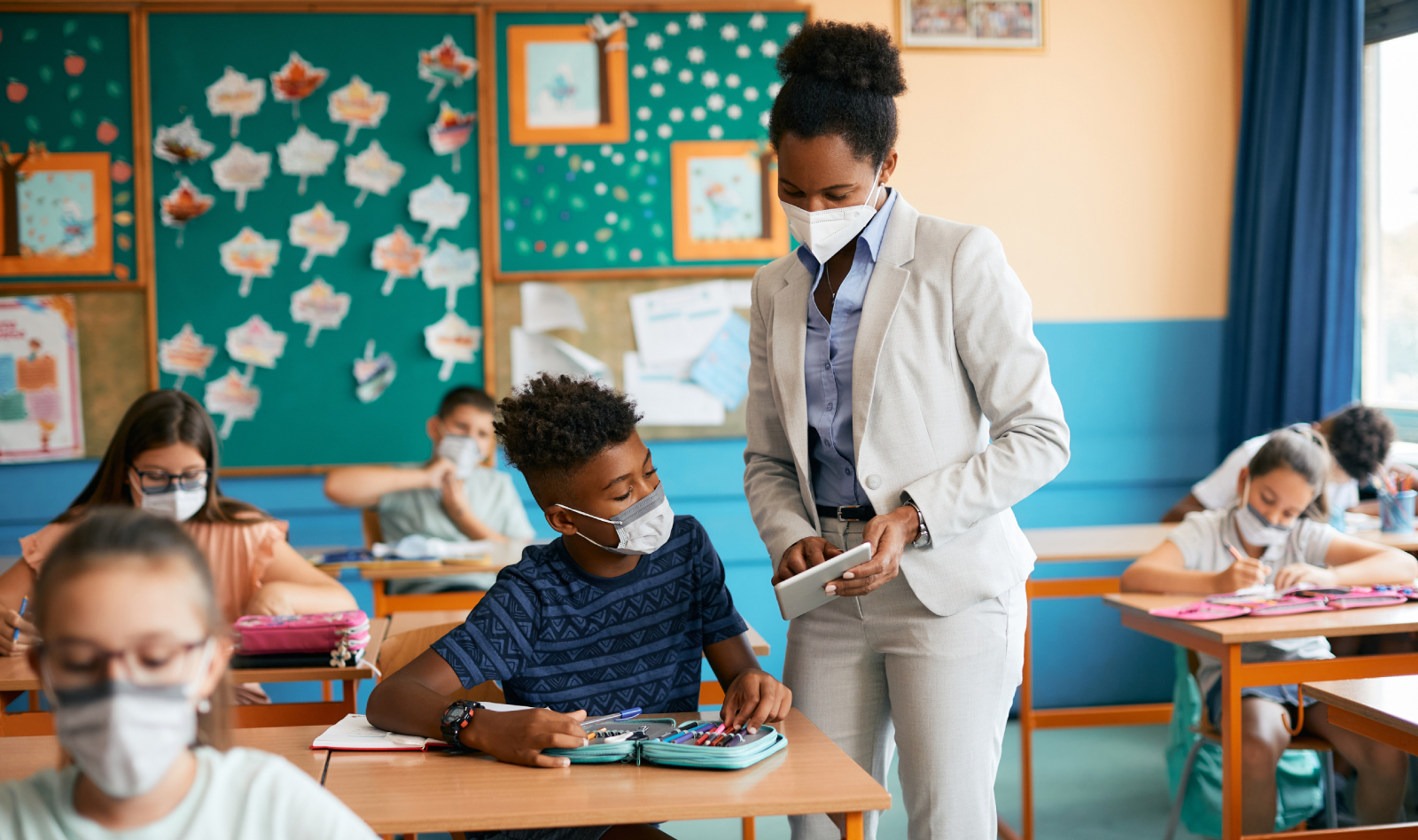
Peabody researchers explore research-practice partnerships to address inequities in education
A 6-month-old partnership between Vanderbilt University’s Peabody College of education and human development and Metro Nashville Public Schools featured prominently in a recent panel discussion on how to effectively manage research-practice partnerships, which are increasingly important to long-term efforts to strengthen educational practice. Read MoreApr 12, 2022
-

Class of 2022: Allie Robinson inspires new connections, discoveries in her elementary classroom
Class of 2022: Master of education graduate student Allie Robinson believes that fostering a passion for learning in young students begins with empowering them to have a voice of their own. Read MoreApr 12, 2022
-
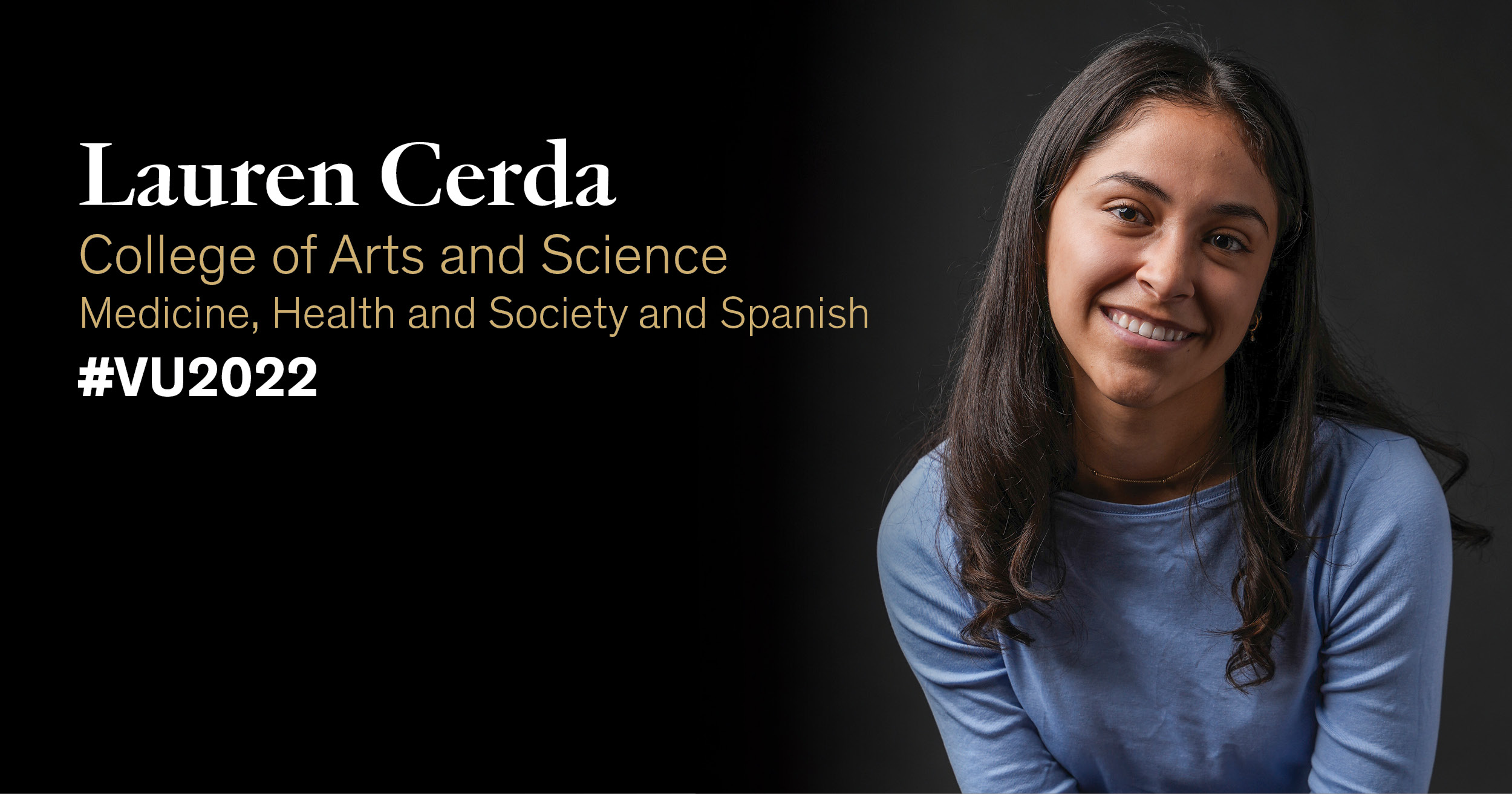
Class of 2022: Lauren Cerda finds cultural bridge between language and health
Class of 2022: Discussing a diagnosis with a doctor can be scary and confusing even under the best of circumstances. But when a language barrier is involved, the likelihood of a misunderstanding is far greater. Medicine, health and society and Spanish double major Lauren Cerda hopes someday to alleviate that problem as a translator and bilingual physician. Read MoreApr 12, 2022
-
Karl Zelick is inaugural awardee of a Scaling Success Grant
Karl Zelik, associate professor of mechanical engineering, is one of three inaugural awardees for the February 2022 cycle of the Scaling Success Grant, which is the first cycle of this internal funding opportunity. Yuankai Huo, assistant professor of computer science and computer engineering, is co-PI on a SSG grant. Read MoreApr 11, 2022
-

Optimizing Data Collection is on the Table for the Restaurant Industry
In a forthcoming issue of Production and Operations Management on business analytics, Kejia Hu, along with Morgan Swink and Xiande Zhao, discuss the current state of business analytics and goals for future data analysis based on interviews with several c-suite executives at major American and Chinese restaurants and food supply chain firms. Read MoreApr 11, 2022
-

Political Uncertainty Drives Firms to Increase Corporate Tax Avoidance in an Election Year
With Tax Day (4/18) right around the corner, Americans are reminded of why taxes are such a hot topic. When you cast your ballot, do you consider taxation? Read MoreApr 11, 2022
-
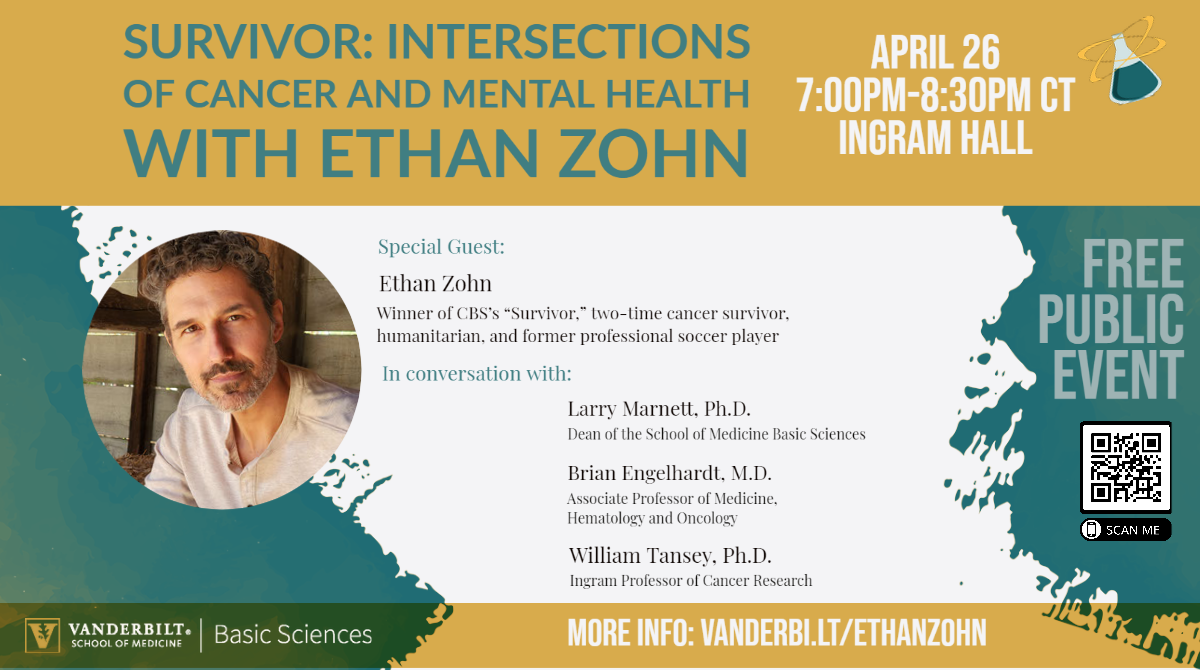
Attend ‘Survivor: Intersections of Cancer and Mental Health with Ethan Zohn’ on April 26
Ethan Zohn, winner of the CBS reality show Survivor, two-time cancer survivor, humanitarian and former professional soccer player, will discuss his journey with reality television, cancer, mental health and humanitarian work as part of the School of Medicine Basic Sciences’ monthly Lab-to-Table Conversations on Tuesday, April 26. Read MoreApr 8, 2022
-

Study advances understanding of bacterial bioterrorism agent
Vanderbilt researchers have identified a critical regulatory factor in the bacterium that causes the disease anthrax and has been used as a biological weapon. Read MoreApr 7, 2022
-

Vanderbilt University, Medical Center reach $1B milestone together in research funding
Faculty at Vanderbilt University and Vanderbilt University Medical Center achieved a significant milestone in 2021: more than $1 billion in research funding awarded from external organizations. Read MoreApr 5, 2022
-
Study finds 10-second videos predict blood cancer relapse
Biomedical engineering prof says study raises the prospect of a new application of diagnostic optical biopsy by Paul Govern In a new study from Vanderbilt University Medical Center, 10-second videos of white blood cell motion in the skin’s microvasculature greatly improved the prediction of which stem cell and bone marrow transplant patients would have a relapse... Read MoreApr 4, 2022
-
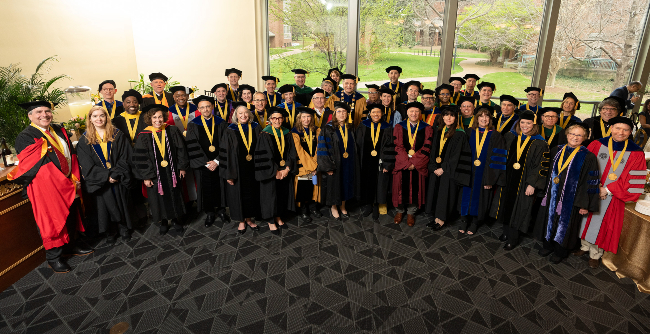
36 scholars honored at endowed chair investiture ceremony
Vanderbilt Chancellor Daniel Diermeier and Provost and Vice Chancellor for Academic Affairs C. Cybele Raver honored 36 scholars from across the university at an endowed chair investiture ceremony on campus March 30. Read MoreMar 31, 2022
-
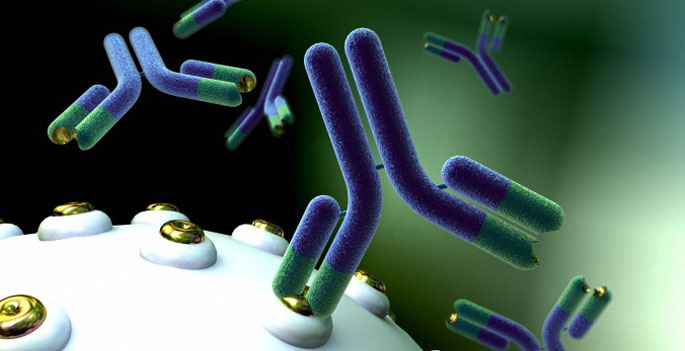
Crowe receives national award for COVID antibody research
Vanderbilt's James Crowe Jr., MD, and Michel Nussenzweig, MD, PhD, of The Rockefeller University, have been jointly awarded the 2022 Harrington Prize for Innovation in Medicine for “groundbreaking work” that enabled the use of human antibodies to treat COVID-19. Read MoreMar 31, 2022
-
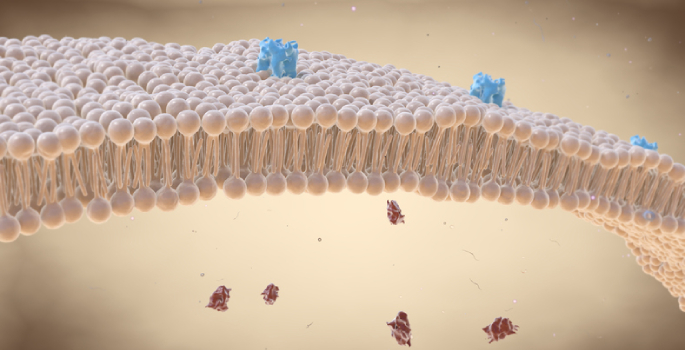
Research Snapshot: Biochemical technique for finding small molecules discovered by Vanderbilt and University of Virginia researchers
A team including the Sanders lab developed a new methodology for finding small molecules associated with lipid rafts, an essential part of cell structure and regulation. Read MoreMar 28, 2022
-

Well-being implications of LGBTQ+ rights issues in Texas, the U.S. South and beyond
Experts from the Vanderbilt LGBT Policy Lab a discussion about the state of research regarding LGBTQ+ rights and policy and the effects of pro- and anti- queer policies on health, education, economic outcomes and overall well-being Read MoreMar 28, 2022
-
Vanderbilt engineering researchers use artificial intelligence to help basketball players improve their shots
To shoot a basketball with precision requires countless hours of practice. Usually, this happens under the watchful eye of a coach, who can provide guidance on the right mechanics of each shot. Now, though, thanks to new research from Vanderbilt University, players may soon be able to use artificial intelligence technology to work on those... Read MoreMar 24, 2022
-

High blood pressure genes improve heart surgery survival in children
Vanderbilt researchers have found that children with a genetic makeup that predicts high blood pressure as adults are more likely to survive congenital heart defect repair surgery. Read MoreMar 24, 2022
-

Coaching Through Technology: Vanderbilt researchers use artificial intelligence to help basketball players improve their shots
To shoot a basketball with precision requires countless hours of practice, usually under the watchful eye of a coach providing guidance on the right mechanics of each shot. Now, thanks to new research from Vanderbilt University, players may soon be able to use artificial intelligence technology to work on those same principles on their own. Read MoreMar 24, 2022
-

Research Snapshot: Hunger signals, including those from cannabinoids, mapped in the brain
Body-made cannabinoids that fine tune hunger signals in the brain have been mapped, with implications for helping those with deadly feeding-related illnesses Read MoreMar 23, 2022