Research
-

Biomedical engineering professor leads study of novel technology that helps identify parathyroids during pediatric endocrine surgery
Damage or removal of calcium-regulating parathyroid glands during endocrine surgery can put children at risk for poor growth and slow mental development. Preserving the often rice-sized organ in children is vital, but not always easy. Anita Mahadevan-Jansen, Ph.D., professor of Biomedical Engineering and the Orrin H. Ingram Chair in Biomedical Engineering, is the lead investigator... Read MoreJul 19, 2023
-
Biomedical engineering professor leads study of novel technology that helps identify parathyroids during pediatric endocrine surgery
Damage or removal of calcium-regulating parathyroid glands during endocrine surgery can put children at risk for poor growth and slow mental development. Preserving the often rice-sized organ in children is vital, but not always easy. Anita Mahadevan-Jansen, Ph.D., professor of Biomedical Engineering and the Orrin H. Ingram Chair in Biomedical Engineering, is the lead investigator... Read MoreJul 19, 2023
-

Alzheimer’s genetic risk tracked across sex, race
A Vanderbilt study of genetic risks for cognitive impairment later in life uses data from 32,426 research participants ages 60 and older to elaborate these risks across sex and across the intersection of sex and race. Read MoreJul 17, 2023
-

International collaboration including Vanderbilt astrophysicists discover ‘forbidden planet’
Aging stars expand and eventually destroy planets in their inner systems. Or do they? A team of researchers that includes Keivan Stassun finds evidence of a planet that survived its star’s transformation, and that is reshaping our understanding of planetary and stellar evolution. Read MoreJul 17, 2023
-
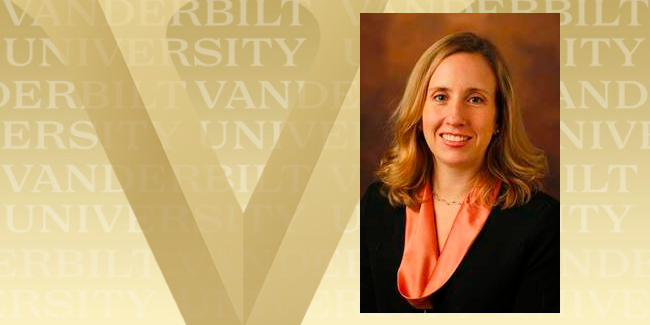
Cellular bioengineer Cynthia Reinhart-King elected to fellow of IAMBE
University Distinguished Professor and Cornelius Vanderbilt Professor of Engineering Cynthia Reinhart-King has been elected to the 2023 Class of Fellows of the International Academy of Medical and Biological Engineering. IAMBE is made up of fellows who are recognized for their outstanding contributions to the profession of medical and biological engineering at an international level. Read MoreJul 11, 2023
-
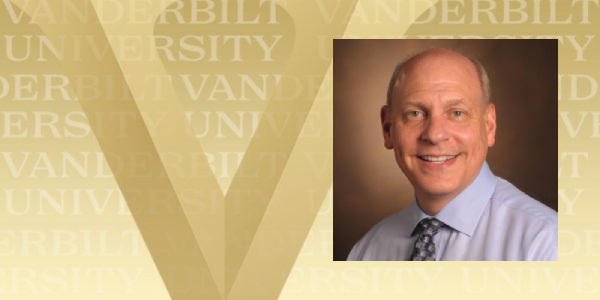
Osheroff wins prestigious MILES Award
Neil Osheroff received the Mentoring, Innovation, and Leadership in Educational Scholarship Award at the annual Asia Pacific Medical Education Conference that took place in May. Read MoreJul 7, 2023
-
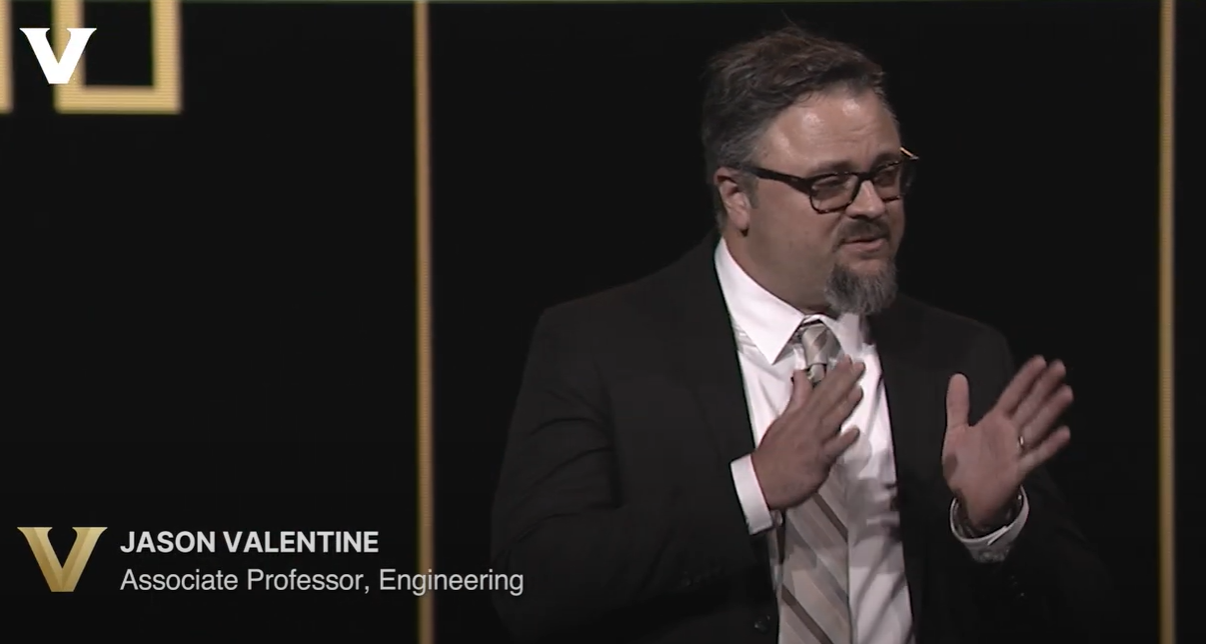
A team led by VINSE Deputy Director Jason Valentine and American soldiers have partnered to make service members invisible on the modern battlefield.
Vanderbilt engineers and American soldiers have partnered to make service members invisible on the modern battlefield. A team lead by VINSE Deputy Director, Jason Valentine, is designing innovative equipment that reduces soldiers’ detectability by thermal sensors, increasing their safety and operational effectiveness. Read MoreJul 7, 2023
-
Regional consortium secures $18M grant to foster equity in agriculture workforce development
Janey Camp (Submitted photo) Janey Camp, research professor of civil and environmental engineering and director of the Vanderbilt Center for Transportation and Operational Resiliency, is part of a regional consortium that has won an $18 million grant to enable minority-serving institutions to build and sustain the next generation of the food, agriculture, natural resources and... Read MoreJul 7, 2023
-
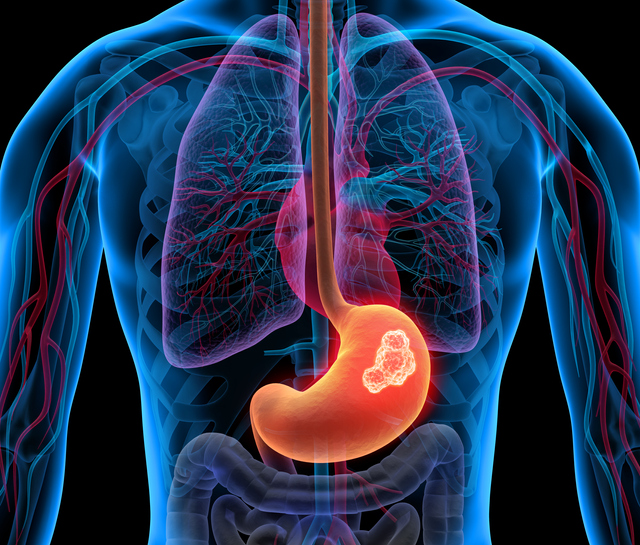
Study reveals new clue to gastric cancer
Researchers at Vanderbilt University Medical Center have uncovered evidence of fibroblast cells' direct involvement in the development of gastric cancer. Read MoreJul 7, 2023
-
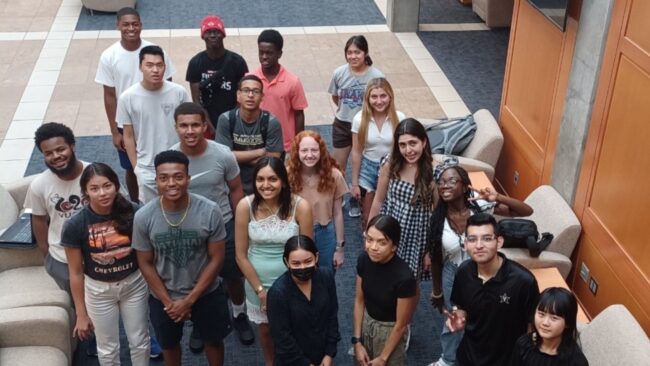
Summer bridge program helps first-year engineering students find success
The Fall Early Start Transition (FEST) I V A L program for incoming Vanderbilt freshmen is helping them attain success in the School of Engineering, and beyond. The program includes interventions, such as early review of STEM coursework, identifying as an engineer, and professional development skills, like time management, prioritization, and effective study habits. Read MoreJul 6, 2023
-

Make it a Large? Soft Drinks, Any Size, Same Price
Vanderbilt Business consumer behavior expert Kelly Haws explains the effects of the "Any Size, Same Price” strategies on soft drink consumption. Read MoreJul 6, 2023
-
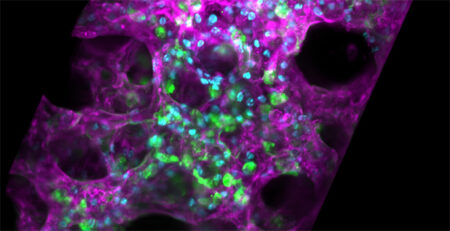
Vanderbilt researchers envision the potential to grow new lungs
Using a four-dimensional microscope that allows them to watch a tissue putting itself together, researchers at Vanderbilt University Medical Center have achieved a rare feat in science — they have shattered a long-standing dogma about how the lung develops. Read MoreJul 5, 2023
-

DeVane-Johnson receives NIH grant to address breastfeeding disparities
Vanderbilt University School of Nursing Associate Professor of Nursing Stephanie DeVane-Johnson, PhD, MSN’97, CNM, FACNM, has been awarded a two-year Diversity Supplement grant from the National Institute on Minority Health and Health Disparities (NIMHD). The National Institute of Health (NIH) supplement supports early career researchers of color by providing mentorship, training and career development opportunities... Read MoreJul 5, 2023
-
ORAU Powe Award supports Vanderbilt researcher’s computational simulations of light, sound and bubbles
A Vanderbilt computer science professor studying sonoluminescence—a process by which light is emitted by small bubbles in liquid when bombarded by blasts of high-pitched sound—has received a competitive research grant from Oak Ridge Associated Universities. David Hyde, assistant professor of computer science, is one of 35 junior faculty nationwide to win a 2023 ORAU Ralph... Read MoreJun 30, 2023
-

Global Strategy at the Forefront: Vanderbilt and the AAU Task Force’s U.S.-India Focus
Discover how Vanderbilt is driving innovation in fields ranging from transportation solutions and climate studies to astrophysics and inclusive education. Read MoreJun 29, 2023
-
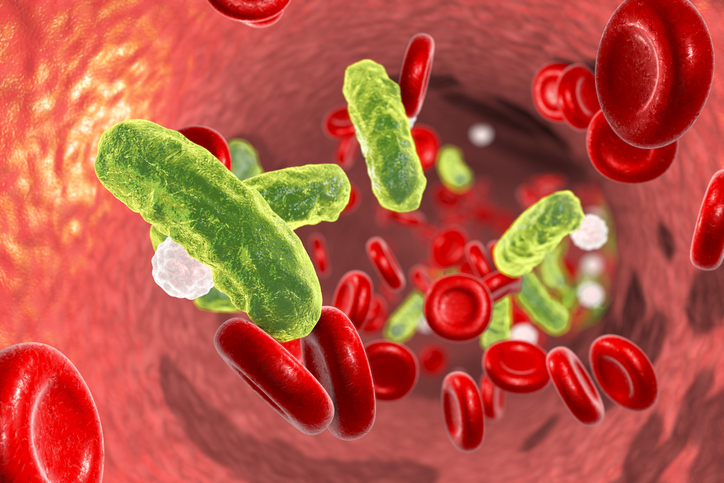
Persistent inflammatory state found in half of pediatric sepsis deaths: study
New research shows that about half of pediatric patients who died of sepsis over the past 20 years at Vanderbilt University Medical Center had evidence of an inflammatory state called persistent inflammation, immunosuppression and catabolism syndrome. Read MoreJun 29, 2023
-

Evolutionary biologists determine that culture shapes genetics within, not just between, populations
Nicole Creanza and Yakov Pichkar explore whether subtle cultural differences within a language mirror genetic structure within a population. The answer: Even small cultural differences like dialect can influence the spread of people and genes. Read MoreJun 29, 2023
-
Four Vanderbilt School of Engineering faculty receive prestigious NSF CAREER Awards
Four faculty members from Vanderbilt University School of Engineering received prestigious CAREER Awards from the National Science Foundation during the 2022-2023 academic year. The competitive NSF grant program is designed to support the early career development and new lines of academic research for the nation’s most promising up-and-coming scholars. “This is a remarkable achievement and... Read MoreJun 27, 2023
-
Workshop offers insight on deep learning for medical imaging technology
Vanderbilt researchers are hosting a free workshop on July 13 to shed more light on the Medical Open Network for Artificial Intelligence (MONAI). The daylong workshop is being held following the 2023 MIDL/NVIDIA Conference in Nashville and participation is in person or via Zoom. Registration for the daylong workshop opened on June 26, 2023. Project... Read MoreJun 27, 2023
-

Scientist who helped prove Einstein theory opens doors to black holes for students with diverse majors
Vanderbilt astrophysicist Karan Jani helped prove Einstein's theory of relativity as it relates to black holes and gravitational waves. Learn how he's using his expertise to teach undergrads with diverse majors who are eager to learn about space. Read MoreJun 26, 2023