Research
-

VU study identifies DNA changes in drug-resistant cancer cells
Vanderbilt investigators have combined next-generation sequencing technologies and bioinformatics analyses to screen for genome-wide genetic mutations associated with drug resistance in a series of lung cancer cell lines. Read MoreSep 12, 2013
-
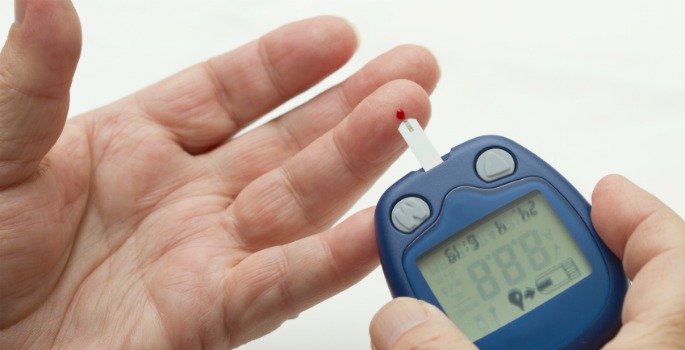
VU tracking drug’s ability to prevent type 1 diabetes
Vanderbilt’s Eskind Diabetes Clinic has been selected to examine the ability of the drug abatacept to prevent type 1 diabetes (T1D). As part of the TrialNet consortium, Vanderbilt will be one of 14 North American sites observing the effects of the drug in people at high risk to develop T1D. Read MoreSep 12, 2013
-

Two named to National Academies’ advisory board
Vanderbilt University’s Roger D. Cone, Ph.D., and Elizabeth Heitman, Ph.D., have been appointed to the National Academies’ Board on Life Sciences, which advises the government and scientific community on a wide range of topics, from stem cell research to bioterrorism. Read MoreSep 12, 2013
-

Sleep education helps families of children with autism
Parent sleep education is beneficial in improving sleep and aspects of daytime behavior and family functioning in children with autism spectrum disorders (ASD), according to a Vanderbilt study published in the Journal of Autism and Developmental Disorders. Read MoreSep 12, 2013
-
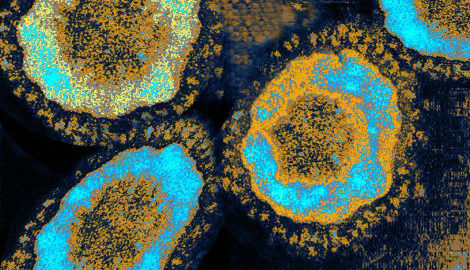
‘Proofreader’ key to coronavirus growth
A coronavirus protein is required for replication of the viral genome and may be a good treatment target for SARS and other diseases caused by coronaviruses. Read MoreSep 12, 2013
-
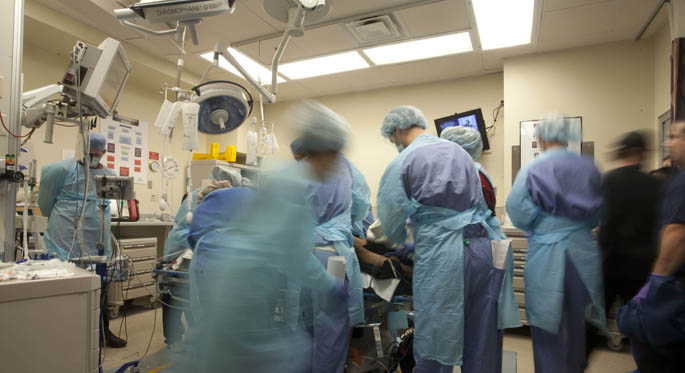
Vanderbilt Business: A matter of life and death
Ensuring patient safety in today's medical environment requires a fundamental shift in today’s health care organizations, says Ranga Ramanujam. Read MoreSep 11, 2013
-
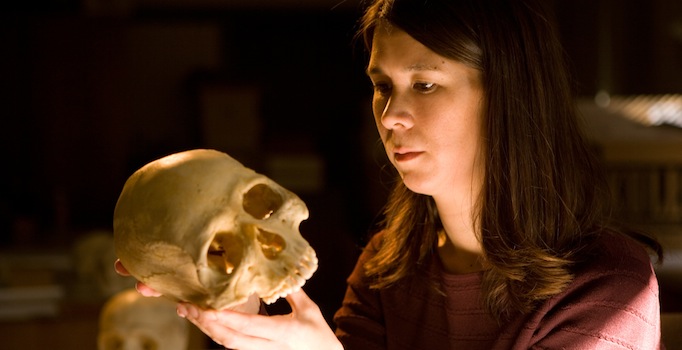
Vanderbilt Magazine: How to study a skeleton
Tiffiny Tung, associate professor of anthropology, is on familiar terms with the dead. She may not know their names, but she can tell you a surprising amount of information about how they lived—and even, on occasion, how they died. Read MoreSep 11, 2013
-
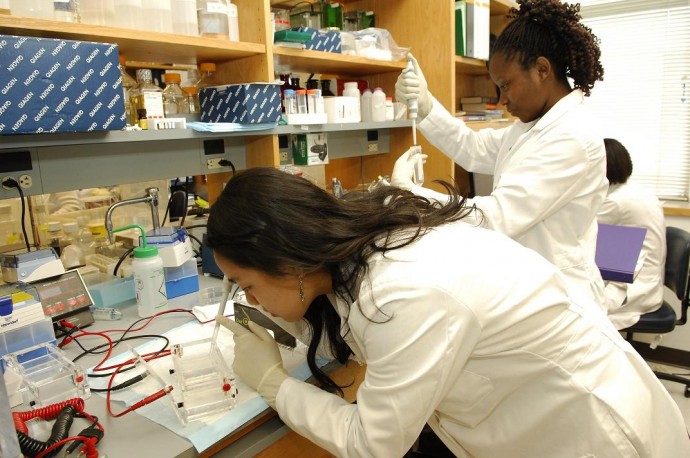
Vanderbilt Medicine: A shining light
The Aspirnaut program, funded by Billy and Julie Hudson, brings science, technology, engineering and math lessons and labs to rural teachers, students and school districts via video and teleconferencing. Read MoreSep 11, 2013
-
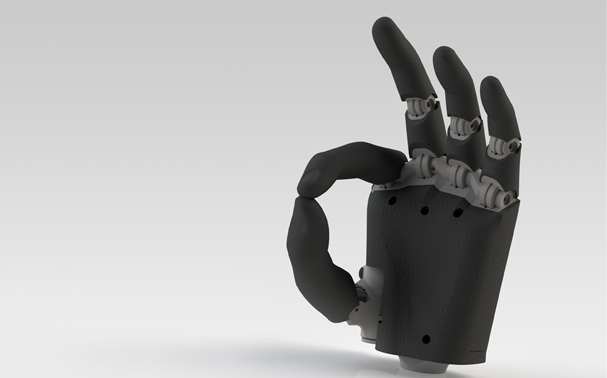
Vanderbilt Medicine: Robotics revolution
In the foreseeable future, robots will be sticking steerable needles in your brain to remove blood clots; capsule robots will be crawling up your colon as a painless replacement for the colonoscopy; and ultra-miniaturized snake robots will remove tumors from your bladder and other body cavities. Read MoreSep 11, 2013
-
Sarcoidosis research finds promising oral therapy
VUMC researchers have reported promising results in using oral antimycobacterial therapy to treat chronic cutaneous sarcoidosis, considered by clinicians a difficult illness to effectively control. Read MoreSep 5, 2013
-

Study examines physician behaviors
A study of 381 non-Vanderbilt physicians referred to the Vanderbilt Comprehensive Assessment Program has shown that those referred for mental health, substance abuse and improper sexual boundary issues are less likely to receive a fit for duty recommendation than those referred for disruptive behavior. Read MoreSep 5, 2013
-
Controversial info release aids VUMC bird flu research
Vanderbilt research shows that human antibodies to the natural strain of H5N1 also protected against a dangerous lab-created airborne strain developed several years ago by scientists in the Netherlands and at the University of Wisconsin. Read MoreSep 5, 2013
-

Positive classroom interactions vital to pre-K learning
Positive interactions in a pre-kindergarten classroom may be equally or more important to the future academic development of 4-year-olds than learning letters and numbers, according to Dale Farran, senior associate director of the Peabody Research Institute at Vanderbilt's Peabody College for education and human development. Read MoreSep 4, 2013
-
Eight engineering students receive NSF graduate fellowships
Meghan Bowler, Erica Curtis, Melanie Gault, Samantha Saratt and Chelsea Stowell, biomedical engineering; Kirsten Heikkinen and Richard Hendrick, mechanical engineering; and Thushara Gunda, civil and environmental engineering, have received graduate research fellowships from the National Science Foundation. Read MoreSep 4, 2013
-
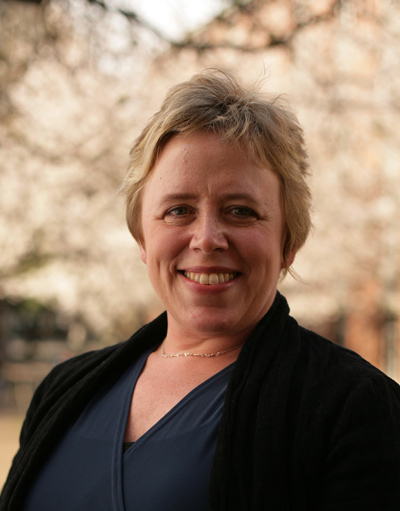
Dean Dever on the intersection of teaching and research
In a letter to faculty, Carolyn Dever, dean of the College of Arts and Science, reflects on how research informs teaching, and vice-versa. Read MoreSep 3, 2013
-

Vanderbilt startup BioNanovations gets accelerated
Vanderbilt graduate student Charleson Bell, who is the president of the high tech startup BioNanovations, is participating in a 12-week accelerator program in Silicon Valley specifically designed to encourage underrepresented tech entrepeneurs. Read MoreAug 30, 2013
-
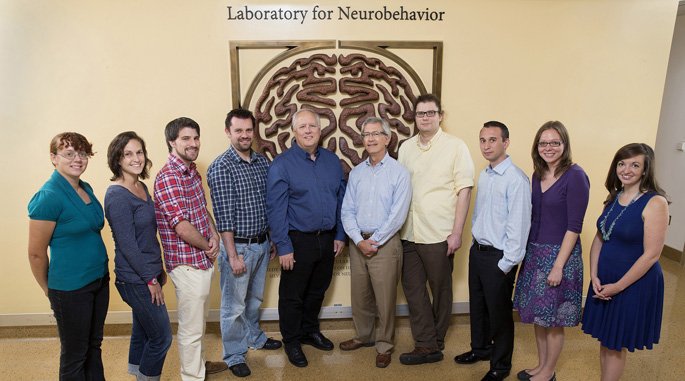
Basic science training grants hit NIH funding ‘grand slam’
When it comes to government funding of basic science training programs for graduate students and postdoctoral fellows, Vanderbilt University Medical Center hit a grand slam this year, officials said. Read MoreAug 29, 2013
-

Probing intestinal immune cell roles
A new in vitro system will allow investigators to explore how immune system T cells develop specialized functions. Read MoreAug 28, 2013
-
Study examines problem physician behaviors
A study of 381 non-Vanderbilt physicians referred to the Vanderbilt Comprehensive Assessment Program (VCAP) in the Department of Psychiatry has shown that those referred for mental health, substance abuse and improper sexual boundary issues are less likely to receive a fit for duty recommendation than those referred for disruptive behavior. Read MoreAug 27, 2013
-
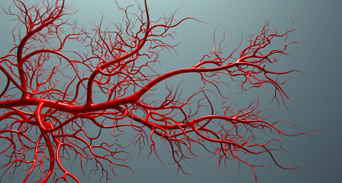
Tumor factor spurs blood vessel growth
A newly identified factor regulates blood vessel growth in colorectal tumors and could be a promising target for cancer therapies. Read MoreAug 26, 2013