Research
-

Mosquito sperm have a sense of smell
Vanderbilt biologists have discovered that mosquito sperm have a “sense of smell” and that some of same chemicals that the mosquito can smell cause the sperm to swim harder. Read MoreFeb 3, 2014
-

In the brain, the number of neurons in a network may not matter
A study has found that the time it takes neural networks in the brain to make decisions is remarkably stable regardless of size: a finding that could make it easier to achieve the goal of the President's BRAIN Initiative established last spring. Read MoreFeb 3, 2014
-

Study examines routine screening for health literacy
Research conducted at Vanderbilt University Medical Center shows that routine administration of the Brief Health Literacy Screen (BHLS) by nurses provides a valid measure for large-scale studies of the influence of health literacy on clinical outcomes. Read MoreJan 30, 2014
-

Study tracks pet therapy’s impact on young patients
A Vanderbilt study is investigating whether therapy dogs can have a positive effect on children undergoing chemotherapy. Read MoreJan 30, 2014
-

Overuse injuries among young athletes examined
With concerns mounting as children train harder, compete more frequently and specialize in a single sport earlier, the American Medical Society for Sports Medicine has released a position statement that provides guidance to health providers who care for young athletes. Read MoreJan 30, 2014
-

Is healthy obesity possible?
It might be possible to generate a “metabolically healthy” state of obesity by targeting signaling pathways that improve insulin sensitivity. Read MoreJan 29, 2014
-

‘Spear phishers’ proving hard to neutralize
It may take repeated and varied exposure to anti-spear phishing messages before employees get the message, according to research. Read MoreJan 28, 2014
-

Math models to aid voice disorders
A new computational model of the interactions between vocal folds and the air around them could aid in designing new treatments for voice disorders. Read MoreJan 27, 2014
-

Probing mysteries of preterm birth
Understanding the relationship between the thinning and rupture of fetal membranes and the presence of bacteria could lead to treatment and prevention strategies for premature birth. Read MoreJan 24, 2014
-

American economics Ph.D.s on decline; One way to keep them — office space
A Vanderbilt economist turned his expertise back onto his own discipline and has published a 15-year analysis of graduate economics education in the United States. Read MoreJan 23, 2014
-

Autism Speaks grant boosts Rett syndrome research
Colleen Niswender, Ph.D., research associate professor of Pharmacology, has received a three-year, $450,000 grant from the autism science and advocacy organization Autism Speaks to support studies investigating a possible new treatment for Rett syndrome. Read MoreJan 23, 2014
-
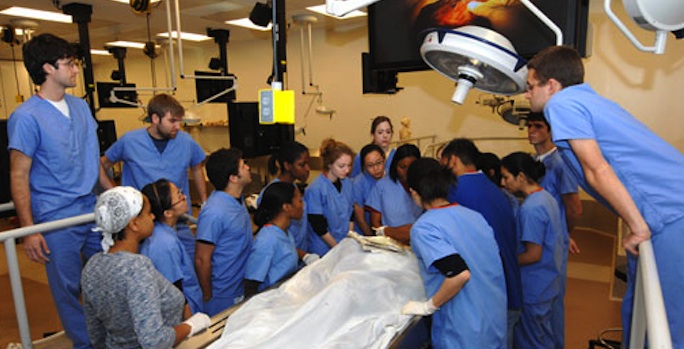
VUSM moves into top 10 in NIH funding
According to annual figures available through the National Institutes of Health (NIH), Vanderbilt University School of Medicine (VUSM) is now ranked ninth in the nation among U.S. medical schools in total grant support provided through the nation’s medical research agency. Read MoreJan 23, 2014
-

Human and Helicobacter co-evolution
by Denise Anthony (iStock) A Vanderbilt University-led research team has solved a long-standing riddle: Why do people of mostly Amerindian ancestry in the Andes have a gastric cancer rate that is 25 times higher than that of fellow Colombians of mostly African descent only 124 miles away on the coast?… Read MoreJan 23, 2014
-

Waning political tolerance in some Latin American nations points to weakened democratic culture
Support for political tolerance remains strong in many Latin American and Caribbean nations, but in others a move in the opposite direction “represents alarming news,” concludes a study by Vanderbilt University’s Latin American Public Opinion Project. Read MoreJan 22, 2014
-
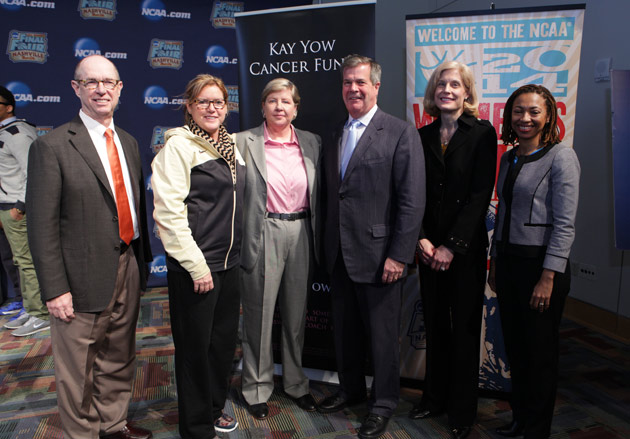
Vanderbilt-Ingram Cancer Center receives $100,000 ovarian cancer research grant from Kay Yow Cancer Fund
L-r: Lawrence Marnett, Mary Geddes Stahlman Professor of Cancer Research; Vanderbilt women’s head basketball coach Melanie Balcomb; Susan Donohoe, executive director of the Kay Yow Cancer Fund; Mayor Karl Dean; Vanderbilt-Ingram Cancer Center Director Jennifer Pietenpol; and Assistant Professor of Obstetrics and Gynecology Dineo Khabele were on hand for… Read MoreJan 21, 2014
-
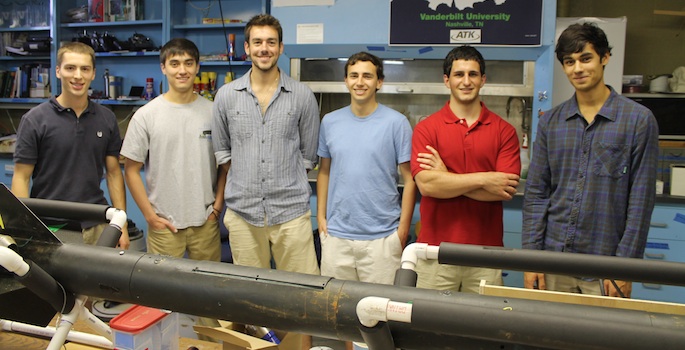
Vanderbilt “rocket cam” to capture landing hazards during NASA contest
The Vanderbilt Aerospace Club will outfit its NASA Student Launch Project rocket with a modified camera to capture landing hazards. Read MoreJan 17, 2014
-

Vanderbilt research featured in Science News’ top science story of 2013
The popular science magazine Science News has chosen a story featuring research by Vanderbilt's Seth Bordenstein and Robert Brucker as its top science story for the year. Read MoreJan 17, 2014
-

Obama appointments studied for patronage
Vanderbilt researchers studied 1,307 appointments made by the Obama administration in its first six months, seeking data about the appointees’ education, work history and political involvement. Read MoreJan 17, 2014
-

New approach may halt glioblastoma’s ability to grow
Vanderbilt University researchers have discovered a “backdoor” approach to blocking an enzyme that fuels the growth of glioblastoma, the most common and most fatal form of brain cancer. Read MoreJan 16, 2014
-

Grant aids premature infant hydrocephalus research
Neurodevelopmental outcomes of premature infants with post-hemorrhagic hydrocephalus is the subject of a new research study at the Monroe Carell Jr. Children’s Hospital at Vanderbilt. Read MoreJan 16, 2014