Life, Earth And Space
-
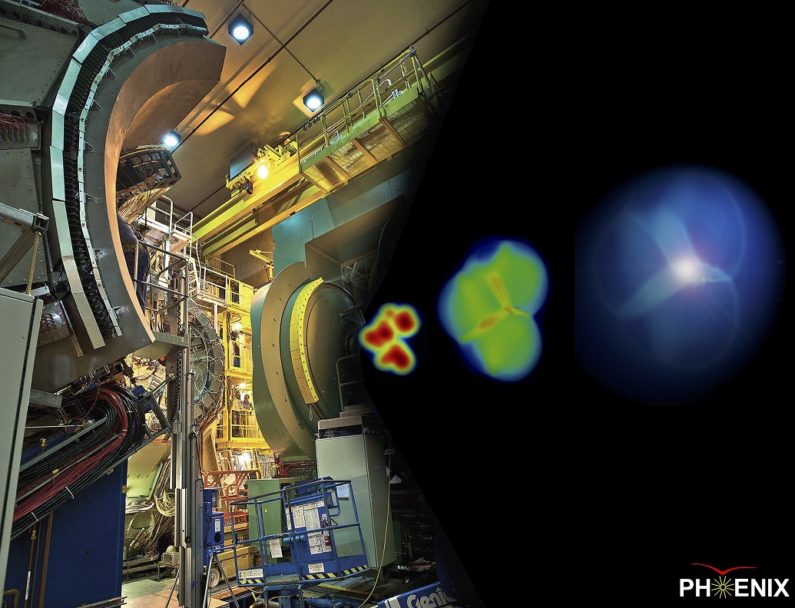
Vanderbilt physicists help find compelling evidence for small drops of perfect fluid
PHENIX publishes new particle-flow measurements to support their case that tiny projectiles create specks of quark-gluon plasma. Read MoreDec 10, 2018
-
Two proteins slow down the train of DNA replication in Drosophila
This work was the foundation for an NSF grant to interrogate how the Rif1 protein controls DNA replication. Read MoreOct 29, 2018
-

Studying cellular deliveries
James Patton and colleagues have demonstrated how colon cancer cells transmit genetic data to other cells. Read MoreOct 26, 2018
-
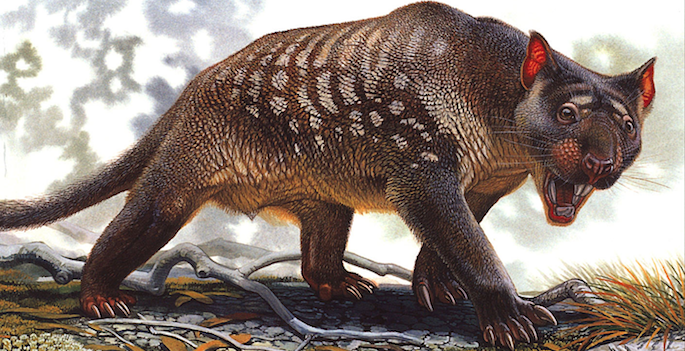
Climate change the likely killer of Australian marsupial lion
The extinction of one of Australia’s top predators, the marsupial lion, was likely a result of changing weather patterns and loss of habitat rather than human impacts, a study led by Vanderbilt University paleontologist Larisa DeSantis has found. Read MoreOct 19, 2018
-

High-speed atomic force microscopy reveals clock protein interactions
Prof. Carl Johnson and his team discovered on-and-off interactions between KaiA and KaiC take only seconds but combine to create a 24-hour oscillation of phosphorylation in a test tube. Read MoreAug 20, 2018
-
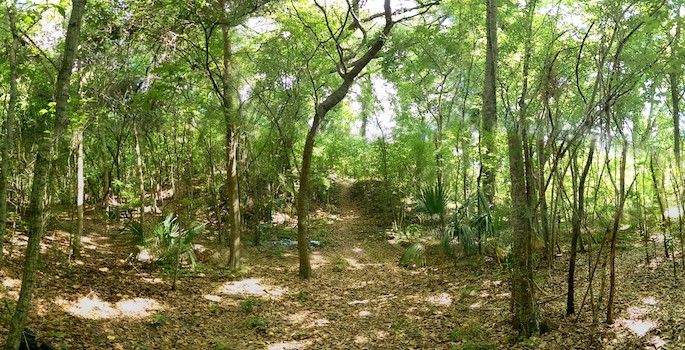
Prehistoric people also likely disrupted by environmental change
A prehistoric community in the Mississippi Delta may have abandoned a large ceremonial site after the bayou it sits on began to dry up. Read MoreMay 24, 2018
-
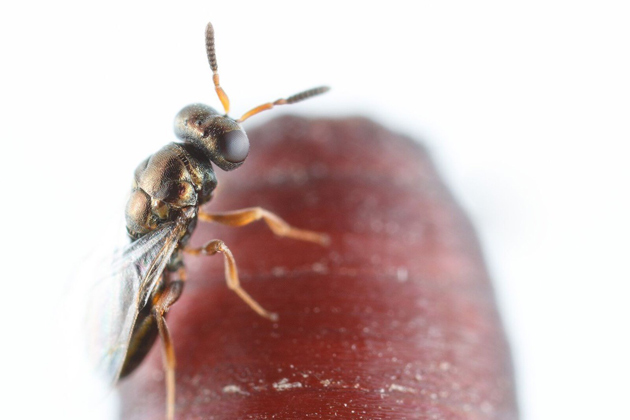
Insect gene allows reproductive organs to cope with harmful bacteria
Bordenstein’s team studied Nasonia parasitic wasps, which are about the size of a sesame seed, and they serve as one of the best models to dissect and characterize the evolution of insect genomes. Read MoreMay 17, 2018
-

Looking beyond the ‘magic bullet’ approach to drug discovery
Vanderbilt scientists have developed a new process that can rapidly and inexpensively identify personalized cancer drugs derived from nature. Read MoreMay 1, 2018
-
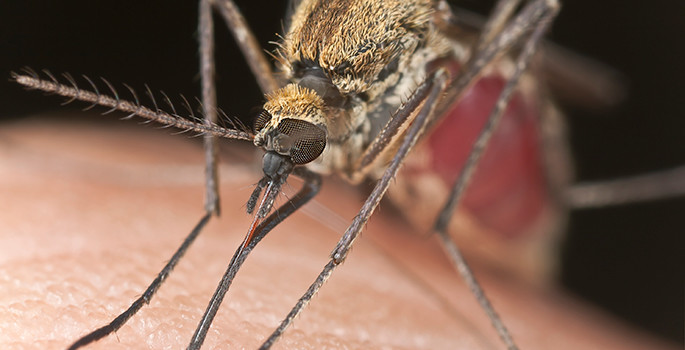
Unraveling genetic mystery next step in Zika and dengue fight
How a bacteria hijacked insect fertility remained a mystery for five decades, until Associate Professor of Biological Sciences Seth Bordenstein and his team helped solve it. Read MoreApr 23, 2018
-
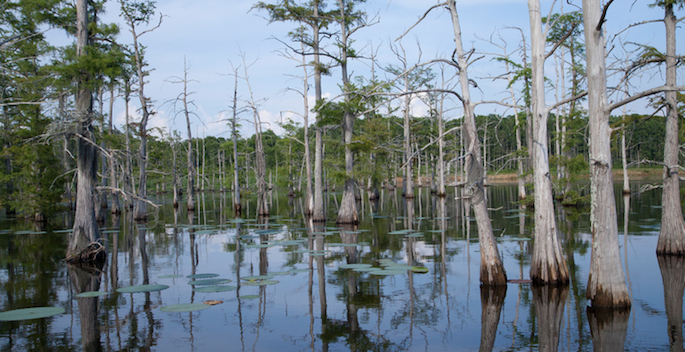
Mississippi River Delta will lose more land than can be reclaimed
Before the Industrial Age, the Mississippi Delta grew at a rate of two to three square miles per year, suggesting that, even with current reclamation efforts, it is unlikely that it will be possible to offset the current rate of loss--15 to 20 square miles per year Read MoreApr 11, 2018
-

Professor and student travel to the bottom of the earth, searching for climate clues
Vanderbilt geologist Dan Morgan and undergraduate Andrew Grant took immersion to an extreme, trekking all the way to Antarctica to hunt for the oldest ice ever found. Read MoreApr 4, 2018
-
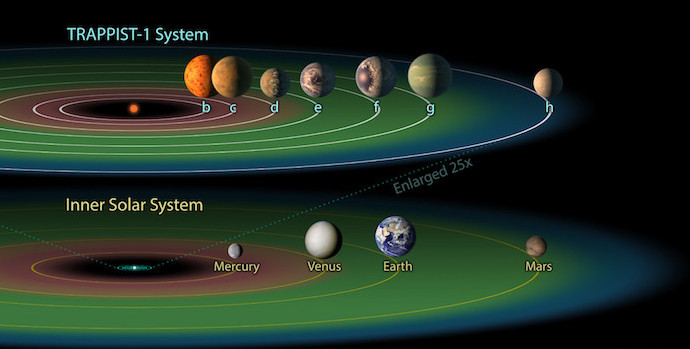
Planets orbiting TRAPPIST-1 star provide clues to the nature of habitable worlds
The newly discovered planets appear to have too much water to sustain life but provide hints at what sorts of planets might do so. Read MoreMar 20, 2018
-
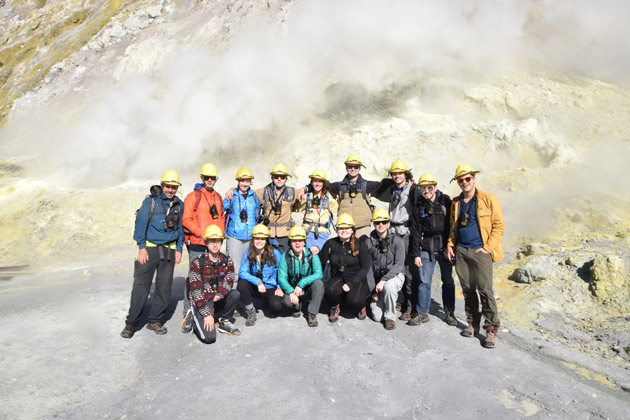
VU Inside: Students dig into super-massive volcanic eruptions
A dozen Vanderbilt students went on a monthlong science adventure of a lifetime, studying super-eruptions, glaciers and earthquakes in New Zealand. Read MoreJan 25, 2018
-
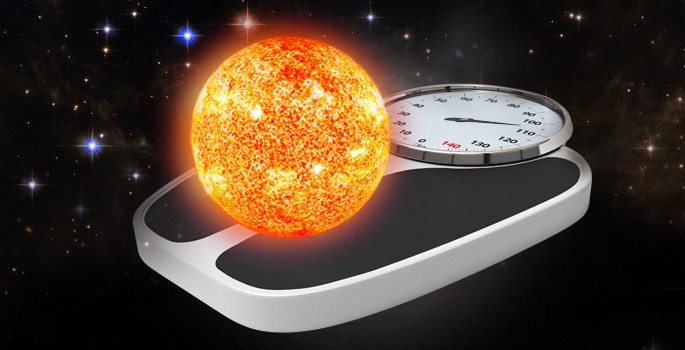
Better way to weigh millions of solitary stars
Astronomers have come up with a new and improved method for measuring the masses of millions of solitary stars, especially those with planetary systems. Read MoreDec 14, 2017
-
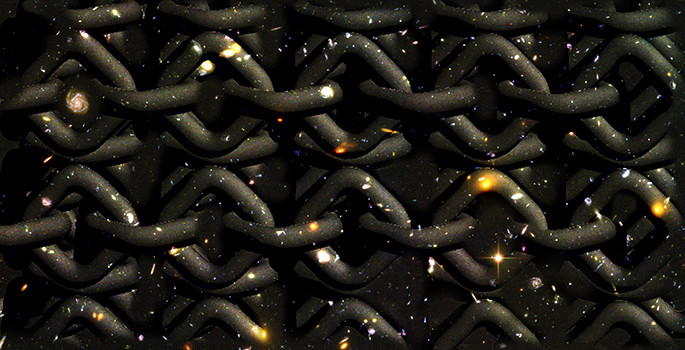
Filling the early universe with knots can explain why the world is three-dimensional
Filling the universe with knots shortly after it popped into existence 13.8 billion years ago provides a neat explanation for why we inhabit a three-dimensional world. That is the basic idea advanced by an out-of-the-box theory developed by an international team of physicists. Read MoreOct 13, 2017
-
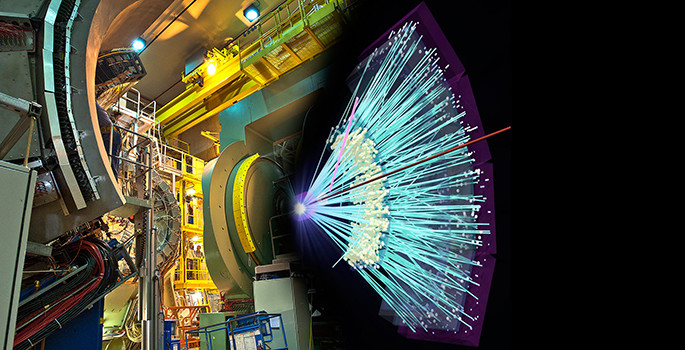
Primordial cosmic soup easier to create than previously thought
In subatomic collisions, physicists have found the signature of primordial cosmic soup, from which all the stuff in the universe formed, at lower energies and in smaller volume than ever before. Read MoreOct 3, 2017
-

Vanderbilt graduate research assistant receives national defense fellowship
Matthew Feldman, a graduate research assistant in physics and astronomy, is one of only 195 students nationwide who have been awarded a National Defense Science and Engineering Graduate (NDSEG) Fellow Read MoreSep 22, 2017
-
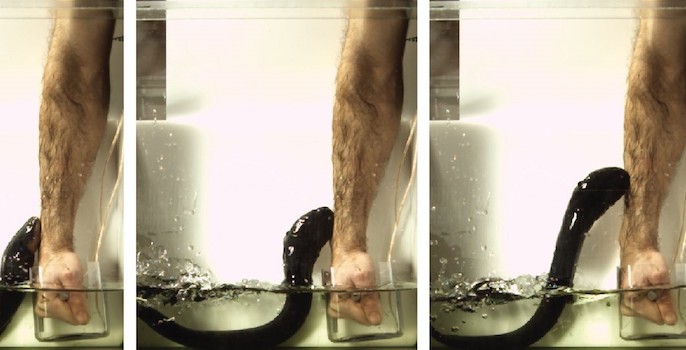
Biologist reaches into electric eel tank, comes out with equation to measure shocks
Ken Catania stuck his arm into a tank with an electric eel 10 times -- the only way to get accurate measurements of the circuit created by animal, arm and water. Read MoreSep 14, 2017
-

New research on Fragile X syndrome reinforces importance of early detection
New insights into the long-lasting effects of Fragile X syndrome on connections in the brain during early development highlight the importance of early detection and treatment. Read MoreAug 25, 2017
-

Sugars in human mother’s milk are non-toxic antibacterial agents
A new study has found that sugars in mother's' milk do not just provide nutrition for babies but also help protect them from bacterial infections. Read MoreAug 20, 2017