Engineering And Technology
-

App turns tablet into math aid for visually impaired students
A mechanical engineering graduate student has created an app that turns Android tablets into an educational aid for teaching mathematics to visually impaired students. Read MoreMar 5, 2012
-

Opinion: Time to step up local university-industry collaboration in IT
Our shared concern about growing our IT talent pool is undeniably on-target and it's no surprise that recruiting and retaining talented IT professionals in our region is harder than we'd like, writes Doug Schmidt, professor of computer science. Read MoreFeb 13, 2012
-
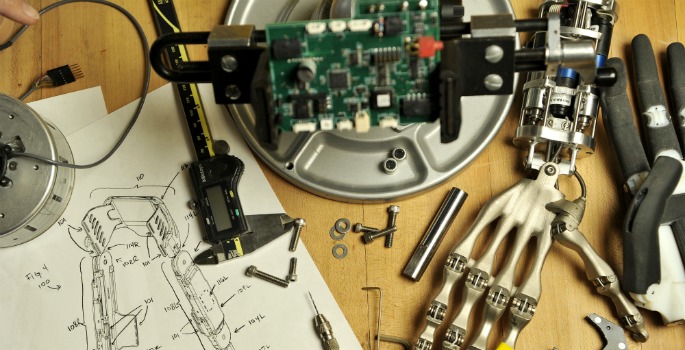
Spirit of Innovation
The Center for Technology Transfer and Commercialization is taking Vanderbilt researchers’ inventions to new heights An array of instruments and gadgets found in the Olin Hall laboratory of Professor of Mechanical Engineering Michael Goldfarb. (John Russell/Vanderbilt) Use the term “inventor,” and what pops to mind? The wild-haired Dr. Emmett… Read MoreFeb 1, 2012
-
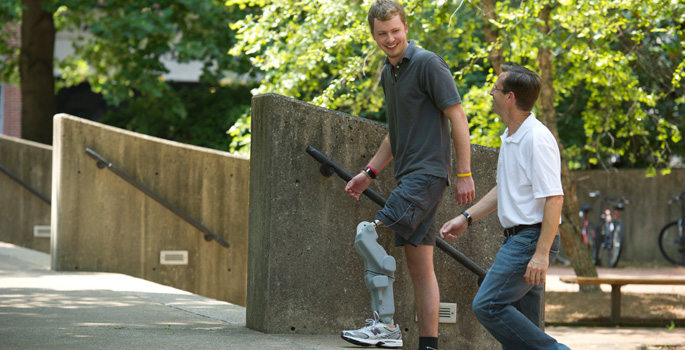
National Science Foundation: Bionic leg makes amputee faster on his feet
Two years after losing his leg in a shark attack, Craig Hutto became the test pilot for a unique and powerful new prosthetic leg being developed by mechanical engineer Michael Goldfarb and his team at Vanderbilt University. Read MoreJan 24, 2012
-
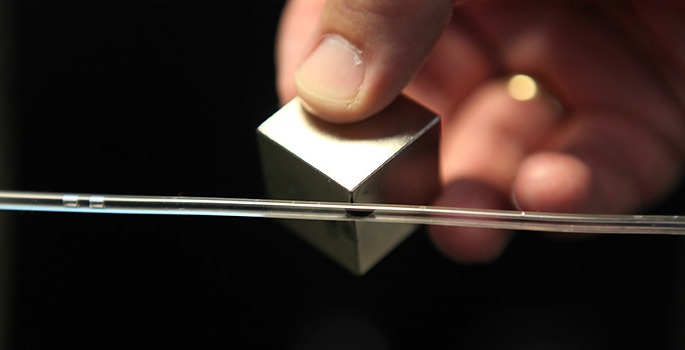
“Extractionator” could bring high-tech medical diagnostics to rural areas
The Bill and Melinda Gates Foundation has given them $1 million to three Vanderbilt scientists to develop a point-of-care sample collection and preparation product that could bring advanced medical diagnostic testing to the third world. Read MoreDec 16, 2011
-
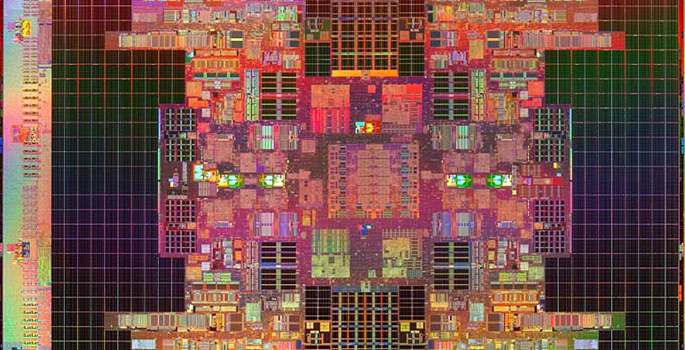
New method for enhancing thermal conductivity could cool computer chips, lasers and other devices
Vanderbilt engineers have discovered a surprising new way to increase a material’s thermal conductivity that provides a new tool for managing thermal effects in computers, lasers and a number of other powered devices. Read MoreDec 14, 2011
-
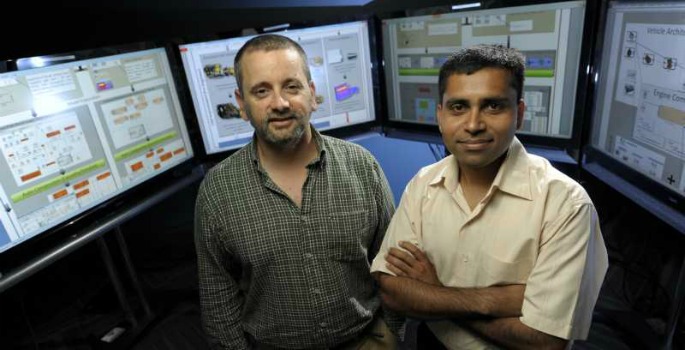
ISIS pioneers model-integrated computing
Recent ongoing research highlights the Institute for Software Integrated Systems' broad, multidisciplinary impact. Read MoreNov 30, 2011
-
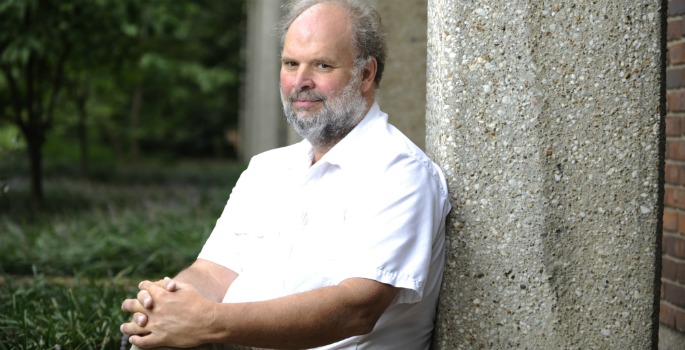
Fields medalist brings informal style to Vanderbilt
When Vaughan Jones was 5 years old, he made his first mathematical discovery. Read MoreOct 21, 2011
-
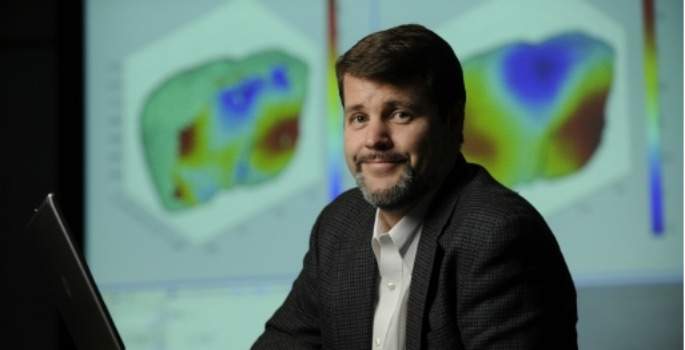
Grant bolsters liver tumor surgery techniques
A team led by Vanderbilt University biomedical engineer Michael Miga has been awarded a five-year, $3.1 million grant from the National Cancer Institute to enhance image-guided surgery techniques for safely removing liver tumors. Read MoreAug 30, 2011
-

Time to anticipate and adapt to climate change
Despite the uncertainties surrounding climate change, it is time to start developing effective strategies to keep the nation’s transportation systems and other critical infrastructure running. Read MoreAug 19, 2011
-

GIS moves into math and science classrooms
Geographic information systems and geospatial technologies have moved into math and science courses at multiple levels, and teachers are learning how to integrate these tools into curriculums. Read MoreAug 17, 2011
-
New ‘bionic’ leg gives amputees a natural gait
A new lower-limb prosthetic uses the latest advances in computer, sensor, electric motor and battery technology to give it bionic capabilities. Read MoreAug 17, 2011
-
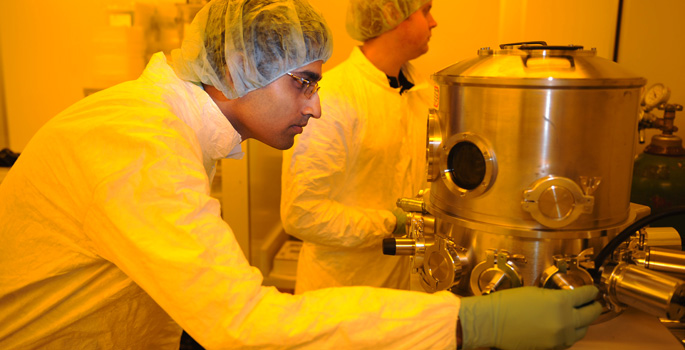
Designing diamond circuits for extreme environments
There is a new way to design computer chips and electronic circuitry for extreme environments: make them out of diamond. Read MoreAug 4, 2011
-
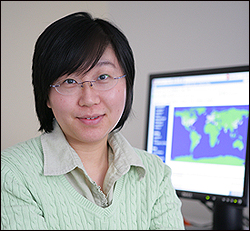
Students try to hack ‘Bank of Vanderbilt’ in network security class
Yuan Xue is among the Vanderbilt engineering faculty training computer science leaders of the future to build and maintain more secure networks through innovative teaching methods. Read MoreJul 22, 2011
-
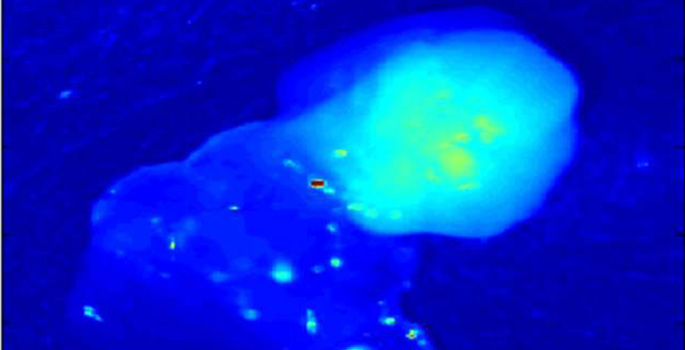
Glowing gland can reduce endocrine surgery risk
Vanderbilt researchers have discovered that parathyroid glands have a natural fluorescence that can be used during surgery to identify these tiny organs, which are hard to find with the naked eye. Read MoreJun 20, 2011
-
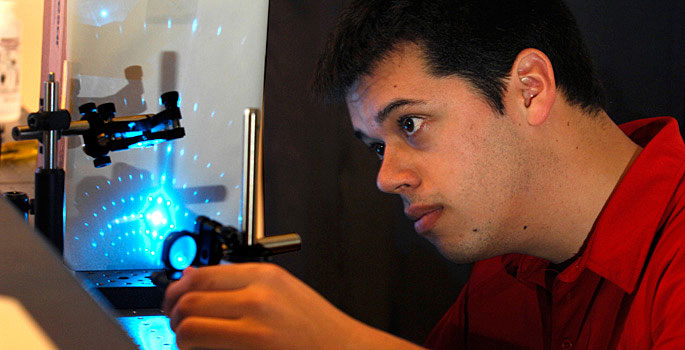
Stamping out low cost nanodevices
A team of Vanderbilt engineers have developed a rapid and low-cost imprinting process that can stamp out a variety of devices that have unique optical, electrical, chemical and mechanical properties. Read MoreMay 31, 2011
-
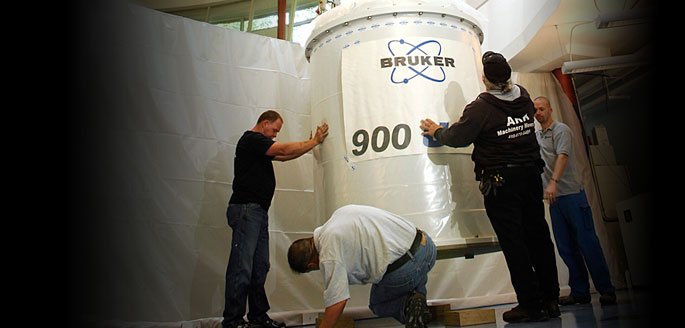
Powerful NMR magnet a boon to research at Vanderbilt University
Vanderbilt University’s acquisition of a 900 megahertz nuclear magnetic resonance (NMR) spectrometer will accelerate studies on cancer and Alzheimer’s disease. Read MoreMay 13, 2011
-

Nanotechnologists take lessons from nature
Accepting and understanding natural variability is the key for engineers seeking to make nanoscale devices that are as efficient as living microorganisms. Read MoreApr 28, 2011
-
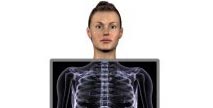
A better picture of bone strength
A component of some MRI scans reveals that "soft" components, like collagen and collagen-bound water, are important players in bone strength. Read MoreMar 2, 2011
-

Google Earth lecture highlights National Engineers Week at Vanderbilt
Vanderbilt engineering alumnus and Google Earth co-founder Chikai Ohazama will speak at Vanderbilt as part of E-Week Feb. 24 at 6 p.m. Read MoreFeb 16, 2011