Releases
-
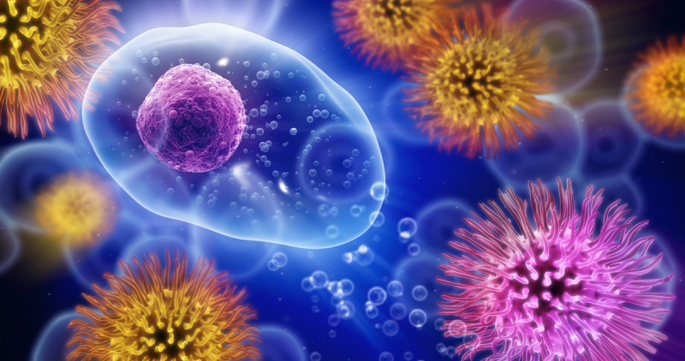
Early steps in reovirus replication
Conformational change in a reovirus surface protein modulate the virus’s attachment to host cells, Vanderbilt researchers have found. Read MoreOct 6, 2020
-
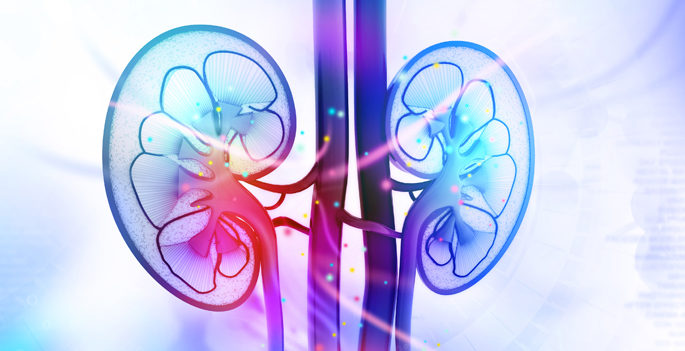
Clue to diabetic kidney disease
Vanderbilt researchers have identified a signaling pathway that promotes kidney fibrosis in patients with diabetes — and that could be targeted with an existing approved medication. Read MoreOct 5, 2020
-

Vanderbilt and Australian researchers collaborate to solve decades-long debate about decision-making
Psychology researchers develop new methodologies and representations of how people react to incoming information to better understand complex decision-making. Read MoreOct 1, 2020
-
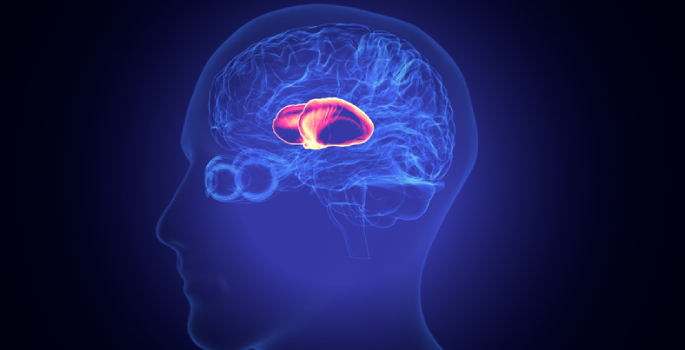
Pinpointing brain changes in psychosis
Specific regions of the thalamus — a central brain region — are smaller in adults with psychotic disorders and youth at risk for psychotic disorders and are associated with cognitive impairment. Read MoreOct 1, 2020
-
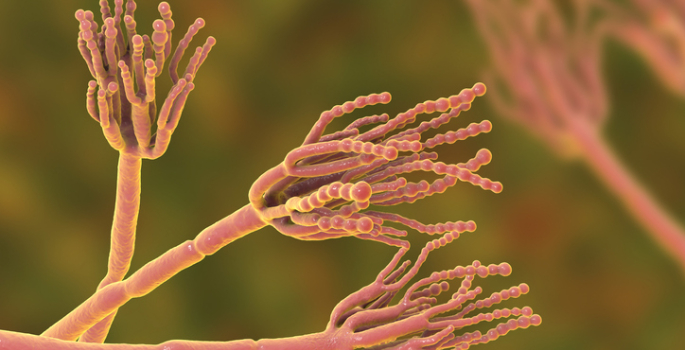
Genes spell penicillin allergy risk
Studies using large DNA biobanks revealed genetic variants associated with penicillin allergy, the most common type of drug-induced allergic reaction. Read MoreOct 1, 2020
-
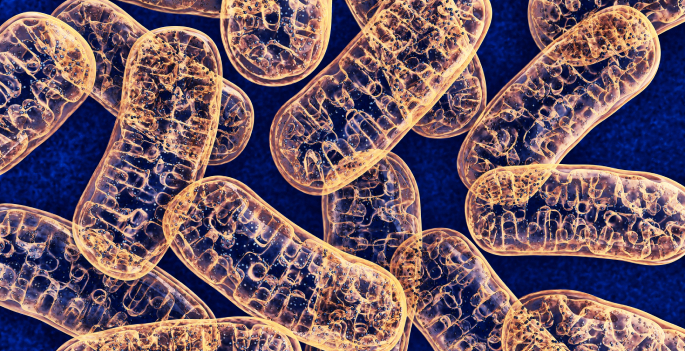
Vanderbilt biologists test evolutionary theories with novel empirical study of ‘cheater’ mitochondria
Studying “cheater” and “cooperative” mitochondria under environmental pressure delivers solid evolutionary conclusions in a longstanding theoretical field. Read MoreSep 25, 2020
-

Cohen Fund bolsters Siciliano’s memory research
Cody Siciliano, PhD, assistant professor of Pharmacology in the Vanderbilt University School of Medicine, has been selected to receive a one-year, $100,000 research award from the Stanley Cohen Innovation Fund to support his studies of the neural substrates of memory. Read MoreSep 24, 2020
-

$100 million ‘Destination Vanderbilt’ initiative launched to recruit top faculty, address essential challenges
Vanderbilt University today launched Destination Vanderbilt, a $100 million university excellence initiative to recruit new faculty. Over the next two to four years, the university will leverage the investment to recruit approximately 60 faculty who are leaders and rising stars in their fields. Read MoreSep 23, 2020
-
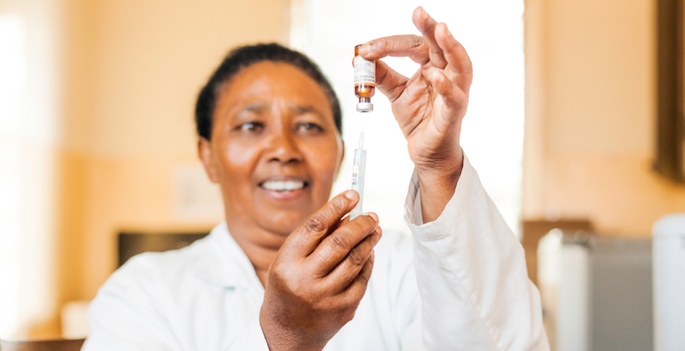
Rational vaccine design
Understanding immunity generated by smallpox vaccine may hold lessons for COVID-19 vaccine development. Read MoreSep 22, 2020
-

Throwing weight around on the internet
What users mention in online weight loss forum tracks with how much weight they lose. Read MoreSep 21, 2020
-
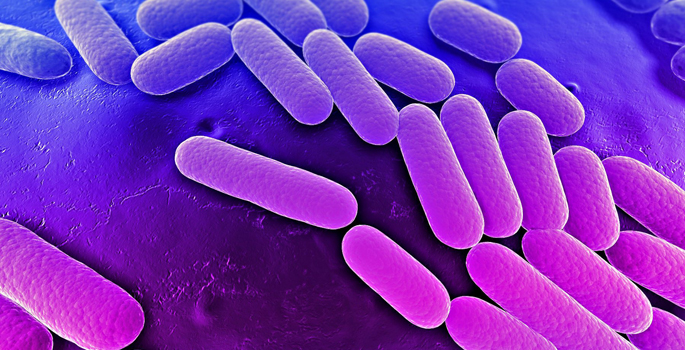
Probing pathogen antibiotic resistance
Understanding how bacteria evolve resistance to antibiotics and host stresses could guide the development of more effective antimicrobial therapeutics. Read MoreSep 17, 2020
-
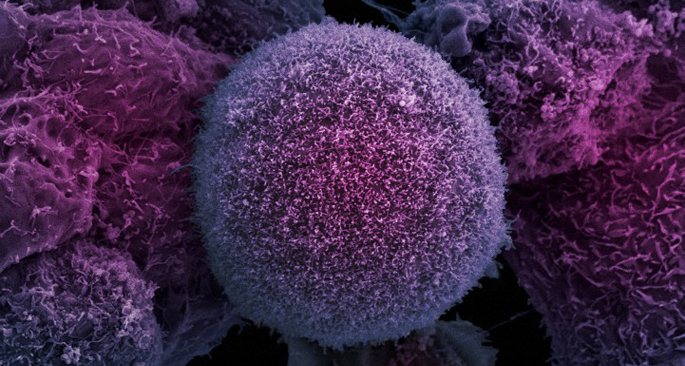
New predictors of prostate cancer risk
An international group of researchers including Vanderbilt epidemiologists has identified new DNA methylation biomarkers associated with prostate cancer risk. Read MoreSep 17, 2020
-

NIH grant supports Vanderbilt effort to increase diversity in Alzheimer’s research
A new $2.5 million grant from the National Institutes of Health is enabling Vanderbilt University chemist Renã A.S. Robinson to expand her research on racial disparities in Alzheimer’s and other diseases. Read MoreSep 11, 2020
-

Award supports integration of genomic data, electronic health records
Eric Gamazon, PhD, assistant professor of Medicine, has been awarded a $1.5 million grant from the National Human Genome Research Institute, part of the National Institutes of Health (NIH), to develop novel computational tools that integrate functional genomic data and electronic health records. Read MoreSep 10, 2020
-

VUMC to lay groundwork for Tennessee’s first federally funded Alzheimer’s Disease Research Center
Angela Jefferson, PhD, professor of Neurology and director of the Vanderbilt Memory and Alzheimer’s Center, has been awarded a $3.7 million, three-year grant from the National Institute on Aging (NIA) to support establishment of a prospective NIA-funded Alzheimer’s Disease Research Center (ADRC) at Vanderbilt University Medical Center. Read MoreSep 10, 2020
-

Fibroids and birth outcomes
Women with three or more uterine fibroids — non-cancerous growths — during pregnancy are more likely to have infants with reduced birthweight and may need additional surveillance. Read MoreSep 8, 2020
-
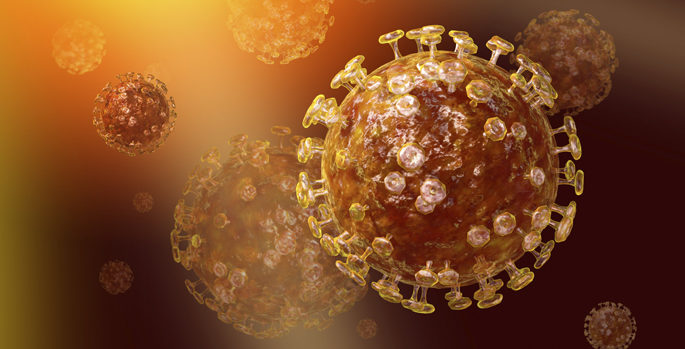
Possible key to COVID-19 infectivity
New findings demonstrate how genetic variations in the receptor that binds SARS-CoV-2 impact virus recognition and infectivity and offer insights to COVID-19 susceptibility and treatment. Read MoreSep 7, 2020
-

New clue to Alzheimer’s disease
Combining studies of genetically diverse mouse populations and human data led to the identification of a gene associated with cognitive decline and brain changes in Alzheimer’s disease. Read MoreSep 3, 2020
-
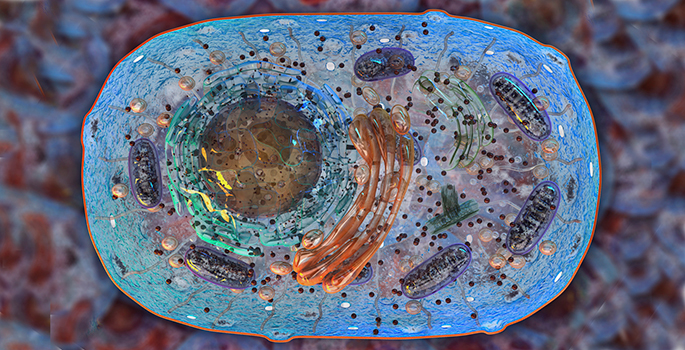
Assembling cell power plant machinery
Tina Iverson and colleagues provide a structural view into the assembly of a protein machine essential for cellular energy production. Read MoreSep 3, 2020
-

Incarceration of family members negatively impacts mental health outcomes for African American women
A new study sheds new light on the challenges facing African American women. More than half of all African American women in the United States report having at least one family member who is incarcerated, causing higher levels of depressive symptoms and psychological distress than previously understood. Read MoreSep 2, 2020