Releases
-

Former Vanderbilt Prize winner Amon mourned
Angelika Amon, PhD, a pioneering cell and molecular biologist and winner of the 2018 Vanderbilt Prize in Biomedical Science, died Oct. 29 from cancer. She was 53. Read MoreOct 30, 2020
-

Grant helps expand VI4’s Artist-in-Residence program
An innovative Vanderbilt program that brings together scientists and artists with the shared goal of scientific communication is set to expand with support from a three-year grant from the Burroughs Wellcome Fund. Read MoreOct 29, 2020
-

Histamine circuits in brain reward center
Histamine — commonly associated with allergies — also has a signaling role in the brain’s reward center and may offer a novel target for treating addiction. Read MoreOct 29, 2020
-
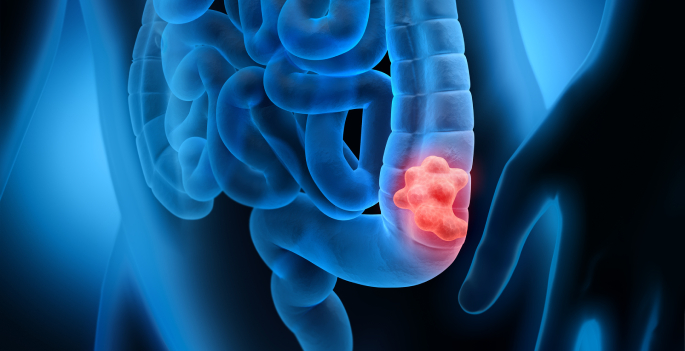
New markers of colorectal cancer risk
Vanderbilt epidemiologists identified new markers for colorectal cancer risk and characterized a previously unidentified tumor suppressor that regulates overall tumor volume in vivo. Read MoreOct 29, 2020
-

Vanderbilt trans-institutional team shows how next-gen wearable sensor algorithms powered by machine learning could be key to preventing injuries that sideline runners
An interdisciplinary team of researchers led by Karl Zelik explores how wearable sensor technology can monitor bone stress in runners, developing a new multi-sensor algorithm that could save runners from months of pain and recovery time. Read MoreOct 28, 2020
-

Vanderbilt University anti-inflammatory therapy licensed to Amytrx is now in clinical trials for eczema treatment
Jacek Hawiger’s anti-inflammatory peptide therapy, licensed by Amytrx and now in clinical trials, has the potential to safely and effectively treat a multitude of inflammatory and metabolic diseases. Read MoreOct 27, 2020
-
New tool to probe genetic mechanisms of disease
Vanderbilt Genetics Institute investigators have added a new method to the computational genetics toolbox. Their approach, described in the journal Nature Genetics, integrates vast genomics datasets to predict gene expression and facilitate discovery of genetic mechanisms underlying human diseases. Read MoreOct 22, 2020
-
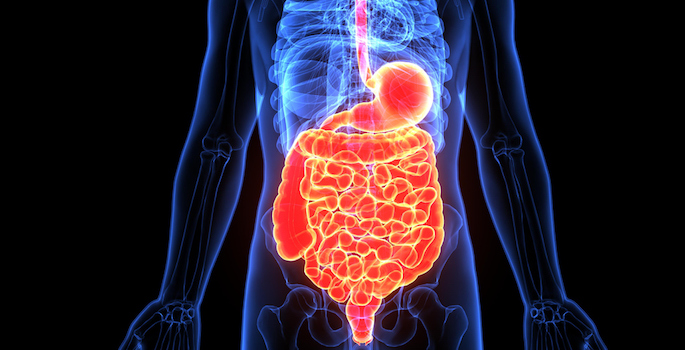
Preserving gut mucus architecture
A new method that keeps microbes and gut cells together will be useful for studies of complex host-microbe interactions and for analysis of clinical specimens. Read MoreOct 20, 2020
-
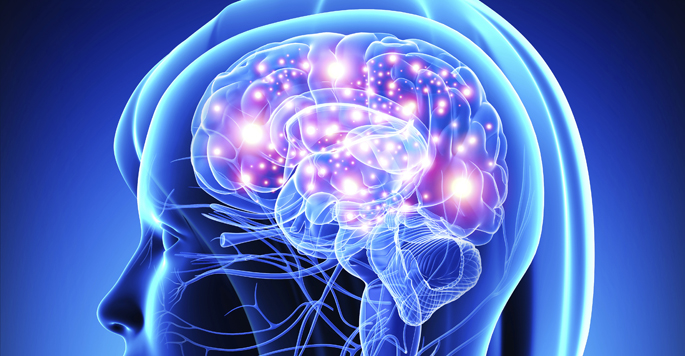
Depression and the brain-age gap
Older depressed adults show accelerated brain aging, according to a new study from Vanderbilt researchers, who suggest that the effects of depression may speed the decline in cognitive functions in older individuals. Read MoreOct 19, 2020
-
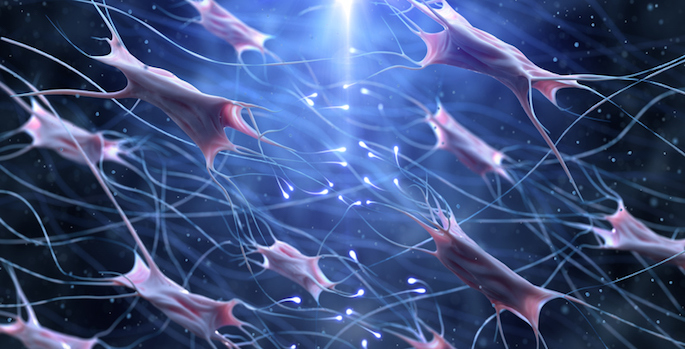
Vanderbilt researchers make counterintuitive discoveries about immune-like characteristics of cells, chemotherapy’s impact on tissue growth
Biologists reveal that tissue perturbations by chemotherapy agents promote stem cell expansion and that fibroblast cells exhibit unexpected, immune-like behavior. Read MoreOct 15, 2020
-
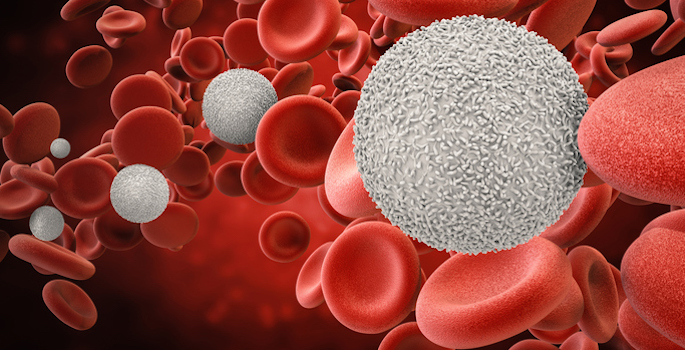
Factor involved in stomach injury response identified
Researchers at Vanderbilt University Medical Center have identified a key factor that coordinates the body’s repair response to severe injury in the stomach caused, most commonly, by infection by the bacterium Helicobacter pylori. Read MoreOct 15, 2020
-
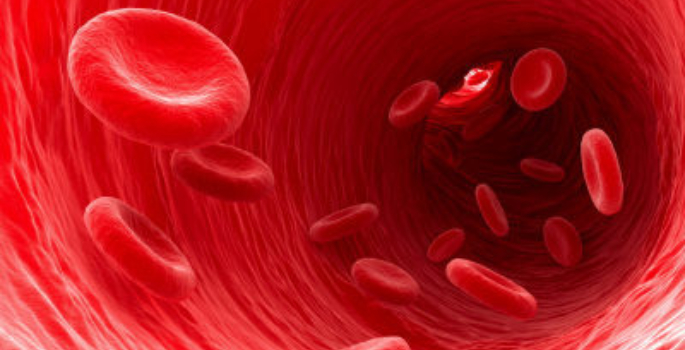
Brain blood vessel response to hypoxia
The brain’s response to low oxygen — growth and remodeling of blood vessels — involves certain cell types and molecular pathways, Vanderbilt researchers have discovered. Read MoreOct 15, 2020
-
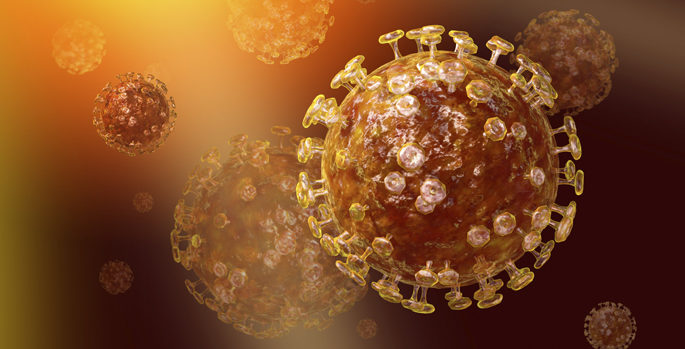
COVID-19 long-acting antibodies discovered by Vanderbilt University Medical Center move to phase 3 clinical trials
AstraZeneca is advancing into phase 3 clinical trials with an investigational COVID-19 therapy of two long-acting antibodies discovered by Vanderbilt University Medical Center and optimized by AstraZeneca. Read MoreOct 13, 2020
-

Computer-based study reveals impact of race on health
A computer-based method developed at Vanderbilt University Medical Center that scans electronic medical records (EMRs) for genetic contributors to disease has been used for the first time to reveal the impact of race on health. Read MoreOct 8, 2020
-
Researchers create molecular ‘atlas’ of GI tract neurons
Researchers at Vanderbilt University Medical Center have generated the first comprehensive molecular “atlas” of genes expressed by the neuronal cells within the intestine that coordinate the functions of the gastrointestinal (GI) tract. Read MoreOct 8, 2020
-

Study shows that repeated statements are more often judged to be true, regardless of a person’s age or prior knowledge
Researchers from Vanderbilt Peabody College of education and human development ask two questions in a recent study related to the illusory-truth effect: Do adults learn during childhood to associate repetition as a cue for truth, and can their prior knowledge protect them from the effect? Read MoreOct 6, 2020
-

IRIS Center supports parents and children learning remotely with new module
A new self-paced learning unit or module available from Vanderbilt Peabody College IRIS Center, “Parents: Supporting Learning During the COVID-19 Pandemic,” offers suggestions and strategies to cover a wide range of circumstances and student needs for grades PreK–12 as parents search for ways to help meet their children’s learning needs at home. Read MoreOct 6, 2020
-

Vanderbilt’s Humphreys receives Brain and Behavior Research Foundation Young Investigator Grant
Kathryn Humphreys, assistant professor of psychology and human development at Vanderbilt Peabody College of education and human development, was awarded a Young Investigator Grant from the Brain and Behavior Research Foundation in an announcement made September 21. Read MoreOct 6, 2020
-

Vanderbilt researchers develop publicly available COVID-19 animal susceptibility prediction tool; suggests increased risk to horses
All-remote collaboration results in free animal susceptibility tool to help prioritize research and closer examination of at-risk species. Read MoreOct 6, 2020
-
Early steps in reovirus replication
Conformational change in a reovirus surface protein modulate the virus’s attachment to host cells, Vanderbilt researchers have found. Read MoreOct 6, 2020