Releases
-

Physician-scientists Aliyu, Tindle elected to ASCI
Vanderbilt’s Muktar Aliyu, MBBS, MPH, DrPH, and Hilary Tindle, MD, MPH, will be inducted this year into the American Society for Clinical Investigation (ASCI), an elite honor society of physician-scientists from the upper ranks of academic medicine and industry. Read MoreMar 31, 2021
-

Ask an Expert: What makes people more willing to get vaccinated?
Behavioral science research from Jennifer Trueblood, associate professor of psychology, identifies the best way to convince people to get vaccinated against SARS-CoV-2. Read MoreMar 30, 2021
-
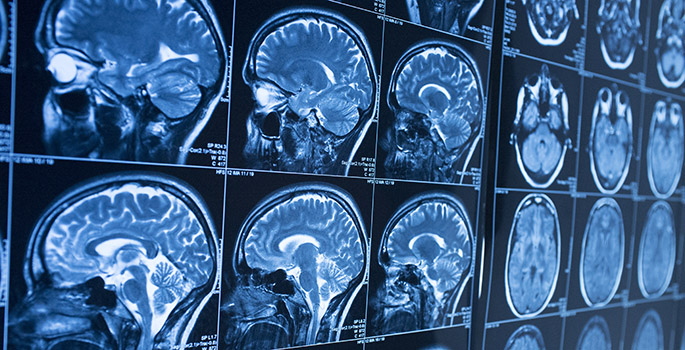
NYU’s Tsien to discuss brain plasticity at next Discovery Lecture
Richard Tsien, PhD, director of the Neuroscience Institute at NYU Langone Medical Center, will deliver the next web-based Discovery Lecture. Read MoreMar 29, 2021
-

Research Snapshot: Exosuit concept developed at Vanderbilt peeks at the future of wearable tech
Research snapshot: Study shows promise to bring back strain-relieving wearable tech to last-mile delivery drivers, heavy-lifting jobs and other essential workers, including those strained during pandemic. Est. reading time: 1.5 minutes Read MoreMar 25, 2021
-
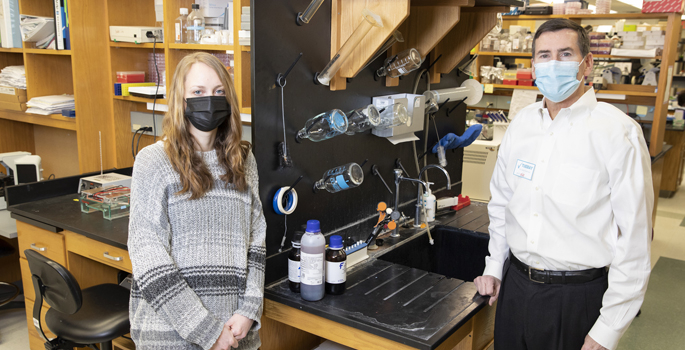
Team studies new use for pulmonary hypertension drug
An FDA-approved medication enhances the function of T regulatory cells (Treg), a class of immune cells that restrains the immune response, Vanderbilt investigators have discovered. Read MoreMar 25, 2021
-

Prostate cancer microenvironment
Distinct cancer-associated fibroblasts in the prostate tumor microenvironment may influence tumor progression and could point to new therapeutic targets. Read MoreMar 23, 2021
-
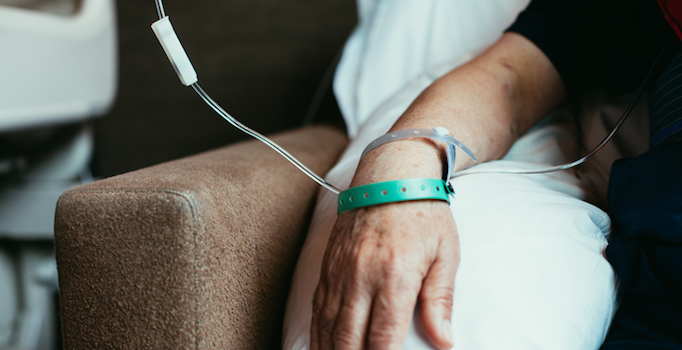
Chemo for cancer lowers dementia risk
Cancer chemotherapy lowered risk of Alzheimer’s disease and other neurocognitive disorders that disproportionately affect older people. Read MoreMar 22, 2021
-

Strength training for osteoarthritis
High-intensity strength training is not more effective than low-intensity training or educational efforts for reducing knee pain in patients with osteoarthritis. Read MoreMar 18, 2021
-
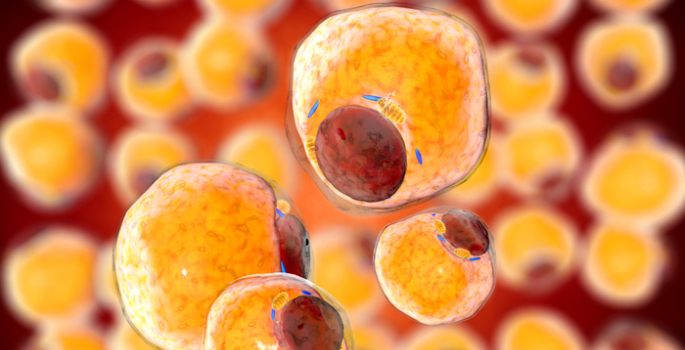
HIV, diabetes and immune cells in fat
In HIV-positive individuals with diabetes, immune cells in fat are more proinflammatory and cytotoxic and may represent a therapeutic target for diabetes. Read MoreMar 18, 2021
-
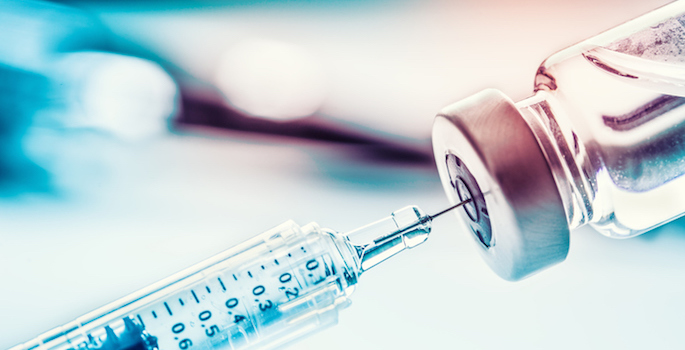
Study to assess allergic reactions to COVID vaccines
Vanderbilt University Medical Center is recruiting volunteers for a randomized controlled phase 2 clinical trial to help determine the prevalence of systemic allergic reactions (SARS) to the two-dose COVID-19 mRNA vaccines made by Pfizer-BioNTech and Moderna. Read MoreMar 18, 2021
-
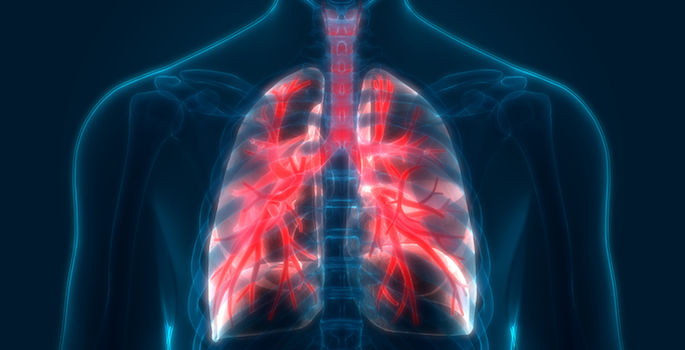
Vanderbilt research played key role in new lung screen guidelines
The U.S. Preventive Services Task Force (USPSTF) has formally recommended two changes that will nearly double the number of people eligible for lung cancer screening by lowering the age from 55 to 50 and reducing the number of smoking history pack years from 30 to 20. Read MoreMar 18, 2021
-
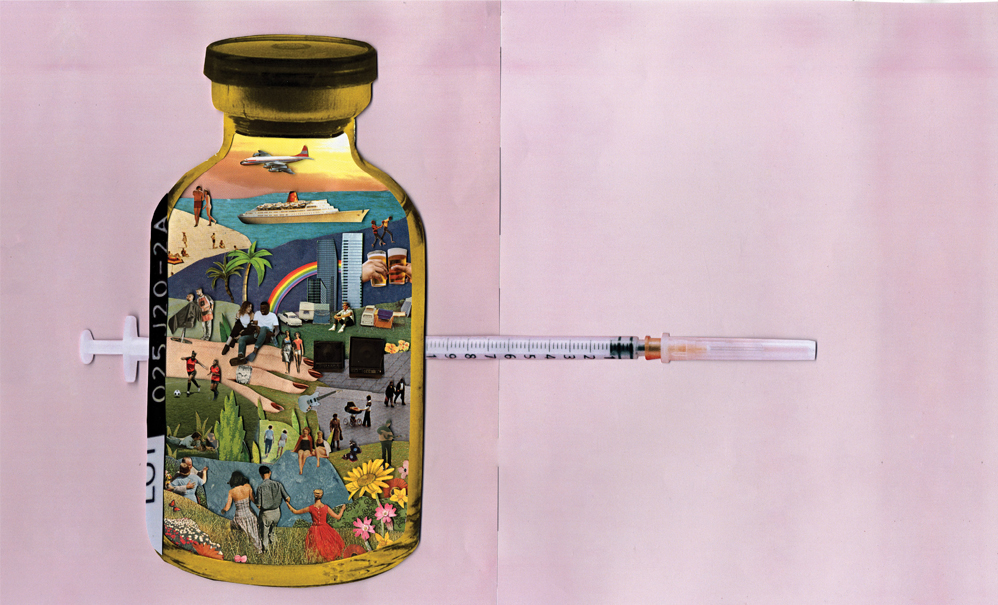
Shot in the Arm: Groundbreaking COVID-19 vaccine research by alumnus Dr. Barney Graham began at Vanderbilt decades ago
The remarkable success of the COVID-19 vaccines began in a Vanderbilt lab decades ago, with the groundbreaking research of alumnus Dr. Barney Graham. Read MoreMar 17, 2021
-

Artificial intelligence calculates suicide attempt risk at VUMC
A machine learning algorithm that predicts suicide attempt recently underwent a prospective trial at the institution where it was developed, Vanderbilt University Medical Center. Read MoreMar 15, 2021
-
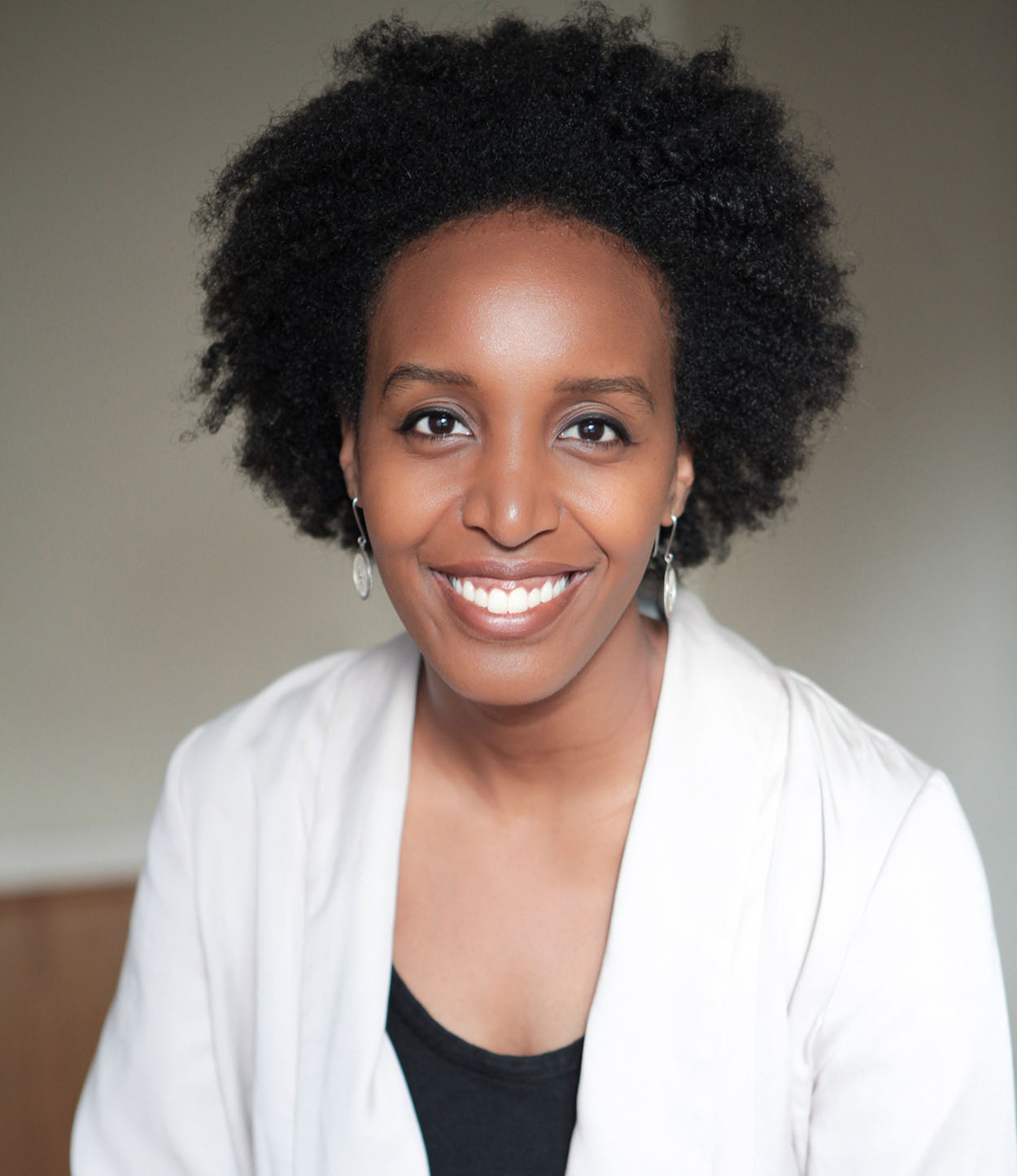
Betsega Bekele, MEd’14, National Storyteller
Betsega Bekele, MEd'14, helps lead American Portrait, a multiplatform, national storytelling project tied to PBS’ 50th anniversary celebration. The digital-first initiative that launched online in January 2020 is centered on this question: What does it really mean to be an American today? Read MoreMar 11, 2021
-

Ask an Expert: How can studying religion help us re-imagine economic systems?
Vanderbilt University theology professor Joerg Rieger discusses how studying religion can help us to critique and redesign economic systems that benefit the working class… Read MoreMar 11, 2021
-
Electronic health record study discovers novel hormone deficiency
A novel hormone deficiency may exist in humans, Vanderbilt investigators have discovered. In an analysis of two decades worth of electronic health records, the researchers found that some patients have unexpectedly low levels of natriuretic peptide hormone in clinical situations that should cause high levels of the hormone. Read MoreMar 11, 2021
-

Rebecca VanDiver tells the story of Black women artists through different frames of reference
Assistant Professor of History of Art Rebecca VanDiver focuses her research on African American artists—particularly Black female artists of the 20th century. In the classroom, she presents art history not only as a discipline that allows for a study of the history of artistic movements and style, but also as a lens to study culture and history. Read MoreMar 9, 2021
-

Interview: Interventions and Other Suicide Prevention Measures Employed or Adapted in the Context of COVID-19
Psychiatry Advisor spoke with VUSN professor Susan (Susie) Adams, PhD, PMHNP-BC, FAANP, FAAN, recently as she co-authored a paper regarding the role of primary care providers in suicide prevention during the pandemic. Read MoreMar 4, 2021
-
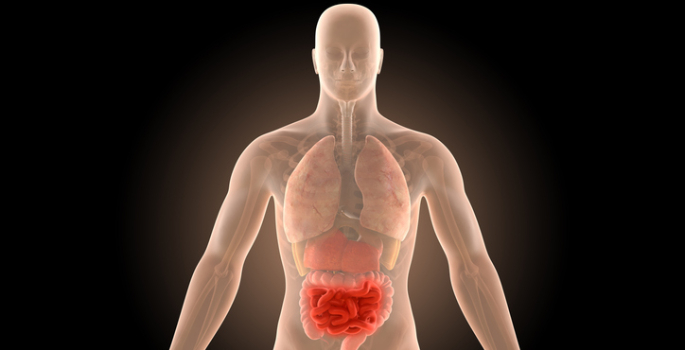
Probiotic protection
A probiotic factor given early in life to mice prevented intestinal inflammation in adulthood, providing a rationale for probiotic intervention in individuals at high risk of developing inflammatory bowel disease. Read MoreMar 4, 2021
-
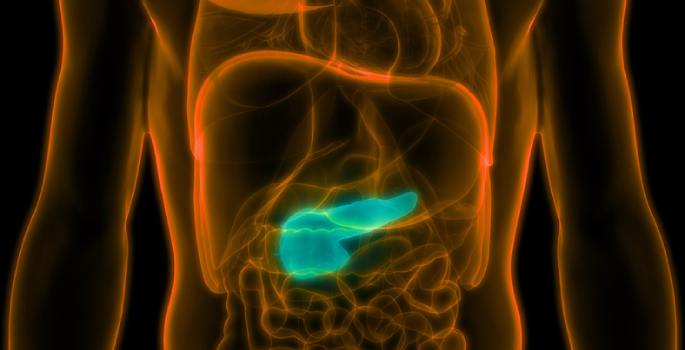
Targeting glucagon action in diabetes
Disrupting the action of glucagon — a pancreatic hormone that works to raise blood glucose — restores functional insulin-producing cells in mouse models of type 1 diabetes and may be a promising treatment strategy. Read MoreMar 4, 2021