Leigh MacMillan
-
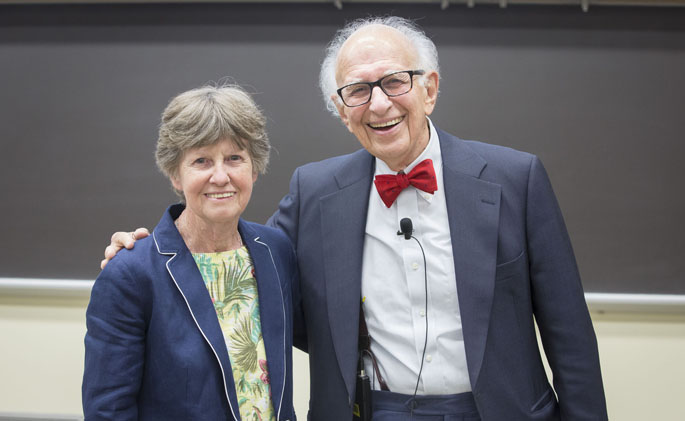
Discovery Lecturer Kandel tackles age-related memory loss
Eric Kandel, M.D., who was awarded the Nobel Prize in 2000 for discovering molecular mechanisms of memory storage, told the crowd at last week’s Flexner Discovery Lecture that he has recently become interested in memory in the aging brain. Read MoreMay 11, 2017
-
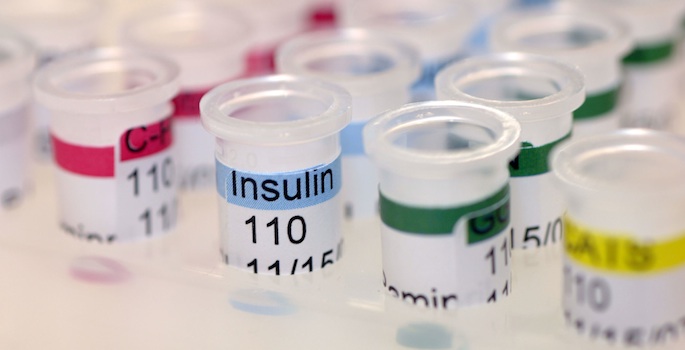
Therapeutic targets for diabetes
Vanderbilt investigators have identified novel regulators of insulin-producing beta-cell proliferation and survival, suggesting new targets for the treatment of type 2 diabetes. Read MoreMay 3, 2017
-

Regulating anxiety in the brain
Two brain signaling pathways have overlapping functions in regulating anxiety, suggesting that therapeutics aimed at one or the other will impact both. Read MoreApr 28, 2017
-
Nobel laureate and memory expert Kandel set for next Discovery Lecture
Nobel laureate Eric R. Kandel, M.D., renowned for his studies of learning and memory, will give the next Flexner Discovery Lecture on Thursday, May 4. Read MoreApr 27, 2017
-

Protein structure may aid in treating Alzheimer’s disease
A new protein structure may guide the development of Alzheimer's therapeutics. Read MoreApr 27, 2017
-
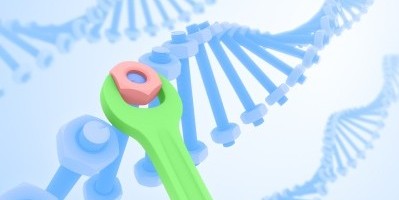
A new mode of DNA repair
Structural details of a protein that removes DNA lesions shed light on fundamental mechanisms of DNA repair. Read MoreApr 14, 2017
-
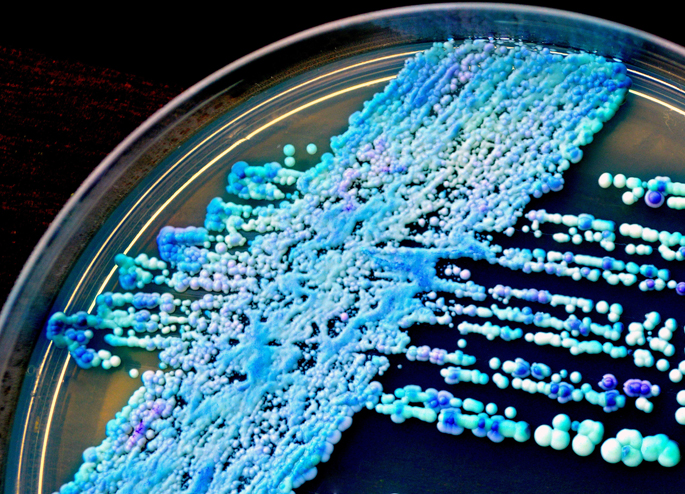
Fighting fungal infections
A detailed structural and functional analysis of the yeast protein that is the main target of antifungal drugs will help direct efforts to develop better treatments. Read MoreApr 3, 2017
-
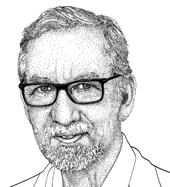
Molecular motors expert Spudich set for next Discovery Lecture
James Spudich, Ph.D., renowned for his studies of proteins that function as molecular motors, will deliver the next Flexner Discovery Lecture on Thursday, April 6. Read MoreMar 30, 2017
-
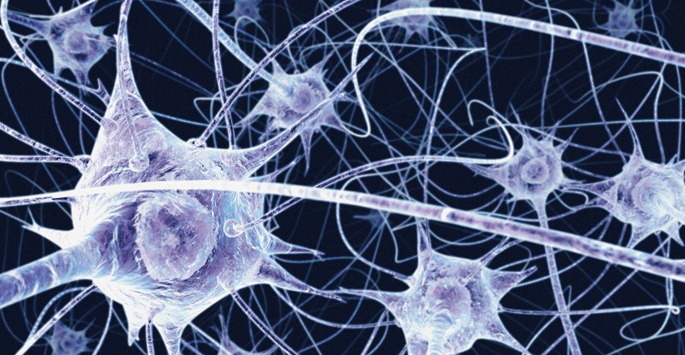
Blocking neuroblastoma cell growth
An inhibitor of cell metabolism may be a good therapeutic target for neuroblastoma, which accounts for about 15 percent of pediatric cancer-related deaths. Read MoreMar 22, 2017
-

Role for mouth microbes in diabetes?
A higher abundance of certain bacterial species in the mouth appears to reduce the risk of type 2 diabetes, Vanderbilt investigators have discovered. Read MoreMar 8, 2017
-

Antidote for smoke inhalation injury
Routine use of hydroxocobalamin should be considered for victims of smoke inhalation, Vanderbilt researchers suggest. Read MoreMar 7, 2017
-

Retroviruses expert Bieniasz set for next Discovery Lecture
Paul Bieniasz, Ph.D., a pioneer in the study of retroviruses, will deliver the next Flexner Discovery Lecture on Thursday, March 9. Read MoreMar 2, 2017
-

Investigators seek new way to define cell identity
Vanderbilt researchers hope their new method to describe cells will be widely adopted and used to generate a “Who’s Who” database of cell types. Read MoreMar 2, 2017
-
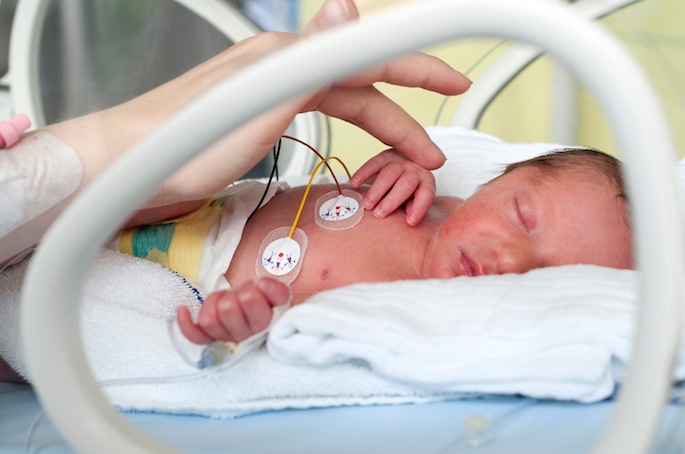
A target to heal tiny lungs
The protein beta-catenin may be a good target for therapies to treat lung disease that is a common complication of preterm birth. Read MoreFeb 23, 2017
-
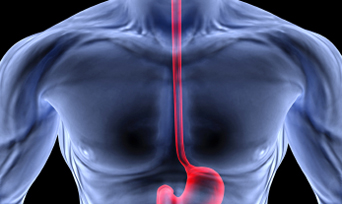
Improving therapies for GI tumors
A signaling protein overexpressed in upper gastrointestinal cancers is an attractive therapeutic target. Read MoreFeb 20, 2017
-

Neurologist Dalmau set for next Discovery Lecture
Josep Dalmau, M.D., Ph.D., renowned for his studies of immune disorders affecting the brain and spinal cord, will deliver the next Flexner Discovery Lecture on Thursday, Feb. 23. Read MoreFeb 16, 2017
-
Pathology of septic shock
The signaling molecule IL-15 promotes septic shock, a life-threatening condition involving organ injury caused by infection. Read MoreFeb 8, 2017
-
Bacterial signaling systems
Vanderbilt researchers have identified a unique example of communication between bacterial signaling systems, which may have relevance for antibiotic resistance. Read MoreFeb 3, 2017
-
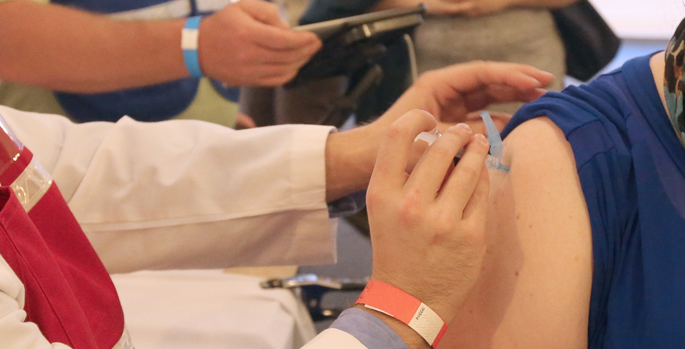
Flu vaccine response in older adults
High dose flu vaccine boosts the immune response in older adults by increasing activation of certain immune cells. Read MoreJan 25, 2017
-
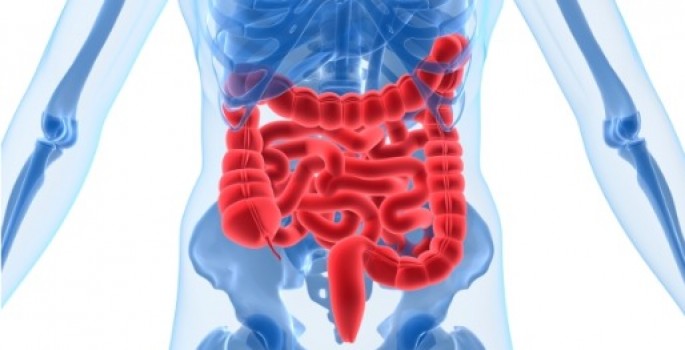
Colorectal cancer clues
Although cancers arising from different areas of the large intestine are heterogeneous, they appear to use similar important tumorigenic pathways. Read MoreJan 19, 2017