Bill Snyder
-

Study finds ‘frozen’ fear response may underlie PTSD
To explore how fear becomes entrenched, VUMC researchers traveled down the precise neuronal pathways in the brains of mice that trigger fear responses, and which normally extinguish the behaviors once the danger has passed. Read MoreNov 27, 2019
-

Study explores potential new class of antidepressants
Researchers at VUMC have taken a major step that could ultimately facilitate development of a new class of antidepressants which may relieve symptoms more rapidly and effectively and with fewer side effects than current medications. Read MoreNov 21, 2019
-

Blueprint for treating epilepsy
Structural details of a protein that is essential to normal brain function could improve treatments for epilepsy and other seizure disorders. Read MoreNov 14, 2019
-
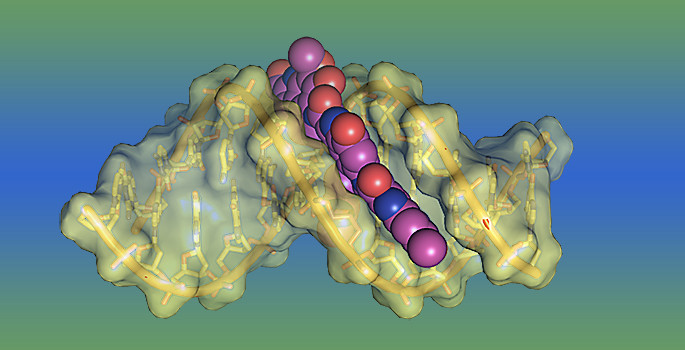
Endotoxin shock protector
A novel tool developed by Vanderbilt scientists protects animals from endotoxin shock and can be used for mechanistic analyses of inflammation due to microbial and other insults. Read MoreNov 5, 2019
-

Less inflammation = better healing
Immune cells that produce an anti-inflammatory factor are enriched in fat tissue around the heart and may be good targets to improve heart attack outcomes. Read MoreOct 17, 2019
-

Nobel laureate Südhof reviews his landmark signaling research
The human brain consists of perhaps as many as 1,000 trillion synapses, which transmit signals from one nerve cell to another with amazing speed, precision and plasticity. Read MoreOct 10, 2019
-

Team discovers one more piece to the autism puzzle
Vanderbilt investigators have linked genetic mutations in a single receptor to epilepsy, autism and intellectual disability. Read MoreOct 3, 2019
-

Study shines light on architecture of kidney disease
A study of 280,000 U.S. veterans, including 56,000 African Americans, has identified in greater detail than ever before the genetic architecture of kidney function and chronic kidney disease (CKD), according to researchers at Vanderbilt University Medical Center and their colleagues. Read MoreSep 25, 2019
-

Guengerich, Sanders-Bush named ASPET fellows
Vanderbilt University’s F. Peter (Fred) Guengerich, PhD, and Elaine Sanders-Bush, PhD, are among 22 prominent scientists named this week to the inaugural class of fellows of the American Society for Pharmacology and Experimental Therapeutics (ASPET). Read MoreSep 20, 2019
-

The plus and minus of microtubules
Understanding the dynamic regulation of cytoskeletal microtubules may suggest new ways to treat disorders ranging from Alzheimer's disease to cancer. Read MoreSep 5, 2019
-
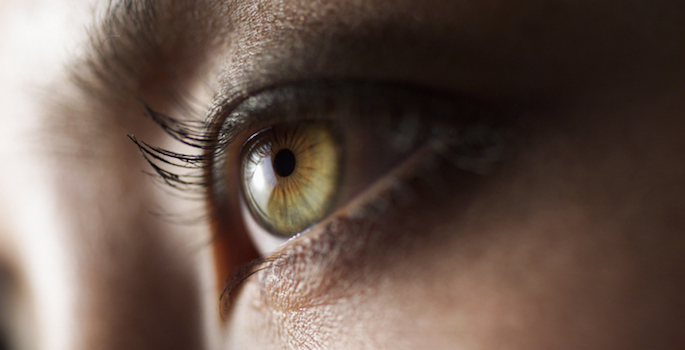
Zebrafish aid effort to regenerate damaged retinas
According to a new study, the tiny zebrafish may hold the secret to regenerating damaged retinas in humans. Read MoreSep 5, 2019
-
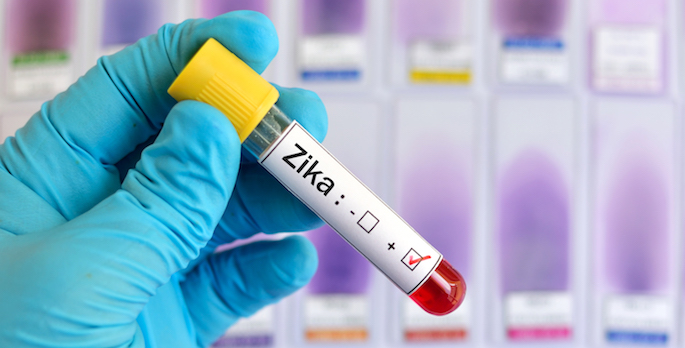
Partnership to help bring Zika virus therapy to clinic
Researchers at Vanderbilt University Medical Center are partnering with the Dutch biopharmaceutical firm Batavia Biosciences and Nashville-based IDBiologics to bring to the clinic a highly potent Zika virus neutralizing antibody they isolated three years ago. Read MoreSep 4, 2019
-
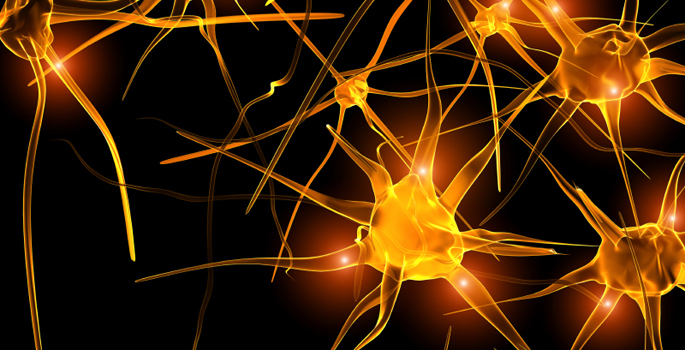
How nerves may lose their insulation
Vanderbilt’s Bruce Carter and colleagues have discovered how genetic changes in the protein PMP22 may contribute to a disease of peripheral nerves. Read MoreAug 22, 2019
-

Discovery may point to better treatments for Type 1 diabetes
Researchers have made a paradigm-shifting discovery that could lead to new treatments, better health and longer life for patients with Type 1 diabetes. Read MoreAug 22, 2019
-

REDCap data management tool reaches million user mark
Fifteen years after it was launched, REDCap, Vanderbilt University’s research data management tool, has reached 1 million users throughout the world. Read MoreAug 15, 2019
-

All of Us Research Program Takes Aim at Precision Population Health
Scarcely a year after its national launch, the “All of Us” research program, which aims to accelerate the prevention and treatment of disease, has enrolled more than 230,000 research participants — more than a fifth of its recruitment goal of 1 million people. All Read MoreAug 14, 2019
-

New window on fibrosis
A previously unrecognized role for a cell surface receptor may open new therapeutic options for the treatment of fibrotic diseases. Read MoreAug 8, 2019
-
New role for microtubules in diabetes
Microtubules, part of the cell's cytoskeleton, regulate the secretion of insulin, suggesting that they may be a new target for treating diabetes. Read MoreJul 29, 2019
-

Study ‘ignites’ link between genes and drug response
A national study is seeking to determine whether genetic testing can help physicians choose the best drugs for their patients to relieve pain and depression. Read MoreJul 25, 2019
-

Defective transporter linked to autism
A first-of-its-kind mouse model may help reveal mechanistic underpinnings for the altered behaviors of autism spectrum disorder. Read MoreJul 24, 2019