Bill Snyder
-

Project seeks to apply gene testing to drug prescribing
The U.S. Centers for Disease Control and Prevention has awarded Vanderbilt researchers a two-year, $1 million grant to Vanderbilt to develop a model for applying genomic testing to drug prescribing in “real-world” settings. Read MoreNov 11, 2011
-
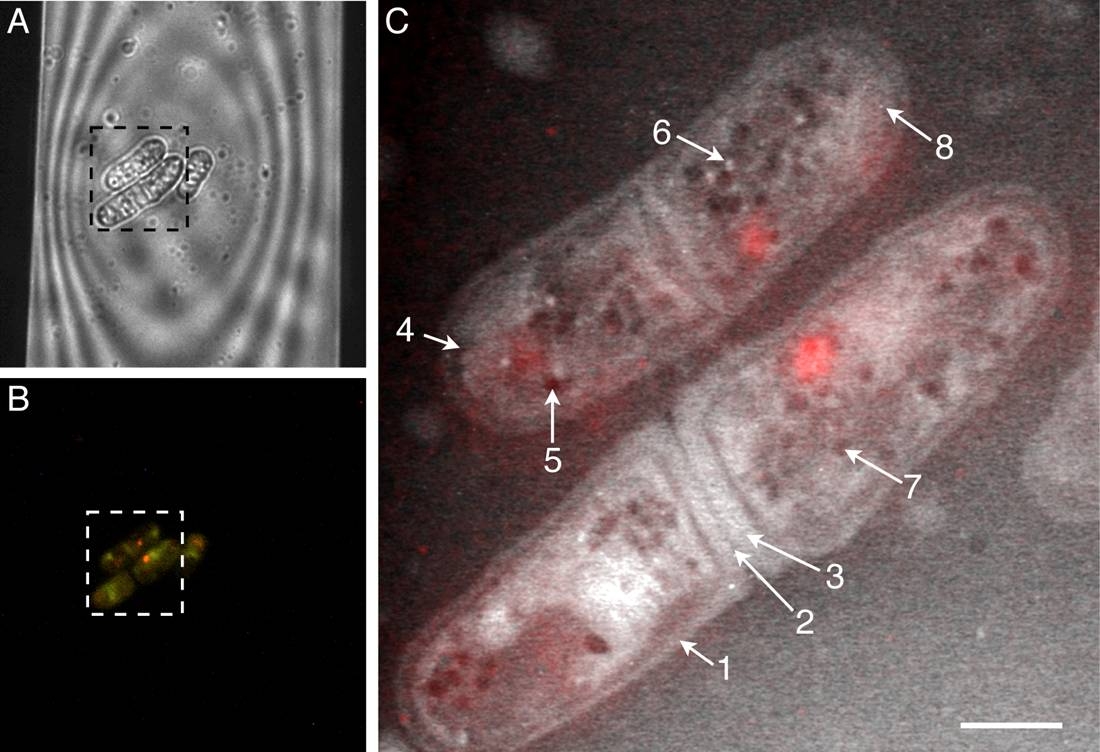
Microscopy method brings ‘nano-world’ into focus
A new technique for imaging whole cells in liquid – with a nanometer resolution that brings into focus individual proteins and other intracellular structures – could dramatically improve the study of cancer, viral infections and brain function. Read MoreOct 25, 2011
-

Initiative to help ‘translate’ diabetes research advances
The new Center for Diabetes Translation Research will translate scientific breakthroughs into practices that can be applied in the doctor’s office and the patient’s home. Read MoreOct 21, 2011
-

Predicting hospital readmission is risky business: study
Each year millions of Americans return to the hospital within 30 days of their previous discharge. Although many readmissions could be preventable, most statistical models for predicting them "perform poorly," according to researchers at Vanderbilt and the Oregon Health and Science University and their affiliated VA medical centers. Read MoreOct 18, 2011
-

Discoveries show value of federal support
An update on federally funded projects at Vanderbilt and their impact on efforts to improve education, protect people from disease and meet our nation’s energy needs. Read MoreOct 13, 2011
-

Researchers strive to refill drug discovery ‘pipeline’
Researchers at Vanderbilt University Medical Center have made substantial progress in developing potential new treatments for Parkinson’s disease, schizophrenia and fragile X syndrome, the most common genetic form of autism. Read MoreOct 3, 2011
-

Drug-like molecules aimed at improving treatment of Parkinson’s
Drug-like molecules described by Vanderbilt researchers could lead to Parkinson's treatments with fewer side effects. Read MoreSep 30, 2011
-
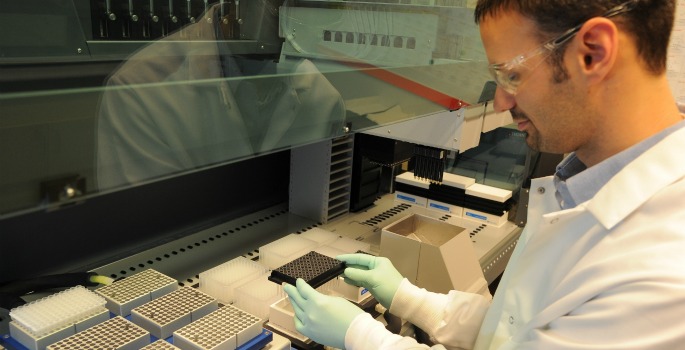
New drug-like molecules could improve schizophrenia treatment
The discovery of new compounds that work in a fundamentally different way than those in existing schizophrenia medications may allow for more normal function of brain cells involved in schizophrenia. Read MoreSep 22, 2011
-
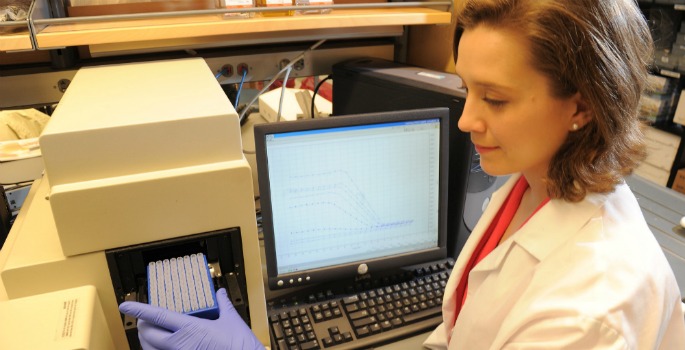
Milestone in development of new treatment for ‘fragile X’
Researchers at Vanderbilt University Medical Center, in collaboration with Seaside Therapeutics in Cambridge, Mass., have achieved a milestone in the development of a potential new treatment for fragile X syndrome, the most common genetic cause of autism. Read MoreSep 15, 2011
-
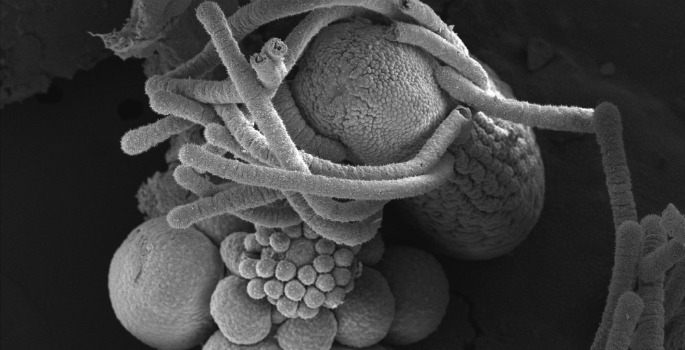
Picture the intangible: the intersection of art and science
Scanning electron micrograph of a Hydractinia symbiolongicarpus colony by Perrin Ireland. Art and science are not mutually exclusive. On the contrary, these two important fields of human endeavor often draw from and inspire each other. Think Leonardo da Vinci and Benjamin Franklin. A 21st century version of this cross-fertilization currently… Read MoreAug 31, 2011
-
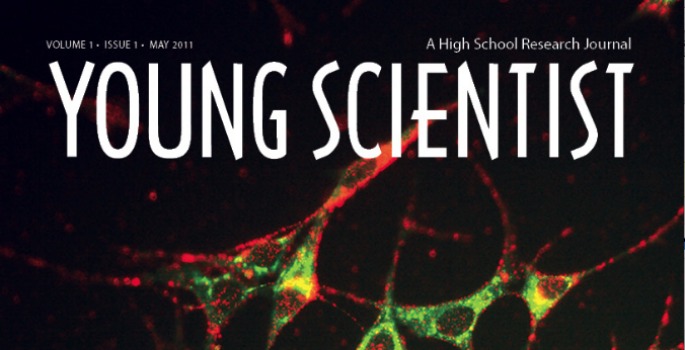
New journal publishes budding scientists’ research
In addition to her high school diploma, Aziza Hart earned an unusual honor this spring – her first scientific paper was published in a new Vanderbilt University journal, Young Scientist. Hart, who graduated from Nashville’s Glencliff High School, spent part of her senior year in a Vanderbilt laboratory, studying… Read MoreAug 30, 2011
-
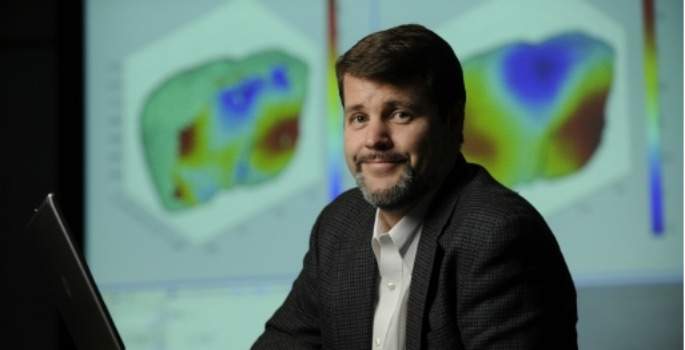
Grant bolsters liver tumor surgery techniques
A team led by Vanderbilt University biomedical engineer Michael Miga has been awarded a five-year, $3.1 million grant from the National Cancer Institute to enhance image-guided surgery techniques for safely removing liver tumors. Read MoreAug 30, 2011
-
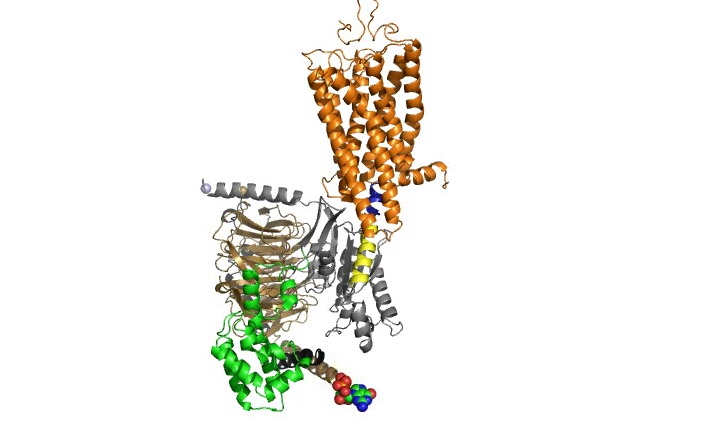
Discovery of how G proteins ‘turn on’ may lead to better drugs
Researchers have discovered how key proteins are “turned on” and transmit signals inside the cell. The discovery could lead to new, more effective drugs. Read MoreAug 18, 2011
-

Cancer study seeks clues to halting metastasis’ march
Vanderbilt researchers have identified small molecules that can restore normal protein expression in human colorectal carcinoma cells and prevent invasive cancer growth. Read MoreAug 10, 2011
-

Real science in X-Men
First appearance from "Uncanny X-Men" #96. Art by Dave Cockrum. Via Wikipedia. Here’s another reason to love the X-Men: real science. Listen carefully to the dialogue between Professor Charles Xavier and CIA agent Dr. Moira MacTaggart in the new movie, “X-Men: First Class,” and you’ll hear a… Read MoreJun 21, 2011
-

Powerful NMR magnet a boon to research at Vanderbilt University
Vanderbilt University’s acquisition of a 900 megahertz nuclear magnetic resonance (NMR) spectrometer will accelerate studies on cancer and Alzheimer’s disease. Read MoreMay 13, 2011
-

Lecturers explore impact of genomics on race perceptions
The question of whether new discoveries about the human genome will cause racism to fizzle or flare was the topic of the two recent discussions at Vanderbilt. Read MoreMay 13, 2011
-
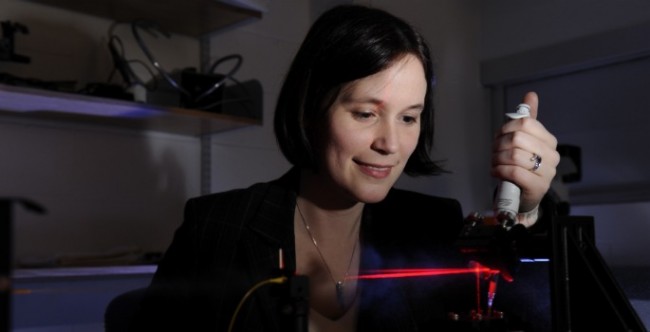
Investment in biomedical research yields jobs, billions in return
Federal funding from the National Institutes of Health contributed to the development of a new laser technique being used at Vanderbilt to aid in drug discovery. Research Amanda Kussrow is pictured. (Joe Howell / Vanderbilt) Federal investment in scientific research is a major driver of job growth… Read MoreMay 11, 2011
-

Vanderbilt partners with Chinese government to reduce HIV in gay men
Vanderbilt University researchers are partnering with the Chinese government to test methods for reducing the spread of the AIDS virus among gay men. Read MoreMay 4, 2011
-

Get some science with your coffee
"Genetics Today" was the subject of a recent Science Café, a monthly free scientific exploration held at Nashville coffee shop Fido and sponsored by the Adventure Science Center. Read MoreApr 25, 2011