Vanderbilt Center For Structural Biology
-

A key to calcium signaling
Erkan Karakas and colleagues used cryo-electron microscopy to determine structural details of a calcium channel protein that has numerous cell signaling roles. Read MoreFeb 11, 2020
-

New view of the heartbeat
Structural views of the proteins that regulate the heartbeat may help improve existing treatments for cardiac arrhythmias. Read MoreApr 6, 2018
-

Noted neuroscientist Gouaux set for Discovery Lecture
Eric Gouaux, PhD, whose work has helped reveal the molecular mechanisms by which nerve cells communicate, will deliver the next Flexner Discovery Lecture Thursday, Feb. 22. Read MoreFeb 15, 2018
-
DNA damage repair: molecular insights
Structural details about a protein involved in the repair of damaged DNA provide insight into xeroderma pigmentosum disorders, which are characterized by increased risk for skin cancer. Read MoreDec 5, 2017
-

Repriming replication roadblocks
New findings shed light on how enzymes that replicate DNA skip over mutations that might cause cancer and restart DNA synthesis further away. Read MoreJun 12, 2017
-
A new mode of DNA repair
Structural details of a protein that removes DNA lesions shed light on fundamental mechanisms of DNA repair. Read MoreApr 14, 2017
-
Symposium on modeling immunity set for April 27
The 2017 Vanderbilt Symposium on Modeling Immunity will be held from 1 to 4:30 p.m. Thursday, April 27, in room 1220 MRB III. Read MoreMar 30, 2017
-
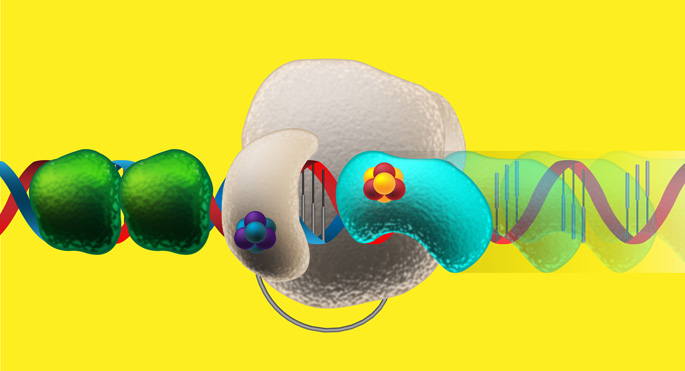
Team identifies ‘switch’ involved in DNA replication
DNA replication is an extraordinarily complex multi-step process that makes copies of the body’s genetic blueprint. It is necessary for growth and essential to life. Now researchers at the California Institute of Technology (Caltech) and Vanderbilt University have found evidence that one of those steps may involve the telephone-like transmission of electrical signals regulated by a chemical “switch.” Read MoreFeb 23, 2017
-
Transcription factor evolution
Vanderbilt researchers have discovered a novel model of evolution for factors that control gene expression. Read MoreAug 11, 2016
-
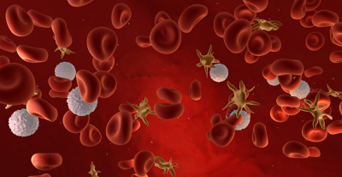
How strep grabs on to platelets
New structural details of the binding of the bacterium Streptococcus sanguinis to platelets may offer new therapeutics for life-threatening cardiovascular infections. Read MoreApr 20, 2016
-
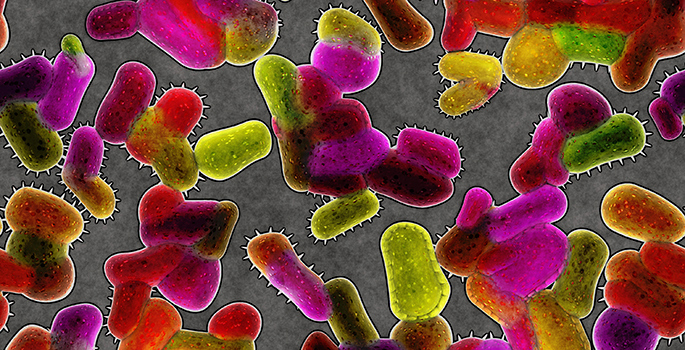
Dynamics of a drug resistance transporter
Vanderbilt investigators are exploring the shape changes in a multidrug transporter to understand the mechanisms of antibacterial resistance. Read MoreFeb 5, 2016
-
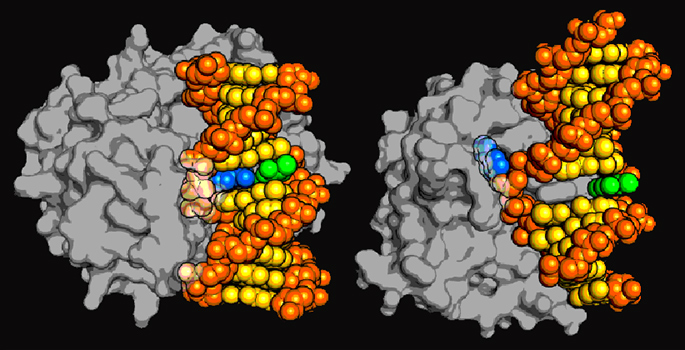
New class of DNA repair enzyme discovered
A new class of DNA repair enzyme has been discovered which demonstrates that a much broader range of damage can be removed from the double helix in ways that biologists did not think were possible. Read MoreOct 29, 2015
-
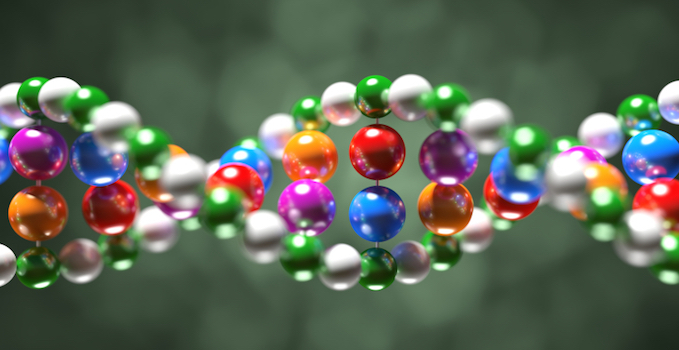
Study sheds light on crucial DNA binding protein
Researchers at Vanderbilt University have established the molecular basis for the function of Replication Protein A (RPA), a DNA binding protein that is a crucial “scaffold” for genome replication, response to damage and repair. Read MoreJul 30, 2015
-
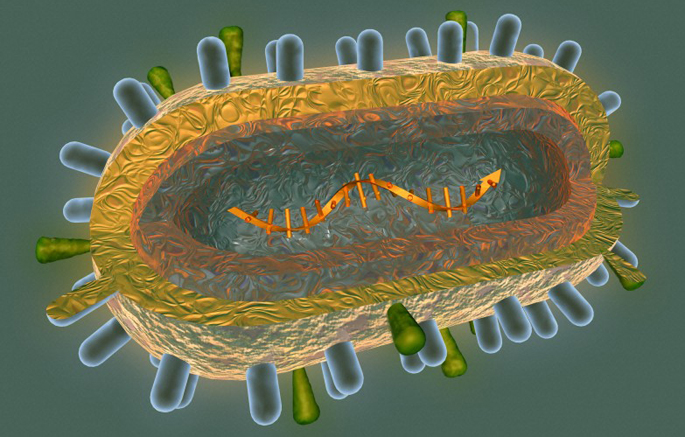
How to trick a wily virus
Vanderbilt investigators have discovered how human antibodies induced during testing of an experimental “bird flu” vaccine kill the virus. Read MoreJul 24, 2015
-
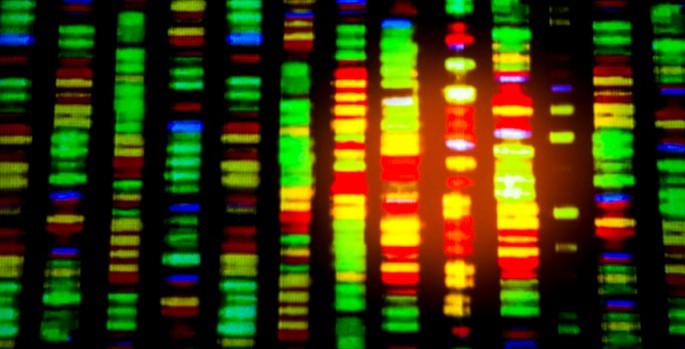
Study reveals how protein helps cells tolerate DNA damage
Vanderbilt and Stanford investigators have discovered how a protein that's part of the DNA replication "machinery" helps cells tolerate DNA damage. Read MoreJul 16, 2015
-

Center for Structural Biology symposium to feature stellar lineup
The Vanderbilt University Department of Biochemistry will host a two-day symposium March 6-7 to honor the 60th birthday of Walter Chazin, Ph.D., director of the Center for Structural Biology. Read MoreFeb 26, 2015
-

Genome-editing pioneer next up in Discovery Lecture series
Jennifer Doudna, Ph.D., recipient of a 2015 Breakthrough Prize in Life Sciences, will deliver the next Flexner Discovery Lecture on Thursday, Jan. 8. Read MoreJan 2, 2015
-
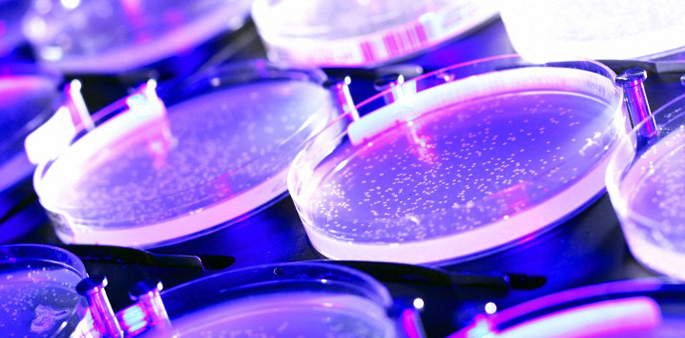
Bacterial secretion machinery: 3-D view
New structural findings reveal how "gatekeeper" proteins participate in the secretion systems bacteria use to infect host cells. Read MoreDec 11, 2014
-
Repair protein’s DNA recognition motif
Insights into the workings of DNA damage response proteins such as SMARCAL1 could suggest new ways to improve genome integrity and prevent cancer. Read MoreMay 23, 2014
-

Bypassing DNA damage
Studies of a human polymerase that replicates DNA have provided a complete kinetic and structural framework for understanding how the enzyme accurately bypasses DNA damage. Read MoreMay 9, 2014