Vanderbilt Brain Institute
-
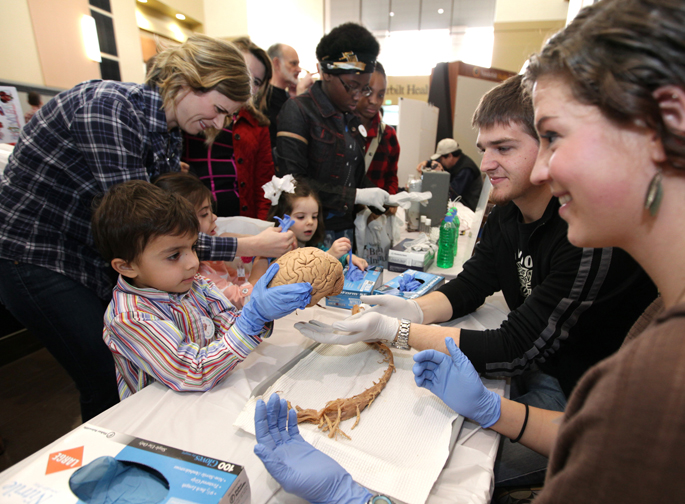
Brain Blast!
Saturday’s Brain Blast event at Vanderbilt Health One Hundred Oaks, sponsored by the Vanderbilt Brain Institute, attracted 268 children and about 100 adults to free, hands-on activities. Read MoreMar 6, 2014
-
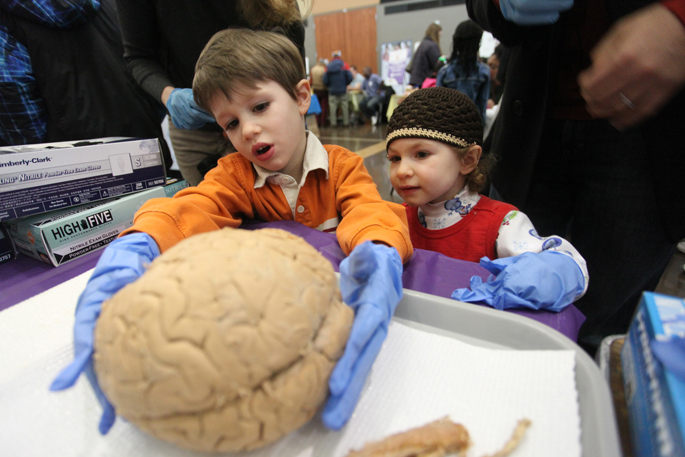
Event set to reveal wonders, mysteries of the brain
“Brain Blast,” a half day of free, hands-on activities for children and adults, will be held from 9 a.m. to 1 p.m., Saturday, March 1, at Vanderbilt Health One Hundred Oaks, 719 Thompson Lane. Read MoreFeb 20, 2014
-
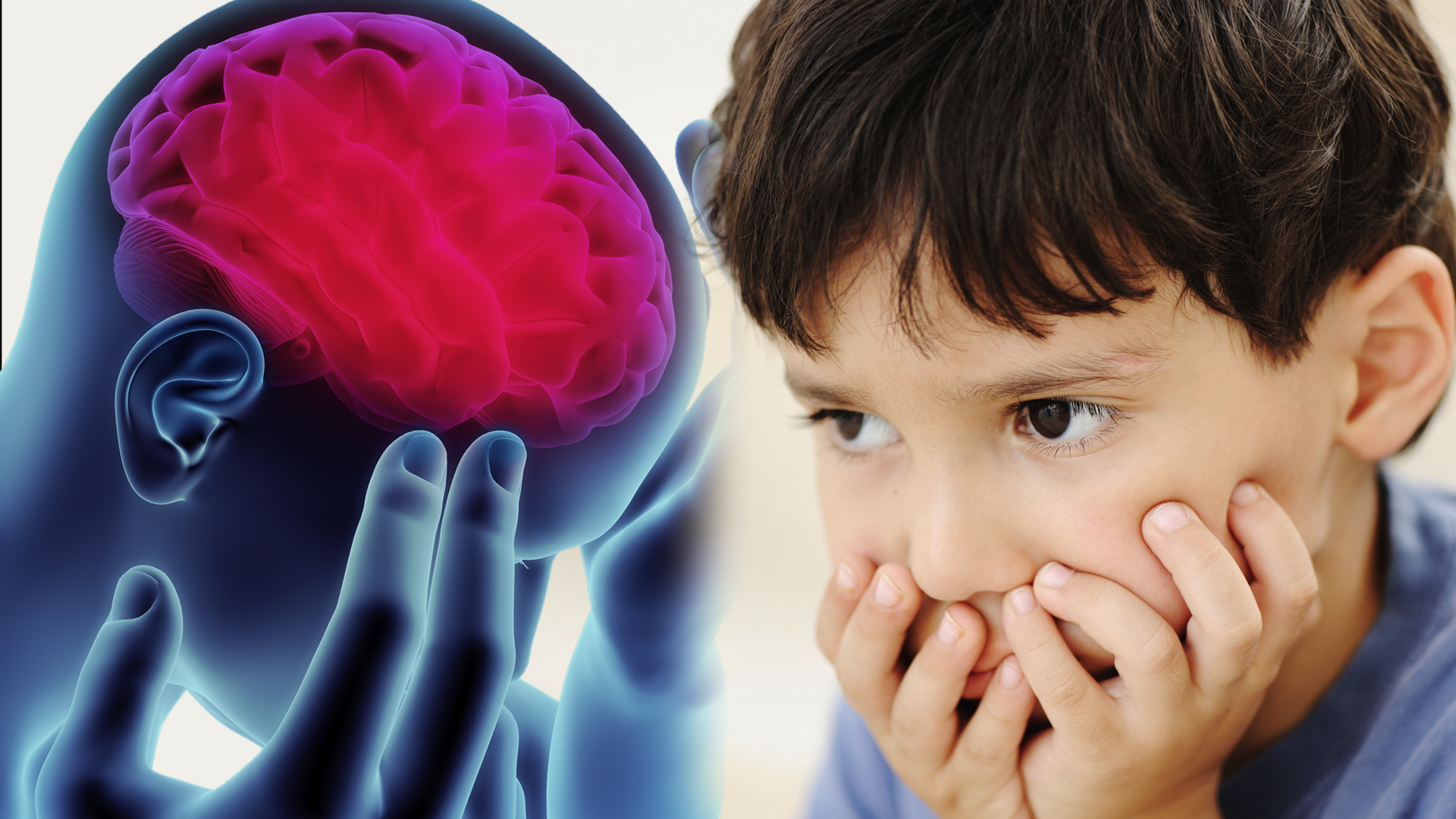
Groundbreaking study finds children with autism hear and see out of sync
It’s like a poorly dubbed film – the words heard don’t match up with the video seen. Vanderbilt researchers report (Journal of Neuroscience) that this out-of-sync issue then cascades into additional problems for children with autism spectrum disorder. Reseachers believe this new finding will help develop treatments for children with… Read MoreJan 15, 2014
-
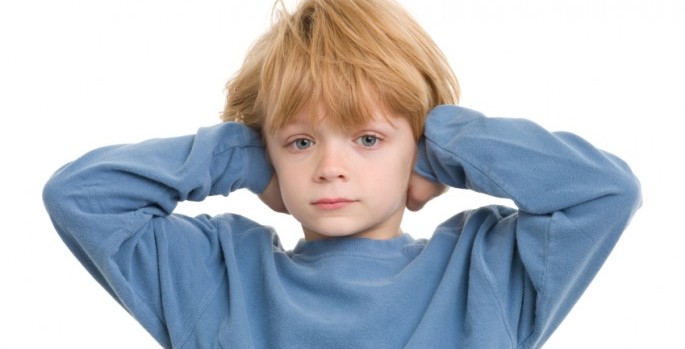
Vanderbilt study reveals senses of sight and sound separated in children with autism
Children with autism spectrum disorders have trouble integrating simultaneous information from their eyes and their ears--as if they experience the world like a badly-dubbed movie. Read MoreJan 14, 2014
-
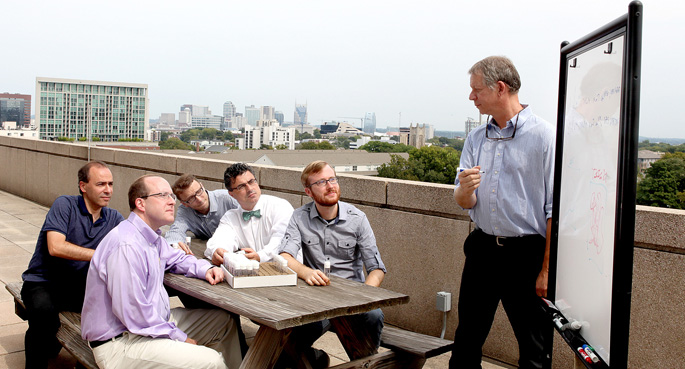
Transporter linked to autism risk
Vanderbilt University investigators for the first time have linked a non-inherited, de novo mutation in the dopamine transporter to autism spectrum disorder (ASD). Read MoreSep 19, 2013
-
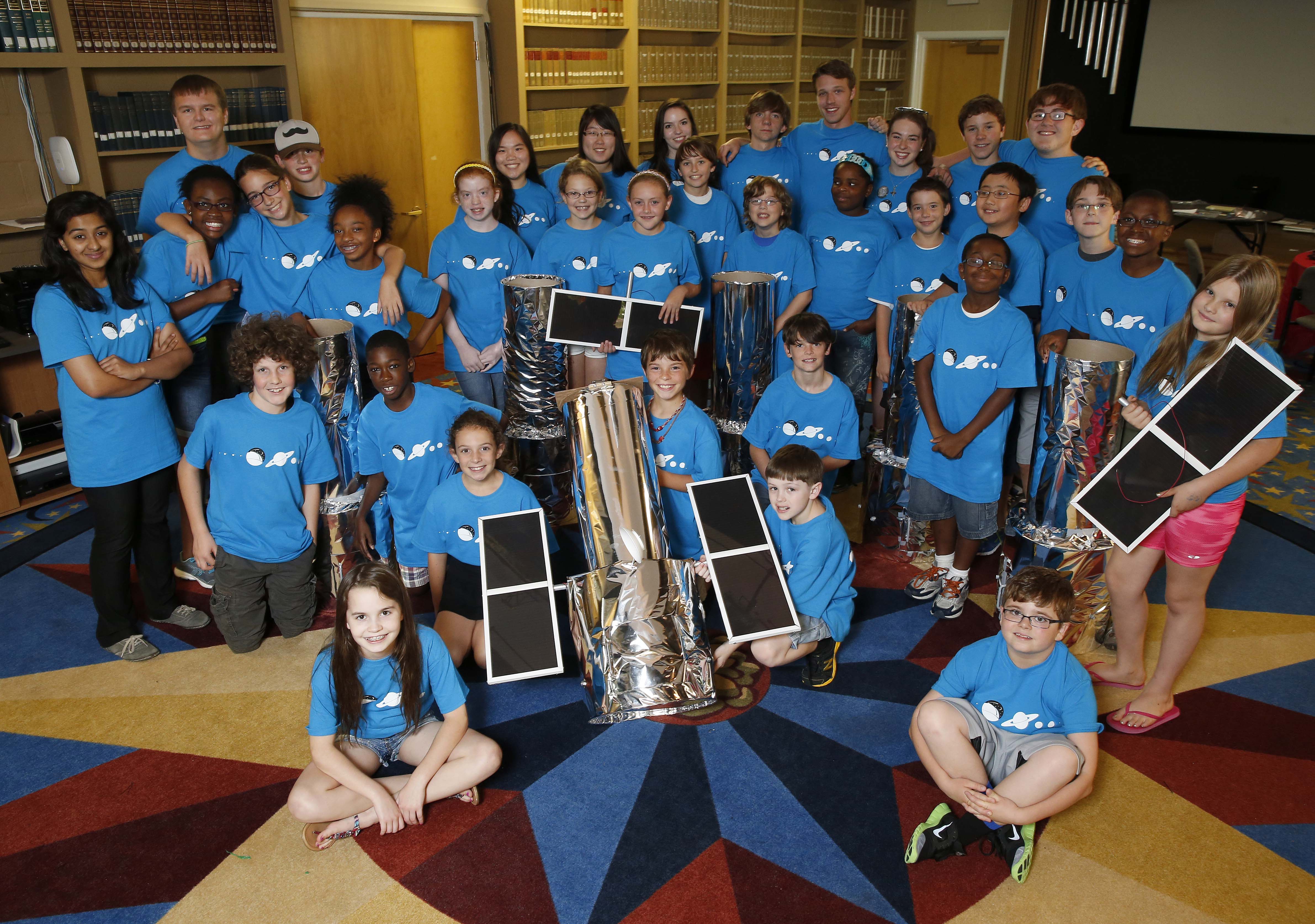
VUCast: See stars at space camp
Get ready to see stars– We’re taking you to space camp. See why mosquitoes bite you more than others Why you should get “Pinterested” in Vanderbilt! All this and more in this week’s VUCast, Vanderbilt’s online newscast. Watch now. [vucastblurb]… Read MoreJul 31, 2013
-
SEEN: Brains, minds and education
In the fall of 2012, Vanderbilt launched the nation’s first educational neuroscience doctoral program. This interdisciplinary program brings together Vanderbilt’s Peabody College of education and human development and the Vanderbilt Brain Institute to research educational issues within the context of brain science. Read MoreApr 10, 2013
-
Vanderbilt researchers find that diabetes drug could be effective in treating addiction
A drug already used for the medical management of diabetes also reduces the rewarding effects of cocaine in animals, which could have far-reaching implications for patients worldwide who suffer from addiction. Read MoreOct 23, 2012
-
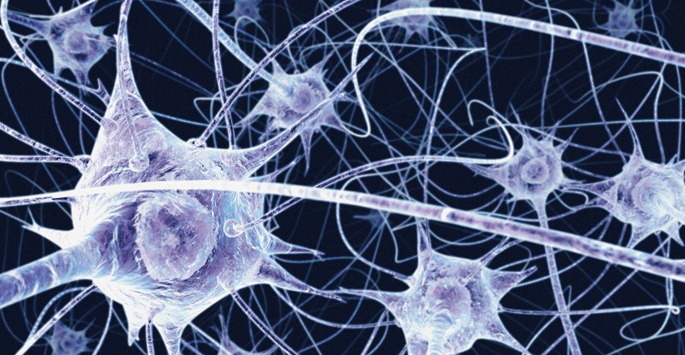
How ‘Jedi’ disposes of dead neurons
The protein Syk is essential for clearing away neuron “corpses” in the developing peripheral nervous system. Read MoreSep 19, 2012
-
Minds wide open: Neuroscience at Vanderbilt
Vanderbilt University has emerged as one of the nation’s leading academic centers in neuroscience. Read MoreApr 6, 2012
-
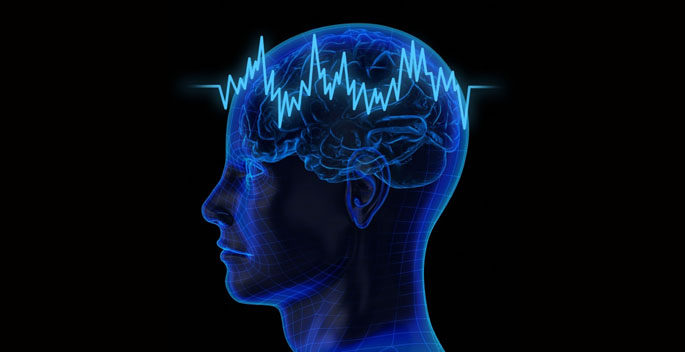
Memory intact in early psychosis
Brain deficits are not present in the early stages of schizophrenia, suggesting it may be possible to delay or prevent the development of brain abnormalities. Read MoreFeb 16, 2012
-
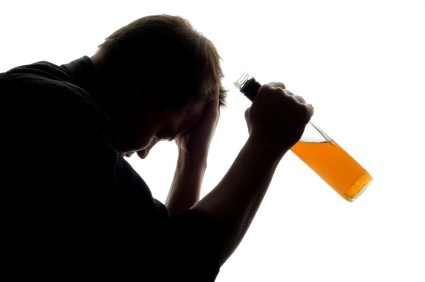
Alcohol’s molecular mediators
Therapeutic agents focusing on the brain region involved in stress-induced relapse may be effective in preventing relapse in patients with alcohol use disorders. Read MoreJan 23, 2012
-

VUCast Newscast: Occupy Wall Street
This Week on VUCast, Vanderbilt’s weekly newscast highlighting research, experts, students, sports and everything Vanderbilt: Occupy Wall Street: A historical look at the new protest movement A cool way to learn how your brain really works with “Brain Matters” See the best of Memorial Madness! [vucastblurb]… Read MoreNov 2, 2011
-
How young brains make sense of senses
The brain’s ability to process multiple sensory inputs continues to develop well into childhood, a recent study shows. Read MoreMar 31, 2011
-
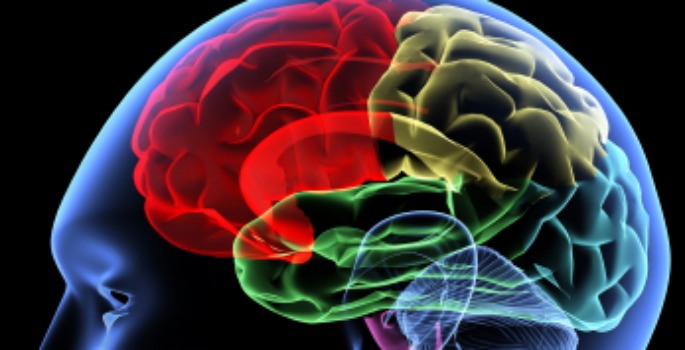
Brainstorm 2011 events begin March 3
"Brainstorm 2011," a series of free public events about brain research hosted by Vanderbilt University, will explore post-traumatic stress disorder, depression and the mysteries of feelings and perception throughout the month of March. Read MoreFeb 23, 2011
-
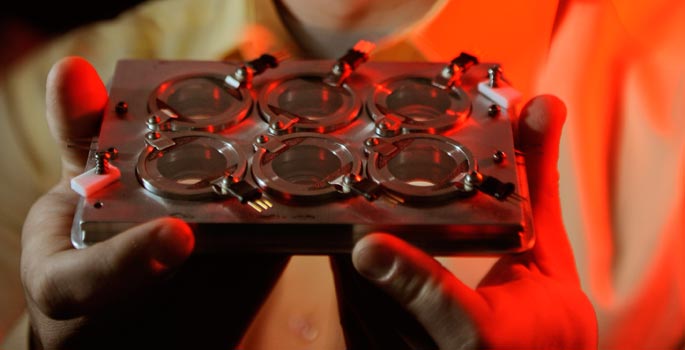
Babies’ biological clocks dramatically affected by birth light cycle
Graduate student Chris Ciarleglio who performed the study in the McMahon Lab that found the circadian clock in mammals is imprinted by the day/night cycle when an individual is born. The finding may help explain why people born in the winter at high latitudes are at greater risk for seasonal… Read MoreDec 6, 2010