STEM
-

Early spatial reasoning predicts later creativity and innovation, especially in STEM fields
A new Peabody study found that early spatial ability – the skill required to mentally manipulate 2D and 3D objects – predicts the development of new knowledge, and especially innovation in science, technology, engineering and mathematics (STEM) domains, above and beyond more traditional measures of mathematical and verbal ability. Read MoreJul 15, 2013
-

App turns tablet into math aid for visually impaired students
A mechanical engineering graduate student has created an app that turns Android tablets into an educational aid for teaching mathematics to visually impaired students. Read MoreMar 5, 2012
-
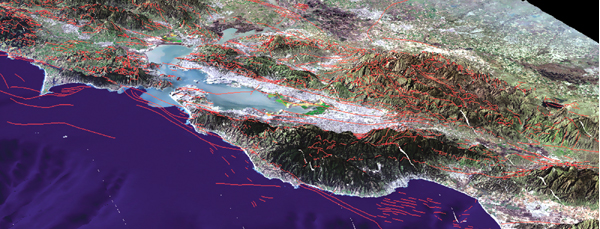
GIS moves into math and science classrooms
Geographic information systems and geospatial technologies have moved into math and science courses at multiple levels, and teachers are learning how to integrate these tools into curriculums. Read MoreAug 17, 2011
-
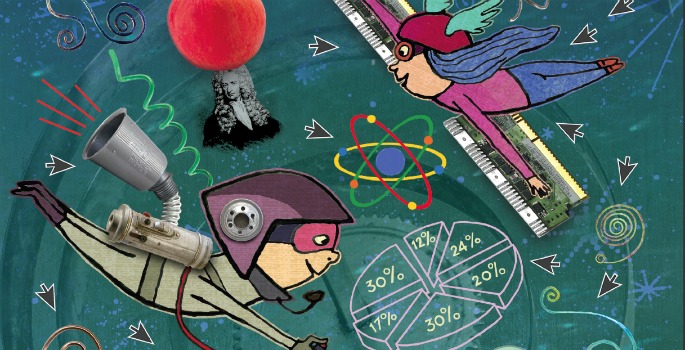
The virtue in virtuality – enhancing learning with technology
Groundbreaking education technology platforms under development in labs across the Vanderbilt Peabody campus are allowing cutting-edge researchers to harness what Pratim Sengupta, innovator of the technology described, calls “the virtue in virtuality.” Read MoreJul 11, 2011
-
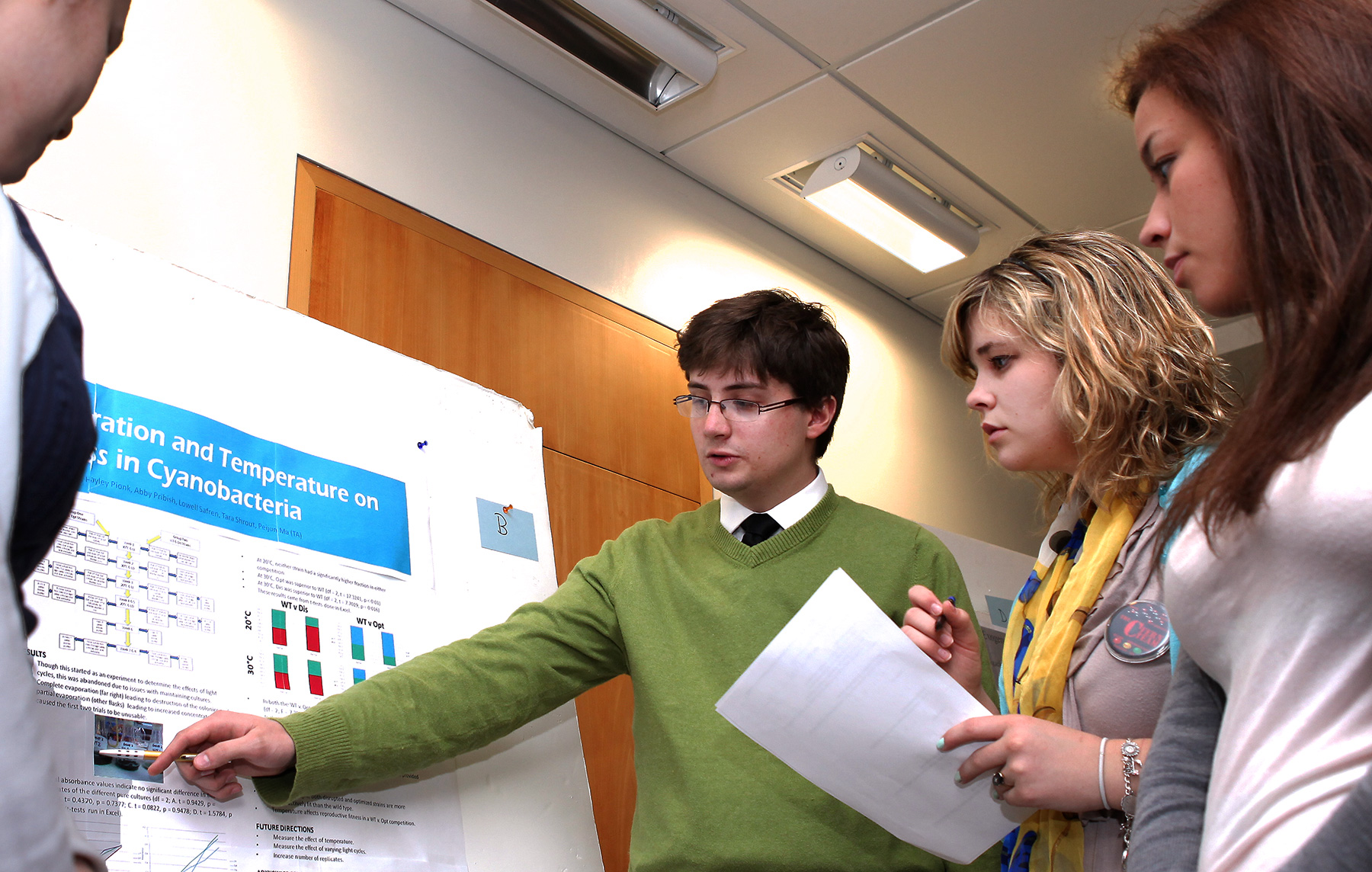
Laboratory throws away cookbooks in pursuit of discovery
Students at BSC111c poster session discussing project that determined the phylogenetic relationship of a number of common insects (Susan Urmy / Vanderbilt) In an educational environment increasingly characterized by canned and virtual science experiments that always come out right, Vanderbilt’s alternative introductory biology laboratory (BSC 111c) stands… Read MoreMay 20, 2011