School Of Medicine Basic Sciences
-

Histamine circuits in brain reward center
Histamine — commonly associated with allergies — also has a signaling role in the brain’s reward center and may offer a novel target for treating addiction. Read MoreOct 29, 2020
-

Vanderbilt University anti-inflammatory therapy licensed to Amytrx is now in clinical trials for eczema treatment
Jacek Hawiger’s anti-inflammatory peptide therapy, licensed by Amytrx and now in clinical trials, has the potential to safely and effectively treat a multitude of inflammatory and metabolic diseases. Read MoreOct 27, 2020
-
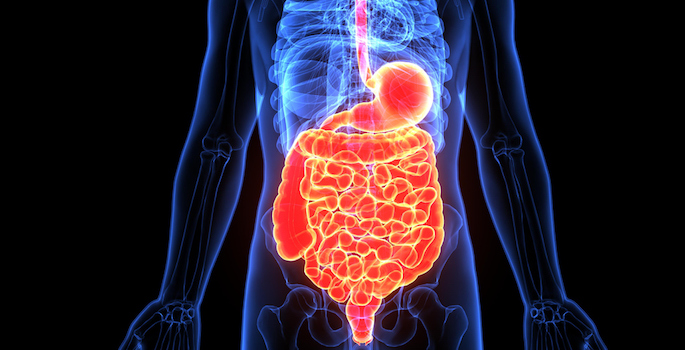
Preserving gut mucus architecture
A new method that keeps microbes and gut cells together will be useful for studies of complex host-microbe interactions and for analysis of clinical specimens. Read MoreOct 20, 2020
-
Vanderbilt researchers make counterintuitive discoveries about immune-like characteristics of cells, chemotherapy’s impact on tissue growth
Biologists reveal that tissue perturbations by chemotherapy agents promote stem cell expansion and that fibroblast cells exhibit unexpected, immune-like behavior. Read MoreOct 15, 2020
-

Possible COVID-19 “decoy”
It might be possible to use vesicles carrying the receptor for SARS-CoV-2, the virus that causes COVID-19, to bind the virus and prevent infection. Read MoreOct 15, 2020
-
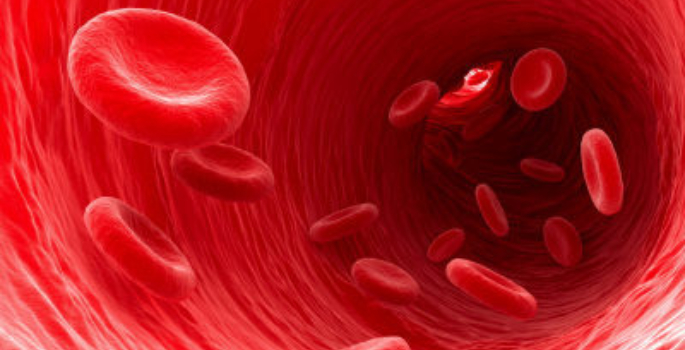
Brain blood vessel response to hypoxia
The brain’s response to low oxygen — growth and remodeling of blood vessels — involves certain cell types and molecular pathways, Vanderbilt researchers have discovered. Read MoreOct 15, 2020
-

Cohen Fund bolsters Siciliano’s memory research
Cody Siciliano, PhD, assistant professor of Pharmacology in the Vanderbilt University School of Medicine, has been selected to receive a one-year, $100,000 research award from the Stanley Cohen Innovation Fund to support his studies of the neural substrates of memory. Read MoreSep 24, 2020
-

New clue to Alzheimer’s disease
Combining studies of genetically diverse mouse populations and human data led to the identification of a gene associated with cognitive decline and brain changes in Alzheimer’s disease. Read MoreSep 3, 2020
-
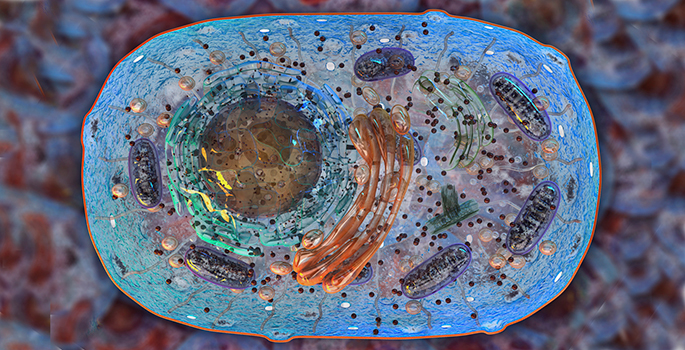
Assembling cell power plant machinery
Tina Iverson and colleagues provide a structural view into the assembly of a protein machine essential for cellular energy production. Read MoreSep 3, 2020
-

Salt, immune cells and hypertension
Excess dietary salt activates immune cells to induce inflammation and hypertension, supporting current recommendations for low sodium consumption. Read MoreAug 20, 2020
-
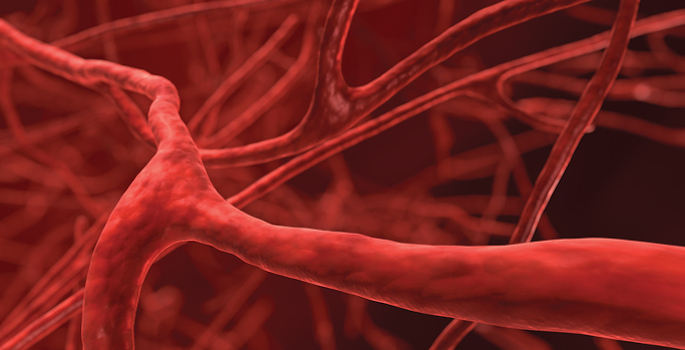
A “torque” for tumor blood vessels
Vanderbilt scientists have discovered a new target for normalizing tumor blood vessels to improve cancer immunotherapies. Read MoreAug 20, 2020
-

A potential new targeted therapy for metastatic melanoma
While 60 percent of people with metastatic melanoma, an aggressive type of skin cancer, have multiple treatment options available to them, roughly 40 percent either do not respond to treatment, or relapse. Read MoreAug 19, 2020
-

The importance of estrogen cycles
Deborah Lannigan and colleagues identify a key regulator of the estrogen receptor and suggest that its downregulation by oral contraceptives may increase oxidative stress and DNA damage, a common cause of cancer. Read MoreAug 6, 2020
-

Turning Heads: The Vanderbilt Brain Institute has emerged as a hub of discovery as neuroscience’s influence expands
The VBI recently marked its 20th anniversary, a span that has seen the institute’s wide-ranging missions—including administering the university’s Neuroscience Graduate Program, as well as postdoctoral training and community outreach—steadily coalesce under a single umbrella. Read MoreAug 5, 2020
-

Cellular antiviral defenses
A cellular RNA quality control mechanism was known to restrict replication of RNA viruses. Vanderbilt researchers have discovered it is also antiviral against DNA viruses. Read MoreJul 23, 2020
-
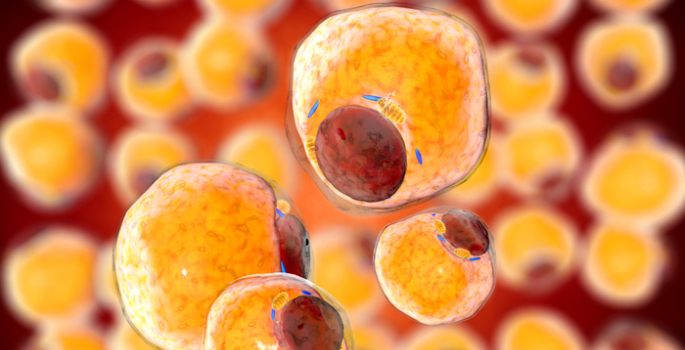
New tools to study bioactive lipids
Vanderbilt researchers have identified and characterized inhibitors of an enzyme that synthesizes lipid signaling molecules with roles in energy balance, inflammation and addiction. Read MoreJul 14, 2020
-
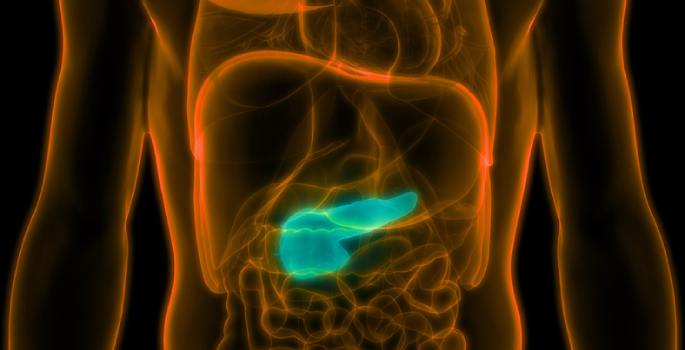
Keeping beta cells “fit”
Vanderbilt cell biologists are defining the factors that help beta cells in the pancreas stay healthy, secrete insulin and prevent diabetes initiation and progression. Read MoreJul 9, 2020
-

Single mutation causes seizure disorder
A single mutation in one gene can impair inhibitory signaling in the brain and cause multiple types of seizures and behavioral abnormalities. Read MoreJun 22, 2020
-

Probing DNA damage repair
After discovering a new mechanism for DNA damage repair last year, Vanderbilt biochemists now provide direct evidence for how it works. Read MoreJun 18, 2020
-

Studying cells in reduced dimensions
Vanderbilt cell biologists have developed an unbiased, quantitative framework for evaluating single-cell data. Read MoreJun 18, 2020