School Of Medicine Basic Sciences
-

Looking beyond the ‘magic bullet’ approach to drug discovery
Vanderbilt scientists have developed a new process that can rapidly and inexpensively identify personalized cancer drugs derived from nature. Read MoreMay 1, 2018
-

Toxin floats on lipid rafts
The bacterium H. pylori is a leading cause of stomach cancer, and Vanderbilt researchers are studying how one of its toxins gets into cells. Read MoreApr 23, 2018
-
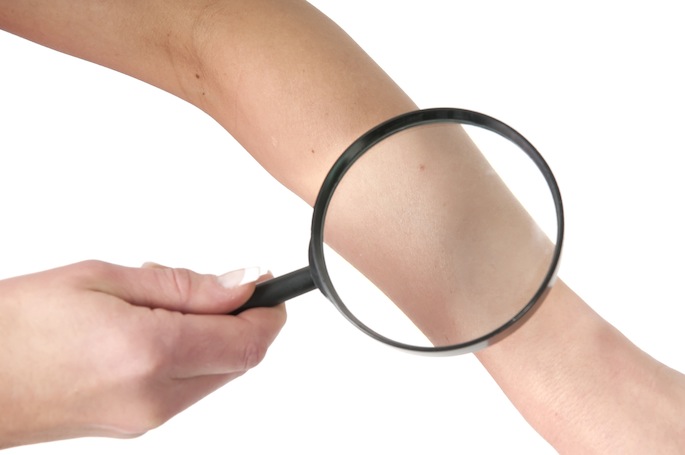
How the skin protects
Treatments for common skin conditions such as atopic dermatitis may be improved by understanding the enzymes responsible for forming the skin’s water-tight barrier. Read MoreApr 19, 2018
-

Characterizing ‘keyhole’ is first step to fighting obesity at the cellular level
A Vanderbilt team and their international colleagues characterized for the first time a complex, little-understood cellular receptor type that, when activated, shuts off hunger. Read MoreApr 18, 2018
-
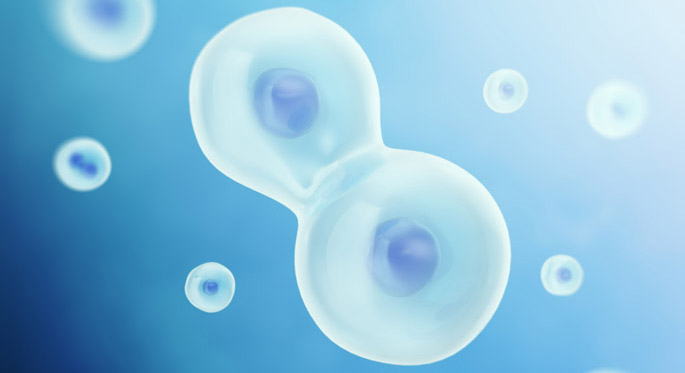
“Idling” cancer cells may return
Vanderbilt investigators have discovered that cancer treatment induces an “idling” state for cells, which could promote resistance to treatment. Read MoreApr 11, 2018
-
New view of the heartbeat
Structural views of the proteins that regulate the heartbeat may help improve existing treatments for cardiac arrhythmias. Read MoreApr 6, 2018
-
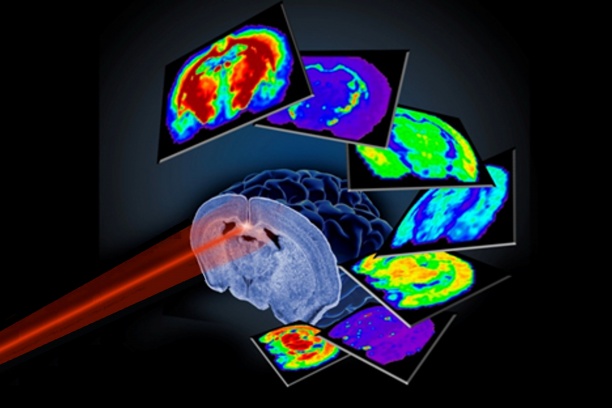
What protein is that?
An improved technology enables high-throughput protein identification in imaging mass spectrometry, aiding proteomics research. Read MoreMar 28, 2018
-
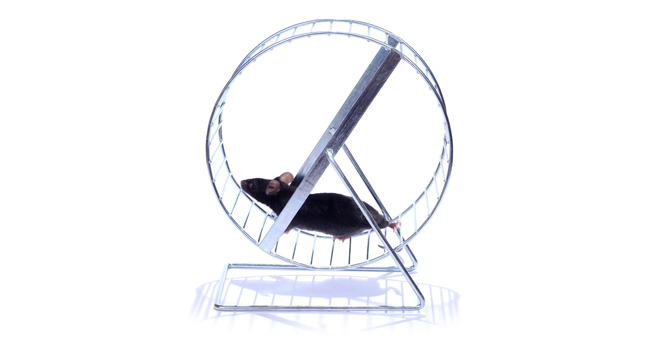
Voluntary exercise and energy balance
Non-exercise physical activity has a measurable energy expenditure, which goes down when animals engage in voluntary exercise, Vanderbilt researchers have discovered. Read MoreMar 23, 2018
-

Founders’ Celebration for Institute of Chemical Biology set for March 28
The Vanderbilt Institute of Chemical Biology (VICB) will hold a Founders’ Celebration mini-symposium on March 28 to acknowledge the contributions of its founders, Lawrence Marnett, PhD, and Ned Porter, PhD, and to celebrate 15-plus years of success as a trans-institutional scientific incubator. Read MoreMar 22, 2018
-
Study tracks protein’s role in stem cell function
MCL-1 is a member of the BCL-2 family of proteins important for blocking apoptosis, or programmed cell death. Many types of cancer cells escape the body’s effort to kill them by overexpressing MCL-1. Read MoreMar 22, 2018
-
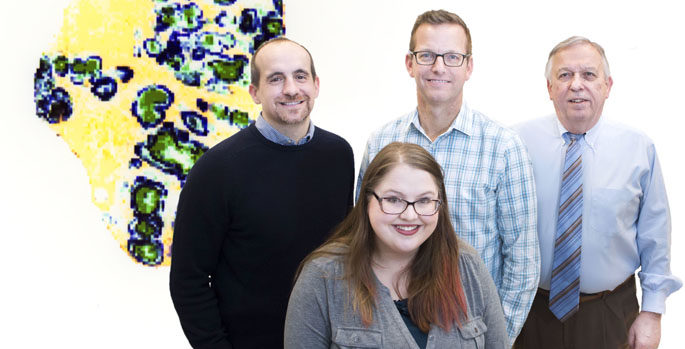
New imaging approach offers unprecedented views of staph infection
A new integrated imaging approach makes it possible to probe the molecules involved in invasive infections and can be broadly applied to any health or disease state. Read MoreMar 15, 2018
-

Long QT syndrome – revealed
Vanderbilt investigators have used sophisticated cell biological and structural techniques to “classify” mutations in potassium channels, studies that could lead to personalized treatment of heart rhythm disorders. Read MoreMar 12, 2018
-

Iron-sulfur “intersection”
Vanderbilt researchers have discovered an unanticipated link between sulfur and iron balance, pointing to a genetic basis for iron-deficiency anemia. Read MoreMar 8, 2018
-
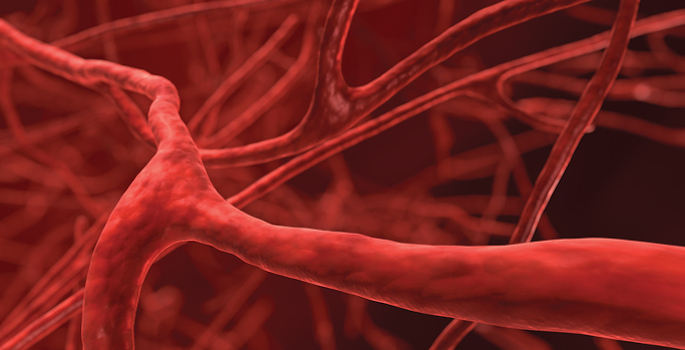
VICC study sheds new light on Von Hippel-Lindau syndrome
Investigators at Vanderbilt-Ingram Cancer Center (VICC) and the Virginia Tech Carilion Research Institute (VTCRI) have revealed a gene mutation’s role in Von Hippel-Lindau syndrome, a genetically inherited disease which causes tumor growth in several organs. Read MoreMar 8, 2018
-
Lovly earns scholarship grant for lung cancer research
Christine Lovly, MD, PhD, assistant professor of Medicine at Vanderbilt, has received a $200,000 grant to support promising new research on lung cancer. Read MoreMar 8, 2018
-
Mitochondrial mutations and disease
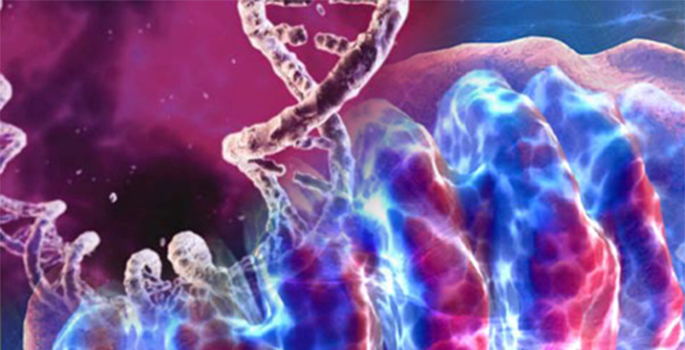
New findings suggest that oxidative stress damages mitochondrial DNA, and they link this damage to a disease state. Read MoreFeb 22, 2018
-

AAAS, chemistry society honor Lindsley’s research contributions
Craig Lindsley, PhD, co-director of the Vanderbilt Center for Neuroscience Drug Discovery (VCNDD), has been named a fellow of the Royal Society of Chemistry and elected chair-elect of the Section of Pharmaceutical Sciences of the American Association for the Advancement of Science (AAAS). Read MoreFeb 1, 2018
-
Cell skeleton and the brush border
Vanderbilt researchers have discovered a role for microtubules — part of the cellular “skeleton” — in organizing the unique sidedness of the epithelial cells that line organs like the intestines. Read MoreJan 31, 2018
-

A cataract-heart connection
Studies of alpha-B crystallin in zebrafish could ultimately lead to improved treatment for cataracts and heart disease. Read MoreJan 25, 2018
-
Number of minority trainees on rise, but not minority faculty
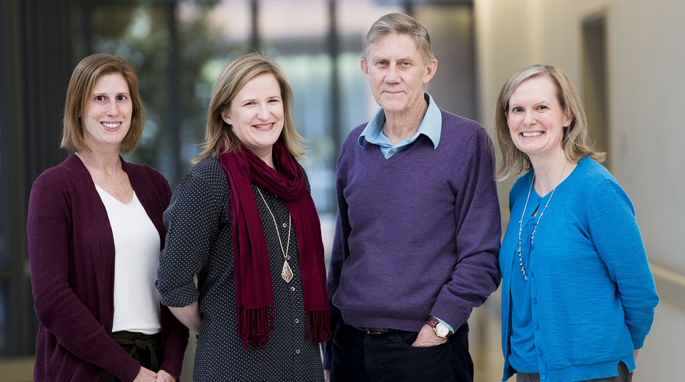
Vanderbilt investigators examined the entire training pathway of potential biomedical research faculty and found two key points of loss: during undergraduate education and in transition from postdoctoral fellowship to tenure-track faculty. Read MoreJan 25, 2018