Research
-

‘Tuning’ cell shape for division
Dylan Burnette and colleagues have discovered that two forms of the molecular motor protein myosin have distinct roles in regulating cell shape during cell division. Read MoreApr 20, 2020
-

Damage, disruption, delirium
New findings suggest that treatments that decrease oxidative damage might help with postoperative delirium that occurs in up to 30% of cardiac surgery patients. Read MoreApr 20, 2020
-

Class project leads to a paper in peer reviewed international journal
The paper, sharing findings from a study of pyrite nanoparticles led by undergraduate mechanical engineering student Masahiro Kato and Ph.D. students Nicole Moering and Madeleine Fort, appeared this week in Materials Today Advances. Read MoreApr 17, 2020
-

Research team awarded $9 million to study extracellular RNA in colorectal cancer
A multidisciplinary team of investigators at Vanderbilt University and Vanderbilt University Medical Center has received a program project grant from the National Cancer Institute to explore extracellular RNA in colorectal cancer. Read MoreApr 15, 2020
-
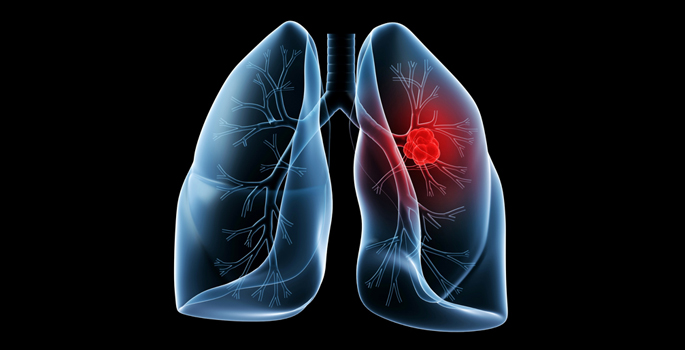
Study tracks genomics of lung tumor behavior
A study by Vanderbilt researchers has identified genomic alterations in early stage adenocarcinomas of the lung that may indicate whether the lesions develop into aggressive tumors. Read MoreApr 13, 2020
-

Race, hormones and diabetes risk
Variation in the levels of hormones called natriuretic peptides may contribute to racial differences in susceptibility to diabetes, suggesting that this hormone system may be a target for reducing risk of the disease. Read MoreApr 8, 2020
-

Blocking stress-induced relapse
Danny Winder and colleagues are teasing apart the actions of neurotransmitter receptors in a brain region linked to anxiety and addiction, with a goal of finding treatments for substance use disorders. Read MoreApr 8, 2020
-

Spasticity underdiagnosed
Spasticity — a consequence of stroke and other disorders of the central nervous system — may be underdiagnosed and undertreated in nursing home residents. Read MoreApr 8, 2020
-

Study reveals an inherited origin of prostate cancer in families
Vanderbilt researchers have identified haplotypes, ancestral fragments of DNA, that are associated with hereditary prostate cancer in a first-of-its-kind genomic study made possible by the study of prostate cancer patients with family histories of the disease. Read MoreApr 8, 2020
-

Cellular factor helps package flu genome
New insights on influenza genome packaging could guide strategies for interfering with the virus's life cycle and ability to cause infection. Read MoreApr 8, 2020
-

VUMC team aids development of potential antiviral drug for COVID-19
Researchers at Vanderbilt University Medical Center are playing a key role in the development of a potential new antiviral drug to treat COVID-19. Read MoreApr 6, 2020
-

Triple-negative breast cancer drug therapy shows promise
Researchers from Vanderbilt-Ingram Cancer Center (VICC) discovered a role for MYCN in triple-negative breast cancer (TNBC), a particularly aggressive form of the disease, and identified a potential intervention for further clinical investigation. Read MoreMar 12, 2020
-

Baroud receives NSF Early CAREER Award to predict and inform community hazard response
Hiba Baroud has received a 2020 NSF Faculty Early CAREER Development grant to boost community resilience and sustainability through a three-pronged project that starts with a better understanding of how people and infrastructures interact during hazards. Read MoreMar 11, 2020
-

Loss of ‘Jedi’ alters neuron activity
This is not the Jedi you're thinking of. This Jedi is a receptor that helps clear away dead neurons during development, and its loss changes the activity of dorsal root ganglia neurons, which could have implications for treating chronic pain. Read MoreMar 10, 2020
-

Meat intake and colorectal polyps
Red and processed meat intakes are strongly associated with increased risk of sessile serrated polyps, which are not as well studied as conventional adenomas. Read MoreMar 9, 2020
-

Clues to lung injury in preterm babies
Jennifer Sucre and colleagues have discovered a factor that contributes to the pathological changes of bronchopulmonary dysplasia, the most common complication of preterm birth. Read MoreMar 5, 2020
-

One-two punch for cancer
A drug combination effectively killed aggressive blood cancers in cell and animal models; now it’s being tested in patients. Read MoreMar 5, 2020
-

Study finds certain genetic test not useful in predicting heart disease risk
A Polygenic Risk Score — a genetic assessment that doctors have hoped could predict coronary heart disease (CHD) in patients — has been found not to be a useful predictive biomarker for disease risk. Read MoreFeb 27, 2020
-

Breast cancer study may help predict treatment response
Researchers at VUMC are reporting another advance in the understanding and treatment of triple-negative breast cancer, which is particularly aggressive and difficult to treat. Read MoreFeb 27, 2020
-

Grant bolsters research on subjective cognitive decline
Katherine Gifford, PsyD, MS, assistant professor of Neurology, has been awarded a five-year, $4.3 million research grant from the National Institute on Aging to study what subjective cognitive decline can reveal about underlying pathology. Read MoreFeb 27, 2020