Research
-

Computer-based study reveals impact of race on health
A computer-based method developed at Vanderbilt University Medical Center that scans electronic medical records (EMRs) for genetic contributors to disease has been used for the first time to reveal the impact of race on health. Read MoreOct 8, 2020
-
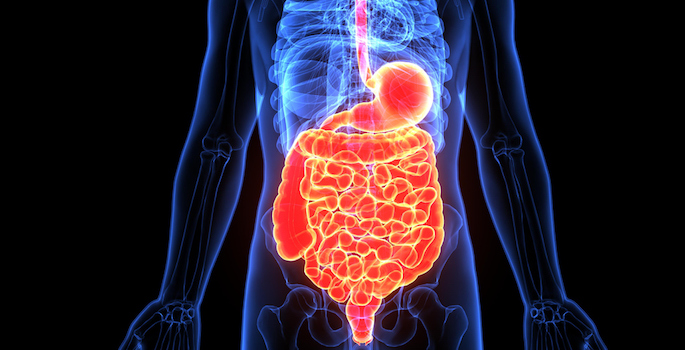
Researchers create molecular ‘atlas’ of GI tract neurons
Researchers at Vanderbilt University Medical Center have generated the first comprehensive molecular “atlas” of genes expressed by the neuronal cells within the intestine that coordinate the functions of the gastrointestinal (GI) tract. Read MoreOct 8, 2020
-
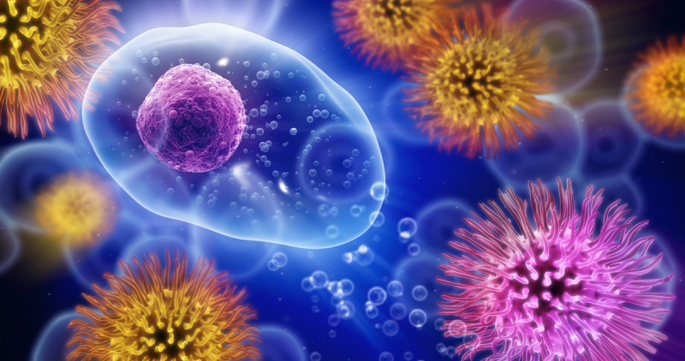
Early steps in reovirus replication
Conformational change in a reovirus surface protein modulate the virus’s attachment to host cells, Vanderbilt researchers have found. Read MoreOct 6, 2020
-
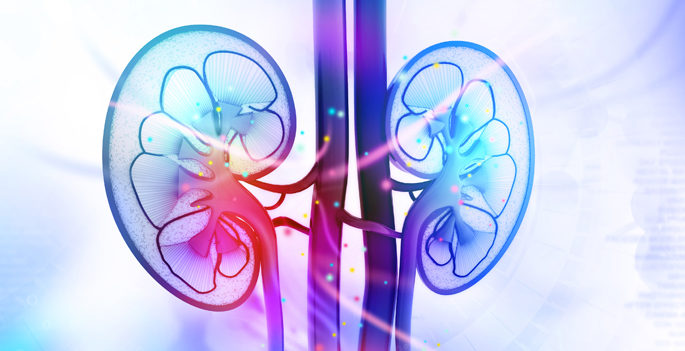
Clue to diabetic kidney disease
Vanderbilt researchers have identified a signaling pathway that promotes kidney fibrosis in patients with diabetes — and that could be targeted with an existing approved medication. Read MoreOct 5, 2020
-
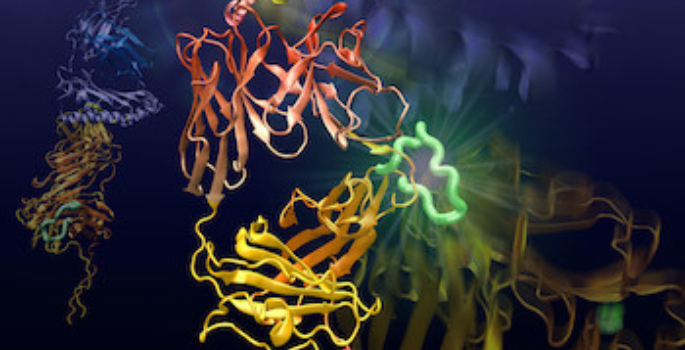
Team’s sustained work in T-cell immune response awarded P01 grant totaling $11 million
For more than a decade Matt Lang and collaborators across the U.S. have worked to recreate key components of T-cells and how they know when to start fighting disease. Conventional wisdom suggested that T-cells formed regular, force-free bonds with infected cells, and in doing so caused the chain reaction of immune response. The team slowly... Read MoreOct 4, 2020
-

$8.7 million DARPA grant advances AI-assisted CPS design work
A new, $8.7 million project—Design. R–AI-assisted CPS Design—involves pathbreaking work for the Defense Advanced Research Projects Agency as future cyber-physical systems will rely less on human control and more machine learning algorithms and artificial intelligence processors. Read MoreOct 4, 2020
-
NSF seed grant supports biomanufacturing of new drug delivery technologies
Vanderbilt researchers awarded one of NSF’s 24 new projects to drive future manufacturing One of the challenges of drug delivery systems is to optimize their targeting properties so therapeutic compounds used in smaller amounts reach only a specific area of the body and result in little or no side effects. The ability to engineer the... Read MoreOct 2, 2020
-
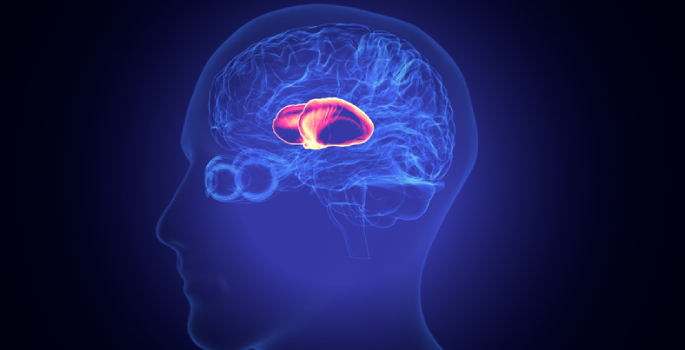
Pinpointing brain changes in psychosis
Specific regions of the thalamus — a central brain region — are smaller in adults with psychotic disorders and youth at risk for psychotic disorders and are associated with cognitive impairment. Read MoreOct 1, 2020
-
Genes spell penicillin allergy risk
Studies using large DNA biobanks revealed genetic variants associated with penicillin allergy, the most common type of drug-induced allergic reaction. Read MoreOct 1, 2020
-

Cohen Fund bolsters Siciliano’s memory research
Cody Siciliano, PhD, assistant professor of Pharmacology in the Vanderbilt University School of Medicine, has been selected to receive a one-year, $100,000 research award from the Stanley Cohen Innovation Fund to support his studies of the neural substrates of memory. Read MoreSep 24, 2020
-

Rational vaccine design
Understanding immunity generated by smallpox vaccine may hold lessons for COVID-19 vaccine development. Read MoreSep 22, 2020
-

Throwing weight around on the internet
What users mention in online weight loss forum tracks with how much weight they lose. Read MoreSep 21, 2020
-

Probing pathogen antibiotic resistance
Understanding how bacteria evolve resistance to antibiotics and host stresses could guide the development of more effective antimicrobial therapeutics. Read MoreSep 17, 2020
-
New predictors of prostate cancer risk
An international group of researchers including Vanderbilt epidemiologists has identified new DNA methylation biomarkers associated with prostate cancer risk. Read MoreSep 17, 2020
-

Award supports integration of genomic data, electronic health records
Eric Gamazon, PhD, assistant professor of Medicine, has been awarded a $1.5 million grant from the National Human Genome Research Institute, part of the National Institutes of Health (NIH), to develop novel computational tools that integrate functional genomic data and electronic health records. Read MoreSep 10, 2020
-

VUMC to lay groundwork for Tennessee’s first federally funded Alzheimer’s Disease Research Center
Angela Jefferson, PhD, professor of Neurology and director of the Vanderbilt Memory and Alzheimer’s Center, has been awarded a $3.7 million, three-year grant from the National Institute on Aging (NIA) to support establishment of a prospective NIA-funded Alzheimer’s Disease Research Center (ADRC) at Vanderbilt University Medical Center. Read MoreSep 10, 2020
-

Fibroids and birth outcomes
Women with three or more uterine fibroids — non-cancerous growths — during pregnancy are more likely to have infants with reduced birthweight and may need additional surveillance. Read MoreSep 8, 2020
-
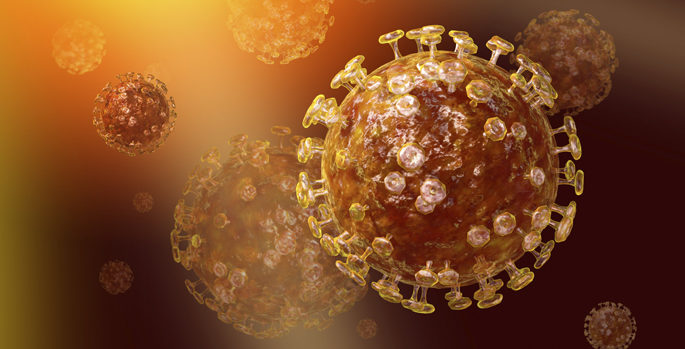
Possible key to COVID-19 infectivity
New findings demonstrate how genetic variations in the receptor that binds SARS-CoV-2 impact virus recognition and infectivity and offer insights to COVID-19 susceptibility and treatment. Read MoreSep 7, 2020
-

New clue to Alzheimer’s disease
Combining studies of genetically diverse mouse populations and human data led to the identification of a gene associated with cognitive decline and brain changes in Alzheimer’s disease. Read MoreSep 3, 2020
-
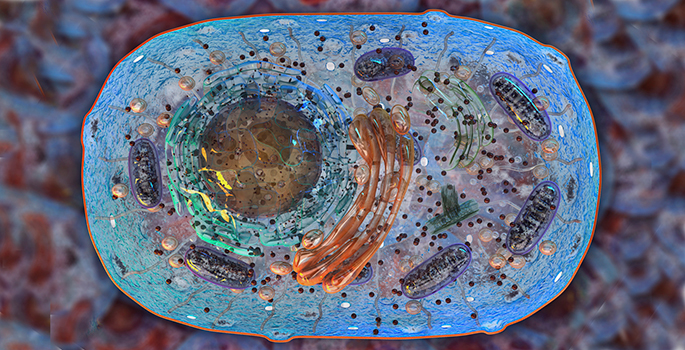
Assembling cell power plant machinery
Tina Iverson and colleagues provide a structural view into the assembly of a protein machine essential for cellular energy production. Read MoreSep 3, 2020