Obesity
-

Saliva test for obesity risk
“Epigenetic signatures” in DNA may present an opportunity for prevention of or early intervention in childhood obesity. Read MoreJan 24, 2017
-

BMI genotype and breast cancer risk
For breast cancer prevention, a new study provides evidence for lifestyle modification to reduce weight gain in adults. Read MoreSep 29, 2016
-
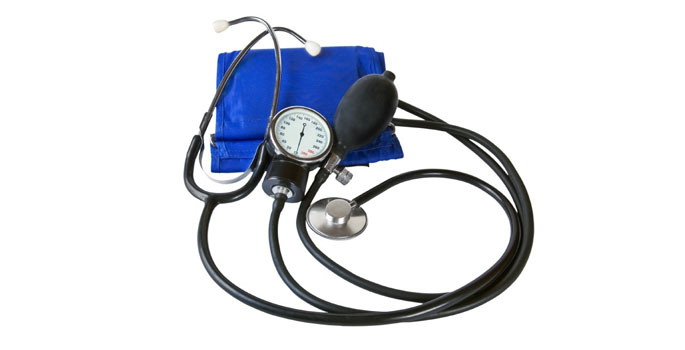
Nervous system’s role in hypertension
Increased activity of the “fight or flight” nervous system contributes to obesity-associated hypertension and may be a good therapeutic target for the disease. Read MoreAug 29, 2016
-

Possible overeating antidote
The 2C-subtype of the serotonin receptor (5HT2C), which binds the neurotransmitter serotonin, plays an important role in regulating food intake and metabolism. Read MoreAug 1, 2016
-
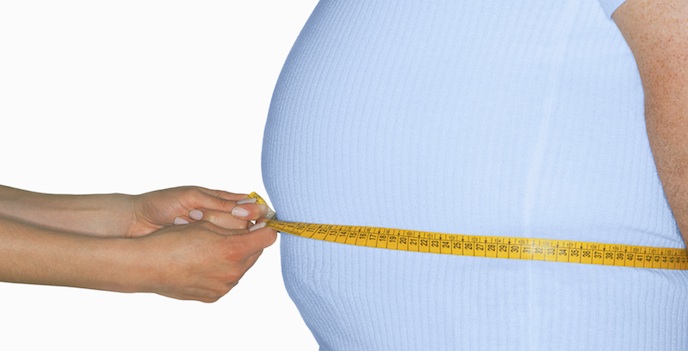
Study spots possible new approach to prevent obesity
An international research team that included scientists from Vanderbilt University Medical Center has found a novel way to counteract obesity in mice — by stimulating the growth of blood vessels in fat tissue. Read MoreApr 14, 2016
-
Price determines whether calorie information sways consumer choices
The perception of a good deal can lead consumers down an unhealthy path, according to a study from a Vanderbilt business school professor. Read MoreFeb 9, 2016
-

Study shows brain function differs in obese children
The brains of children who are obese function differently from those of children of healthy weight, and exhibit an “imbalance” between food-seeking and food-avoiding behaviors, researchers at Vanderbilt University Medical Center have found. Read MoreJan 21, 2016
-
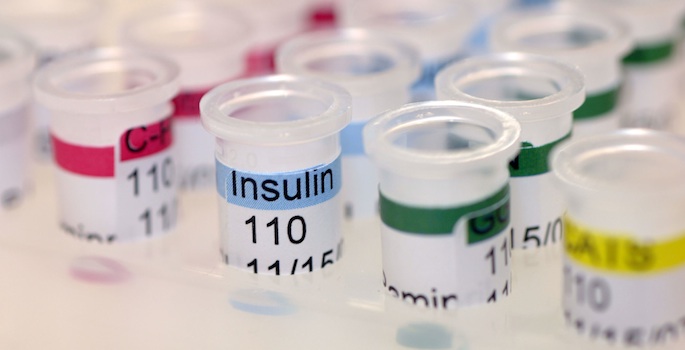
Fighting type 2 diabetes with FGF1
The growth factor FGF1 induces the growth of new insulin-producing beta cells and may help treat type 2 diabetes. Read MoreNov 18, 2015
-

Inflammation, obesity and diabetes
Vanderbilt study adds to the mounting role for inflammatory signaling in obesity. Read MoreOct 29, 2015
-
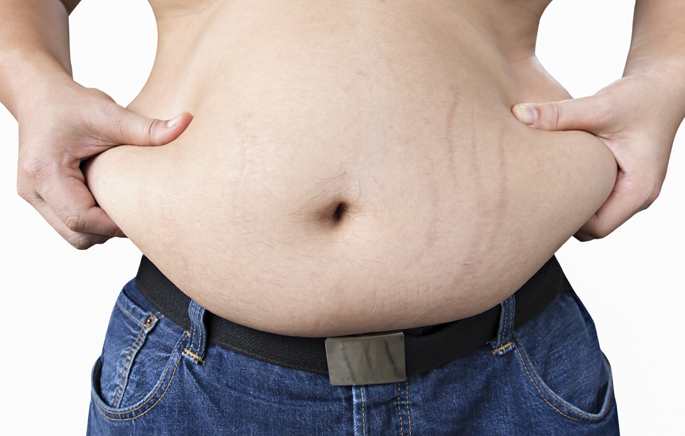
Immune cells and obesity
Understanding how macrophage immune cells accumulate in fat tissue and contribute to the pathology of obesity could lead to the development of novel therapeutics for metabolic disorders. Read MoreSep 8, 2015
-
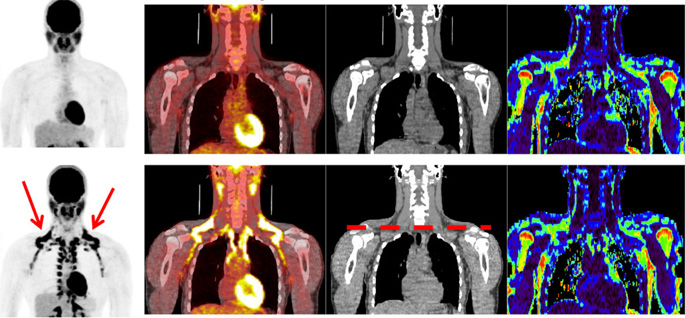
Grant to spur study of ‘brown fat’s’ metabolic mysteries
Vanderbilt researchers have received a $2.15 million grant to study the amount and activity of “brown fat” in adults, with the aim of understanding its role in metabolic disease and identifying new therapeutic targets. Read MoreJun 25, 2015
-
New signaling pathway provides clues to obesity
A Vanderbilt University-led research team has discovered a molecular “rheostat” in the brain’s appetite control center that may provide new insights into obesity, which is at epidemic levels in this country. Read MoreJan 22, 2015
-
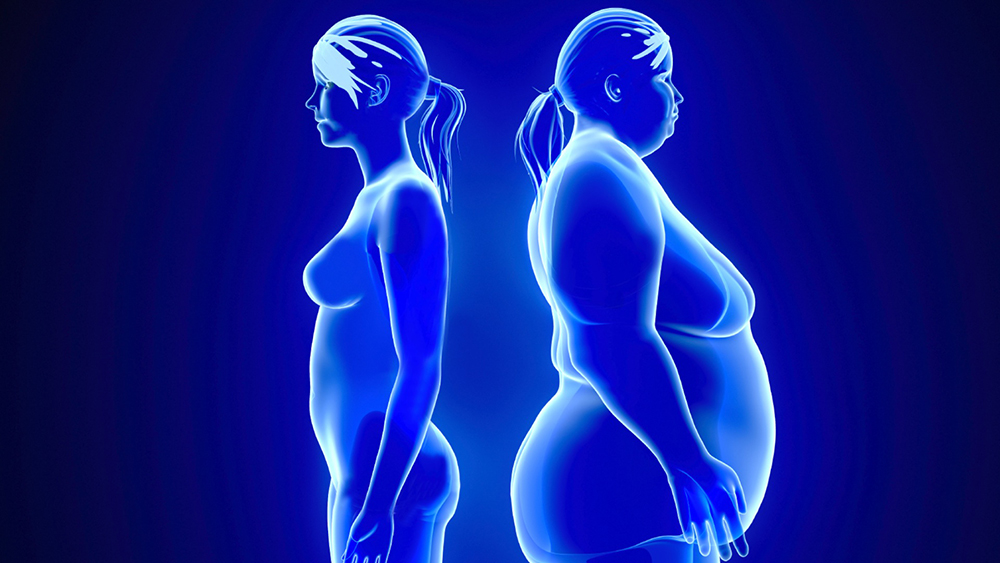
VUCast: Why overweight women lose at work
In the latest VUCast: Learn why overweight women lose in the workplace -- especially when it comes to pay; see breakthrough weapons in the fight against infectious diseases; and hear music legend Sheryl Crow speak about her craft. Watch now! Read MoreDec 1, 2014
-
Overactive stress response in obesity
An overactive stress response contributes to the development of insulin resistance in obese individuals, and blocking it may be therapeutically beneficial. Read MoreNov 7, 2014
-

Overweight women lose in the labor market: Vanderbilt study
Overweight women are more likely to work in lower-paying and more physically demanding jobs; less likely to get higher-wage, public-facing positions; and make less money compared to men and average-size women. Read MoreOct 21, 2014
-

Lymphocyte study reveals obesity clues
Vanderbilt University researchers are closer to understanding the link between obesity, chronic inflammation and type 2 diabetes. Read MoreOct 16, 2014
-

Research Roundup, Summer 2014
Private Property and Government Inaction | Probiotic Could Prevent Obesity | Freedom from Power Cords | Pickiness Doesn’t Always Pay Read MoreSep 26, 2014
-

Weight regain after gastric bypass
Early weight regain after gastric bypass surgery does not reverse metabolic improvements, and the "hunger hormone" ghrelin might indicate who is susceptible to weight regain. Read MoreAug 15, 2014
-

Wellcast: ‘Fit vs. Fat: What Matters More?’
Obesity is no longer evaluated by just weight. Learn more. Read MoreApr 3, 2014
-

Obesity sends immune cells to the brain
Obesity causes peripheral immune cells to move to the brain, where they may contribute to inflammation and the pathophysiology of obesity. Read MoreFeb 12, 2014