NIH
-

New insight into how brain makes memories
Vanderbilt researchers have identified the role that a key protein associated with autism and the co-occurrence of alcohol dependency and depression plays in forming the spines that create new connections in the brain. Read MoreApr 23, 2015
-

Boosting beta cells in diabetes
New findings suggest that it might be possible to treat diabetes by regenerating insulin-producing beta cells in the pancreas. Read MoreApr 20, 2015
-
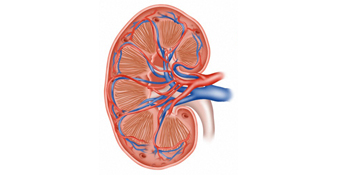
Surprising finding in the kidney
TGF-beta signaling in the kidney was thought to be a target for reducing renal fibrosis, but Vanderbilt researchers report that fibrosis still occurs in the absence of TGF-beta signaling. Read MoreApr 16, 2015
-

New player in heart cell growth
Vanderbilt researchers have identified a new protein involved in heart cell growth, which could improve understanding of pathologic cardiac hypertrophy. Read MoreApr 6, 2015
-

VUMC’s Denny named to NIH precision medicine group
Josh Denny, M.D., M.S., associate professor of Biomedical Informatics and Medicine, will help guide planning for the precision medicine initiative announced by President Obama in his January State of the Union Address. Read MoreApr 2, 2015
-

Aging insights from budding yeast
The proteins that control entry and exit from the cell nucleus influence aging, Vanderbilt researchers have discovered. Read MoreApr 2, 2015
-

Grant to boost head and neck lymphedema research
Vanderbilt University School of Nursing (VUSN) has been awarded a four-year, $2.4 million grant from the National Institutes of Health/National Institute of Dental and Craniofacial Research to establish a valid, clinically useful measurement battery for head and neck lymphedema and fibrosis (LEF). Read MoreMar 5, 2015
-

Former postdoc managing NIH career training initiative
Five months ago D’Anne Duncan, Ph.D., was a third-year postdoctoral fellow in ophthalmology and visual neuroscience at Vanderbilt University. Today she’s program manager of a national consortium that is helping scientists-in-training prepare for today’s broad sweep of career options. Read MoreFeb 26, 2015
-

Antibiotics with anticancer potential
A series of experimental antibiotics may be a good starting point for developing new anticancer drugs. Read MoreFeb 25, 2015
-
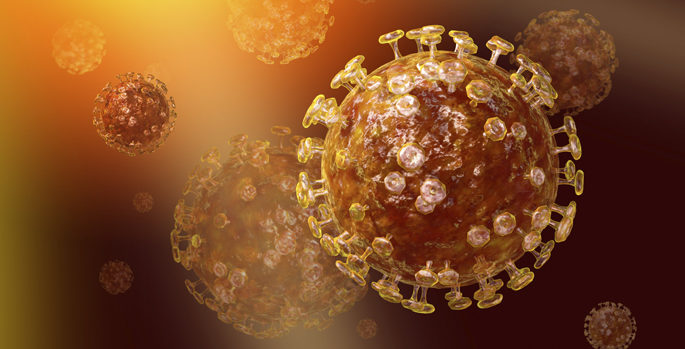
Contributors to coronavirus ‘fitness’
Understanding the role that host membrane modification plays in coronavirus replication is essential for developing novel approaches to block the viruses that cause SARS and MERS. Read MoreFeb 24, 2015
-
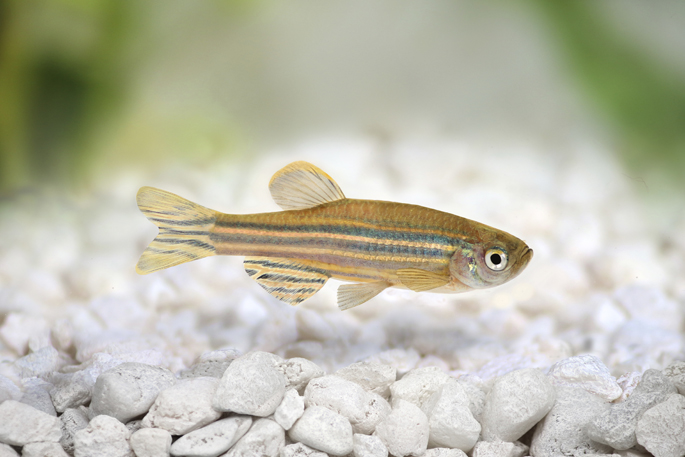
Tiny model of diabetes
Vanderbilt University researchers have created a zebrafish model of skeletal muscle insulin resistance that could help improve diabetes treatment. Read MoreFeb 20, 2015
-
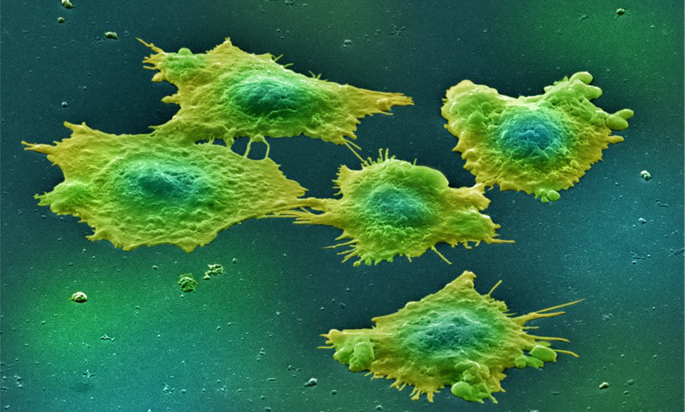
‘Stretched’ cells promote cancer
Mechanical stress appears to be a critical factor in activating normal tissue-associated fibroblasts to generate cancer-associated fibroblasts. Read MoreFeb 19, 2015
-

Workshop explores President’s Precision Medicine Initiative
The Precision Medicine Initiative is a national effort announced by President Obama during his State of the Union address to provide more effective treatment and prevention strategies for individuals by taking into account their unique genetic, environmental and lifestyle factors. Read MoreFeb 19, 2015
-

VUMC teams with NIH on national oral history project
Vanderbilt University Medical Center is launching a project with the National Institutes of Health (NIH) to record and preserve voices of local community members. Read MoreFeb 19, 2015
-
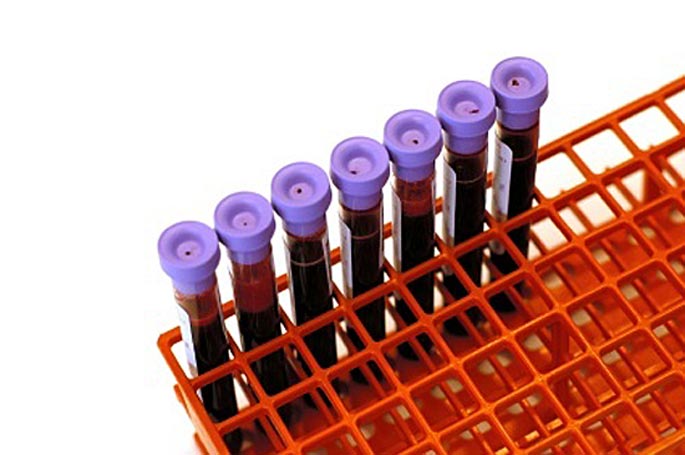
Kidney disease impacts HDL function
Chronic kidney disease impairs the protective functions of HDL, Vanderbilt researchers report this month. Read MoreFeb 11, 2015
-
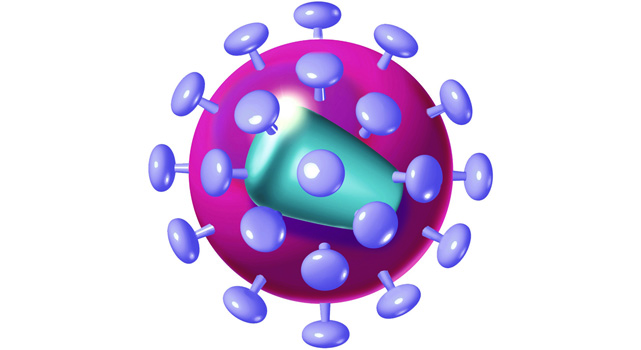
Targeting HIV’s “cap”
New findings underscore the attractiveness of the HIV capsid – the structure that encloses the viral genome – as a therapeutic target. Read MoreFeb 10, 2015
-
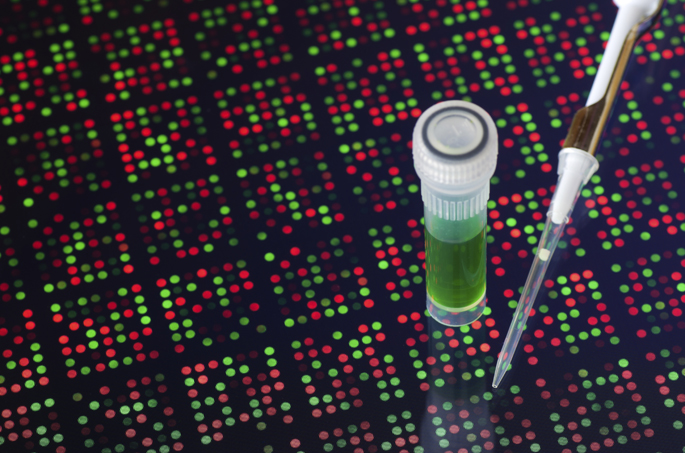
Gene profile predicts metastasis
A specific gene expression profile represents a novel, biologically relevant “signature” for identifying colon cancers with high risk of metastatic recurrence, Vanderbilt researchers have found. Read MoreFeb 9, 2015
-

Copper toxicity and Parkinson’s
A genetic predisposition to Parkinson’s disease makes neurons more vulnerable to the toxicity of heavy metals such as copper. Read MoreFeb 5, 2015
-
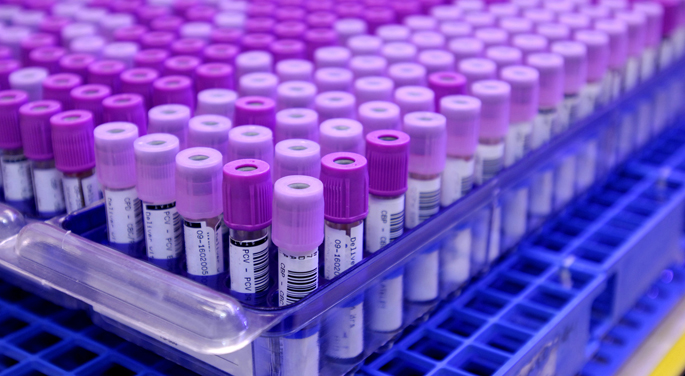
Consent process for BioVU participation updated
As of last week, Vanderbilt has updated the process used to facilitate patient participation in BioVU, the Medical Center’s DNA repository. Read MoreJan 29, 2015
-
New clue to a devastating disease
New findings suggest a previously unrecognized role for the Sox10 transcription factor in Hirschsprung’s disease, and may lead to improved diagnostic and therapeutic approaches for this disease. Read MoreJan 28, 2015