NIH
-

Wound-healing scaffolds
The elasticity of a scaffold used for healing skin wounds is a key factor in promoting regeneration versus scarring. Read MoreJan 27, 2016
-
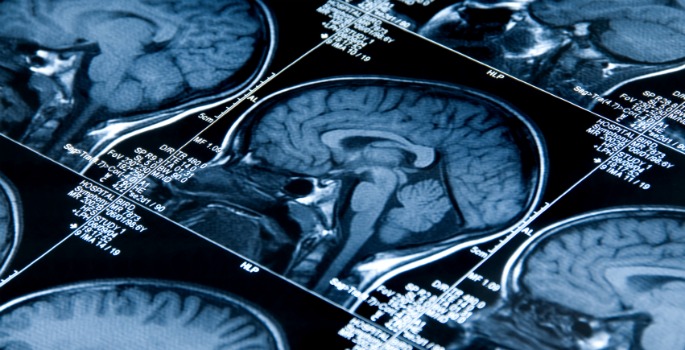
Using MRI to assess myelin health
Vanderbilt investigators report an improved model for estimating brain health, using MRI. Read MoreJan 25, 2016
-
Faulty building blocks in DNA
An enzyme that builds DNA is able to insert the wrong building blocks, which could generate mutations. Read MoreJan 22, 2016
-
Major grants bolster VUMC diabetes research
Researchers at Vanderbilt University Medical Center have received more than $11 million in new grant support aimed at slowing the growing burden of diabetes. Read MoreJan 14, 2016
-
New method aids heart disease studies, drug discovery efforts
A team of Vanderbilt investigators developed a new method for rapidly generating heart muscle cells from stem cells. Read MoreJan 14, 2016
-
Crystal structure reveals secrets of virulent bacterium
Researchers at Vanderbilt University Medical Center have obtained the crystal structure of a toxin from the bacterium Clostridium difficile (“C. diff”) — the leading cause of hospital-acquired diarrhea in the United States. Read MoreJan 14, 2016
-
Platelet protein modification
Vanderbilt investigators have identified a new biomarker to assess platelet function. Read MoreJan 13, 2016
-
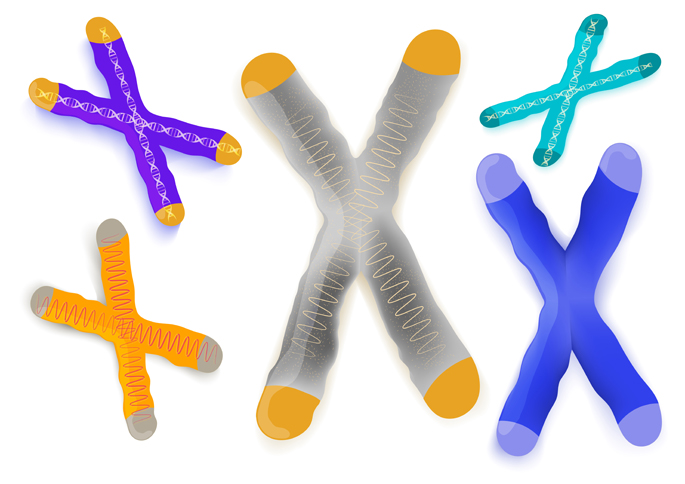
Copying chromosome caps
Telomeres – the caps on the end of chromosomes – are a source of stress for a particular protein involved in copying DNA, a new study reports. Read MoreJan 8, 2016
-
Immune tolerance in endothelial cells
Inducing “tolerance” to bacterial toxins in the endothelial cells that line blood vessels may offer a new approach for preventing the negative consequences of sepsis. Read MoreJan 7, 2016
-
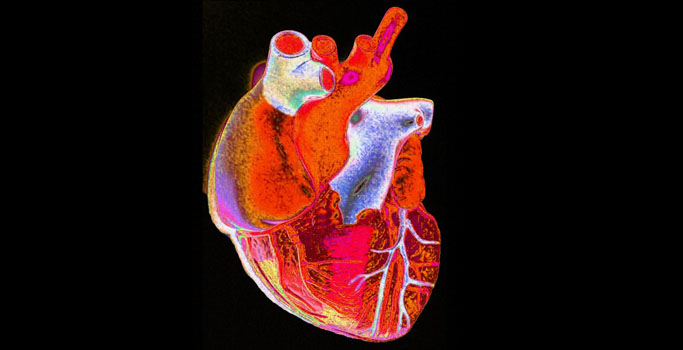
Immune response in transplantation
Thirty-three percent of pediatric heart transplant patients developed antibodies against the donor heart, which can lead to rejection, a new Vanderbilt study reports. Read MoreDec 16, 2015
-
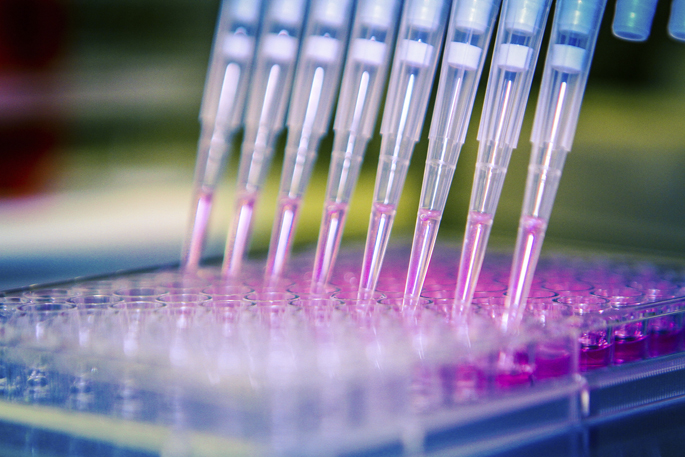
DISSECTing cell signaling networks
Vanderbilt researchers have developed a new method to study cell signaling networks at single-cell resolution. Read MoreDec 14, 2015
-
New lead for ovarian cancer treatment
Combining inhibitors of the BMP signaling pathway with standard chemotherapy drugs may overcome drug resistance in ovarian cancer. Read MoreDec 10, 2015
-

Microtubules act as cellular ‘rheostat’ to control insulin secretion
Microtubules — cellular “highways” that deliver cargo to the cell membrane for secretion — have a surprising role in pancreatic beta cells. Instead of facilitating glucose-stimulated insulin secretion, they limit it, a team of Vanderbilt investigators reported recently in Developmental Cell. Read MoreDec 3, 2015
-

Kenworthy to chair NIH biochemistry study section
Anne Kenworthy, Ph.D., professor of Molecular Physiology and Biophysics, has been named to a two-year term as chair of the Biochemistry and Biophysics of Membranes Study Section in the Center for Scientific Review of the National Institutes of Health (NIH). Read MoreDec 3, 2015
-

Caucus explores crucial role of NIH research funding
James Crowe Jr., M.D., director of the Vanderbilt Vaccine Center, and Anthony Fauci, M.D., director of the National Institute of Allergy and Infectious Diseases (NIAID), recently participated in a U.S. Senate National Institutes of Health (NIH) caucus briefing held in Washington, D.C., by Senate NIH caucus co-chairs Sens. Lindsey Graham (R-SC) and Dick Durbin (D-IL). Read MoreDec 3, 2015
-

Study links opioids, infection risk for patients with rheumatoid arthritis
Use of opioid analgesics is associated with an increased risk of hospitalization for serious infections among patients with rheumatoid arthritis, according to a Vanderbilt study published in Arthritis & Rheumatology. Read MoreNov 19, 2015
-
Fighting type 2 diabetes with FGF1
The growth factor FGF1 induces the growth of new insulin-producing beta cells and may help treat type 2 diabetes. Read MoreNov 18, 2015
-
Children, heart disease, and IQ
Treatment for congenital heart disease during infancy may result in cognitive and attentional deficits during adolescence and young adulthood, Vanderbilt researchers have found. Read MoreNov 16, 2015
-
Immune system a must for kidney repair
A signaling protein that is essential for recovery from acute kidney injury works by increasing the population of tissue-repairing immune cells. Read MoreNov 12, 2015
-
Study helps clarify components of DNA ‘copy machine’
Vanderbilt investigators have generated a “parts list” for the molecular machinery that duplicates DNA each time a cell divides. The research has implications for cancer therapies that target components of this machinery. Read MoreNov 12, 2015