NIH
-
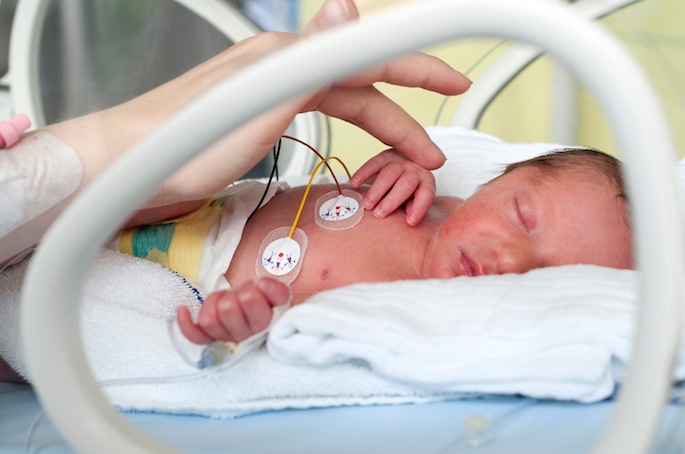
A target to heal tiny lungs
The protein beta-catenin may be a good target for therapies to treat lung disease that is a common complication of preterm birth. Read MoreFeb 23, 2017
-
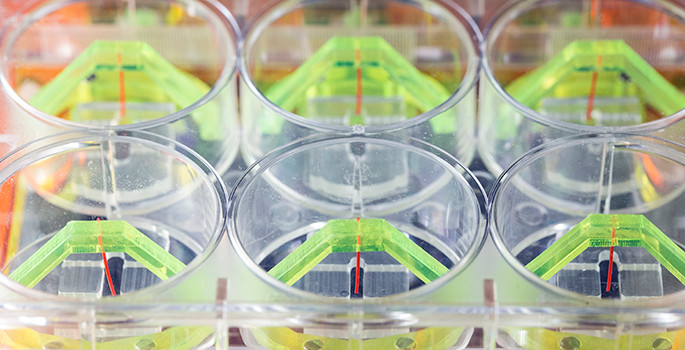
Organ-on-a-chip mimics heart’s biomechanical properties
Scientists at Vanderbilt University have created a three-dimensional organ-on-a-chip that can mimic the heart’s amazing biomechanical properties in order to study cardiac disease, develop heart drugs. Read MoreFeb 22, 2017
-
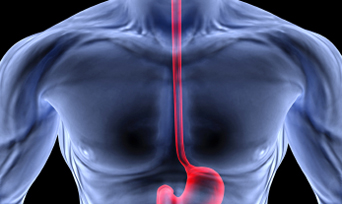
Improving therapies for GI tumors
A signaling protein overexpressed in upper gastrointestinal cancers is an attractive therapeutic target. Read MoreFeb 20, 2017
-
Team’s study uncovers cellular responses to bird flu vaccine
New research from Vanderbilt University eavesdrops on gene expression in human immune system cells before and after vaccination against bird flu. Read MoreFeb 16, 2017
-

Using the Internet for good
Terrah Foster Akard is helping children facing serious and life-threatening illness create a digital record of their lives, and measuring the impact the practice has on their emotional wellbeing. Read MoreFeb 14, 2017
-

New grants bolster Trauma program’s research initiatives
Vanderbilt University Medical Center’s Division of Trauma, Emergency General Surgery and Surgical Critical Care was recently awarded two new research grants. Read MoreFeb 9, 2017
-
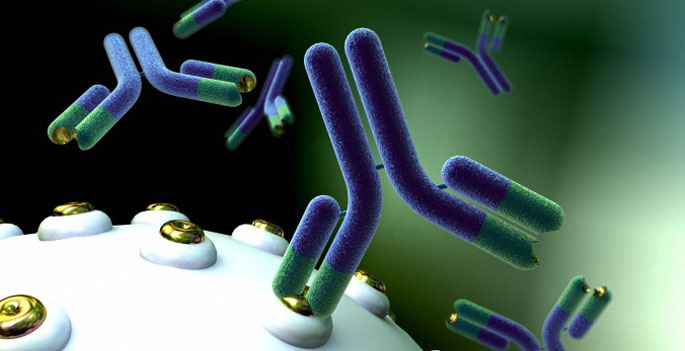
Team isolates new antibodies that may aid RSV vaccine design
Researchers at Vanderbilt University Medical Center (VUMC) have taken another step toward developing a vaccine against respiratory syncytial virus (RSV), the major cause of life-threatening pneumonia in infants worldwide. Read MoreFeb 9, 2017
-
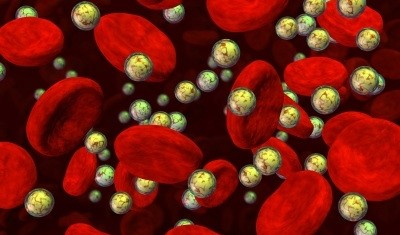
Pathology of septic shock
The signaling molecule IL-15 promotes septic shock, a life-threatening condition involving organ injury caused by infection. Read MoreFeb 8, 2017
-
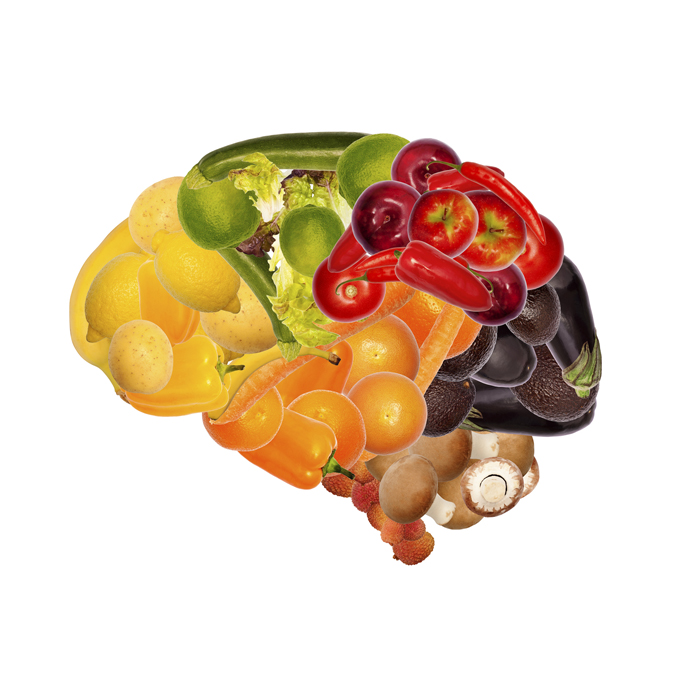
Dementia linked to diet
Some memory deficits observed in Alzheimer’s disease may be due to co-morbid illnesses – not the disease itself – and may be reversed by lifestyle changes or pharmacologic interventions. Read MoreFeb 7, 2017
-
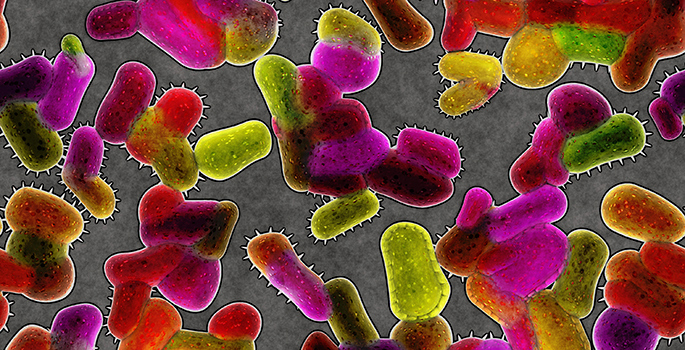
Bacterial signaling systems
Vanderbilt researchers have identified a unique example of communication between bacterial signaling systems, which may have relevance for antibiotic resistance. Read MoreFeb 3, 2017
-
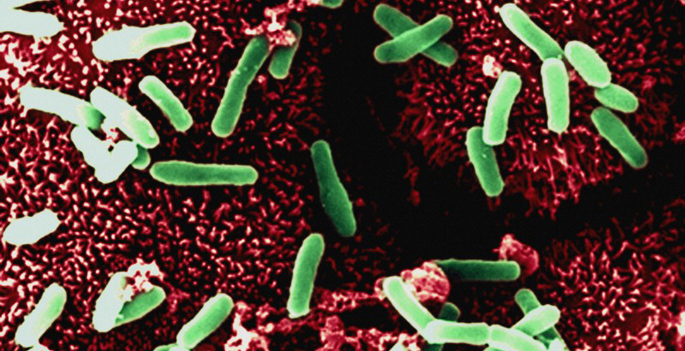
New target for chronic infection
An enzyme in macrophage immune cells may be a good target for treating chronic infections, Vanderbilt researchers have discovered. Read MoreFeb 2, 2017
-

Gene mutation discovery may hold autism clues: study
Researchers at Vanderbilt have identified what may be a genetic “smoking gun” for autism spectrum disorder (ASD) — a mutation in the gene for the critical neuronal protein CaMKII. Read MoreFeb 2, 2017
-

$2.5M grant supports study that examines link between math and reading comprehension
The research represents one of four Learning Disabilities Innovation Hubs established by the NIH in 2012. Read MoreFeb 1, 2017
-

Global health meet explores future needs
The health of people around the world depends to a large extent on the ability of the global health community to predict what challenges must be met in the future. Read MoreJan 26, 2017
-
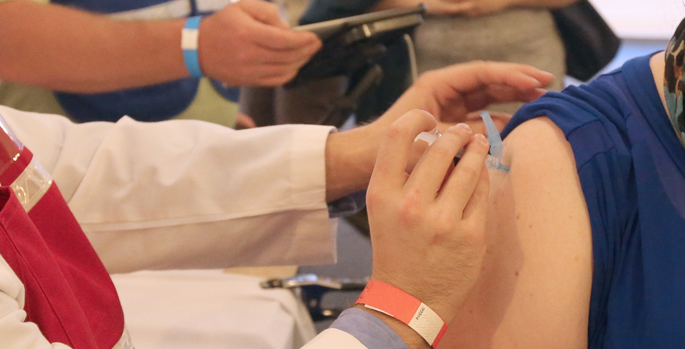
Flu vaccine response in older adults
High dose flu vaccine boosts the immune response in older adults by increasing activation of certain immune cells. Read MoreJan 25, 2017
-
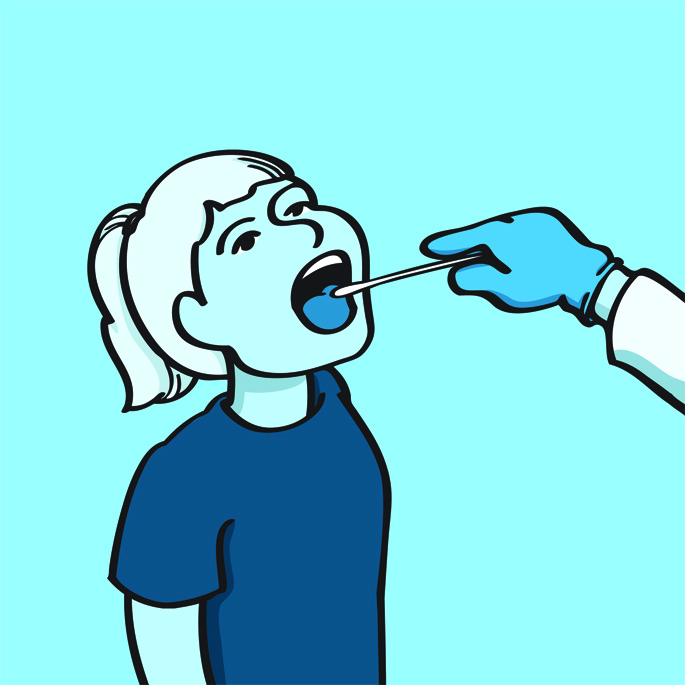
Saliva test for obesity risk
“Epigenetic signatures” in DNA may present an opportunity for prevention of or early intervention in childhood obesity. Read MoreJan 24, 2017
-
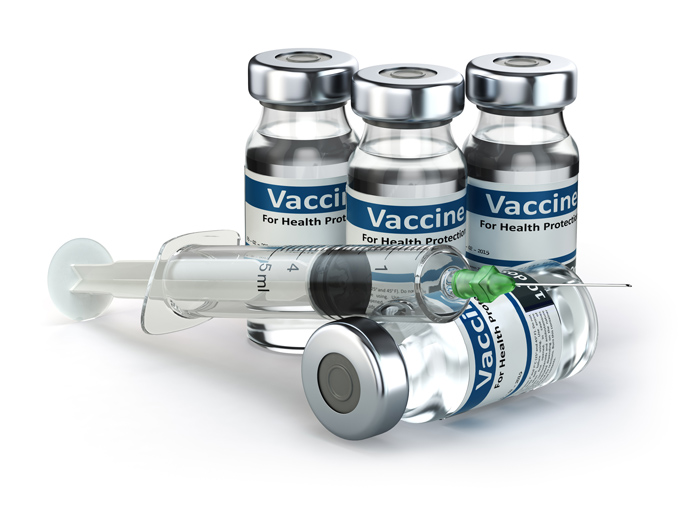
Improving vaccine formulations
The compound MPLA is an attractive vaccine component, designed to elicit a robust immune response. Read MoreJan 20, 2017
-
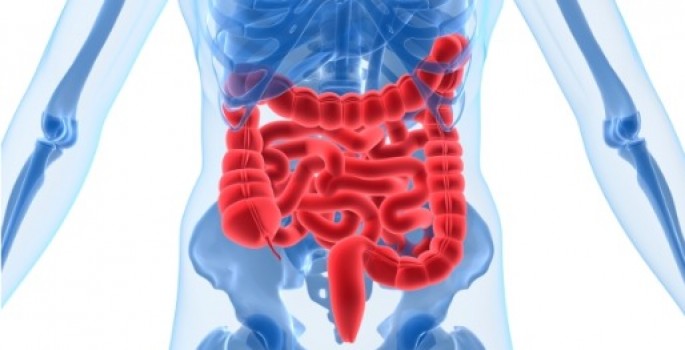
Colorectal cancer clues
Although cancers arising from different areas of the large intestine are heterogeneous, they appear to use similar important tumorigenic pathways. Read MoreJan 19, 2017
-
Digestive Disease Research Center lands major grant
The Vanderbilt Digestive Disease Research Center (VDDRC) celebrates its 15th anniversary this year with a third consecutive five-year renewal of its federal research grant. Read MoreJan 19, 2017
-

Surprising finding by VU team sheds light on fibrotic disease
Integrins are membrane proteins made up of combinations of different “alpha” and “beta” subunits that enable cells throughout the body to interact with their surroundings. Read MoreJan 19, 2017