NIH
-

A switch for autoimmunity
Vanderbilt investigators have discovered a class of compounds that inhibit a mediator of inflammation and autoimmune disorders, and that could pave the way for development of future therapies. Read MoreOct 12, 2017
-

Boosting sarcoma cell death
A compound identified at Vanderbilt represents a new lead for treating rare, aggressive childhood cancers called Ewing sarcomas. Read MoreOct 4, 2017
-

Cell signals that trigger wound healing are surprisingly complex
Vanderbilt scientists have taken an important step toward understanding the way in which injured cells trigger wound healing, an insight essential for improving treatments of all types of wounds. Read MoreOct 3, 2017
-

Delirium, benzos and the pediatric ICU
With other risk factors held equal, children who received a benzodiazepine sedative drug were nearly three times more likely to experience delirium – confused thought – the following day. Read MoreOct 2, 2017
-

Novel insights to antibiotic targets
New mechanistic details about the DNA-unwinding activity of antibacterial protein targets could lead to the design of better antibiotic medicines. Read MoreSep 29, 2017
-
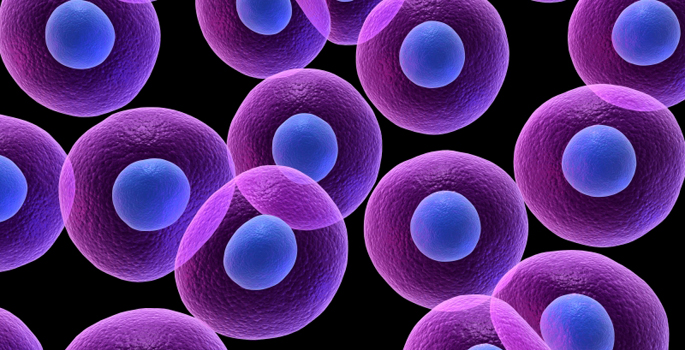
Cellular calcium handling in diabetes
Potassium channels in a cellular organelle regulate calcium flux and appear to play a critical role in pancreatic beta cell health. Read MoreSep 28, 2017
-

NSAIDs, genetics and miscarriage
A certain genetic variant, in combination with the use of anti-inflammatory drugs like aspirin and ibuprofen during early pregnancy, may protect women from miscarriage. Read MoreSep 20, 2017
-

Inhibiting obesity
An enzyme in the gut – NAPE-PLD – is required for the action of signaling molecules that reduce food intake and weight gain. Read MoreSep 15, 2017
-

Acid reflux cancer link
Blocking acid reflux-induced production of reactive oxygen compounds may be a useful strategy for preventing DNA damage and decreasing the risk of esophageal cancer. Read MoreSep 14, 2017
-

Heat a trigger for seizures
Elevated body temperature alone can increase vulnerability to fever-induced seizures, even in the absence of infection or inflammation. Read MoreSep 6, 2017
-

Pain and Alzheimer’s disease
Clinicians should use a structured interview in people with Alzheimer’s disease to identify pain that might be otherwise overlooked. Read MoreSep 5, 2017
-

Restricting HIV-1 infection
Vanderbilt researchers are discovering ways that host proteins block HIV-1 infection, which could suggest new avenues for treatment. Read MoreSep 1, 2017
-
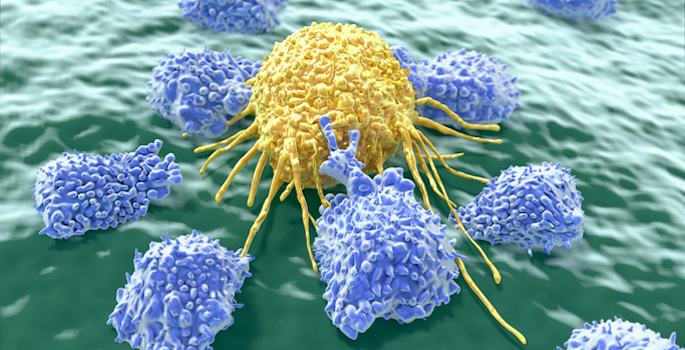
Pancreatic cancer development
Elevated levels of the factor G-CSF appear to promote the development of aggressive pancreatic cancer, suggesting a new therapeutic approach for this devastating disease. Read MoreAug 31, 2017
-

New research on Fragile X syndrome reinforces importance of early detection
New insights into the long-lasting effects of Fragile X syndrome on connections in the brain during early development highlight the importance of early detection and treatment. Read MoreAug 25, 2017
-

Oxidative stress on the brain
Vanderbilt investigators have discovered that oxidative damage may play an important role in the development of a rare cholesterol synthesis disease and in the behavioral changes of autism spectrum disorders. Read MoreAug 23, 2017
-

Predicting brain surgery outcomes
Assessing brain functional and structural connectivity in patients with temporal lobe epilepsy may be a useful way to identify the best candidates for surgical treatment. Read MoreAug 18, 2017
-
Block estrogen to treat lung disease
Based on findings from Vanderbilt investigators and others, clinical trials of estrogen inhibition for pulmonary arterial hypertension have recently been approved and funded by the National Institutes of Health. Read MoreAug 17, 2017
-

Stress may switch on bone “mets”
New findings could explain the link between chronic stress and reduced survival in women diagnosed with breast cancer, and could lead to new strategies to improve treatment outcomes. Read MoreAug 9, 2017
-
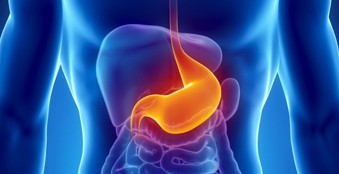
Early drivers of gastric cancer
Using bioinformatics approaches, Vanderbilt investigators have identified gene expression networks that are deregulated in mouse and human stomach cancers. Read MoreAug 8, 2017
-

An immune regulator of addiction
Although drug addiction is classically studied in a neuron-centric way, Vanderbilt researchers have discovered that the immune system also plays a critical role. Read MoreAug 4, 2017