NCI
-
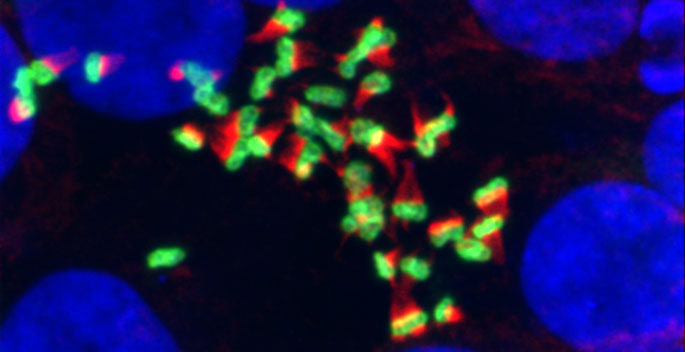
Intestinal artillery launches anti-bacterial attack
The epithelial cells that line the intestines have a newly discovered mechanism for protecting us against microbes: they fire anti-bacterial "bullets" into the gut. Read MoreMay 14, 2012
-

New drug mutes more melanomas
An experimental melanoma drug may be beneficial for patients not eligible for targeted therapies. Read MoreApr 26, 2012
-

Wilms’ tumors differ in developing nations
In addition to limited health care resources, biological factors may play a role in the poor survival of children with a common kidney cancer in developing nations. Read MoreApr 13, 2012
-
Targeting post-transplant diabetes
Targeting diabetes that develops after a stem cell transplant may help moderate graft-vs.-host disease, an adverse effect of the procedure, and improve outcomes. Read MoreApr 12, 2012
-

Plant compound quells inflammation
Berberine, an herbal remedy for diarrhea and intestinal parasites, may be an effective treatment for gastrointestinal inflammatory diseases. Read MoreApr 6, 2012
-
Stem cell population may hold colon cancer clues
Vanderbilt-Ingram Cancer Center researchers have identified a new population of intestinal stem cells that may hold clues to the origin of colorectal cancer. Read MoreMar 29, 2012
-

Smoking stokes cells’ cancer capacity
Cellular pathways altered by chronic exposure to cigarette smoke may reveal new biomarkers to assess smoking-induced lung cancer risk. Read MoreMar 23, 2012
-

Obesity turns “good” cholesterol bad
Studies offer new insights into how obesity impairs the function of HDL, the “good” cholesterol. Read MoreMar 21, 2012
-

iPOND method goes fishing for proteins
A new tool will allow researchers to identify proteins involved in DNA replication and damage repair, processes that go awry in cancer. Read MoreMar 19, 2012
-
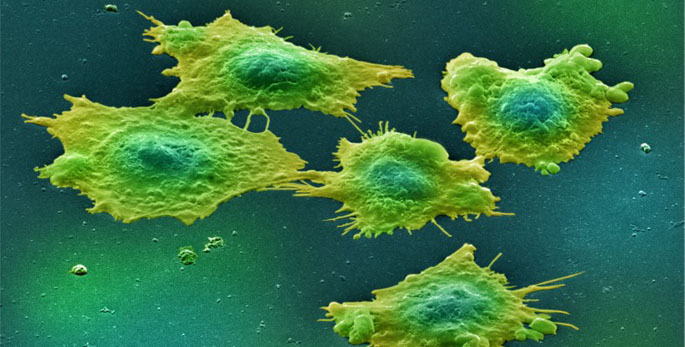
Colon cancer’s cellular crossroads
New information about signaling pathways involved in colorectal cancer could aid in assessing prognosis and identifying new therapeutic targets for the disease. Read MoreMar 16, 2012
-

Urine biomarker for colon cancer?
A molecule detectable in urine may be helpful in diagnosing colon cancer. Read MoreMar 10, 2012
-
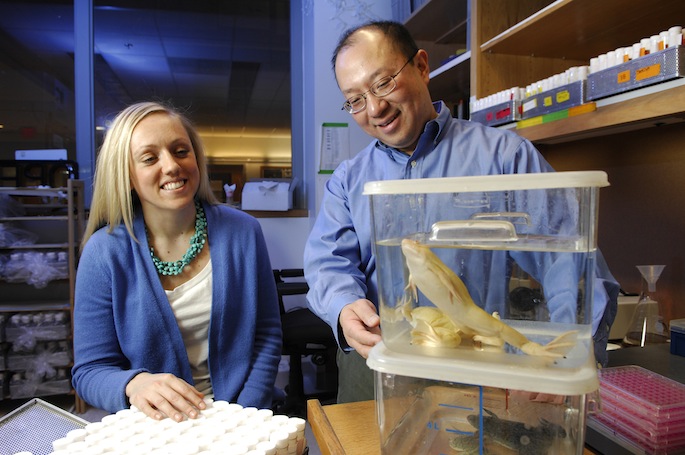
Studies pinpoint new anti-cancer drug target
Vanderbilt researchers have discovered a new molecular participant in the Wnt signaling pathway, which plays important roles in cell growth, development and cancer. Read MoreFeb 23, 2012
-
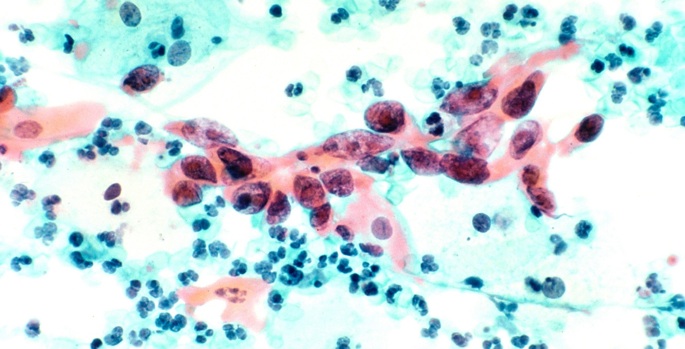
‘Acid test’ for cervical cancer
An inexpensive, low-tech test for cervical cancer may be a good option for screening for the disease among HIV-infected women in developing countries. Read MoreFeb 21, 2012
-

Women who eat fish have lower colon polyp risk
Women who eat at least three servings of fish per week have a reduced risk of developing some types of colon polyps according to a new study by Vanderbilt-Ingram Cancer Center investigators. Read MoreFeb 9, 2012
-
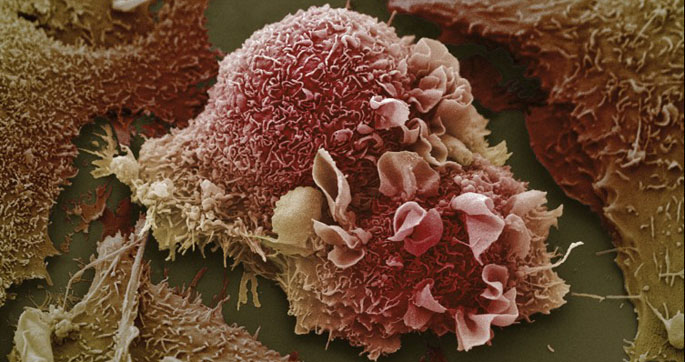
Drugs reverse lung cancer cell changes
Drugs that target “epigenetic” changes may help treat or slow the progression of lung cancer. Read MoreFeb 1, 2012
-

Protein repairs esophageal DNA damage
A protein involved in repairing DNA damage associated with gastric reflux may play a tumor suppressor role in the esophagus and could represent a target for therapies to combat esophageal cancer. Read MoreJan 25, 2012
-

Obesity genes linked to uterine cancer
In addition to body mass index, genetic markers of obesity may provide value in predicting endometrial cancer risk. Read MoreJan 20, 2012
-

Green tea totals colorectal cancer
Tea and its phytochemical constituents have demonstrated anti-cancer properties in cell and animal experiments – particularly green tea, which has higher levels of antioxidant polyphenols than other types of tea. iStockphoto.com Gong Yang, M.D., MPH, and colleagues evaluated the association between green tea consumption and colorectal cancer risk in participants… Read MoreJan 5, 2012
-
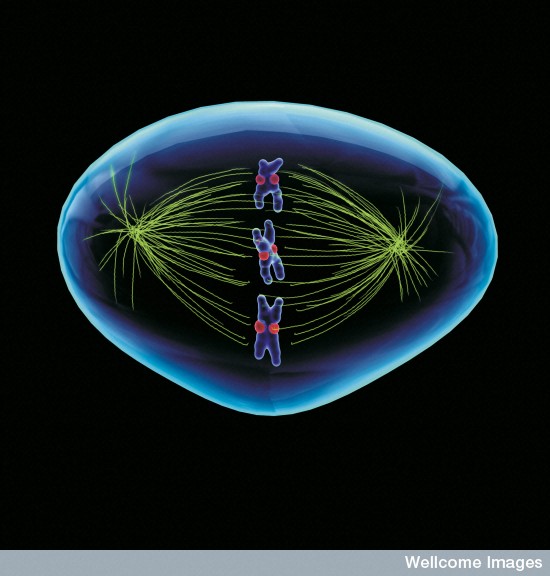
Divvying up chromosomes
Protein helps ensure proper division of chromosomes during cell division. Read MoreDec 15, 2011
-
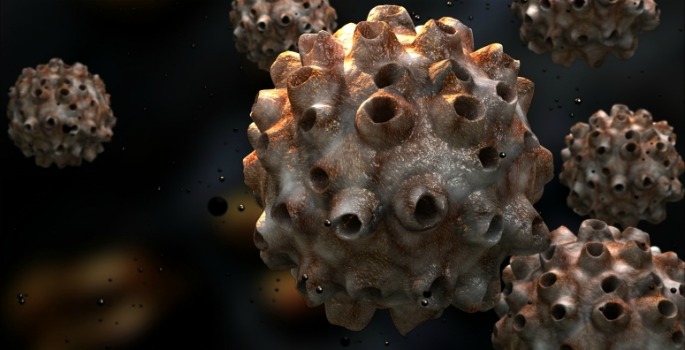
Virus-linked cancer gets help from host
Host cell protein may be a target for strategies to limit spread of virus-induced squamous cell cancers. Read MoreDec 15, 2011